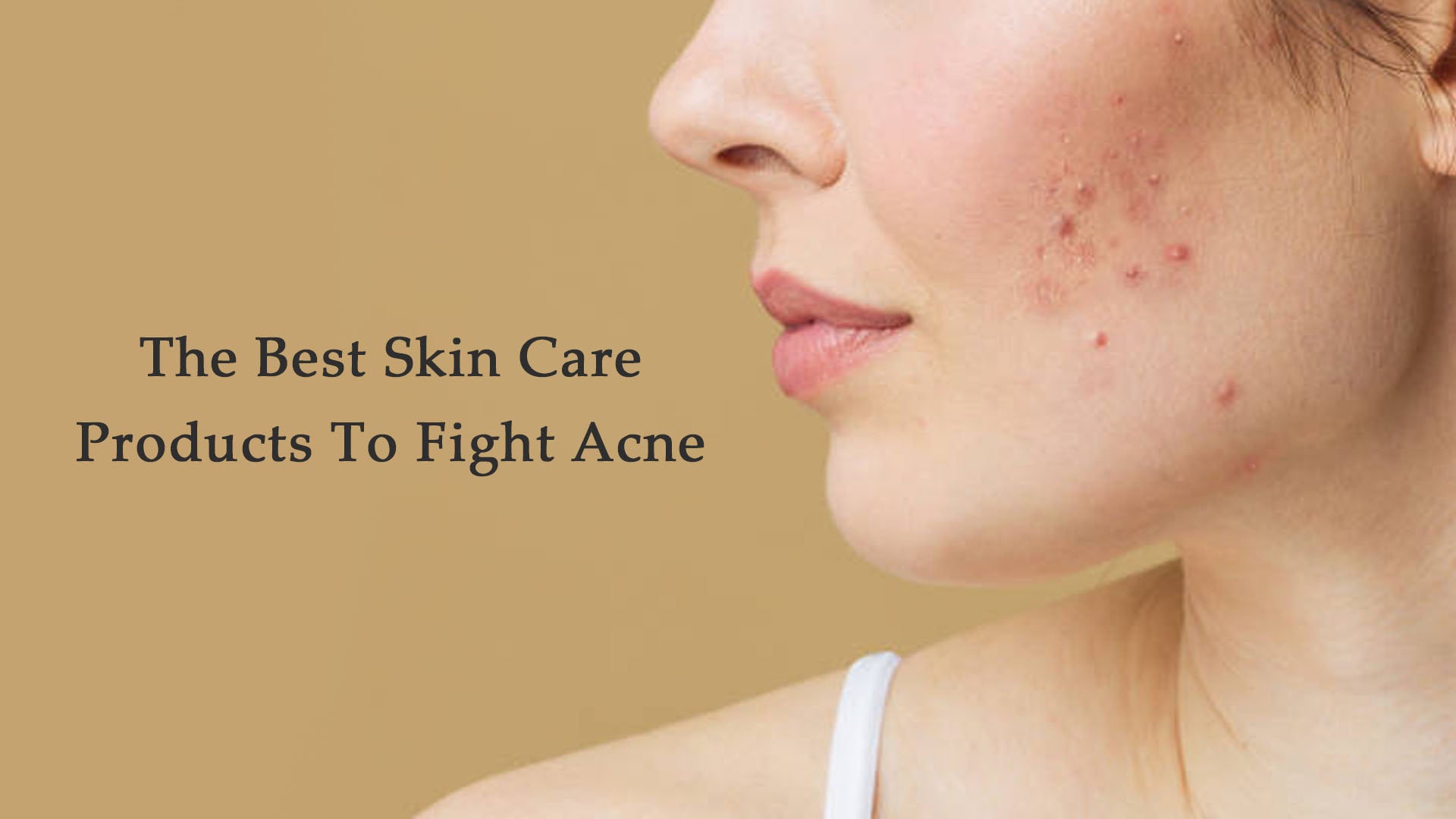
Adult acne skin care products work differently than youthful acne treatments because adult skin produces less natural oil, has a slower cellular turnover rate, and possesses a more vulnerable moisture barrier. While teenage acne regimens focus on aggressive oil suppression and high-strength exfoliation, adult formulations prioritize gentle cell clearance, anti-inflammatory agents, hydration, and skin barrier repair to resolve breakouts without accelerating premature skin aging.
Understanding the Biological Shift: Teenage vs. Adult Skin
To understand why adult acne skin care products work differently than youthful acne treatments, one must first examine the physiological differences between adolescent skin and skin over the age of 25. Although both forms of acne involve the hyper-proliferation of Cutibacterium acnes (C. acnes) bacteria, follicular hyperkeratinization, excess sebum production, and inflammation, the underlying systemic drivers and structural environments differ considerably.
- Teenage Acne
- T-Zone Concentration
- High Sebum / Oily Base
- Rapid Epidermal Turnover
- Resilient Stratum Corneum
- High-Drying Actives Tolerated
- Adult Acne
- U-Zone / Jawline / Neck
- Normal / Combination / Dry Base
- Slow Epidermal Turnover
- Vulnerable Skin Barrier / Higher TEWL
- Requires Barrier-Supportive Actives
Sebum Quality and Distribution
During puberty, surges in circulating surges of dehydroepiandrosterone sulfate (DHEA-S) and testosterone trigger widespread hyper-seborrhea across the classic T-zone (forehead, nose, and central forehead). Teenage skin generally displays high lipid density and rapid sebum synthesis, creating a resilient, oily canvas that can tolerate intense astringents and drying agents.
In contrast, post-pubertal and adult acne (often referred to as acne tarda) frequently manifests on dry, normal, or combination skin. Sebum production in adults is heavily influenced by fluctuating ratios of estrogen to progesterone, elevated cortisol levels driven by chronic stress, and localized androgen receptor sensitivity within the sebaceous glands. Rather than widespread oiliness, adult sebum is often hyper-concentrated in the lower third of the face—specifically the jawline, chin, and submandibular region. Furthermore, adult sebum often contains higher ratios of squalene peroxides, which trigger inflammatory cascades within pores even when total sebum volume is relatively low.
Epidermal Turnover Rates
Adolescent skin possesses a rapid epidermal turnover rate, typically completing a full cycle of desquamation and cellular renewal every 14 to 28 days. Because skin cells shed quickly, teenage breakouts often present as superficial comedones (blackheads and whiteheads) and localized pustules that heal rapidly once the blockage is cleared.
By contrast, cellular turnover slows down with age. By the late twenties and thirties, the desquamation cycle extends to 30 to 45 days or longer. This delayed cellular shedding allows dead skin cells (corneocytes) to accumulate inside hair follicles, where they bind with thickened sebum. This delayed process leads to deeper, painful papules and cystic nodules that sit far beneath the epidermal layer, remaining inflamed for weeks and leaving behind persistent hyperpigmentation or structural scarring.
Moisture Barrier Health and Transepidermal Water Loss
The stratum corneum—the outermost layer of the epidermis—acts as the primary defense system against environmental stressors and moisture loss. Teen skin typically features a thick, lipid-rich stratum corneum that recovers rapidly from topical irritation.
Adult skin undergoes a steady decline in endogenous ceramide production, cholesterol synthesis, and natural moisturizing factors (NMFs). As a result, adult skin experiences higher rates of transepidermal water loss (TEWL) and possesses a delicate lipid matrix. Applying traditional, harsh adolescent acne treatments to adult skin dismantles this fragile barrier, triggering reactive inflammation, secondary contact dermatitis, and compensatory breakout flare-ups.
Formulation Differences: Teen Acne Regimens vs. Adult Acne Solutions
The primary reason adult acne skin care products work differently than youthful acne formulations stems from their underlying formulation philosophy. Traditional teenage acne treatments were historically formulated around a "strip and dry" approach designed to purge extreme oiliness. Modern adult acne treatments, however, rely on target-specific, low-irritation delivery vehicles that balance pore clearance with structural barrier protection.
| Formulation Parameter | Youthful Acne Products | Adult Acne Products |
|---|---|---|
| Primary Pathophysiological Target | Hyper-seborrhea & Superficial Clogs | Slow Turnover & Inflammaging |
| Dominant Anatomic Zones | T-Zone (Forehead, Nose, Chin) | U-Zone (Jawline, Chin, Neck) |
| Typical Vehicle / Base | Alcohol gels, harsh foams, clays | Emulsions, serums, hydrators |
| Primary Active Ingredients | 5-10% Benzoyl Peroxide, 2% BHA | Low-dose Retinoids, Azelaic, PHAs |
| Barrier Lipid Support | Low / Minimal Priority | High (Ceramides, Niacinamide) |
| Secondary Clinical Objective | Fast Oil Suppression | Anti-Aging & PIH Reduction |
Vehicle Delivery Systems
Teenage acne treatments frequently employ high-proof alcohol bases, strong surfactant foams, and fast-evaporating gels engineered to dissolve thick surface lipids quickly. While effective for hyper-seborrheic skin, these delivery vehicles strip necessary intercellular lipids from mature skin.
Adult acne products utilize sophisticated delivery matrices—such as liposomal encapsulation, microemulsions, and hydrogel systems—that release active ingredients gradually into the follicular unit. Microencapsulation protects the active compound while preventing high concentrations from hitting the skin surface all at once, minimizing surface scaling and stinging while improving therapeutic penetration depth.
Active Concentration and Synergistic Actives
Youthful acne preparations often utilize maximal over-the-counter strengths of single drying agents, such as 10% benzoyl peroxide wash formulations or 2% salicylic acid dissolved in denatured alcohol.
Adult acne formulations prioritize lower active concentrations combined with complementary soothing and hydrating agents. For example, rather than relying solely on a high concentration of an aggressive acid, an adult formulation might pair a moderate percentage of an exfoliating acid with anti-inflammatory niacinamide, soothing bisabolol, and hydrating hyaluronic acid. This multi-target approach treats follicular blockages while suppressing inflammatory signals and preserving moisture levels.
Key Active Ingredients: How Their Mechanics Adapt for Adult Skin
The ingredients used in adult acne care are chosen not only to clear clogged pores and suppress bacterial overgrowth, but also to address fine lines, structural elasticity, and post-inflammatory redness.
- Retinoids (Tretinoin, Adapalene, Retinal)
- Clears microcomedones + Stimulates collagen synthesis
- Azelaic Acid (10-15%)
- Kills bacteria + Inhibits tyrosinase (prevents PIH)
- Polyhydroxy Acids (PHAs: Gluconolactone)
- Provides gentle surface clearance + Humectant hydration
- Low-Dose Benzoyl Peroxide / Short-Contact
- Kills bacteria without disrupting lipid barrier
Retinoids: Dual Action for Turnover and Collagen Preservation
Retinoids remain a core treatment option for both adolescent and adult acne, but their clinical utility broadens significantly in mature skin.
In teenage skin, retinoids like adapalene or tretinoin are prescribed mainly to normalize follicular keratinization—preventing dead cells from sticking together inside the pore. In adult skin, topical retinoids perform this exact microcomedone clearance while simultaneously binding to nuclear retinoic acid receptors (RARs) in dermal fibroblasts. This binding action stimulates the synthesis of Type I collagen and inhibits matrix metalloproteinases (MMPs), enzymes that break down dermal collagen when skin is inflamed.
For adult skin, dermatologists often recommend starting with micro-encapsulated retinaldehyde or low-concentration tretinoin paired with lipid-replenishing creams to prevent retinization-induced barrier failure. The American Academy of Dermatology (AAD) provides detailed guidelines on adjusting retinoid frequency and concentration to maintain patient compliance while avoiding barrier disruption.
Azelaic Acid: Targeting Inflammation and Hyperpigmentation
Azelaic acid, a dicarboxylic acid naturally derived from yeast, plays a major role in adult acne management due to its multi-functional physiological properties:
- Antibacterial Activity: It reduces C. acnes proliferation within the follicle by inhibiting microbial protein synthesis.
- Anti-Inflammatory Response: It scavenges reactive oxygen species (ROS) and downregulates pro-inflammatory cytokines, reducing the swelling of deep, painful lesions.
- Tyrosinase Inhibition: Adults, particularly those with medium to deep skin tones, are highly prone to post-inflammatory hyperpigmentation (PIH)—dark spots that linger for months after a pimple heals. Azelaic acid selectively targets hyperactive melanocytes, lightening PIH spots without altering normal skin pigmentation.
Because azelaic acid lacks the harsh, lipid-stripping nature of traditional benzoyl peroxide or high-proof salicylic acid, it is well-tolerated by sensitive, aging skin barriers.
Polyhydroxy Acids (PHAs) vs. Traditional Alpha-Hydroxy Acids (AHAs)
Glycolic acid, a widely used AHA, features a small molecular size that penetrates rapidly into the skin. In young skin, this rapid penetration breaks down intercellular desmosomes to clear dead skin cells. In adult skin, however, glycolic acid can easily cause stinging, burning, and localized redness due to a thinner, more porous stratum corneum.
Adult acne care frequently replaces or combines small-molecule AHAs with Polyhydroxy Acids (PHAs), such as gluconolactone and lactobionic acid. PHAs have larger molecular structures, causing them to penetrate the epidermis more slowly and gently. Furthermore, PHAs contain multiple hydroxyl groups that function as humectants, drawing atmospheric moisture into the stratum corneum as they exfoliate surface buildup.
Benzoyl Peroxide: Short-Contact Therapy vs. Leave-On Gels
Benzoyl peroxide works by releasing reactive oxygen species directly into the follicle, killing anaerobic C. acnes bacteria without creating bacterial resistance.
In adolescent care, leave-on creams with 5% to 10% benzoyl peroxide are common practice. Applied to adult skin, these high concentrations frequently trigger severe desquamation, localized erythema, and accelerated transepidermal water loss.
To overcome this issue, modern adult protocols utilize low-strength (2.5%) benzoyl peroxide formulations or employ short-contact therapy. With short-contact therapy, a patient applies a benzoyl peroxide wash or gel to affected areas for two to five minutes before thoroughly rinsing it off. Research published through the National Center for Biotechnology Information (NCBI) demonstrates that short-contact application provides comparable antibacterial efficacy to leave-on treatments while significantly reducing transepidermal water loss and irritation.
Designing a Safe, Effective Adult Acne Routine
Treating adult acne requires a structured approach that emphasizes gentleness, barrier restoration, and targeted active ingredients.
- Morning Routine
- Gentle Cleanser
- Hydrating Serum / Essence
- Targeted Treatment (Azelaic)
- Ceramide Moisture Layer
- Broad-Spectrum SPF 30+
- Evening Routine
- Oil-Based / Mild Cleanser
- Active Treatment Layer (Retinoid OR Exfoliant)
- Barrier Repair Cream
Step 1: Gentle Cleansing
Avoid harsh alkaline bar soaps, high-foaming sodium lauryl sulfate (SLS) washes, and physical scrubs containing abrasive particles. Instead, choose low-pH (5.0–5.5), non-foaming, or lightly foaming cleansers containing glycerin, ceramides, or mild surfactants like coco-glucoside.
- Frequency: Cleanse twice daily maximum. If skin feels excessively dry or tight in the morning, a plain lukewarm water rinse is often sufficient prior to applying morning products.
Step 2: Layering Treatment Actives
To prevent chemical interactions and excessive skin irritation, avoid applying multiple strong active ingredients at the exact same time.
- Morning: Apply anti-inflammatory and oxidative-stress management ingredients. Azelaic acid (10% over-the-counter or 15% prescription) pairs well with morning antioxidant serums like niacinamide (2% to 5%).
- Evening: Reserve cell-turnover agents for night use. Apply topical retinoids (such as adapalene 0.1% or tretinoin) to completely dry skin after cleansing.
Caution: Avoid combining high-concentration salicylic acid, glycolic acid, and retinoids within the same evening application window.
Step 3: Lipid Replacement and Barrier Support
Unlike teen regimens that frequently skip moisturizers due to excess oil production, adult acne management requires consistent lipid replacement. Look for non-comedogenic moisturizers formulated with a 3:1:1 physiological lipid ratio of:
- Ceramides: Rebuild the intercellular lipid matrix.
- Cholesterol: Restores skin elasticity and natural protective function.
- Free Fatty Acids: Support optimal epidermal barrier health.
Squalane, hyaluronic acid, and panthenol (Vitamin B5) serve as additional weightless hydrating agents that plump skin tissue without blocking hair follicles.
Step 4: Daily Photoprotection
UV radiation aggravates inflammatory acne lesions, degrades underlying collagen, and darkens post-inflammatory hyperpigmentation spots into long-lasting discoloration. Apply a broad-spectrum, non-comedogenic sunscreen with an SPF of 30 or higher every morning. Mineral formulations containing zinc oxide offer additional benefits for adult acne patients, as zinc oxide possesses natural soothing properties that reduce localized redness.
Common Pitfalls in Adult Acne Management
Treating adult skin like adolescent skin leads to persistent irritation and slow clinical progress. Avoiding these common mistakes helps preserve barrier health while clearing breakouts:
1. Over-Cleansing and Over-Exfoliating
When adults spot a breakout, a common reaction is to wash the face more frequently or use harsh scrub tools to "clean out" the pores. This strips essential lipids from the stratum corneum, causing micro-tears, increasing skin vulnerability, and triggering compensatory oil production that worsens clogging.
2. Overusing Spot Treatments
Applying high-strength spot gels directly onto individual deep, cystic lesions rarely resolves the breakout, as cysts originate deep within the dermal layer. Slathering 10% benzoyl peroxide or pure tea tree oil onto a subterranean bump usually burns the surrounding surface skin, creating a crusty, inflamed mark that takes longer to heal than the original lesion.
3. Misdiagnosing Other Skin Conditions
Adult acne is frequently confused with other skin conditions that manifest as facial bumps, leading people to use inappropriate products:
- Papulopustular Rosacea: Features central facial redness, visible blood vessels (telangiectasias), and inflamed pustules, but lacks true comedones (blackheads). Applying standard salicylic acid or benzoyl peroxide treatments to rosacea severely worsens the condition.
- Perioral Dermatitis: Presents as small, red, itchy papules around the mouth and nasal folds. It is often triggered or exacerbated by topical corticosteroids, heavy occlusive creams, or aggressive exfoliants.
- Folliculitis (Fungal Acne): Caused by an overgrowth of Malassezia yeast within the hair follicle. It appears as uniform, itchy papules that do not respond to standard antibacterial acne medications.
If persistent breakouts fail to respond to standard adult acne care after 6 to 8 weeks, consult a board-certified dermatologist for a differential diagnosis.
Frequently Asked Questions
Why does benzoyl peroxide irritate adult skin more than teenage skin?
Adult skin has lower natural sebum levels, thinner epidermal layers, and reduced endogenous ceramide production compared to teenage skin. High concentrations of benzoyl peroxide rapidly strip the stratum corneum of its protective lipids, causing increased transepidermal water loss, scaling, redness, and contact dermatitis. Adult skin benefits more from low-strength (2.5%) formulations or short-contact therapy rather than high-strength leave-on gels.
Can adult acne skin care products also help with fine lines and anti-aging?
Yes. Many primary ingredients in adult acne products—particularly retinoids (like tretinoin and adapalene), azelaic acid, and polyhydroxy acids (PHAs)—serve dual functions. Retinoids stimulate dermal collagen production while unclogging pores, and PHAs offer surface exfoliation alongside humectant hydration, addressing both acne and structural skin aging simultaneously.
How long does it take for adult acne treatments to show visible results?
Because cellular turnover in adults takes 30 to 45 days, most topical adult acne treatments require 6 to 12 weeks of consistent use before showing significant clinical improvement. Expecting instant clearance within days often leads users to switch products prematurely, causing excessive skin irritation and barrier breakdown.
Is hormonal adult acne treatable with over-the-counter products alone?
Over-the-counter products help manage surface exfoliation, inflammation, and light comedonal congestion. However, deep, painful, cystic acne along the jawline and neck caused by systemic hormonal fluctuations often requires prescription therapy. Board-certified dermatologists may prescribe oral medications (such as spironolactone or specific oral contraceptives) alongside topical regimens to regulate systemic androgen stimulation of the oil glands.
How can I treat post-inflammatory hyperpigmentation without irritating my skin?
Focus on gentle, non-irritating active ingredients that inhibit melanin production while soothing skin inflammation. Azelaic acid (10%–15%), niacinamide (2%–5%), tranexamic acid, and alpha-arbutin effectively fade dark spots without damaging the moisture barrier. Pair these targeted treatments with daily broad-spectrum SPF 30+ sunscreen to prevent UV radiation from darkening existing spots.
Action Plan for Managing Adult Acne
To transition from harsh adolescent treatments to a routine designed for adult skin, follow these practical steps:
- Audit Your Current Skincare Shelf: Discontinue high-proof alcohol toners, physical face scrubs, and high-concentration drying gels.
- Restore Your Moisture Barrier: Spend 2 to 3 weeks prioritizing basic barrier repair. Use a low-pH, non-stripping cleanser, a ceramide-rich moisturizer, and a daily non-comedogenic sunscreen before introducing new strong active treatments.
- Introduce One Active at a Time: Start with a single proven active ingredient—such as a low-strength topical retinoid or 10% azelaic acid. Apply it 2 to 3 nights a week initially, gradually increasing frequency as your skin tolerance develops.
- Track Progress over 8-Week Cycles: Give every new treatment plan at least two full cellular turnover cycles (8 weeks) before assessing efficacy or introducing secondary treatments.
- Seek Professional Evaluation: If deep, painful cysts persist despite consistent barrier support and gentle OTC care, schedule a consultation with a board-certified dermatologist to discuss tailored prescription options.
Disclaimer: This article is for informational and educational purposes only and does not constitute formal medical advice, diagnosis, or treatment. Always consult a board-certified dermatologist or qualified healthcare provider regarding specific medical conditions or skin concerns.