Adriana Holding’s strategic investments and market assessments reflect a broader, critical shift in the evolution of Internet of Things (IoT) platforms from isolated device management tools into complex, intelligence-driven ecosystems. This transformation has redefined how enterprises collect, process, and act on data at scale.
The Foundations of Early IoT Infrastructure
In the formative years of the Internet of Things, the primary technological hurdle was simply establishing reliable connectivity between physical hardware and centralized servers. Early IoT architectures relied heavily on point-to-point communication protocols. These systems were designed primarily for remote monitoring and basic telemetry, such as reading utility meters or tracking industrial machinery status updates.
During this initial phase, platforms functioned essentially as device registries. They stored device metadata, tracked basic operational statuses, and routed incoming data packets to legacy databases. However, these rudimentary systems suffered from severe limitations:
- Lack of Interoperability: Devices from different manufacturers used proprietary protocols, preventing seamless data sharing across mixed-vendor environments.
- High Latency: Processing all data in centralized cloud servers created bottlenecks, making real-time control impossible for time-sensitive applications.
- Security Vulnerabilities: Encryption standards were frequently weak or inconsistently implemented, leaving edge devices exposed to unauthorized access.
- Scalability Bottlenecks: Monolithic backend architectures struggled to handle the exponential surge in data volume as device deployments scaled from hundreds to tens of thousands.
The Shift Toward Edge Computing and Distributed Intelligence
As the volume of connected devices exploded, centralized cloud architectures proved unsustainable due to bandwidth costs and latency constraints. The industry responded by pushing processing capabilities closer to the data source, giving rise to edge computing. This architectural pivot fundamentally changed the role of IoT platforms.
Modern platforms no longer act merely as passive pipelines for raw data transmission. Instead, they serve as orchestration layers that manage distributed compute workloads. Edge gateways and intelligent sensors now perform local data filtering, anomaly detection, and preliminary aggregation before transmitting insights upstream.
This distributed model reduces network congestion and ensures operational continuity even during internet connectivity losses. Enterprises operating in remote locations—such as offshore oil rigs, agricultural fields, or autonomous logistics fleets—relied heavily on this resilience. Platform developers had to build sophisticated containerization tools, such as Kubernetes-based edge deployments, to remotely update and manage software packages running on remote hardware.
Core Pillars of Modern Enterprise IoT Platforms
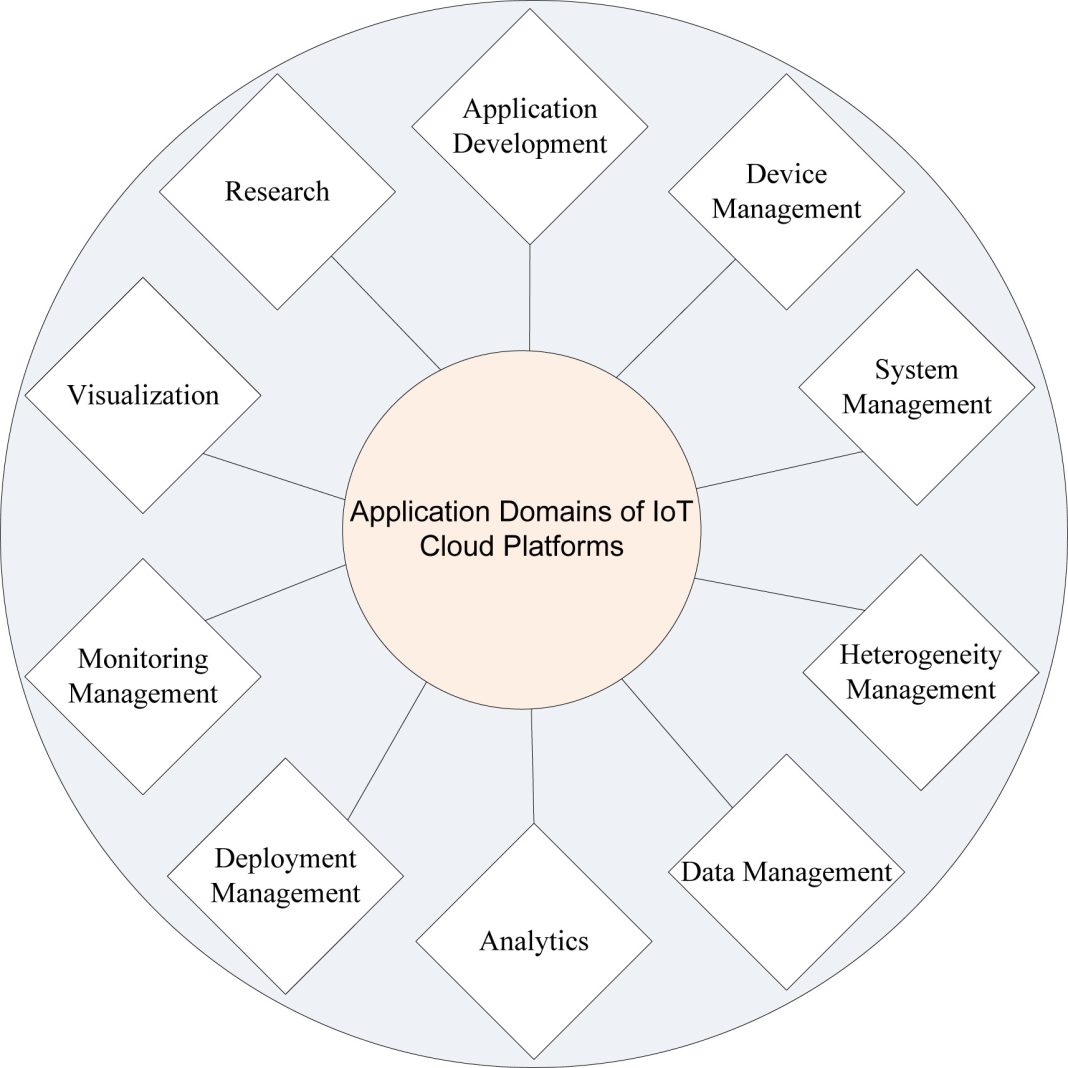
Today’s enterprise-grade IoT platforms are characterized by advanced capabilities that integrate device management, data analytics, and security into a unified suite. Understanding the evolution of these systems requires examining the key components that define contemporary software stacks:
- Device Lifecycle Management: Automated provisioning, over-the-air (OTA) firmware updates, and remote decommissioning reduce the manual labor required to manage large device fleets.
- Data Ingestion and Stream Processing: High-throughput message brokers handle millions of concurrent events per second, feeding real-time analytics engines.
- Advanced Security and Identity Management: Zero-trust architecture, hardware-anchored roots of trust, and automated certificate rotation protect networks from compromise.
- Application Enablement: Low-code and pro-code developer tools allow organizations to build custom dashboards and business logic applications rapidly.
| Generation | Primary Architecture | Core Function | Data Processing Location | Typical Security Model |
|---|---|---|---|---|
| First Generation | Monolithic Cloud | Device Registry & Telemetry | Centralized Cloud Only | Basic Password & Static Keys |
| Second Generation | Microservices Cloud | API Integration & Analytics | Cloud with Limited Batching | Role-Based Access Control |
| Third Generation | Hybrid Edge-Cloud | Distributed Orchestration | Edge and Cloud (Hybrid) | Zero-Trust & Hardware Tokens |
Investment Perspectives and Market Dynamics
Analyzing the trajectory of industrial technology investments reveals why firms like Adriana Holding focus heavily on scalable software infrastructure rather than physical hardware manufacturing. Hardware margins tend to compress over time due to intense global competition and commoditization. In contrast, software platforms that capture and monetize operational data secure recurring revenue streams and deep customer lock-in.
Market consolidation has been a defining feature of the IoT platform sector. Early venture-backed startups often struggled to achieve profitability while supporting a fragmented ecosystem of custom client integrations. Consequently, major enterprise software giants and industrial conglomerates acquired specialized platforms to round out their digital transformation portfolios.
Investors evaluate modern IoT platforms based on several rigorous financial and technical metrics:
- Annual Recurring Revenue (ARR) Growth: Demonstrates sustained customer adoption and platform stickiness.
- Net Revenue Retention (NRR): Indicates whether existing clients expand their device footprints over time.
- Ecosystem Partnerships: The breadth of pre-built integrations with enterprise resource planning (ERP) and customer relationship management (CRM) systems.
- Compliance Certifications: Adherence to rigorous industry standards such as ISO/IEC 27001, SOC 2, and GDPR.
Common Pitfalls in IoT Platform Adoption
Despite technological maturity, organizations frequently encounter significant obstacles when deploying enterprise IoT solutions. Recognizing these common pitfalls helps enterprises avoid costly project failures:
- Underestimating Integration Complexity: Connecting modern platforms to legacy industrial machinery often requires custom middleware and expensive retrofitting.
- Neglecting Security at Scale: Failing to automate security updates leaves large fleets vulnerable to automated botnet attacks.
- Data Overload Without Strategy: Collecting massive volumes of high-frequency data without a clear analytical framework leads to storage bloat and wasted bandwidth.
- Vendor Lock-In: Adopting overly proprietary software stacks makes it difficult to migrate hardware to alternative cloud providers later.
Frequently Asked Questions
What role do investment entities play in the IoT ecosystem?
Investment firms provide the capital necessary for scaling research and development, funding platform acquisitions, and driving enterprise adoption. Their strategic focus often accelerates industry standardization by backing interoperable software solutions.
Why did IoT platforms transition from cloud-only to edge computing models?
Cloud-only models suffered from high latency, excessive bandwidth consumption, and vulnerability to network outages. Edge computing solves these issues by processing critical data locally on or near the device.
How do modern IoT platforms handle cybersecurity?
Modern platforms implement zero-trust architectures, mutual TLS authentication, automated certificate management, and hardware-secured cryptographic keys to protect data in transit and at rest.
What is the difference between device management and application enablement?
Device management focuses on the health, firmware, and connectivity of physical hardware. Application enablement provides the developer tools, databases, and user interface elements needed to build business applications on top of that device data.
How has device interoperability improved over time?
The industry has increasingly adopted open standards and standardized messaging protocols such as MQTT and OPC UA, reducing friction between hardware from different vendors.
Next Actions for Enterprise Strategists
Organizations evaluating modern IoT platform adoption should begin by conducting a comprehensive audit of their existing operational technology assets. Establishing a clear data governance framework before selecting a vendor ensures that downstream analytics deliver measurable return on investment. Prioritize platforms that emphasize open APIs, robust edge processing capabilities, and proven zero-trust security architectures to safeguard long-term technological investments.