Accessing Pennsylvania Medicaid, known formally as Medical Assistance (MA), requires navigating a structured framework of financial thresholds, categorical requirements, and administrative procedures. Residents must meet specific federal and state criteria—primarily based on income, household size, age, disability status, or pregnancy—to qualify for coverage. Understanding these requirements and following the correct application path through the COMPASS portal or local County Assistance Offices ensures that eligible individuals can secure essential healthcare services efficiently.
Core Concepts of Medical Assistance in Pennsylvania
Medical Assistance is a state and federally funded program that provides health coverage to Pennsylvanians who meet specific income and resource limitations. Unlike private insurance, which is based on actuarial risk and premiums, Medicaid is a safety-net program. In Pennsylvania, the Department of Human Services (DHS) oversees the administration of these benefits.
Eligibility is not a single, monolithic standard. Instead, the program is divided into different "categories of assistance." Your eligibility depends heavily on which category you fall into. For instance, a child might qualify under a different set of rules than a person with a permanent disability or an elderly individual needing long-term care. Recognizing your specific category is the first step toward a successful enrollment.
Determining Eligibility Requirements
Eligibility for Pennsylvania Medicaid is generally assessed through two primary lenses: Modified Adjusted Gross Income (MAGI) and non-MAGI criteria.
MAGI-Based Eligibility
Most families, children, and pregnant individuals are evaluated using MAGI rules. This approach looks at your household income as reported for federal tax purposes. The state compares this income against the Federal Poverty Level (FPL). Because 2026 guidelines are indexed to these federal standards, household size acts as the primary multiplier. If your income falls below a certain percentage of the FPL, you are likely eligible.
Non-MAGI (Aged, Blind, or Disabled)
Individuals who are 65 or older, blind, or have a qualifying disability are subject to different rules. These pathways often consider not only income but also "countable resources"—such as savings, investments, and property. While some assets are exempt (like your primary residence or one vehicle), others must be disclosed. Navigating these requirements can be complex, often requiring documentation of medical determinations or Social Security status.
Residency and Citizenship
Regardless of the income pathway, all applicants must meet baseline requirements:
- Residency: You must be a legal resident of Pennsylvania.
- Citizenship/Status: You must be a U.S. citizen or a qualified non-citizen (such as a legal permanent resident who has met specific waiting period requirements).
The Enrollment Process: How to Apply
Pennsylvania has centralized much of its application process through the COMPASS (Commonwealth of Pennsylvania Access to Social Services) system. While you have options, digital submission is generally the fastest route for processing.
Methods of Application
- Online via COMPASS: The COMPASS website is the official portal for applying for Medical Assistance, SNAP, and other benefits. It allows you to check eligibility, submit applications, and upload necessary documents.
- In-Person at a County Assistance Office (CAO): Every county in Pennsylvania maintains a local office. If you have complex questions or require assistance with language barriers or technology, visiting a CAO allows you to speak with a caseworker.
- By Mail or Fax: Paper applications can be downloaded from the DHS website, printed, and mailed or faxed to your local county office.
- By Phone: You can reach the Consumer Service Center at 1-866-550-4355 to request an application or receive guidance on the process.
Documentation Requirements
To avoid delays, gather your documents before starting the application. Commonly required items include:
- Proof of identity (Driver’s license, state ID).
- Proof of citizenship or immigration status (Birth certificate, Green Card).
- Social Security numbers for all applicants.
- Proof of income (Recent pay stubs, W-2 forms, or tax returns).
- Information on existing health insurance.
Navigating the Application Workflow
Once you submit your application, the timeline begins. The County Assistance Office is required to review your case within specific timeframes—typically 30 days for standard applications and shorter periods for those with urgent medical needs or specific categories like "Presumptive Eligibility" for pregnant women.
Verification and Follow-up
Do not assume that the submission of an application ends your role in the process. Caseworkers frequently issue "Request for Information" (RFI) letters. These letters demand missing documents or clarification on income discrepancies. Responding promptly to these requests is the most effective way to prevent your application from being denied for "failure to provide information."
The Role of Managed Care Organizations (MCOs)
In Pennsylvania, most Medicaid recipients are enrolled in the HealthChoices program. This means that while the state determines eligibility, your actual health services are delivered through a private Managed Care Organization (MCO). During or after the enrollment process, you will be required to select an MCO that operates in your region. These organizations manage your network of doctors, pharmacy benefits, and specialty care.
Comparison of Enrollment Methods
| Method | Best For | Advantages | Potential Downsides |
|---|---|---|---|
| COMPASS Online | Most applicants | Real-time tracking, fastest processing. | Requires internet access and digital literacy. |
| County Assistance Office | Complex cases/seniors | Face-to-face support, expert guidance. | Potential for long wait times. |
| Mail/Fax | Limited technology access | No internet required. | Slowest method; higher risk of lost mail. |
| Phone Support | General inquiries | Direct verbal confirmation. | High call volumes, long hold times. |
Ongoing Requirements and Renewals
Medicaid enrollment is not permanent; it requires periodic renewal, typically every 12 months. This process is known as "redetermination."
Annual Renewals
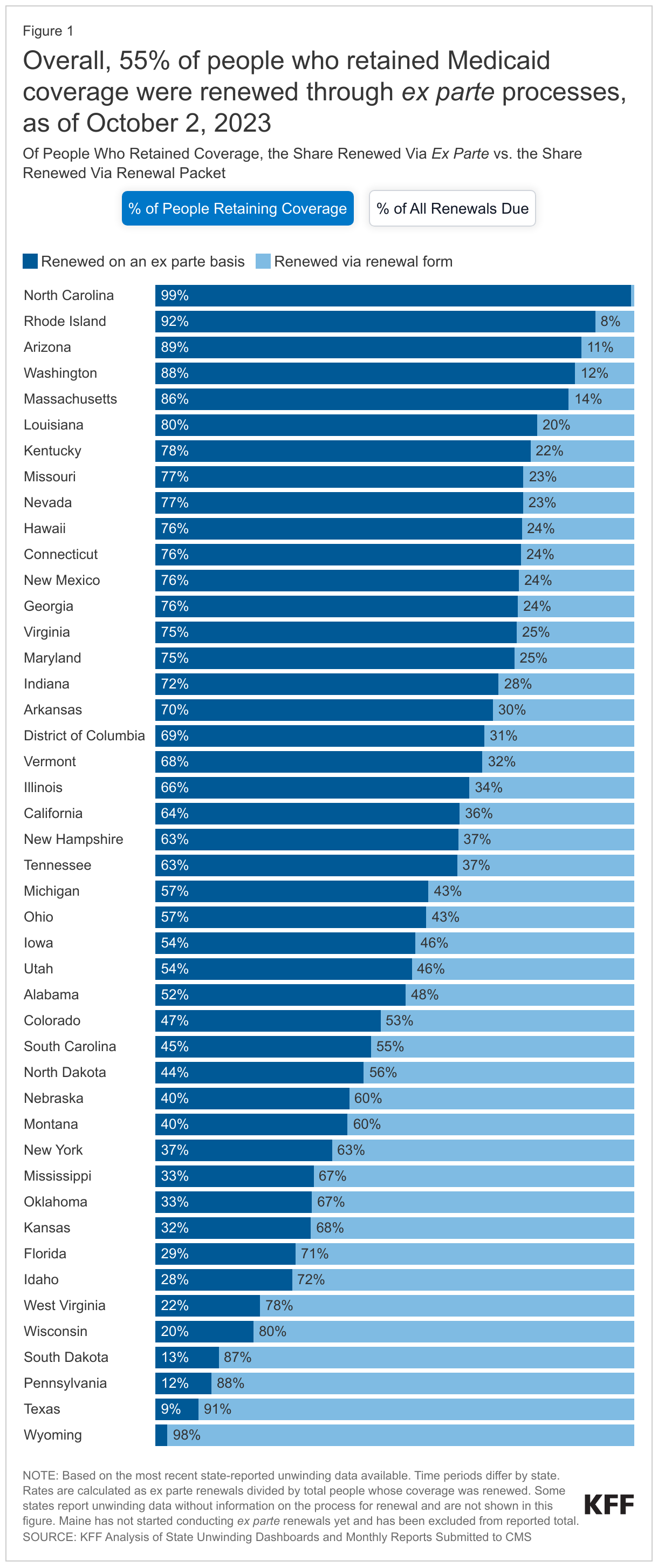
The state will send you a renewal packet. It is critical that your mailing address is always up to date with the DHS. If you move, notify the department immediately. Failing to respond to a renewal packet, even if you are still eligible, will result in the automatic termination of your benefits.
Reporting Changes
You are legally obligated to report changes in your household status within 10 days. These changes include:
- A change in household income (e.g., a new job or a raise).
- A change in the number of people living in your home.
- Moving to a different county or state.
- Gaining access to other forms of health insurance.
Troubleshooting Common Issues
Applicants often face hurdles that can delay coverage. Understanding these common pain points can help you navigate them more effectively.
Missing Deadlines
If you miss a deadline for a document request, your application may be denied. However, you have the right to appeal. If you receive a denial letter, carefully read the section regarding your "Fair Hearing" rights. You generally have a limited window—often 30 to 90 days—to request a hearing to contest the decision.
Income Discrepancies
The state uses electronic data matching to verify income against tax and unemployment records. If your self-reported income significantly differs from these electronic sources, the system will flag the application for manual review. Always provide pay stubs that clearly show the gross income rather than just the net "take-home" pay, as eligibility is calculated based on gross amounts.
Disenrollment and Reinstatement
If you are disenrolled due to an administrative error or missed renewal, contact your local County Assistance Office immediately. If you catch the error quickly, they may be able to reinstate your coverage retroactively, which is vital if you have outstanding medical bills from the period of the lapse.
Frequently Asked Questions
Can I have Medicaid if I already have employer-sponsored insurance?
Yes. It is possible to be "dual eligible" or have primary and secondary coverage. However, your employer-sponsored plan will generally be considered the primary payer, and Medicaid will act as the secondary payer to cover deductibles, copays, or non-covered services. You must disclose all other insurance to the state.
Is there a cost associated with Pennsylvania Medicaid?
For most individuals and families, there are no monthly premiums. However, some categories, such as the "Medical Assistance for Workers with Disabilities" (MAWD) program, require a small monthly premium based on income. Additionally, nominal copays for certain services (like prescription drugs) may apply depending on your specific program category.
Can I apply for someone else?
Yes, you can act as an "authorized representative." To do this, you must complete the specific authorization form provided by the Pennsylvania Department of Human Services. This allows you to speak to caseworkers on behalf of the applicant and receive official correspondence.
How do I change my Managed Care Organization (MCO)?
Once you are enrolled, you have a 90-day window to change your MCO for any reason. After that, you can generally only switch during your annual "open enrollment" period, unless you have "good cause" (such as a doctor leaving the MCO network). You can manage these changes through the Pennsylvania Enrollment Services website.
What should I do if I am denied coverage?
Review the denial notice carefully to understand the specific reason for the rejection—whether it was due to income, missing information, or a procedural issue. If you believe the decision was based on a misunderstanding of your finances or residency, follow the instructions on the notice to request a Fair Hearing.
Practical Next Steps
If you are currently seeking coverage, prioritize these three actions:
- Verify your address: Ensure the state has your current contact information, as this is where all crucial renewal notices and RFI letters will be sent.
- Use the COMPASS tool: Even if you prefer in-person help, use the COMPASS website to review the checklist of required documents specific to your situation.
- Keep a file: Maintain a dedicated folder for your Medicaid correspondence. Keep copies of everything you submit, including the dates, the name of the clerk who helped you, and any confirmation numbers received from the online portal.
For those requiring specialized long-term care or complex disability support, contact your local Area Agency on Aging or a disability advocacy group. These organizations are often better equipped to provide granular advice on navigating the nuances of asset protection and long-term care eligibility compared to a general state helpline.