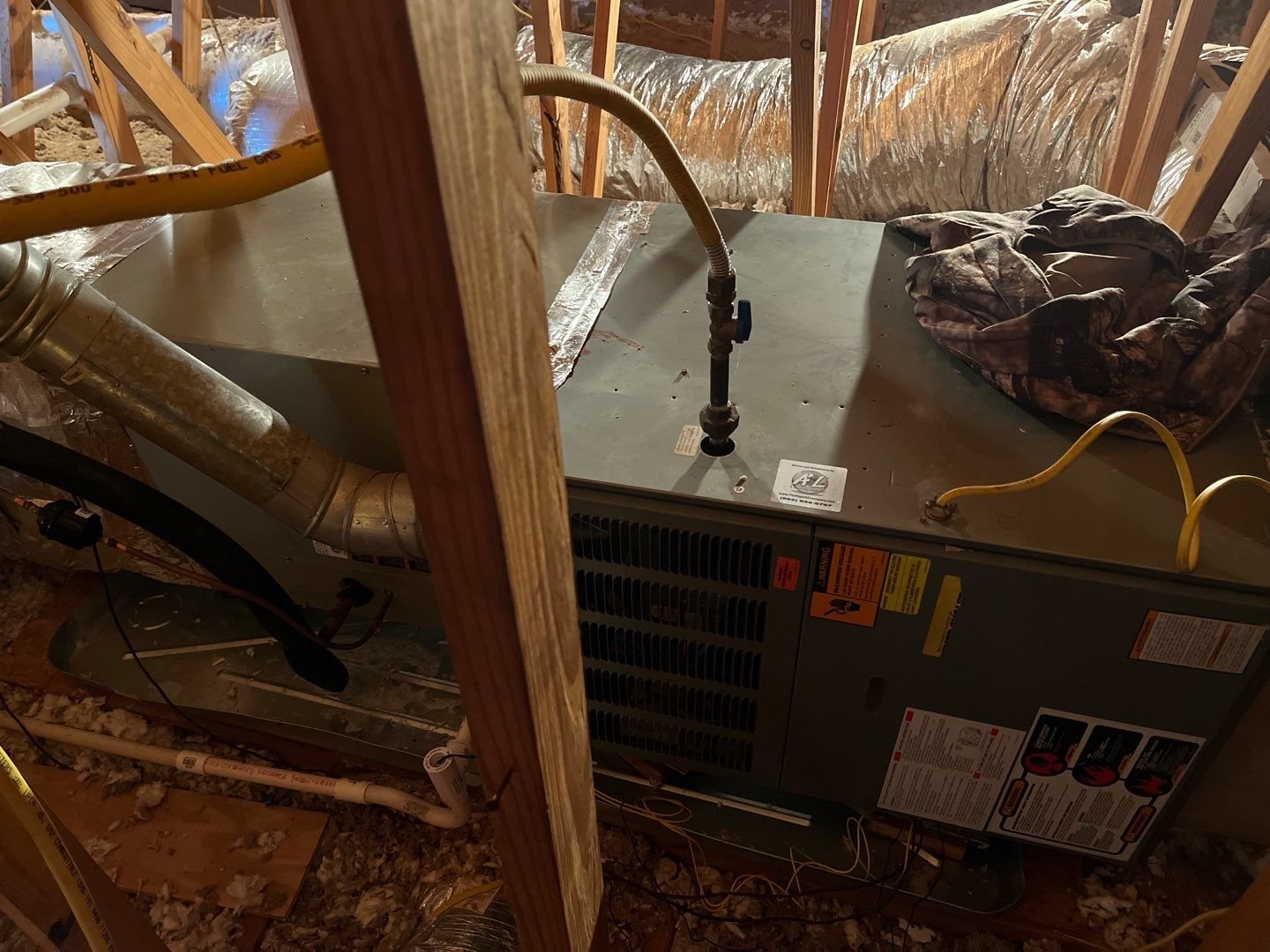
Replacing an AC blower motor in 2026 typically costs between $450 and $1,600, depending on the motor type and labor rates in your region. The process involves disconnecting the power, removing the blower assembly from the air handler, swapping the faulty motor with a compatible new unit, and recalibrating the system for optimal airflow.
The blower motor is the "heart" of your HVAC system’s distribution network. Without it, your air conditioner can produce all the cold air it wants, but that air will never reach your living room. In this guide, we will break down the current market costs, the technical differences between motor types, and a comprehensive look at the professional replacement process.
Understanding the Role of the AC Blower Motor
The blower motor is located within the indoor unit (the air handler or furnace) of your central air conditioning system. Its primary function is to spin the fan—often called a "squirrel cage"—which pulls warm air from your home through the return vents, pushes it across the cold evaporator coils, and then distributes the chilled air through the supply ductwork.
In 2026, HVAC technology has shifted significantly toward higher efficiency. Modern blower motors do more than just turn on and off; they often modulate their speed to maintain precise humidity levels and temperatures. Because this component operates almost continuously during peak summer months, it is subject to significant wear and tear.
The Different Types of Blower Motors
To understand the cost and process, you must first identify which of the two primary motor types your system uses:
- PSC (Permanent Split Capacitor) Motors: These are traditional, single-speed motors. They are either "on" or "off." While they are less expensive to replace, they are also less energy-efficient.
- ECM (Electronically Commutated Motors): These are high-efficiency, variable-speed motors. They use an internal microprocessor to adjust speed based on the home's cooling demand. While they save significant amounts of electricity, the replacement parts are considerably more expensive.
Signs Your AC Blower Motor is Failing
Before jumping into replacement costs, it is vital to verify that the motor is indeed the culprit. Many homeowners misdiagnose a simple thermostat or capacitor issue as a motor failure. Watch for these specific indicators:
- Weak Airflow from Vents: If you feel only a faint breeze coming from your registers while the outdoor unit is humming away, the blower motor is likely struggling to reach the necessary RPMs.
- Strange Noises: Squealing or screeching usually points to failing bearings. A loud "thumping" or "clanking" may indicate that the fan blades are out of balance or that the motor mount has broken.
- The "Burning" Smell: An electrical burning odor often suggests that the motor windings are overheating or that the internal wiring has shorted out. If you smell this, shut off your HVAC system at the breaker immediately to prevent a fire.
- Intermittent Operation: If the fan starts and then stops abruptly, or if it requires a manual "nudge" to start spinning, the start capacitor or the motor’s internal starter windings are likely failing.
2026 AC Blower Motor Replacement Cost Breakdown
As of 2026, supply chain stabilization and advancements in motor manufacturing have kept prices relatively steady, though labor costs continue to rise in many metropolitan areas.
Cost by Motor Type
The type of motor is the single biggest variable in your final bill.
| Motor Type | Average Part Cost | Average Labor Cost | Total Estimated Cost |
|---|---|---|---|
| Standard PSC Motor | $150 – $400 | $200 – $400 | $350 – $800 |
| OEM ECM Motor | $600 – $1,200 | $300 – $500 | $900 – $1,700 |
| Universal ECM Motor | $400 – $700 | $300 – $500 | $700 – $1,200 |
| Commercial Grade | $800 – $2,000+ | $500 – $1,000 | $1,300 – $3,000+ |
Labor and Diagnostic Fees
In 2026, most HVAC contractors charge a diagnostic fee ranging from $85 to $150. This fee is often rolled into the total cost if you move forward with the repair. Labor for the actual replacement typically takes 2 to 4 hours. If the blower assembly is located in a cramped crawlspace or a difficult-to-access attic, expect to pay a "difficulty premium" of $100 to $200.
Factors Influencing the Cost of Replacement
Several secondary factors can push your estimate to the higher or lower end of the spectrum.
Warranty Status
If your HVAC system is less than 10 years old, the blower motor may still be covered under the manufacturer’s parts warranty. In this scenario, you would only be responsible for the labor and shipping costs. Always check your unit’s serial number with the manufacturer (such as Carrier, Trane, or Rheem) before paying full price for a part.
Brand Specificity
OEM (Original Equipment Manufacturer) parts are almost always more expensive than "universal" aftermarket parts. While universal motors can work for standard PSC setups, many high-end variable-speed systems require specific OEM motors to communicate correctly with the system’s control board.
The Capacitor
When replacing a PSC motor, it is industry standard to replace the run capacitor at the same time. This is a small, relatively inexpensive component ($20–$50) that provides the electrical "push" needed to start and run the motor. Failing to replace a weak capacitor can cause your brand-new motor to burn out prematurely.
The Professional Replacement Process: Step-by-Step
Understanding the technical process helps homeowners verify that the technician is performing the job correctly and safely.
1. Power De-energization and Safety
The technician begins by shutting off power to the furnace/air handler at the circuit breaker and the local disconnect switch. They will use a multimeter to verify that no voltage is present. This is a critical safety step, as blower motors handle high-voltage electricity that can be fatal.
2. Accessing the Blower Housing
The technician removes the access panels of the air handler. In most modern systems, the blower motor is housed inside a metal "housing" or "deck." To remove this, the technician must often disconnect a series of wires from the main control board and unscrew the mounting bolts holding the housing in place.
3. Removing the "Squirrel Cage"
Once the housing is pulled out of the unit, the fan (squirrel cage) is visible. The motor shaft is attached to the fan with a set screw. Over time, these parts can become "frozen" together due to oxidation. Technicians often use a specialized tool called a hub puller to separate the motor from the fan without bending the delicate fan blades.
4. Swapping the Motor
The old motor is unbolted from its mounting bracket (usually a three-point or four-point "belly band" or torsion flex mount). The new motor is installed in its place, ensuring the motor is centered and the cooling vents are not obstructed.
5. Reassembly and Wiring
The fan is reattached to the motor shaft, and the entire housing is slid back into the air handler. The wiring is then reconnected to the control board. For ECM motors, this involves plugging in a specialized wiring harness; for PSC motors, it involves connecting the various speed taps (usually black for high, blue for medium, and red for low).
6. Testing and Static Pressure Verification
After power is restored, the technician should not just "see if it turns on." They should measure the static pressure in the ductwork to ensure the new motor is set to the correct speed. If the motor spins too fast, it can cause excessive noise and humidity issues; too slow, and the evaporator coil might freeze.
DIY vs. Professional Replacement
While many homeowners are tempted to DIY a blower motor replacement to save $400 in labor, it is a high-stakes repair.
- The Risk of Injury: Dealing with 240-volt circuitry and heavy, sharp-edged metal components is dangerous for those without electrical training.
- The Risk of Component Damage: If you buy a universal motor and wire it incorrectly, you can instantly fry the expensive main control board of your HVAC system.
- Warranty Voidance: Most manufacturers will only honor a parts warranty if the component was installed by a licensed HVAC professional.
If you have a simple, older furnace with an easily accessible PSC motor, a DIY replacement is feasible for an advanced hobbyist. However, for modern variable-speed (ECM) systems, professional replacement is strongly recommended.
Troubleshooting Tips Before Replacing
Before you commit to a full replacement, ask your technician to check these common "imitator" problems:
- The Capacitor: As mentioned, a $30 capacitor is a much cheaper fix than a $600 motor.
- The Control Board: Sometimes the motor is fine, but the relay on the control board that sends power to the motor has failed.
- Blocked Return Air: If your air filters are extremely dirty, the motor may "trip" on its internal thermal overload because it is working too hard to pull air.
- Loose Wiring: Vibrations over the years can loosen the wire nuts or spade connectors at the control board.
Frequently Asked Questions
How long does an AC blower motor typically last?
Most blower motors are designed to last between 10 and 15 years. Their lifespan is heavily influenced by how often you change your air filters. A clogged filter forces the motor to work harder and run hotter, which can cut its lifespan in half.
Can I spray lubricant on a squealing motor to fix it?
In 2026, most blower motors are "permanently lubricated" with sealed bearings. If these bearings begin to squeal, it means the internal seals have failed and the lubricant has dried up. While a spray might provide a few days of silence, the motor is mechanically failing and requires replacement.
Is it worth replacing the motor on a 15-year-old AC unit?
Generally, if the unit is 15 years or older, the cost of a motor replacement (especially an expensive ECM motor) is better spent toward a new, high-efficiency system. The "50% rule" applies here: if the repair cost is more than 50% of the value of the system, replace the system.
Why is an ECM motor so much more expensive than a PSC motor?
ECM motors contain their own internal computer and power inverter. This allows them to maintain constant airflow regardless of duct conditions and to operate at very low speeds for efficiency. This complexity makes the part much more expensive to manufacture than the simple copper windings of a PSC motor.
Does homeowners insurance cover blower motor replacement?
Standard homeowners insurance usually does not cover mechanical breakdowns due to wear and tear. However, if the motor was destroyed by a covered peril, such as a lightning strike or a house fire, it may be covered. A home warranty is more likely to cover this repair, though they often use the cheapest possible parts.
Final Recommendation
If you suspect your AC blower motor is failing in 2026, the first step is to check your warranty. If the unit is under 10 years old, you could save hundreds of dollars. If you are out of warranty and facing a $1,200+ bill for an ECM motor on an aging system, consider getting a quote for a full system replacement to take advantage of modern energy tax credits and long-term utility savings. Always ensure your technician performs a static pressure test after installation to guarantee that your new motor isn't just running, but running efficiently for your specific ductwork.