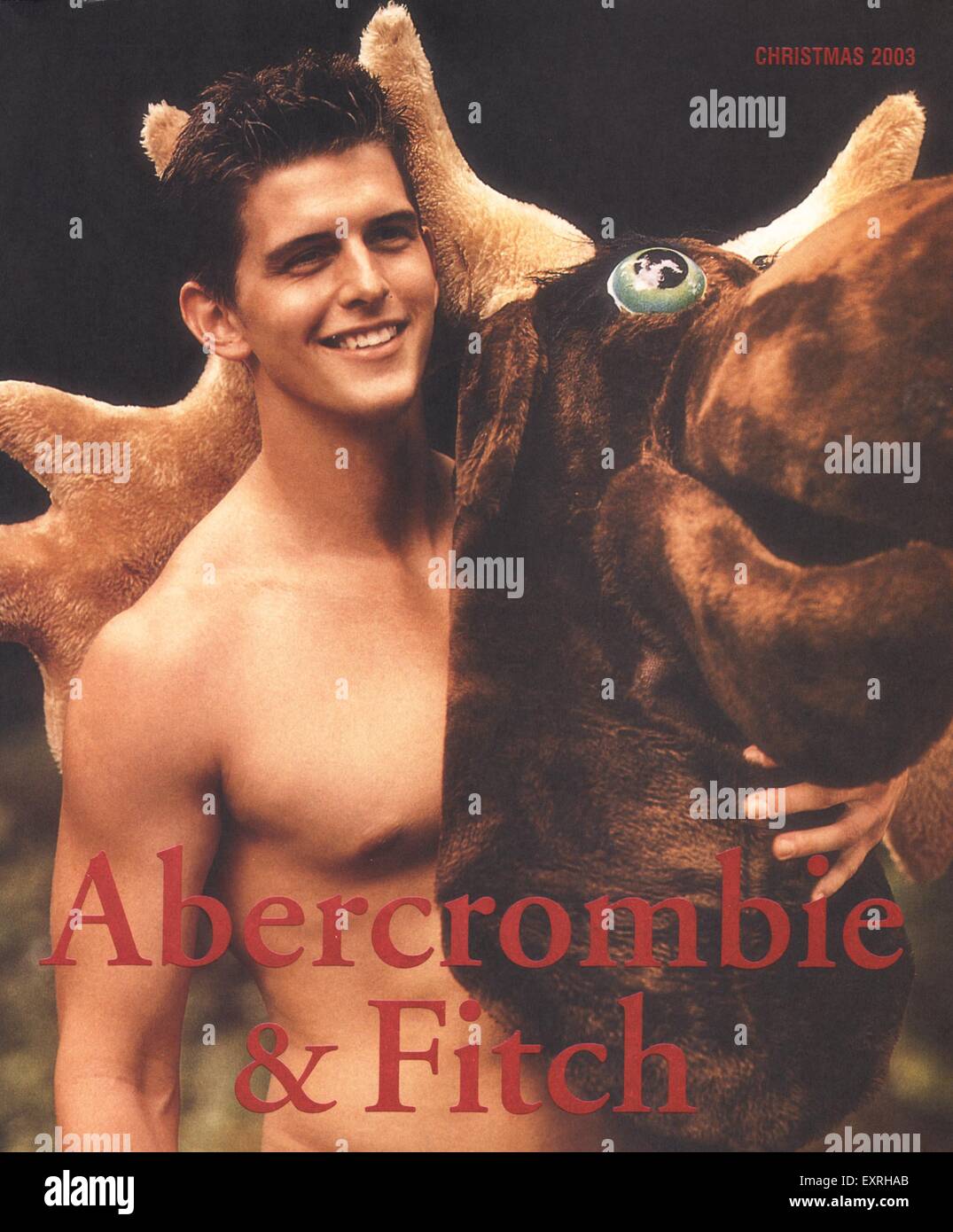
During the 2000s, Abercrombie & Fitch models represented a carefully curated "All-American" aesthetic defined by athletic builds, youthful vitality, and an aspirational collegiate lifestyle. Under the leadership of CEO Mike Jeffries and the lens of photographer Bruce Weber, these models became the faces of a controversial yet highly influential marketing machine that launched the careers of numerous Hollywood A-listers.
The era of Abercrombie & Fitch (A&F) in the 2000s was more than just a retail phenomenon; it was a cultural touchstone that defined the "preppy" aesthetic for a generation. The brand did not merely sell cargo shorts and polo shirts; it sold an idealized, exclusive version of American youth. To understand the significance of A&F models during this period, one must examine the rigorous selection process, the specific visual language of their campaigns, and the long-term impact these individuals had on the entertainment industry.
The Architecture of the 2000s "All-American" Look
The aesthetic of an A&F model in the 2000s was hyper-specific. It was rooted in a concept often referred to by the company as "natural, American, and classic." In practice, this meant models were almost exclusively young, fit, and possessed a "wholesome" yet highly sexualized appearance.
The Selection Criteria and the "Look Policy"
During the Mike Jeffries era, the company maintained a strict "Look Policy." This was not just for the professional models appearing in the A&F Quarterly—the brand’s infamous catalog—but also for the employees working in the stores. In the early 2000s, sales associates were officially titled "Models" or "Impact Team" members.
The criteria for being a model involved:
- Athletic Build: Models were expected to look like varsity athletes. For men, this meant lean muscle and "six-pack" abs; for women, it meant a toned, "girl-next-door" physique.
- Grooming Standards: There were specific rules regarding hair length, facial hair (which was generally discouraged), and even the way clothing was worn (e.g., the "A&F flip" for shirt sleeves).
- Diversity (or Lack Thereof): Historically, the 2000s-era A&F was criticized for a lack of diversity. The "All-American" look was often interpreted through a very narrow, Eurocentric lens, which eventually led to significant legal challenges.
The Role of "Store Models"
A unique aspect of A&F’s marketing was the use of "store models." These individuals were hired primarily for their appearance and were tasked with standing at the front of the store, often shirtless for men, to greet customers. This practice turned the retail space into a live-action version of the catalog, reinforcing the brand's image of exclusivity and physical perfection.
The Influence of Bruce Weber and the A&F Quarterly
The visual identity of A&F in the 2000s was almost entirely the work of photographer Bruce Weber. His style was unmistakable: high-contrast black-and-white photography, often shot outdoors in rustic or collegiate settings.
The A&F Quarterly
The A&F Quarterly was the primary vehicle for these models. Part magazine, part catalog, it was notorious for its provocative content. The Quarterly featured sprawling photo essays of models in various states of undress, engaged in activities like rowing, hiking, or wrestling.
Weber’s photography transformed the models from mere clothing mannequins into symbols of a lifestyle. The images often featured large groups of models, suggesting a sense of community and "belonging" that was central to the brand’s appeal. However, the Quarterly was so controversial due to its "soft-core" nature that it was eventually discontinued in 2003, only to be revived later in different formats.
Cinematic Storytelling
Weber did not just take pictures; he created narratives. The models in the 2000s campaigns were often depicted as part of a wealthy, carefree elite. This storytelling approach made the models icons of the era, and many teenagers of the 2000s plastered their bedroom walls with the black-and-white posters distributed in stores.
Famous Faces: From Catalogs to Superstardom
One of the most remarkable aspects of A&F models in the 2000s is how many of them successfully transitioned into major acting and modeling careers. The brand served as an unofficial talent scout for Hollywood.
Channing Tatum
Perhaps the most famous A&F alum, Channing Tatum appeared in campaigns in the early 2000s. His athletic background and "jock" persona fit the brand perfectly. His work with A&F helped him secure a modeling contract with Ford Models, which eventually led to his breakout role in the 2006 film Step Up.
Jennifer Lawrence
Before she was an Oscar winner, Jennifer Lawrence participated in an A&F shoot. However, in a humorous twist often shared in interviews, her photos were never actually used. Lawrence has joked that while other models were playing football gracefully for the camera, she was "red-faced and sweaty," which didn't fit the polished A&F aesthetic.
Taylor Swift
In 2003, a young Taylor Swift was featured in the "Rising Stars" campaign. While not a traditional "model" for the brand, her inclusion highlighted A&F's ability to identify burgeoning talent early on.
Other Notable Alumni
The list of actors who modeled for A&F in the 2000s is extensive:
- Ashton Kutcher: Modeled for the brand in the late 90s and early 2000s before That '70s Show.
- January Jones: The Mad Men star appeared in several early 2000s campaigns.
- Penn Badgley: Known for Gossip Girl and You, Badgley was an A&F face during his early career.
- Olivia Wilde: Appeared in campaigns before her breakout television roles.
- Jamie Dornan: Before Fifty Shades of Grey, Dornan was a prominent model for A&F, frequently photographed by Bruce Weber.
Controversy and the Legal Fallout of the "Look Policy"
The same factors that made A&F models iconic in the 2000s also led to the brand’s greatest controversies. The pursuit of a "classic" look was often achieved through discriminatory hiring practices.
Gonzalez v. Abercrombie & Fitch
In 2003, a class-action lawsuit (Gonzalez v. Abercrombie & Fitch) was filed against the company. The plaintiffs—a group of African American, Latino, and Asian American applicants—alleged that the company discouraged minority applicants from seeking "front-of-house" model positions and instead steered them toward "back-of-house" roles like stockroom work.
In 2004, A&F settled the lawsuit for $40 million. As part of the settlement, the company was required to appoint a Vice President of Diversity and Inclusion and adhere to a consent decree to ensure more equitable hiring practices. This marked the beginning of the end for the hyper-exclusive "model" era as the primary face of the brand.
The "Exclusionary" Philosophy
Mike Jeffries famously stated in a 2006 interview with Salon that the brand was "exclusionary." He argued that A&F was for "cool, good-looking people" and not for everyone. This philosophy was personified by the models chosen for the campaigns, creating a culture of body-image pressure and social hierarchy that would eventually face a massive backlash in the 2010s.
Comparative Analysis: 2000s Era vs. Modern Brand Identity
By 2026, Abercrombie & Fitch has undergone one of the most successful brand turnarounds in retail history. The models used today reflect a complete 180-degree turn from the 2000s.
| Feature | 2000s A&F Model Standards | 2026 A&F Representative Standards |
|---|---|---|
| Body Type | Exclusively lean, athletic, and muscular. | Size-inclusive; diverse heights and shapes. |
| Diversity | Predominantly Caucasian; "All-American" trope. | Multi-ethnic; inclusive of various backgrounds. |
| Photography | Black & white, high contrast, provocative. | Bright, colorful, lifestyle-focused, and relatable. |
| In-Store Role | Hired as "Models" to be look-based greeters. | Hired as "Brand Ambassadors" for customer service. |
| Marketing Tone | Exclusive, aspirational, and elitist. | Inclusive, approachable, and community-driven. |
| Clothing Focus | Low-rise jeans, logos, and "preppy" basics. | High-quality essentials, "Curve Love" denim, refined style. |
The "Store Model" Experience: A Day in the Life
For those hired as models in the 2000s, the job was less about retail and more about maintaining an image. Employees were often required to purchase and wear the "current" season’s clothes, sometimes at a discount, but the cost often outweighed the modest hourly wage.
The "Models" were expected to represent the brand's energy. This involved specific tasks:
- The Greeting: Models at the door had to provide an enthusiastic welcome, often while wearing heavy amounts of the brand's signature fragrance, Fierce.
- Maintaining the "Look": If a model's appearance changed—such as a new haircut that didn't fit the policy—they could be moved to the stockroom or have their hours reduced.
- Physical Presence: Models were often told to "hang out" or look busy folding clothes in a way that looked effortless. The goal was to make the store feel like a club or a campus lounge rather than a shop.
Why the 2000s A&F Model Aesthetic Eventually Faded
The decline of the 2000s A&F model aesthetic was driven by shifting consumer values. As Millennials and Gen Z began to prioritize authenticity and body positivity, the "exclusive" and "perfectionist" nature of A&F's marketing began to feel dated and offensive.
The "cool kid" archetype that the models represented became a symbol of bullying and elitism rather than something to be admired. By the mid-2010s, sales plummeted, leading to Mike Jeffries' departure in 2014. The brand's subsequent reinvention moved away from the "model" nomenclature entirely, focusing instead on "Brand Ambassadors" who reflected the actual diversity of their customer base.
FAQs About 2000s Abercrombie & Fitch Models
Were A&F store employees actually considered professional models?
No. While they were officially titled "Models" in their job descriptions, they were retail employees. However, the company’s "scouts" would occasionally select store employees to appear in the national A&F Quarterly or other official marketing campaigns, which did lead to professional modeling careers for a lucky few.
What was the "Look Policy" specifically?
The "Look Policy" was a detailed internal document that governed the appearance of store models. It prohibited things like dreadlocks, certain types of jewelry, and excessive makeup. It emphasized a "natural" look, which was used as a justification for excluding individuals who did not fit the brand's narrow aesthetic preferences.
Why was Bruce Weber so important to the A&F model image?
Bruce Weber provided the artistic credibility that allowed A&F to market themselves as more than just a clothing store. His photography elevated the models to the status of icons. Without his specific vision of "American masculinity and femininity," the brand likely would have remained a standard mall retailer rather than a cultural phenomenon.
Is the "Model" title still used in A&F stores in 2026?
No. The company officially retired the "Model" title for store associates years ago as part of its rebranding efforts. Employees are now hired based on customer service skills and represent a wide range of backgrounds and body types, moving away from the "image-first" hiring practices of the early 2000s.
Which celebrities were actually in the A&F catalogs?
In addition to Channing Tatum and Jamie Dornan, celebrities like Jennifer Lawrence (though her photos weren't used), Ashton Kutcher, Taylor Swift, Penn Badgley, January Jones, and Emma Roberts all appeared in A&F marketing materials during the late 90s or 2000s.
Practical Legacy and Next Actions
The era of the 2000s A&F model serves as a case study in the power and peril of lifestyle marketing. While it successfully created one of the most recognizable brand identities in history, its reliance on exclusion led to its eventual downfall.
For those interested in the history of 2000s fashion or the evolution of brand marketing, the following steps are recommended:
- Study the Photography: Look at the works of Bruce Weber to understand how lighting and composition were used to create "aspiration."
- Review Corporate Social Responsibility (CSR): Analyze the 2004 settlement documents to see how legal action can force a total pivot in a company's HR and marketing strategies.
- Observe the Rebrand: Compare the current A&F "Curve Love" campaigns with the 2000s catalogs to see how brands adapt to modern social values like body positivity and inclusivity.
By 2026, the A&F model of the 2000s is viewed as a relic of a different era—a time of "cool kids" and velvet ropes that has since been replaced by a more inclusive and diverse vision of American style.