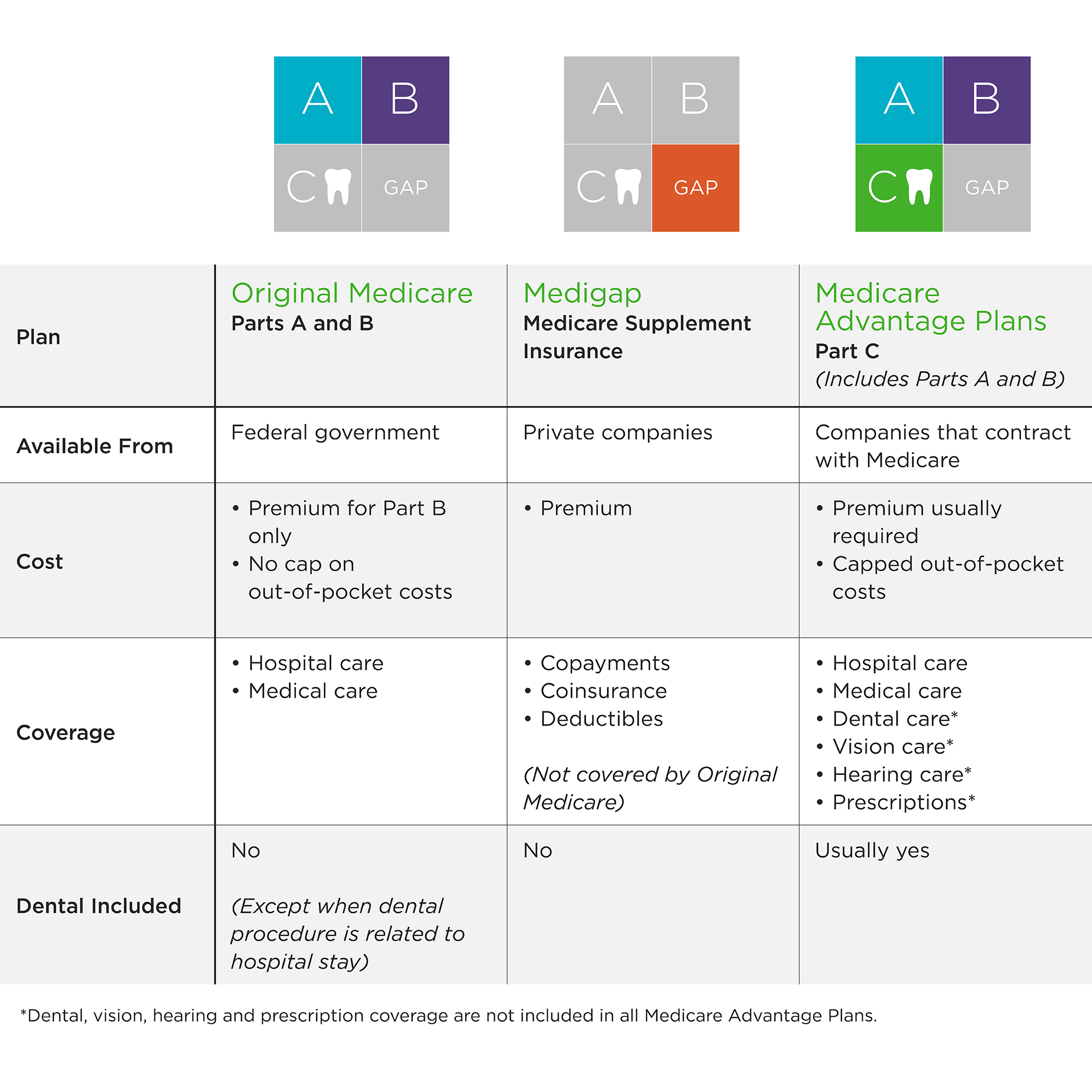
AARP Medicare Supplement Insurance plans, insured by UnitedHealthcare, provide critical financial protection by covering "gaps" in Original Medicare, such as coinsurance, copayments, and deductibles. To be eligible in 2026, you must be enrolled in Medicare Parts A and B, reside in a state where the plan is offered, and maintain an active AARP membership.
Understanding AARP Medicare Supplement Insurance (Medigap)
Medicare Supplement insurance, commonly referred to as Medigap, is private health insurance designed to work alongside Original Medicare (Part A and Part B). While Original Medicare covers a significant portion of healthcare costs, it does not cover everything. Generally, Original Medicare pays about 80% of covered outpatient costs, leaving the beneficiary responsible for the remaining 20%. This "gap" can lead to unpredictable and potentially devastating out-of-pocket expenses for those with chronic conditions or unexpected medical emergencies.
AARP Medicare Supplement Insurance plans are unique because they are the only Medigap plans that carry the AARP name and are specifically endorsed by the organization. However, it is essential to understand the corporate structure: AARP does not insure these plans. Instead, they are underwritten and administered by UnitedHealthcare Insurance Company. This partnership allows AARP members to access a variety of standardized plans with additional member-only benefits, such as dental and vision discounts or gym memberships through programs like Renew Active.
In 2026, these plans remain a cornerstone for retirees who prefer the flexibility of Original Medicare. Unlike Medicare Advantage (Part C) plans, Medigap plans do not use provider networks. If a doctor or hospital accepts Original Medicare—which the vast majority of providers in the United States do—they must accept your AARP Medicare Supplement plan. This portability makes it an ideal choice for "snowbirds" or frequent travelers who need coverage across state lines.
Detailed Coverage Options: Standardized Plans Explained
Medigap plans are standardized by federal law, meaning a "Plan G" offered through AARP/UnitedHealthcare must provide the same core benefits as a "Plan G" from any other insurer. The primary difference between companies lies in the premium costs, customer service, and value-added perks. In most states, there are ten standardized plans, labeled A through N.
Plan G: The Comprehensive Choice
As of 2026, Plan G is widely considered the "gold standard" for new Medicare enrollees. It offers the most comprehensive coverage available for those who were not eligible for Medicare prior to January 1, 2020. Plan G covers 100% of the gaps in Medicare Part A and Part B, with the sole exception of the Medicare Part B annual deductible. Once the Part B deductible is met, the beneficiary has zero out-of-pocket costs for Medicare-covered services for the remainder of the year.
Plan N: The Balanced Value Option
Plan N is an increasingly popular alternative for those who want lower monthly premiums and are willing to pay small copayments for certain services. Plan N covers the Part A deductible and the 20% Part B coinsurance. However, it requires a copayment of up to $20 for some office visits and up to $50 for emergency room visits that do not result in inpatient admission. Critically, Plan N does not cover Part B Excess Charges, which occur if a provider charges more than the Medicare-approved amount.
Plans C and F: Limited Availability
While Plans C and F are the most comprehensive (covering even the Part B deductible), they are only available to individuals who became eligible for Medicare before January 1, 2020. If you are new to Medicare in 2026, you cannot purchase these plans. If you already have one, you are permitted to keep it or switch to another provider's version of the same plan.
High-Deductible Options
For those seeking the lowest possible premiums, AARP often offers high-deductible versions of Plan G. With this option, the beneficiary pays all Medicare-covered costs (coinsurance, copays, and deductibles) out of pocket until a specific deductible amount is reached (set annually by CMS). After the deductible is met, the plan pays 100% of covered benefits.
Eligibility Requirements for 2026 enrollees
To enroll in an AARP Medicare Supplement plan, you must meet several specific criteria. These rules ensure that the insurance pool remains stable and that beneficiaries have the necessary foundational coverage.
- Medicare Part A and Part B: You must be actively enrolled in both hospital insurance (Part A) and medical insurance (Part B). Medigap is a "supplement," so it cannot function without the primary Medicare components.
- AARP Membership: Because these plans are exclusive to AARP, you must be a member of the organization. If you are not a member, you can typically join during the insurance application process.
- Age and Residency: You must generally be 65 years of age or older and reside in the state where the specific plan is offered. Some states require insurers to offer Medigap plans to individuals under 65 who qualify for Medicare due to disability or End-Stage Renal Disease (ESRD), but AARP/UnitedHealthcare's availability for these groups varies significantly by state law.
- Legal Status: You must be a U.S. citizen or a legal resident who has lived in the U.S. for at least five consecutive years.
It is important to note that you cannot have both a Medicare Advantage plan and a Medigap plan at the same time. If you are currently in a Medicare Advantage plan, you must return to Original Medicare before your AARP Medigap coverage can begin.
The Medigap Open Enrollment Period: Timing is Everything
The timing of your application is the most significant factor in determining your eligibility and the cost of your premium. The Medigap Open Enrollment Period is a one-time, six-month window that begins the first day of the month in which you are both 65 or older and enrolled in Medicare Part B.
During this six-month window, you have "Guaranteed Issue" rights. This means:
- UnitedHealthcare cannot deny you coverage based on pre-existing conditions.
- They cannot charge you more than someone in excellent health.
- They cannot make you wait for coverage to start (though a waiting period for pre-existing conditions may apply if you didn't have prior "creditable coverage").
If you apply for an AARP Medigap plan outside of this window, you may be subject to medical underwriting. In this process, you must answer a series of health questions, and the insurer can use your medical history to deny coverage or charge significantly higher premiums. Certain "Guaranteed Issue" rights do exist later in life—for example, if your employer group health plan ends or if your Medicare Advantage plan leaves the market—but these are specific legal exceptions.
Comparing AARP Medigap Plan Benefits (2026)
| Benefit Description | Plan A | Plan G | Plan N | Plan K |
|---|---|---|---|---|
| Medicare Part A Coinsurance & Hospital Costs | 100% | 100% | 100% | 100% |
| Medicare Part B Coinsurance or Copayment | 100% | 100% | 100% (minus copays) | 50% |
| Blood (First 3 Pints) | 100% | 100% | 100% | 50% |
| Part A Hospice Care Coinsurance/Copayment | 100% | 100% | 100% | 50% |
| Skilled Nursing Facility Coinsurance | No | 100% | 100% | 50% |
| Medicare Part A Deductible | No | 100% | 100% | 50% |
| Medicare Part B Deductible | No | No | No | No |
| Medicare Part B Excess Charges | No | 100% | No | No |
| Foreign Travel Emergency (up to plan limits) | No | 80% | 80% | No |
| Out-of-Pocket Limit (2026) | N/A | N/A | N/A | $7,000+ (Est.) |
Note: Plan K and L have annual out-of-pocket limits that protect you from catastrophic costs, but you pay a higher percentage of the costs until that limit is reached.
Factors Influencing Premium Costs
While the benefits of an AARP Plan G are the same across a state, the monthly premium you pay can vary based on several technical factors. UnitedHealthcare generally uses one of three rating systems, depending on state regulations:
- Community-Rated: Everyone in the same geographic area pays the same premium, regardless of age. Premiums may go up due to inflation but not because you are getting older.
- Issue-Age-Rated: The premium is based on the age you were when you first purchased the policy. The younger you are when you buy, the lower the starting premium.
- Attained-Age-Rated: The premium starts low but increases automatically as you age. This can become very expensive for beneficiaries in their 80s or 90s.
AARP/UnitedHealthcare often provides a Level 2 enrollment discount for those who enroll early, which gradually phases out over several years. Additionally, many states allow for a household discount (often 5% to 10%) if two residents in the same household are both enrolled in AARP Medicare Supplement plans.
What AARP Medicare Gap Insurance Does Not Cover
It is a common misconception that Medigap is "all-inclusive" health insurance. Because it is designed to supplement Original Medicare, it generally only covers services that Medicare itself deems "medically necessary." In 2026, enrollees should be aware that the following are typically not covered by AARP Medigap plans:
- Prescription Drugs: Medigap plans sold after 2006 do not include retail prescription drug coverage. You must enroll in a standalone Medicare Part D plan to cover medications.
- Long-Term Care: This includes non-skilled "custodial care" in a nursing home or assistance with activities of daily living (bathing, dressing).
- Routine Vision, Dental, and Hearing: While AARP plans may offer discounts on these services through the membership, the insurance policy itself does not pay for routine exams, eyeglasses, or hearing aids.
- Private-Duty Nursing: 24-hour care in your home is generally excluded.
Common Pitfalls and Troubleshooting
Navigating the transition to a Medigap plan can be complex. One of the most common mistakes is missing the Initial Enrollment Period. Many people assume they can "wait and see" if they get sick before buying a supplement. By that time, medical underwriting may make the plan unaffordable or unavailable.
Another issue involves Part B Excess Charges. If you live in a state that allows providers to charge more than the Medicare-approved amount (states like Connecticut, Massachusetts, Minnesota, New York, Ohio, Pennsylvania, Rhode Island, and Vermont generally prohibit this), you should prioritize a plan that covers these charges, like Plan G. If you choose Plan N and your doctor charges "excess," you will be billed for that amount directly.
Verification of coverage is also vital. Always ensure your provider accepts "Medicare Assignment." If a provider has "opted out" of Medicare entirely, neither Medicare nor your AARP Supplement plan will pay for the service, and you will be responsible for the full bill.
Frequently Asked Questions
Can I keep my current doctor with an AARP Medigap plan?
Yes, as long as your doctor accepts Original Medicare. Medigap plans do not have restricted networks of doctors or hospitals. Unlike HMO or PPO plans, you do not need a referral to see a specialist, and your coverage remains consistent across all 50 states.
Is AARP Medicare Supplement the same as Medicare Advantage?
No. Medicare Advantage (Part C) is an "all-in-one" alternative to Original Medicare, often including drug coverage and extra perks but requiring you to use a network of providers. AARP Medicare Supplement (Medigap) works with Original Medicare to pay for out-of-pocket costs and offers more freedom in choosing healthcare providers.
How do I apply for an AARP Medicare Supplement plan?
You can apply online through the AARP/UnitedHealthcare website, over the phone, or through a licensed insurance agent. You will need your Medicare card (to provide your Medicare Number and Part A/B start dates) and your AARP membership number.
Does the premium increase every year?
Generally, yes. While the AARP/UnitedHealthcare partnership offers competitive rates, premiums usually increase annually due to rising healthcare costs and inflation. If your plan is "attained-age-rated," your premium will also increase specifically because you have moved into a new age bracket.
What if I want to switch from a Medicare Advantage plan to an AARP Medigap plan?
You can typically only do this during the Annual Enrollment Period (October 15 – December 7) or the Medicare Advantage Open Enrollment Period (January 1 – March 31). However, unless you have a "Guaranteed Issue" right, you will likely have to pass medical underwriting to qualify for the AARP Medigap plan.
Recommendation for Next Actions
If you are approaching age 65 or planning to retire in 2026, your first step should be to confirm your Medicare Part A and Part B enrollment dates. Once you have these, visit the official AARP/UnitedHealthcare portal to request a personalized quote for Plans G and N in your specific zip code.
Compare these quotes against your current healthcare usage. If you prefer fixed costs and zero copays, Plan G is the recommended choice. If you are looking to save on monthly premiums and don't mind occasional small copayments, Plan N may be more cost-effective. Always aim to submit your application during your six-month Open Enrollment Period to ensure you are not denied coverage for health reasons. For personalized assistance, contact a State Health Insurance Assistance Program (SHIP) counselor for unbiased guidance on local plan availability.