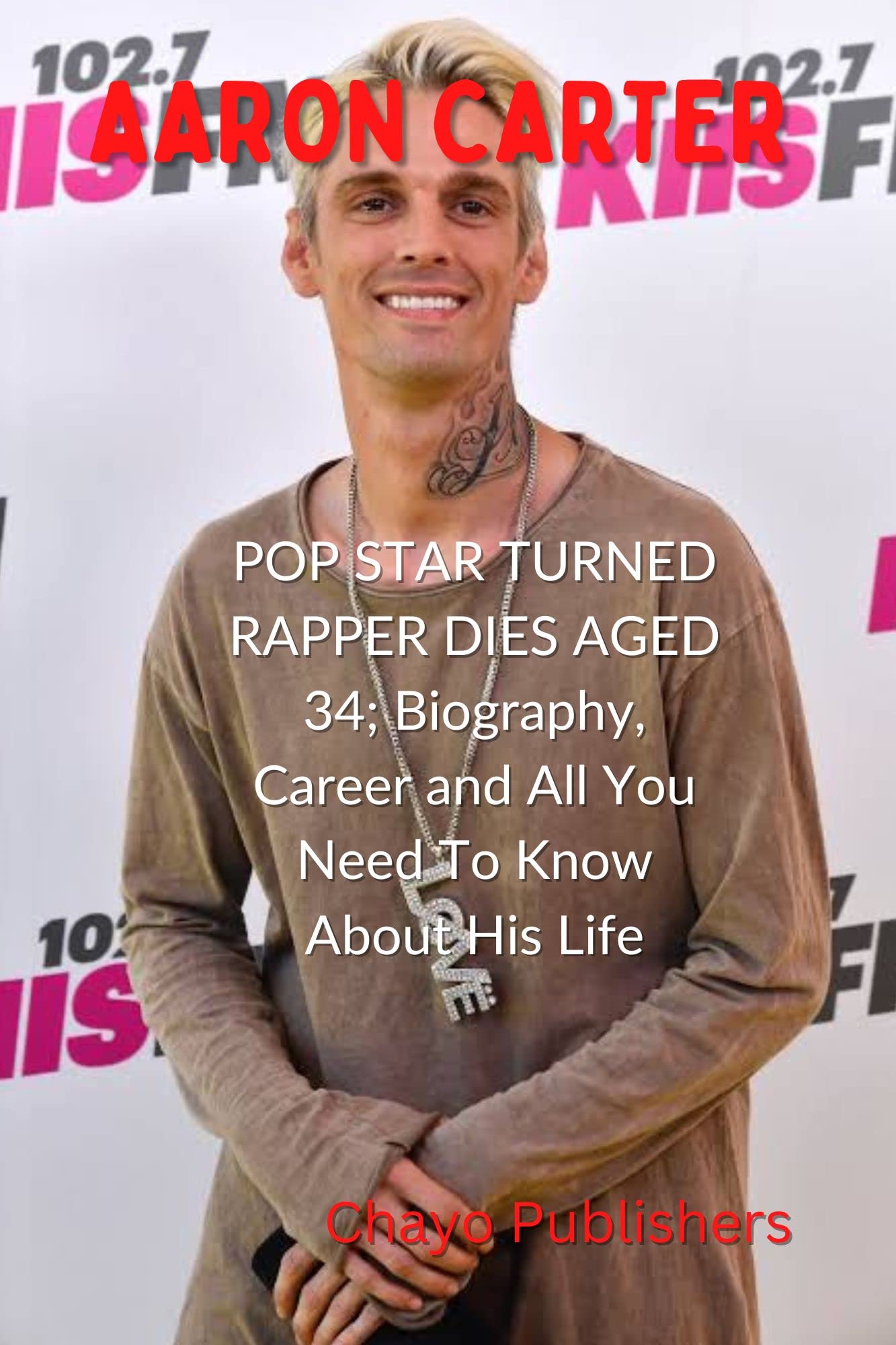
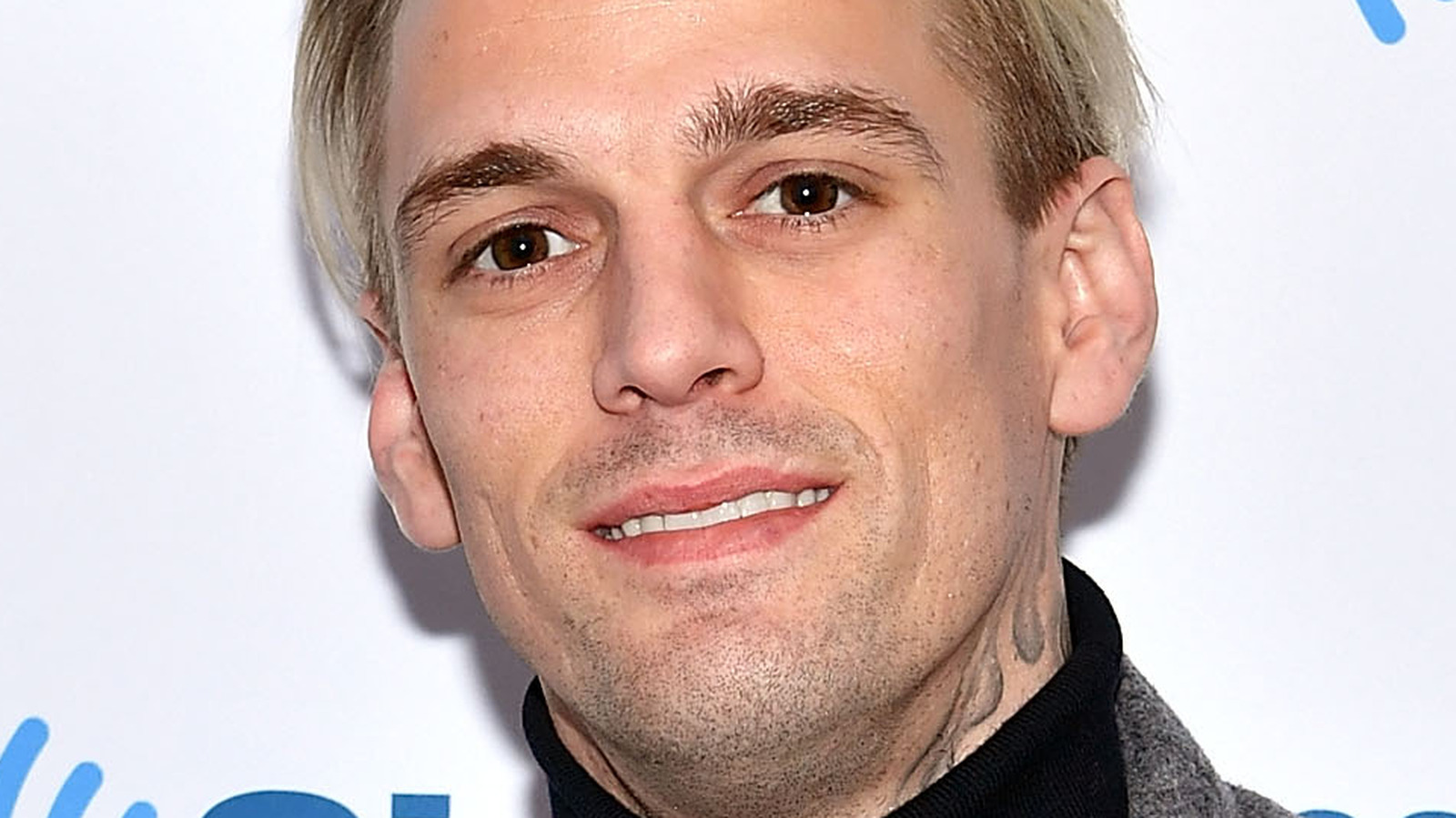
Aaron Carter’s trajectory from a bubblegum pop phenomenon in the late 1990s to a headline-making adult navigating severe personal and financial struggles remains one of the most visible cautionary tales of early childhood stardom. Rising to fame alongside his older brother, Nick Carter of the Backstreet Boys, Aaron captured the hearts of millions of preteens with high-energy dance tracks, platinum-selling albums, and an omnipresent Nickelodeon presence. Yet, beneath the commercial success lay a complex web of familial estrangement, legal battles, public mental health crises, and substance abuse struggles that shadowed his later years. Examining his career requires a careful look at the mechanics of child celebrity, the pressures of the modern music industry, and the ultimate tragedy of his untimely passing in November 2022.
The Rise of a Child Star: The Late 1990s Phenomenon
The late twentieth century was a golden era for teen pop, and Aaron Carter entered the arena at just nine years of age. His self-titled debut studio album, released in 1997, achieved massive international success, eventually earning gold and platinum certifications in several countries. Supported by energetic singles like "Crush on You" and charismatic music videos that heavily saturated cable television networks like MTV and Disney Channel, young Carter quickly established himself as a bona fide solo act rather than merely an extension of his brother's famous boy band.
Building upon this initial momentum, his second studio album, Aaron’s Party (Come Get It), released in 2000, catapulted him into global superstardom. The album sold more than three million copies in the United States alone and yielded hit singles such as "I Want Candy," "Aaron's Party (Come Get It)," and "That's How I Beat Shaq." This era solidified his brand as the quintessential kid-next-door pop idol, landing him guest starring roles on popular television shows, merchandise licensing deals, and major concert tours that grossed millions of dollars.
| Album Title | Release Year | Notable Milestones / Hit Singles |
|---|---|---|
| Aaron Carter | 1997 | "Crush on You", Platinum in Norway |
| Aaron's Party | 2000 | 3x Platinum, "I Want Candy" |
| Oh Aaron | 2001 | Certified Platinum, Duets with Nick |
| Another Earthquake | 2002 | Transition to rock-leaning pop tracks |
Transitioning Out of Adolescence and Industry Challenges
As the early 2000s progressed, Carter faced the formidable challenge shared by many child stars: transitioning from a preteen sensation to a mature recording artist. His subsequent albums, Oh Aaron (2001) and Another Earthquake (2002), still performed respectably, but the market was rapidly shifting toward other musical landscapes. The bubblegum pop boom of the turn of the millennium was giving way to garage rock, post-grunge, and more mature R&B, leaving fewer commercial slots available for traditional teen idols.
Furthermore, managing the multi-million-dollar earnings accumulated during his youth became a source of significant legal and financial friction. Reports surfaced regarding complex disputes with former management, tax obligations, and family disagreements over financial oversight. These early professional hurdles laid the groundwork for a prolonged period away from mainstream recording studios, during which Carter sought to reinvent himself on stage and in independent film and theatrical projects, including a notable run on Broadway in the musical Seussical in 2005.
Public Personal Struggles and Legal Battles
By the 2010s, Aaron Carter’s public persona had shifted drastically from the cheerful adolescent icon of his early records to a figure frequently scrutinized by tabloid journalism. His personal life became characterized by public legal troubles, arrests related to substance possession, and highly publicized feuds with members of his immediate family. These challenges were compounded by outspoken revelations regarding his mental health, including diagnoses of multiple personality disorder, schizophrenia, acute anxiety, and manic depression, which he discussed openly on various television talk shows and in print interviews.
Substance abuse issues proved to be a persistent and dangerous obstacle throughout his adult life. Despite multiple stints in rehabilitation centers and attempts at recovery, his physical appearance and erratic behavior often fueled intense media speculation and concern from longtime fans. His relationship with his family experienced deep fractures, culminating in public restraining orders and bitter social media exchanges involving his siblings, Nick and Angel Carter, highlighting the severe emotional toll that early fame and familial friction had inflicted upon them all.
Musical Resurgence and Independent Artistic Ventures
Despite these compounding personal difficulties, Carter consistently returned to music, seeking solace and professional redemption in the studio. In 2018, he released LØVË, his first studio album in 16 years. The project represented a stark departure from his early bubblegum pop roots, embracing contemporary electronic dance music, trap-influenced beats, and mature lyrical themes that addressed his past controversies, romances, and personal growth.
Operating largely as an independent artist during this phase, Carter financed his own recordings, utilized digital distribution platforms directly, and maintained an active connection with his remaining fanbase through social media live streams and independent concert tours. While these later releases did not achieve the commercial ubiquity of his childhood albums, they demonstrated a persistent creative drive and a desire to reclaim agency over his artistic output despite ongoing personal instability.
Legacy and the Conversation Surrounding Child Stardom
Aaron Carter passed away on November 5, 2022, at the age of 34 at his home in Lancaster, California. Toxicology reports and official investigations confirmed that his passing was accidental, stemming from the effects of compressed gas and alprazolam. His sudden death sent shockwaves through the entertainment industry, prompting widespread tributes from former collaborators, childhood peers, and fans who had grown up alongside his music.
Beyond the nostalgic remembrance of his upbeat 2000s pop anthems, Carter's life story has sparked broader conversations regarding the welfare of child performers. Industry analysts, psychologists, and legal advocates frequently cite his career as a poignant example of the urgent need for robust labor protections, mental health resources, and financial safeguards for minors working in high-pressure entertainment environments. His legacy remains a complex duality: he is remembered both as a pioneering teen idol of the digital age's cusp and as a tragic figure overwhelmed by the relentless glare of the spotlight.
Frequently Asked Questions
What were Aaron Carter's biggest musical hits?
Aaron Carter's most commercially successful singles include "I Want Candy," "Aaron's Party (Come Get It)," "That's How I Beat Shaq," and "Crush on You." These tracks defined the teen pop landscape of the late 1990s and early 2000s and propelled his albums to multi-platinum status.
Why did Aaron Carter step away from mainstream music in the 2000s?
As he transitioned out of adolescence, the teen pop market shifted significantly. Combined with legal battles over finances, management disputes, and growing personal and mental health struggles, his momentum in the mainstream recording industry slowed considerably until his independent music comeback in the late 2010s.
What health and personal struggles did Aaron Carter face?
In interviews and television appearances, Carter openly discussed battling substance abuse, financial hardship, and severe mental health challenges, including diagnoses of schizophrenia, acute anxiety, manic depression, and multiple personality disorder.
Did Aaron Carter have a relationship with Nick Carter?
Aaron was the younger brother of Nick Carter, a member of the Backstreet Boys. While they collaborated musically early in their careers and shared the spotlight of child stardom, their adult relationship was marked by intense public estrangement, feuds, and legal restraining orders.
What is Aaron Carter's enduring cultural legacy?
Beyond his contribution to turn-of-the-millennium teen pop, Carter's career is frequently examined in discussions about the psychological perils of child stardom, highlighting the necessity for better legal protections and mental health support for minors in the entertainment industry.
Next Steps and Further Exploration
For readers seeking a deeper understanding of the era, exploring contemporary documentaries, biographies of late-90s pop phenomena, and advocacy groups dedicated to child performers can provide valuable context. Recognizing the systemic pressures faced by young artists remains a crucial step in preventing similar tragedies in the modern entertainment landscape.