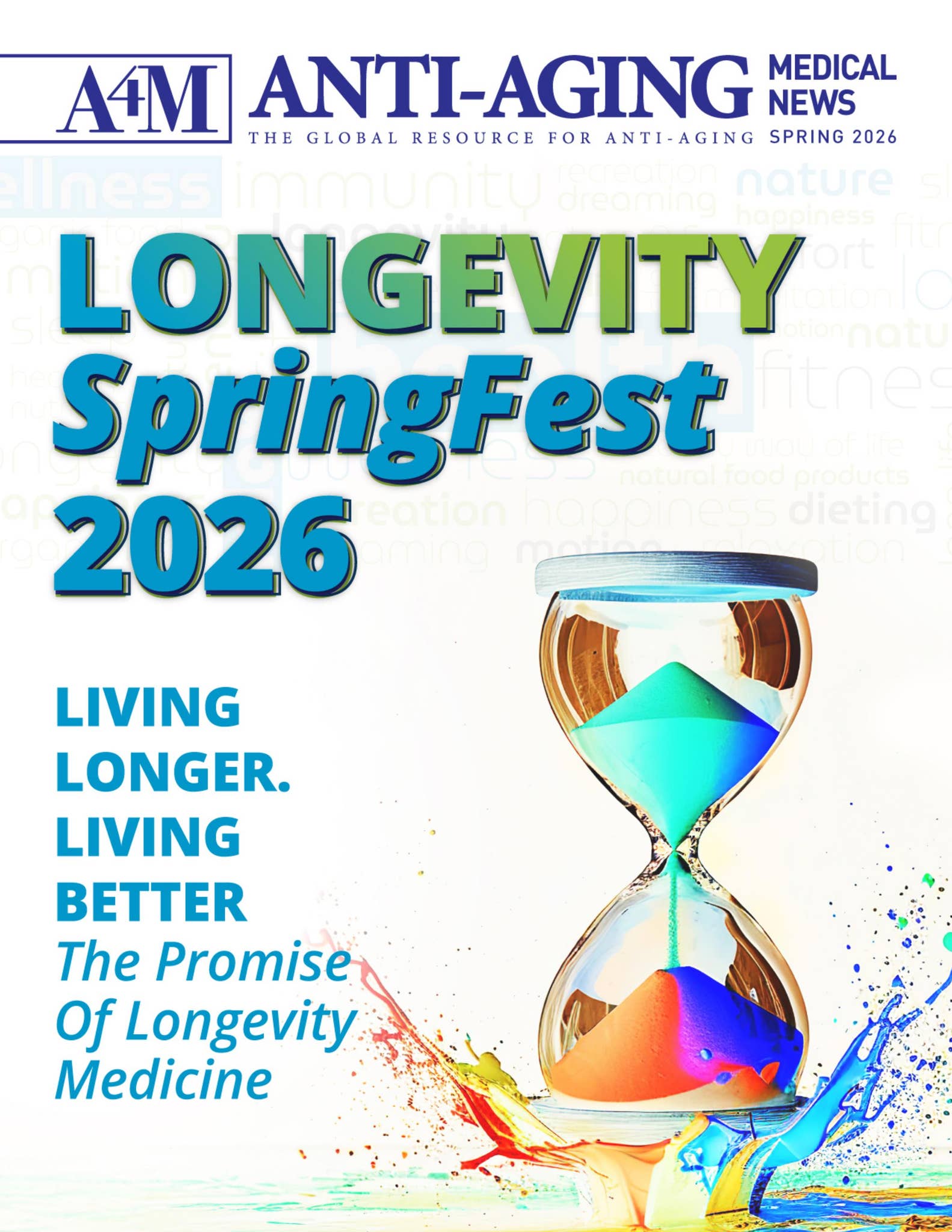
The American Academy of Anti-Aging Medicine (A4M) Spring 2026 conference represents a premier convergence of clinicians, researchers, and healthcare professionals dedicated to exploring cutting-edge developments in longevity, metabolic optimization, and regenerative medicine. This overview examines the core educational themes, clinical applications, technological innovations, and professional requirements defining the Spring 2026 gathering.
Understanding the Scope and Mission of A4M
The American Academy of Anti-Aging Medicine has long functioned as an educational cornerstone for practitioners seeking to move beyond conventional disease management and embrace a proactive, systems-biology approach to human health. The organization's events are designed to bridge the gap between laboratory-based longevity research and clinical practice, ensuring that licensed physicians, nurse practitioners, chiropractors, and allied health professionals can safely implement advanced therapies into their practices.
The Spring 2026 iteration builds upon decades of evolving clinical frameworks. Rather than focusing merely on lifespan extension—the sheer quantity of years lived—the primary philosophical and clinical focus centers on healthspan: the preservation of cognitive function, physical resilience, metabolic health, and hormonal balance throughout advanced age. By examining the hallmarks of aging at a cellular and molecular level, the academic programming empowers clinicians to identify subclinical dysfunctions long before they manifest as chronic, degenerative pathologies.
For practitioners attending or following the A4M Spring 2026 updates, the curriculum addresses an expanding body of peer-reviewed data. It integrates fields as diverse as endocrinology, immunology, gastroenterology, and precision genomics. The objective is to provide a comprehensive, multi-modal toolkit that addresses the root causes of age-related decline rather than merely palliating symptoms.
Core Clinical Themes and Scientific Focus Areas
The academic tracks at A4M Spring 2026 are organized around several interconnected scientific pillars. Each pillar addresses a specific mechanism of biological aging or a distinct therapeutic modality designed to restore physiological homeostasis.
1. Cellular Senescence and Senolytics
Cellular senescence—a state of stable cell cycle arrest coupled with the secretion of a toxic inflammatory cocktail known as the senescence-associated secretory phenotype (SASP)—remains a primary driver of tissue aging. Presentations at the Spring 2026 conference place significant emphasis on identifying senescent cells in clinical practice and deploying targeted senolytic interventions. Discussions cover both pharmacological agents, such as dasatinib and quercetin combinations, and natural polyphenols like fisetin, alongside emerging peptide therapies designed to clear senescent burdens and rejuvenate aged tissues.
2. Mitochondrial Optimization and Bioenergetics
As mitochondrial efficiency declines with age, cellular energy production plummets while reactive oxygen species generation increases, accelerating oxidative damage. A4M Spring 2026 sessions provide deep dives into mitochondrial biogenesis, mitophagy (the selective degradation of damaged mitochondria), and NAD+ replenishment strategies. Clinicians examine the comparative efficacy of various NAD+ precursors, including nicotinamide mononucleotide (NMN) and nicotinamide riboside (NR), alongside hyperbaric oxygen therapy and targeted micronutrient protocols designed to restore cellular bioenergetics.
3. Precision Endocrinology and Bioidentical Hormone Replacement Therapy (BHRT)
Hormonal dysregulation is an inevitable facet of the aging process, affecting thyroid, adrenal, and gonadal axes. The Spring 2026 curriculum updates best practices in bioidentical hormone replacement therapy, emphasizing individual pharmacokinetic monitoring, safety profiles, and tissue-specific receptor optimization. Sessions evaluate the interplay between insulin resistance and sex hormone-binding globulin (SHBG), detailing how restoring physiological hormone levels improves body composition, cognitive acuity, and cardiovascular resilience.
Technological Innovations and Diagnostic Advancements
Modern longevity medicine relies heavily on objective biomarkers and advanced diagnostics to quantify biological age and track therapeutic efficacy. The exhibition hall and technical workshops at A4M Spring 2026 showcase several key technological advancements.
| Diagnostic Category | Primary Technology / Biomarker | Clinical Utility in Longevity Practice |
|---|---|---|
| Epigenetic Aging | DNA Methylation Clocks (e.g., Horvath, DunedinPACE) | Quantifies biological age versus chronological age; tracks the efficacy of lifestyle, nutritional, and pharmacological interventions. |
| Metabolomics | Comprehensive Blood and Urine Metabolite Panels | Identifies metabolic bottlenecks, amino acid imbalances, and pathway dysregulations before overt disease manifests. |
| Advanced Body Composition | Dual-Energy X-ray Absorptiometry (DEXA) & Ultrasound | Evaluates visceral adipose tissue, appendicular skeletal muscle mass, and bone mineral density with high precision. |
| Cardiovascular Risk | Endothelial Function Testing & CIMT | Measures arterial stiffness and carotid intima-media thickness to assess subclinical atherosclerosis risk. |
These diagnostic tools allow practitioners to move away from population-based averages and toward personalized, data-driven medicine. By establishing a baseline biological age and monitoring specific metabolic axes, clinicians can tailor interventions with unprecedented precision.
Practical Implementation and Clinical Governance
Integrating advanced longevity protocols into an established medical practice requires careful navigation of regulatory, legal, and operational considerations. A4M Spring 2026 dedicates substantial programming to practice management and clinical governance.
Navigating Regulatory Frameworks
As the regulatory landscape surrounding peptide therapies, compounded pharmaceuticals, and regenerative biologics continues to evolve, practitioners must remain vigilant. Sessions led by legal and regulatory experts outline compliance strategies, informed consent protocols, and documentation standards necessary to practice safely within state and federal guidelines. This includes updates on FDA compounding regulations and the classification of various research peptides.
Interprofessional Collaboration and Team-Based Care
The complexity of modern anti-aging medicine necessitates a multidisciplinary team. Lectures emphasize the role of registered dietheticians, health coaches, phlebotomists, and patient coordinators in delivering a seamless patient experience. Establishing standardized operating procedures for patient intake, biomarker tracking, and follow-up consultations ensures clinical safety and enhances long-term patient adherence.
Comparative Overview of Therapeutic Modalities
To contextualize the vast array of interventions discussed at A4M Spring 2026, the following matrix compares four primary longevity modalities across key operational parameters.
| Modality | Primary Mechanism | Target Biomarkers | Operational Considerations |
|---|---|---|---|
| Senolytics | Clearance of senescent cells | Inflammatory cytokines (IL-6, TNF-alpha), biological age clocks | Requires periodic pulsing protocols; monitoring for potential off-target cytotoxicity. |
| BHRT | Receptor binding and genomic transcription | Serum/saliva free/total hormones, lipid panels, complete blood count | Requires ongoing monitoring; patient-specific dosing based on symptom relief and lab feedback. |
| Mitochondrial Support | Enhancement of electron transport chain and biogenesis | Lactate/pyruvate ratios, organic acids, NAD+ levels | Integration of lifestyle foundations (zone 2 cardio) alongside nutritional supplements. |
| Peptide Therapeutics | Signal transduction and cellular repair | Growth hormone markers (IGF-1), inflammatory markers | Compliance with evolving regulatory statuses and compounding pharmacy standards. |
Frequently Asked Questions
Who is the target audience for the A4M Spring conference?
The event is primarily designed for licensed medical professionals, including physicians (MD/DO), nurse practitioners, physician assistants, chiropractors, naturopathic doctors, and clinical researchers. It also attracts healthcare entrepreneurs and practice managers interested in integrating longevity medicine into their business models.
How do attendees earn continuing medical education (CME) credits?
Attendees participate in accredited lectures and workshops throughout the conference. By scanning badges or completing session evaluations via the conference application, verified healthcare professionals can claim AMA PRA Category 1 Credits™ corresponding to their hours of participation.
Are the presentations available for remote viewing?
While A4M primarily emphasizes the in-person networking and hands-on workshop experience, digital access packages and virtual streaming options are frequently made available for registrants who cannot travel to the live venue. Specific availability varies by year and registration tier.
What distinguishes A4M events from conventional medical conferences?
Conventional medical conferences typically focus on treating established, late-stage pathologies within specific organ systems. In contrast, A4M focuses on root-cause resolution, preventative endocrinology, early detection of biological decline, and multi-system optimization to extend healthspan.
How can clinicians verify the scientific validity of presented therapies?
The academy emphasizes evidence-based clinical translation. Presentations are expected to be supported by peer-reviewed literature, biochemical rationale, and clinical case studies. Practitioners are encouraged to critically appraise data presented in lectures and cross-reference findings with current literature databases.
Next Actions and Professional Recommendations
For healthcare professionals preparing to integrate insights from A4M Spring 2026 into their clinical practices, a structured approach is essential. Begin by auditing current diagnostic workflows to determine if your practice utilizes advanced metrics such as biological aging clocks and comprehensive metabolic profiling. Next, prioritize continuing education by reviewing specific session recordings or workshop transcripts in areas where your clinical team requires deeper proficiency, such as peptide governance or advanced endocrinology. Finally, establish clear interprofessional referral networks for modalities outside your immediate scope of practice, ensuring your patients receive comprehensive, multi-disciplinary longevity care.