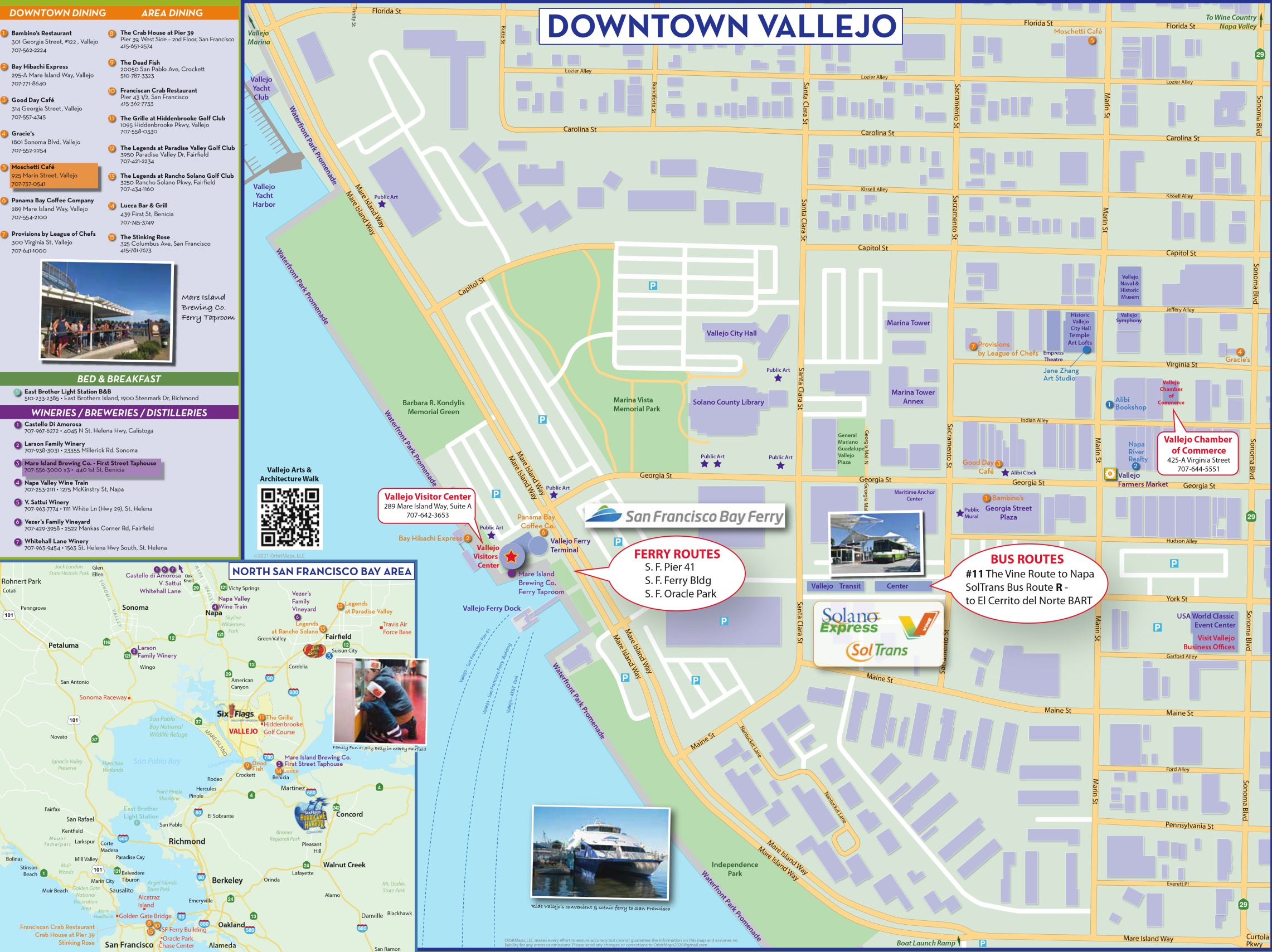
Vallejo offers a diverse array of activities ranging from high-octane thrills at Six Flags Discovery Kingdom to deep historical exploration at the Mare Island Naval Shipyard. Visitors can enjoy scenic ferry rides across the San Francisco Bay, vibrant local arts in the historic downtown district, and serene nature trails at Blue Rock Springs Park, making it a versatile destination for families and history enthusiasts alike.
Located on the northeastern shore of San Pablo Bay, Vallejo serves as a critical junction between San Francisco, Oakland, and the Napa Valley. As of 2026, the city continues to evolve from its industrial roots into a cultural and recreational hub. Whether you are a local resident looking for a weekend outing or a traveler using Vallejo as a base for Northern California exploration, this guide provides an in-depth look at the seven most impactful experiences the city has to offer.
1. Six Flags Discovery Kingdom: Wildlife and Adrenaline
Six Flags Discovery Kingdom remains Vallejo’s most prominent attraction, unique for its "hybrid" approach that combines a traditional amusement park with an oceanarium and a zoo. Spanning 135 acres, the park is divided into themed areas that cater to different age groups and interest levels.
The Thrill Seekers' Paradise
For those seeking adrenaline, the park features world-class roller coasters. As of 2026, stalwarts like The Joker, a wood-steel hybrid coaster, continue to draw crowds for its smooth yet chaotic inversions. Medusa remains a fan favorite as one of the tallest and longest floorless coasters in the world, offering a sensory experience that emphasizes speed and G-force.
Wildlife and Educational Exhibits
What sets Discovery Kingdom apart from other Six Flags locations is the integration of animal habitats. The park hosts a variety of marine life, including bottlenose dolphins and California sea lions. The "Seal Cove" and "Dolphin Discovery" programs allow for educational interactions where staff explain conservation efforts and animal behavior. On the land side, the "Tava’s Jungleland" and "Cobra" sections feature giraffes, tigers, and exotic birds.
Strategic Planning for 2026
To maximize a visit in 2026, visitors should utilize the The Flash Pass system to bypass long queues, especially during the peak summer months. It is also advisable to download the official mobile app for real-time ride wait times and show schedules. For families with small children, the "Looney Tunes Seaport" offers scaled-down rides that provide excitement without the intensity of the major coasters.
2. Explore the History of Mare Island Naval Shipyard
Mare Island is not just a neighborhood; it is a National Historic Landmark District. Established in 1854 as the first U.S. naval station on the Pacific Coast, the island played a pivotal role in every American conflict from the Civil War through the Cold War.
St. Peter’s Chapel
One of the most significant sites on the island is St. Peter’s Chapel, built in 1901. It is world-renowned for its collection of Tiffany stained-glass windows. Of the 29 windows in the chapel, 25 are authentic Louis Comfort Tiffany designs, making it one of the largest collections of his work in a single location. Guided tours often highlight the intricate craftsmanship and the memorial tributes to naval officers.
The Mare Island Museum and Shipyard Tours
The Mare Island Museum, housed in the shipyard's oldest building (Building 46), provides an exhaustive look at submarine construction and naval engineering. Visitors can view artifacts ranging from decommissioned periscopes to massive shipyard tools used in the early 20th century. Outside the museum, the "Spirit of the Shipyard" is palpable in the rows of historic brick warehouses and the massive dry docks that once serviced the Pacific Fleet.
Modern Revitalization: The Coal Sheds
By 2026, the revitalization of the "Coal Sheds" along the waterfront has turned Mare Island into a social hub. These historic structures now house craft breweries like Mare Island Brewing Co. and local artisan studios. This blend of industrial preservation and modern hospitality makes it a prime location for a late afternoon walk and dinner.
3. Take the Vallejo Ferry to San Francisco
While many view the ferry primarily as a commuter tool, the San Francisco Bay Ferry from Vallejo to the San Francisco Ferry Building is widely considered one of the most beautiful boat rides in the United States.
The Journey Experience
The 60-minute journey covers approximately 25 miles of waterways. Passengers depart from the Vallejo Waterfront and pass under the Carquinez Bridge, navigate through the San Pablo Bay, and enter the heart of the San Francisco Bay. The route offers unobstructed views of:
- The Richmond-San Rafael Bridge.
- Alcatraz Island.
- The Golden Gate Bridge (in the distance).
- The San Francisco city skyline.
Onboard Amenities and Logistics
The ferries are equipped with comfortable indoor seating, outdoor decks for photography, and a snack bar serving local refreshments. In 2026, the service remains integrated with the Clipper Card system, making payment seamless for those transferring to BART or Muni in San Francisco. For tourists, taking the morning ferry to San Francisco for a day of sightseeing and returning to Vallejo at sunset provides a relaxing alternative to navigating Bay Area traffic.
4. The Vallejo Naval and Historical Museum
Located in the historic Old City Hall building downtown, the Vallejo Naval and Historical Museum offers five galleries dedicated to the heritage of the city and its surrounding regions.
Exhibits and Collections
The museum does an excellent job of connecting the city's identity to its naval roots while also exploring the indigenous history of the Patwin people and the era of California’s transition from Mexico to the United States. A highlight is the working submarine periscope that extends through the roof, allowing visitors to view the city and the waterfront from a unique perspective.
Community Events and Research
Beyond static displays, the museum serves as a community center, hosting lectures, concerts, and temporary art exhibitions. It also houses a research library that is invaluable for genealogists or those researching naval history. The architecture of the building itself, with its grand staircase and classical facades, is a testament to Vallejo’s early 20th-century civic pride.
5. Downtown Vallejo Arts and Entertainment District
The downtown area, specifically the blocks surrounding Georgia Street, has undergone a significant cultural resurgence. This district is the heart of the city’s creative community.
The Empress Theatre
The Empress Theatre, a beautifully restored 1911 vaudeville house, is the centerpiece of the local arts scene. In 2026, it continues to host a variety of live performances, including jazz concerts, independent film screenings, and theatrical productions. The interior’s ornate plasterwork and excellent acoustics provide an intimate setting for live entertainment.
The Saturday Farmers Market
Every Saturday morning, the intersection of Georgia and Marin Streets transforms into a bustling farmers market. This is a local favorite for sourcing fresh produce from the nearby Central Valley and artisan goods from North Bay creators. It is an excellent place to experience the city's diversity and sample local food trucks.
Second Friday Art Walk
If your visit coincides with the second Friday of the month, the Art Walk is a must. Local galleries, studios, and businesses open their doors to the public, often featuring live music and street performers. It is a grassroots way to see the work of Vallejo’s painters, sculptors, and digital artists.
6. Blue Rock Springs Park
For those looking to escape the urban environment, Blue Rock Springs Park provides a tranquil setting for outdoor recreation. This 122-acre park is steeped in local history, once serving as a popular destination for its mineral springs in the late 1800s.
Recreational Features
The park is well-equipped for family outings, featuring:
- Picnic Areas: Numerous shaded tables and barbecue pits.
- Hiking Trails: Trails that lead to the ridge of the hills, offering panoramic views of the city and the bay.
- Wildlife: The park is famous for its resident peacocks, which roam freely and add a unique aesthetic to the landscape.
- Children’s Playgrounds: Modern equipment designed for various age groups.
History of the Springs
While the original resort structures are gone, the "blue rock" for which the park is named is still visible near the main spring area. The park provides a quiet atmosphere for birdwatching or a light morning hike before the midday heat.
7. Benicia State Recreation Area
Located on the border of Vallejo and Benicia, this state park covers over 400 acres of marsh, grassy hillsides, and rocky beaches along the Carquinez Strait.
Hiking and Cycling
The park features a 2.5-mile segment of the San Francisco Bay Trail. This paved path is ideal for cyclists, runners, and walkers. The terrain is mostly flat, making it accessible for all fitness levels. The trail provides excellent vantage points for watching large cargo ships and tankers navigate the narrow strait.
Forrest Deaner Native Plant Garden
A highlight within the recreation area is the Forrest Deaner Native Plant Garden. Maintained by volunteers, this garden showcases the diverse flora of the California coastline. It serves as an educational resource for sustainable landscaping and provides a habitat for local butterflies and birds.
Birdwatching at Southampton Bay
The marshy areas of Southampton Bay are a prime location for birdwatching. Depending on the season, visitors can spot herons, egrets, and various migratory waterfowl. The park’s commitment to preserving the salt marsh ecosystem makes it a critical environmental site in Solano County.
Activity Comparison and Planning Table
| Activity | Primary Appeal | Estimated Duration | Recommended For |
|---|---|---|---|
| Six Flags Discovery Kingdom | Thrill rides & wildlife | 6–8 Hours | Families & adrenaline seekers |
| Mare Island Historic District | Naval history & architecture | 3–4 Hours | History buffs & photographers |
| Vallejo Ferry Ride | Scenic views of the Bay | 2 Hours (round trip) | Couples & sightseeing |
| Vallejo Naval Museum | Local heritage & education | 1–2 Hours | Students & history fans |
| Empress Theatre | Live music & performance | 2–3 Hours | Arts & culture enthusiasts |
| Blue Rock Springs Park | Hiking & picnicking | 2–3 Hours | Nature lovers & families |
| Benicia State Rec Area | Cycling & birdwatching | 2–4 Hours | Fitness & outdoor fans |
Logistics and Travel Tips for 2026
Weather Considerations
Vallejo enjoys a Mediterranean climate, but the proximity to the bay means temperatures can fluctuate rapidly. Mornings are often foggy and cool, while afternoons can become quite warm. It is recommended to dress in layers. The wind coming off the water, particularly on the ferry or at the waterfront, can be significant even on sunny days.
Transportation and Accessibility
While Vallejo is accessible by car via I-80 and Highway 29, parking at major attractions like Six Flags can be expensive (ranging from $30 to $40 in 2026). Utilizing the SolTrans bus system or the ferry can reduce costs. If you are staying in the downtown area, most historical sites and the waterfront are within walking distance of each other.
Safety and Local Etiquette
Like any urban center, it is wise to remain aware of your surroundings. Stick to well-lit areas in the downtown district at night and avoid leaving valuables in your car at trailheads or park parking lots. The community is generally welcoming, and participating in local events like the Farmers Market is a great way to interact with the "Vallejoan" spirit.
Frequently Asked Questions
Is Vallejo safe for tourists in 2026?
Vallejo is generally safe for tourists, especially in high-traffic areas like Six Flags, Mare Island, and the Waterfront. As with any city, standard precautions apply: do not leave bags visible in parked cars and stay within populated areas during evening hours. The downtown area has seen increased security and lighting improvements over the last few years.
How far is Vallejo from the Napa Valley wineries?
Vallejo is often called the "Gateway to Napa." From downtown Vallejo, you can reach the southern edge of the Napa Valley (the Carneros region) in approximately 15 to 20 minutes by car. This makes Vallejo a popular, more affordable lodging alternative for those planning multiple days of wine tasting.
Can you visit Mare Island without a guided tour?
Yes, much of Mare Island is open to the public for driving and walking. You can visit the breweries, the regional park at the southern tip, and view the exterior of the historic officers' quarters (Alden Park) on your own. However, access to the interior of St. Peter’s Chapel and certain museum archives requires a scheduled tour or visit during official operating hours.
What is the best time of year to visit?
The best time to visit Vallejo is during the late spring (May and June) or early fall (September and October). During these months, the Bay Area's notorious fog is less frequent, and temperatures are mild. Summer can be crowded due to Six Flags, and winter months bring the majority of the region's rainfall.
Are there any hidden gems in Vallejo?
Beyond the top seven, a visit to Glen Cove Waterfront Park offers some of the best hidden views of the Carquinez Strait. Additionally, the V-Town Provisions area downtown is excellent for local culinary finds that aren't widely advertised to tourists.
Final Recommendation
If you only have one day in Vallejo, start your morning with a stroll through Mare Island to soak in the history, then head to the Waterfront for lunch. In the afternoon, take the San Francisco Bay Ferry for a round-trip ride to experience the bay's scale. This combination provides a perfect balance of the city's past, its scenic beauty, and its modern role in the Bay Area ecosystem.