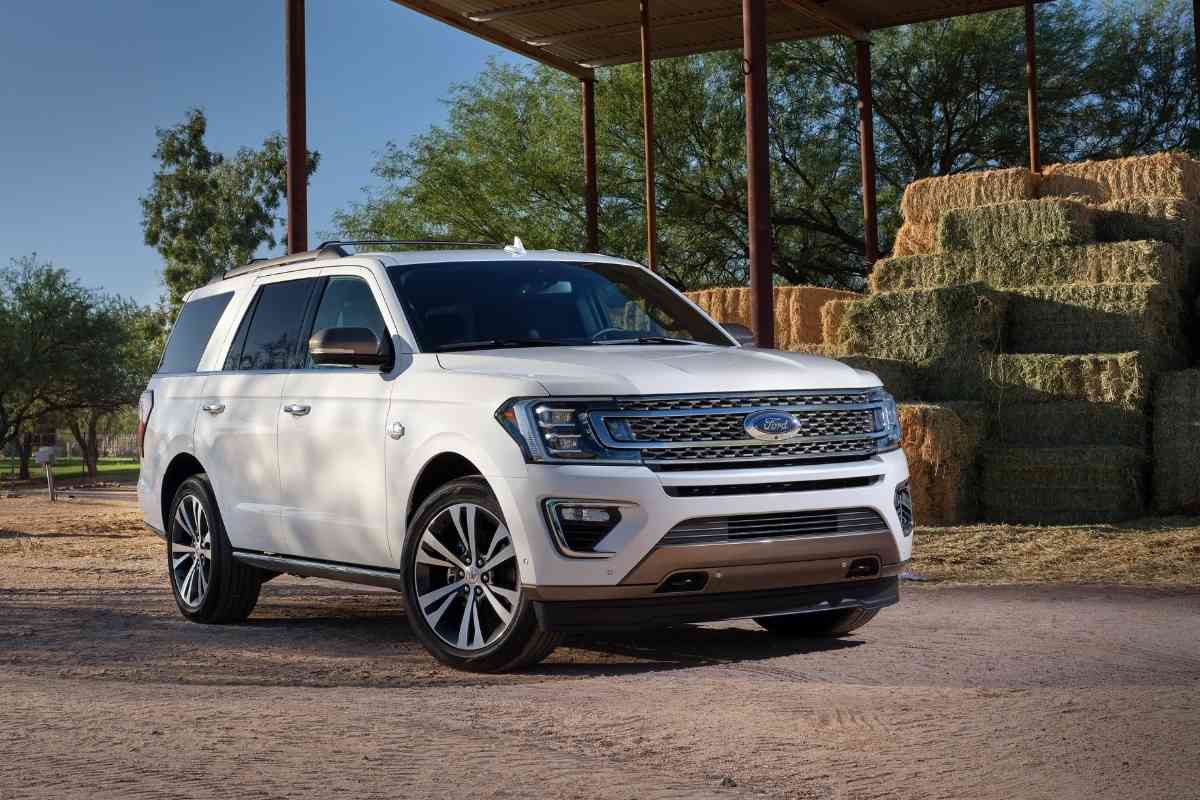
In 2026, the most fuel-efficient SUVs and crossovers are dominated by hybrid and plug-in hybrid (PHEV) powertrains, with leaders like the Kia Niro Hybrid achieving over 53 MPG combined. For those needing more space, models like the Toyota RAV4 Hybrid and Honda CR-V Hybrid offer a perfect balance of utility and 40+ MPG efficiency.
The landscape of the automotive industry has shifted dramatically toward electrification. While fully electric vehicles (EVs) capture many headlines, the crossover and SUV segments have seen a massive refinement in hybrid technology. For many drivers in 2026, a high-efficiency internal combustion engine (ICE) paired with an electric motor provides the most practical solution for long-distance travel and daily commuting without the anxiety of charging infrastructure.
1. Kia Niro Hybrid: The Efficiency Leader
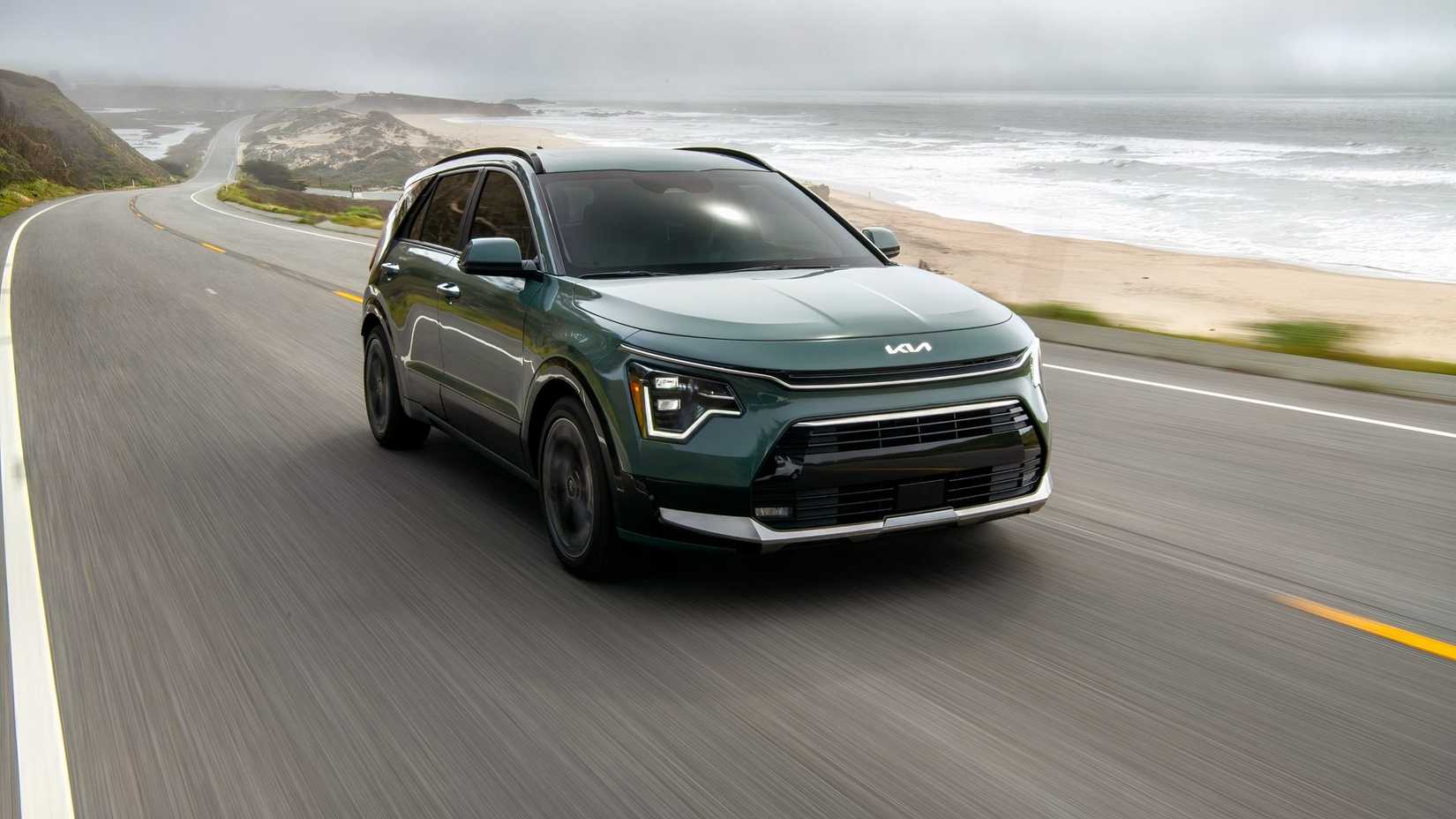
The Kia Niro continues to hold its position as the champion of fuel economy in the crossover segment. For the 2026 model year, the Niro Hybrid utilizes a 1.6-liter four-cylinder engine paired with a highly efficient electric motor. This combination is specifically tuned for urban and suburban environments where regenerative braking can maximize energy recovery.
The Niro isn't just about the numbers; it is designed with a low drag coefficient that helps it slip through the air more efficiently than its boxier competitors. In 2026, the base trim levels, which utilize smaller 16-inch wheels, are rated at an impressive 53 MPG combined. Even the higher trims, which offer more luxury features and larger wheels, stay well above the 45 MPG mark.
Inside, the Niro provides surprising cargo capacity for its footprint. Because it was designed from the ground up to house a battery pack, there is no intrusion into the passenger cabin. Owners benefit from a dual-screen dashboard and sustainable interior materials, making it a choice that feels modern and eco-conscious.
2. Toyota RAV4 Hybrid: The Versatile Standard
The Toyota RAV4 Hybrid remains the benchmark for the compact SUV class. Toyota’s Hybrid Synergy Drive has been refined over decades, and in 2026, it offers a seamless transition between gasoline and electric power. The RAV4 Hybrid comes standard with Electronic On-Demand All-Wheel Drive (AWD), using a dedicated electric motor for the rear wheels.
Despite having AWD as standard equipment, the 2026 RAV4 Hybrid achieves an EPA-estimated 41 MPG city and 38 MPG highway. This makes it an ideal choice for families who need a vehicle capable of handling diverse weather conditions without sacrificing fuel economy. The RAV4’s 2.5-liter Atkinson-cycle engine is engineered for thermal efficiency, ensuring that even when the battery is low, the vehicle remains more efficient than traditional gas-only competitors.
Toyota’s commitment to safety is also a major draw. The 2026 model includes the latest suite of active safety technologies, according to the Insurance Institute for Highway Safety (IIHS), which frequently ranks the RAV4 as a top safety pick. This combination of efficiency, reliability, and safety keeps it at the top of the sales charts.
3. Honda CR-V Hybrid: The Driver’s Choice
Honda has taken a slightly different approach with the CR-V Hybrid. In 2026, the CR-V Hybrid utilizes a two-motor hybrid system that provides a more responsive, linear driving experience compared to the CVT-heavy feel of some competitors. This system allows the electric motor to do the heavy lifting in low-speed scenarios, while the gasoline engine acts as a generator or connects directly to the wheels at highway speeds.
The CR-V Hybrid is rated at 40 MPG combined for front-wheel-drive models and 37 MPG for AWD versions. While slightly behind the RAV4 in pure numbers, many reviewers and owners prefer the CR-V for its superior interior ergonomics and more engaging steering. The 2026 model features a spacious second row with class-leading legroom, making it the preferred "mileage hero" for those who frequently transport adult passengers.
Honda’s focus on mechanical simplicity in its hybrid setup also hints at long-term durability. By removing the need for a conventional transmission in the hybrid powertrain, there are fewer moving parts to wear out over the vehicle's lifespan.
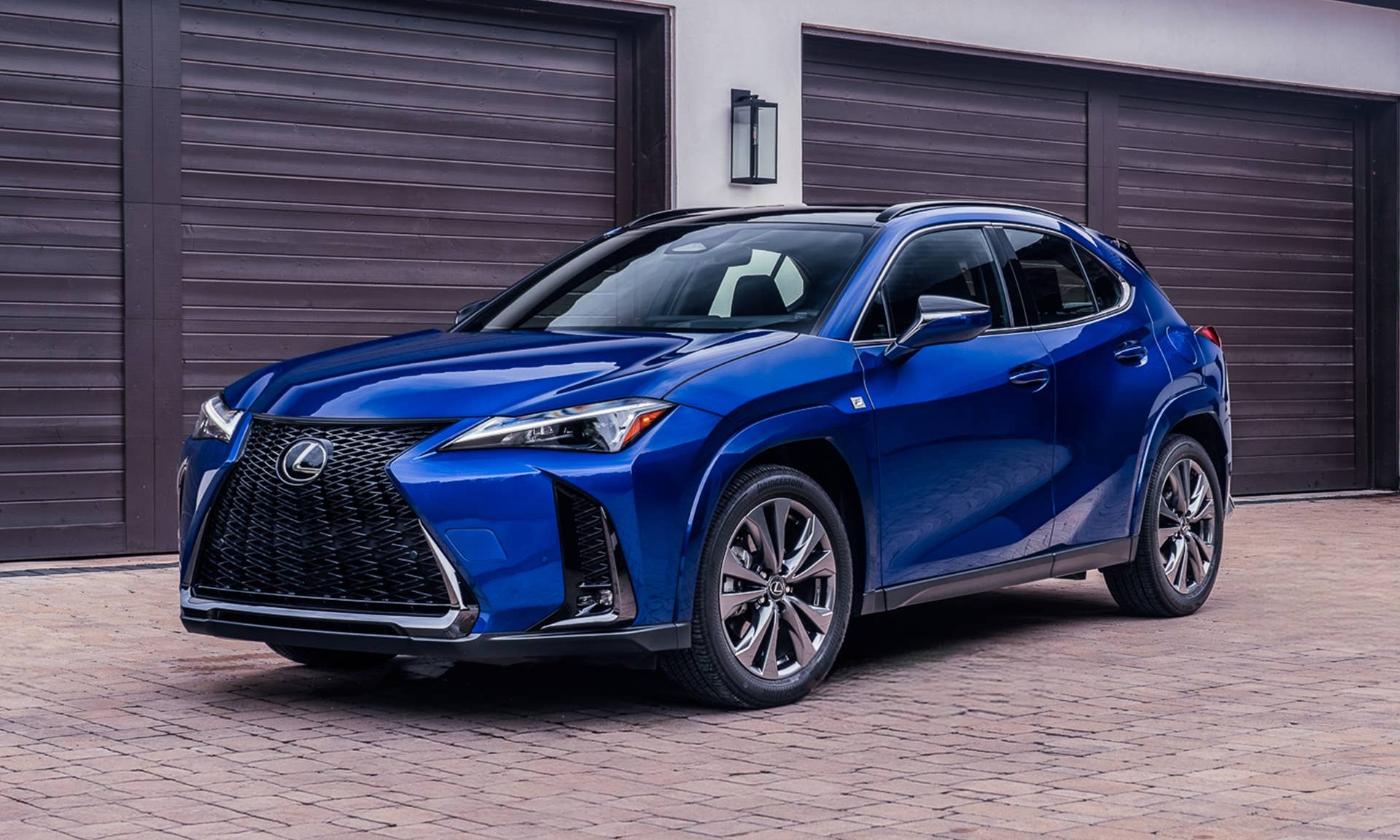
4. Lexus UX 300h: Luxury Meets Efficiency
For buyers looking for a premium experience without a massive footprint, the Lexus UX 300h is the standout choice. Formerly the 250h, the updated 300h powertrain introduced for the 2025/2026 cycle provides a boost in horsepower while maintaining elite fuel economy.
The UX 300h is a subcompact crossover that excels in city environments. Its tight turning radius and compact dimensions make it easy to park, while the Lexus-grade sound insulation provides a quiet cabin. The EPA estimates for the 2026 UX 300h sit at 43 MPG combined for FWD models.
Lexus has integrated its fifth-generation hybrid system here, which uses a lighter and more compact lithium-ion battery. This allows for better weight distribution and slightly more agile handling. While the cargo area is smaller than the RAV4 or CR-V, the UX 300h targets the urban professional who prioritizes fuel savings and badge prestige over raw hauling capacity.
5. Kia Sportage Hybrid: Best-in-Class Technology
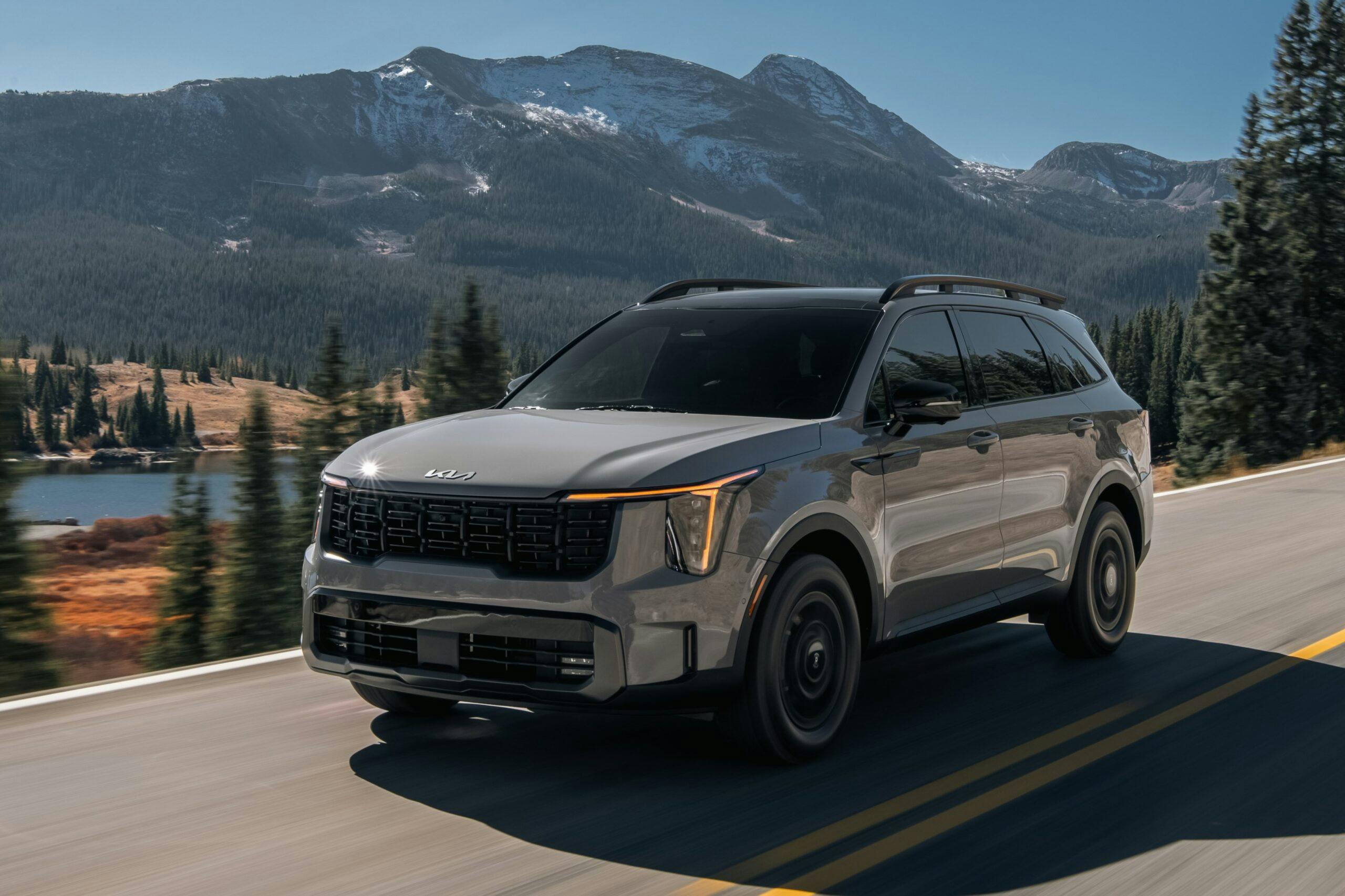
The Kia Sportage Hybrid is a formidable challenger that often surprises buyers with its power. Unlike some hybrids that feel sluggish, the Sportage Hybrid uses a 1.6-liter turbocharged engine in conjunction with its electric motor. This results in a combined 227 horsepower, providing significantly more "punch" during highway merging than the standard RAV4 or CR-V.
Even with this power, the Sportage Hybrid remains incredibly efficient, delivering an EPA-estimated 43 MPG combined for the FWD model. The AWD version, which uses a mechanical linkage for more robust off-road capability, drops to about 38 MPG.
The 2026 Sportage stands out for its interior tech. It features a curved panoramic display that houses both the instrument cluster and the infotainment system. For tech-savvy drivers who want the best gas mileage without driving a vehicle that looks "boring," the Sportage is a top-tier contender.
6. Ford Escape PHEV: The Best of Both Worlds
The Ford Escape Plug-in Hybrid (PHEV) is a unique entry because it offers an all-electric range that can handle most daily commutes. In 2026, the Escape PHEV remains a front-wheel-drive-only affair, which is a trade-off for its high efficiency.
When the battery is fully charged, the Escape PHEV can travel up to 37 miles on electricity alone. Once that charge is depleted, the vehicle operates as a traditional hybrid, achieving roughly 40 MPG combined. For a driver who can charge at home and has a 30-mile daily round trip, the "effective" gas mileage can easily exceed 100 MPGe.
The Escape’s design is more car-like than the rugged RAV4, appealing to those who want a smooth ride and easy entry/exit heights. Ford has also streamlined the trim levels for 2026, making the PHEV powertrain available with more high-end interior features like the SYNC 4 infotainment system and a premium Bang & Olufsen sound system.
7. Toyota Crown Signia: The New Premium Contender
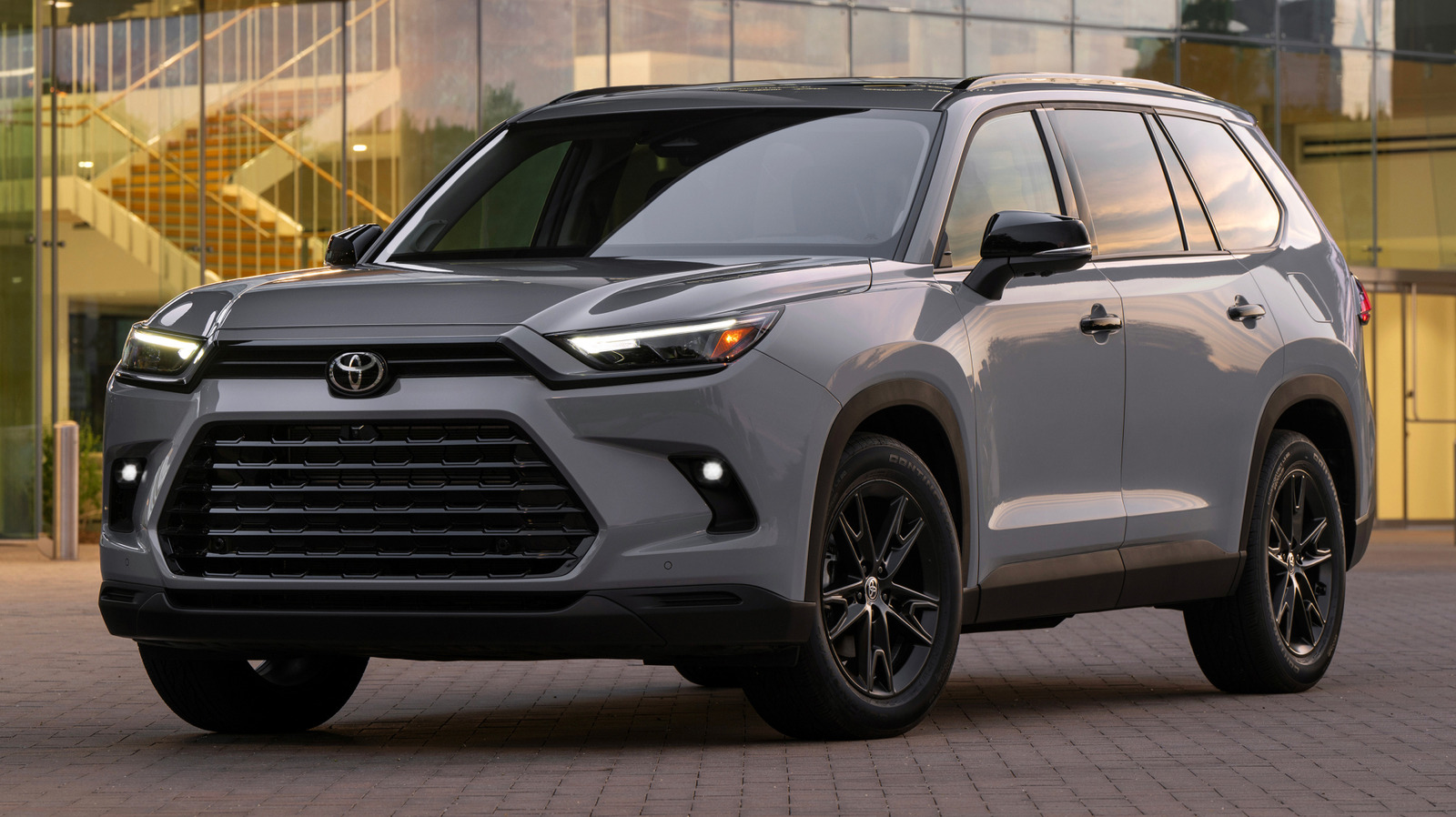
Replacing the Venza for the 2025/2026 model years, the Toyota Crown Signia brings a more sophisticated, wagon-like aesthetic to the SUV segment. It comes standard with a powerful hybrid system and AWD, positioning itself as a more upscale alternative to the RAV4.
The Crown Signia is projected to achieve 39 MPG combined. While this is slightly lower than the smaller Niro or UX, the Signia offers a much larger cabin and a more composed ride quality. It uses acoustic glass and extensive sound-deadening material to mimic the "vault-like" feel of a Lexus.
This vehicle is aimed at buyers who want the efficiency of a hybrid but find the RAV4 too utilitarian. With its standard 21-inch wheels on higher trims and a leather-trimmed interior, the Crown Signia proves that you don't have to sacrifice style or luxury to achieve sub-40 MPG fuel economy in a large crossover.
Comparison of 2026 High-Efficiency SUVs and Crossovers
| Model | Powertrain Type | EPA Combined MPG | Primary Drive | Best Feature |
|---|---|---|---|---|
| Kia Niro Hybrid | Hybrid | 53 | FWD | Maximum Efficiency |
| Lexus UX 300h | Hybrid | 43 | FWD/AWD | Urban Maneuverability |
| Kia Sportage Hybrid | Turbo Hybrid | 43 | FWD/AWD | Power & Technology |
| Toyota RAV4 Hybrid | Hybrid | 41 | AWD | Reliability & Utility |
| Honda CR-V Hybrid | Hybrid | 40 | FWD/AWD | Interior Ergonomics |
| Ford Escape PHEV | Plug-in Hybrid | 40 (Hybrid Mode) | FWD | 37-Mile EV Range |
| Toyota Crown Signia | Hybrid | 39 | AWD | Premium Comfort |
Understanding the Factors of High Gas Mileage
When evaluating these 7 vehicles, it is important to understand that "gas mileage" is not a static number. Several technical and environmental factors will influence the actual fuel consumption you experience in 2026.
The Role of Aerodynamics and Weight
Crossovers and SUVs inherently struggle with fuel economy compared to sedans because of their frontal area and higher ground clearance. Manufacturers combat this using:
- Active Grille Shutters: These close at highway speeds to reduce drag and open when the engine needs cooling.
- Low Rolling Resistance Tires: These tires are designed to reduce the energy lost to friction, though they may offer slightly less grip in high-performance maneuvers.
- Aluminum and High-Strength Steel: Reducing the curb weight allows the electric motors to move the vehicle with less energy.
Hybrid vs. Plug-in Hybrid (PHEV)
A Standard Hybrid (like the RAV4 or CR-V) never needs to be plugged in. It charges its battery through regenerative braking and the gasoline engine. This is ideal for those who don't have access to a home charger.
A PHEV (like the Ford Escape) has a much larger battery. To see the "best" gas mileage, you must plug it into a Level 1 or Level 2 outlet. If you never charge a PHEV, you are essentially carrying a heavy battery around, which can sometimes make it less efficient than a lighter standard hybrid.
Real-World Driving Conditions
Cold weather is the enemy of fuel efficiency. In 2026, hybrid batteries still face challenges in extreme cold, as the gasoline engine must run more frequently to generate heat for the cabin and to warm the battery to its operating temperature. Owners in northern climates should expect a 10-20% drop in MPG during winter months.
Practical Tips for Maximizing SUV Efficiency
Regardless of which model you choose, your driving habits play the largest role in fuel economy.
- Use Eco Mode: Most 2026 models feature a dedicated "Eco" drive mode that dulls throttle response and optimizes the air conditioning system to save energy.
- Master Regenerative Braking: Instead of slamming on the brakes, light and prolonged braking allows the electric motor to capture more energy and return it to the battery.
- Check Tire Pressure: Low tire pressure increases rolling resistance. Even a 5 PSI drop can noticeably decrease your MPG.
- Remove Roof Racks: If you aren't using your roof-mounted cargo box or bike rack, remove it. The aerodynamic drag at 70 MPH can reduce efficiency by up to 10%.
Common Mistakes When Buying for MPG
Many buyers focus solely on the EPA window sticker without considering their specific use case. For example, if your commute is 90% highway at 80 MPH, a hybrid will not provide as much benefit as it does in stop-and-go traffic. Hybrids are most efficient when the electric motor can frequently assist or take over, which happens less at high sustained speeds.
Additionally, don't overlook the "break-even point." If a hybrid version of an SUV costs $4,000 more than the gas version, you need to calculate how many miles you must drive before the fuel savings cover that initial investment. With gas prices in 2026, most high-mileage drivers reach this point within 3 to 5 years.
FAQ
Which SUV gets the best gas mileage without being a hybrid?
In 2026, very few non-hybrid SUVs achieve over 30 MPG combined. Small crossovers like the Nissan Kicks or the Hyundai Venue are among the best "gas-only" options, typically hovering around 31-33 MPG combined, but they lack the power and smoothness of their hybrid counterparts.
Does All-Wheel Drive (AWD) significantly hurt gas mileage?
Modern "Electronic AWD" systems, like those found in Toyota and Kia hybrids, have a minimal impact on fuel economy. Because there is no heavy mechanical driveshaft running the length of the car (the rear wheels are powered by an independent electric motor), the penalty is usually only 1 or 2 MPG.
How long do the batteries last in these 2026 hybrid SUVs?
Most manufacturers, including Toyota and Honda, provide a battery warranty of 8 to 10 years or 100,000 to 150,000 miles. By 2026, hybrid batteries have proven to be exceptionally durable, often lasting the entire life of the vehicle with only minor degradation in capacity.
Is the Ford Escape PHEV better than the Toyota RAV4 Hybrid?
It depends on your charging ability. The Ford Escape PHEV is better if you can charge it daily and have a short commute, as you may rarely use gasoline. However, the RAV4 Hybrid is often considered a better all-around vehicle due to its standard AWD and higher resale value.
Are there any subcompact crossovers with better MPG than the Niro?
As of 2026, the Kia Niro Hybrid remains the leader. Some specialized ultra-compact vehicles in international markets may beat it, but in the North American market, the Niro's 53 MPG is the ceiling for the crossover category.
Recommendation for Next Actions
If you are ready to prioritize fuel economy, start by analyzing your weekly driving patterns. If you drive mostly in the city and can charge at home, the Ford Escape PHEV or the Kia Niro PHEV are your best bets. If you do a mix of highway and city driving and want a "set it and forget it" experience, the Kia Niro Hybrid or Toyota RAV4 Hybrid offer the most consistent results. Visit the Fuel Economy website to compare these models against your current vehicle's specific fuel costs to see exactly how much you will save annually.