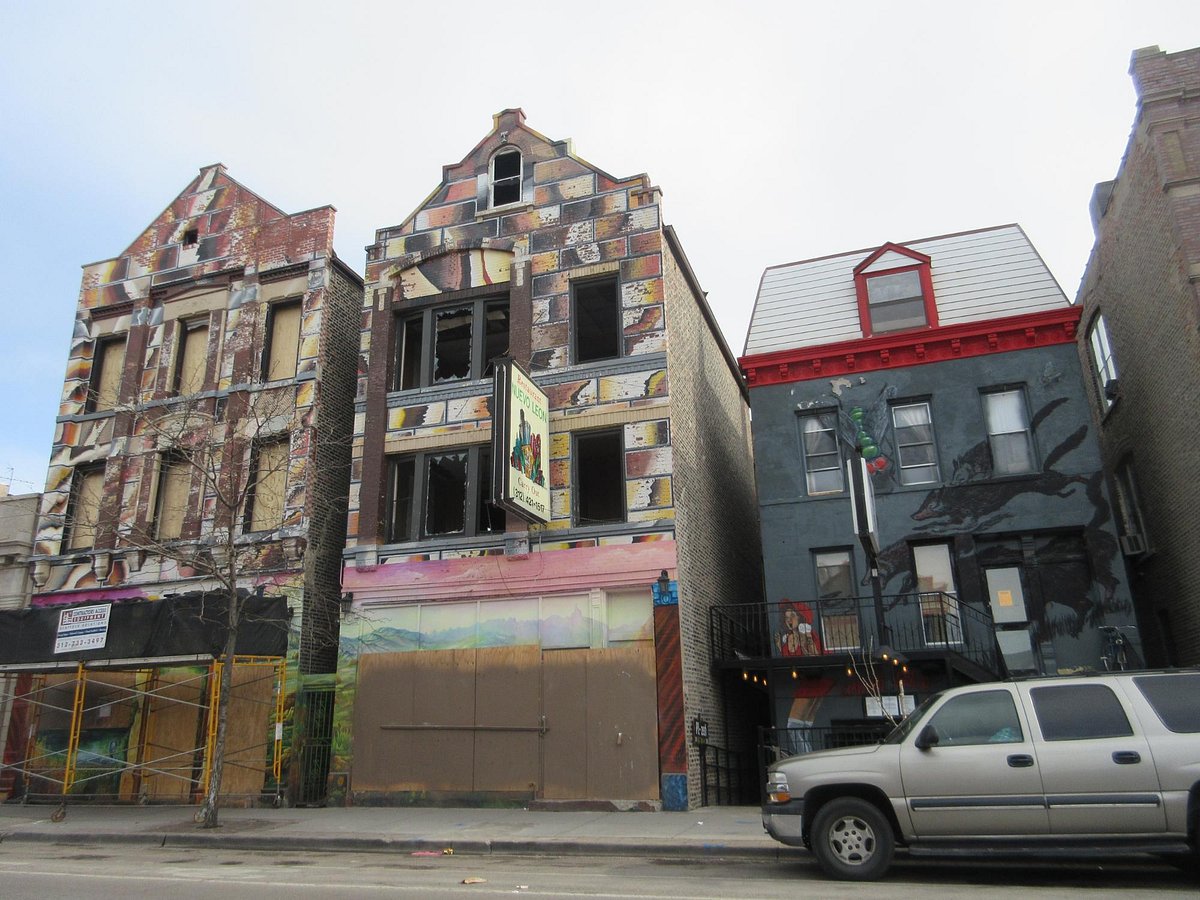
Pilsen, Chicago, is a historically rich, culturally vibrant neighborhood on the city’s Lower West Side known for its stunning street art, authentic Mexican cuisine, deep-rooted artistic community, and bustling local commerce. For visitors and residents looking to experience the neighborhood's unique identity, exploring its most iconic cultural and culinary landmarks offers an immersive journey through community resilience, creativity, and heritage.
Navigating a historic neighborhood like Pilsen requires an understanding of what makes each destination unique, how to access them, and what to expect upon arrival. Whether you are interested in Mexican folk art, architectural history, independent coffee shops, or vibrant public murals, this guide highlights seven essential spots to visit, practical planning considerations, and tips to ensure a fulfilling, respectful, and enriching neighborhood experience.
1. National Museum of Mexican Art
The National Museum of Mexican Art (NMMA), located at 1852 W. 18th Street, stands as the premier cultural institution of its kind in the United States and serves as an anchor for the Pilsen community. Founded in 1982, the museum is dedicated to showcasing Mexican art and culture from ancient times to the present day, bridging borders and highlighting the rich artistic traditions of Mexico within the diaspora.
Exhibits and Collections
The museum houses a permanent collection of more than 18,000 artifacts, ranging from pre-Columbian craft and traditional folk art to contemporary works by Mexican and Mexican-American artists. Notable permanent and rotating exhibitions cover photography, textiles, prints, and paintings. The museum is particularly renowned for its annual Day of the Dead (Día de los Muertos) exhibition, which draws visitors from across the country to experience elaborate, traditional ofrendas (altars).
Access and Practical Information
- Admission: Always free to the public, making it one of Chicago's most accessible cultural destinations.
- Hours: Typically open Tuesday through Sunday from 10:00 AM to 5:00 PM; closed Mondays.
- Transit Access: Easily accessible via the Chicago Transit Authority (CTA) Pink Line at the 18th Street station, as well as the #18 16th/18th bus route.
2. 16th Street Murals (Railway Embankment)
Spanning several blocks along 16th Street between Ashland Avenue and Western Avenue, the 16th Street Murals represent a massive open-air gallery of public art. This expansive stretch of railway retaining wall was transformed starting in 2007 through a community-driven initiative that brought together local and international street artists to paint murals reflecting the social, political, and cultural fabric of Pilsen.
Historical and Artistic Significance
The murals tell the stories of immigration, labor rights, indigenous heritage, and community struggle and triumph. Prominent artists, including local muralists and international graffiti legends, have contributed to the wall over the years. Walking along 16th Street provides an evolving visual narrative of the neighborhood's history and its connection to larger global movements for justice and cultural expression.
Viewing Recommendations
- Best Time to Visit: Daytime hours offer the best natural lighting for photography and optimal visibility.
- Walkability: The mural stretch is roughly a mile long. Wear comfortable walking shoes and be mindful of active industrial traffic and neighborhood crosswalks.
3. Thalia Hall
Located at 1807 S. Allport Street, Thalia Hall is an architectural masterpiece and a central pillar of Pilsen’s entertainment scene. Originally built in 1892 and modeled after the Prague opera house of the same name, this historic landmark was designed to serve as a community center housing a grand theater, a market hall, and residential apartments.
Modern Revival and Venues
Following extensive historic preservation and restoration, Thalia Hall reopened as a multi-use cultural hub. Today, it operates as a premier live music and performance venue, hosting indie bands, comedians, and cultural events. The building also houses several renowned dining and drinking establishments:
- Dusek’s Tavern: A Michelin-starred neighborhood tavern offering elevated American comfort food and craft beers.
- Punch House: A basement cocktail lounge inspired by historical maritime punch bowls, offering a cozy, vintage atmosphere.
- Tack Room: A piano bar located in the former carriage house behind the main hall.
Visitor Tips
- Event Tickets: If you plan to attend a concert in the main theater, purchase tickets well in advance via the venue’s official box office or website.
- Dining Reservations: Securing a table at Dusek’s or grabbing a booth in Punch House typically requires advance booking, especially on weekends.
4. Harrison Park and the Pilsen Community Art Center
Harrison Park, bounded by 18th Street, 19th Street, Damen Avenue, and Loomis Street, serves as the green heart of Pilsen. Spanning nearly 18 acres, the park features sports fields, playgrounds, an indoor swimming pool, and fieldhouse facilities that host community programs.
The Artistic Surroundings
The park grounds and surrounding blocks are deeply intertwined with Pilsen’s artistic identity. Visitors will frequently encounter outdoor sculptures, community gardens, and mosaic installations created by local youth and neighborhood artists. Adjacent to the park and throughout the wider neighborhood, organizations like the Pilsen Community Art Center support emerging local artists through galleries, workshops, and artist-in-residence programs.
Community Impact
Harrison Park acts as a gathering place for neighborhood festivals, soccer matches, and family picnics, providing a window into everyday local life in Pilsen. Visitors can observe how public green spaces are utilized to foster community resilience and cultural celebration.
5. Corazón de Melón and Local Vintage Shops
Pilsen has evolved into a thriving destination for vintage clothing shopping, independent bookstores, and artisan boutiques, particularly along 18th Street. Shops like Corazón de Melón and neighboring independent retailers curate unique selections of vintage apparel, handmade jewelry, home goods, and curated literature celebrating Latinx culture and independent design.
Shopping Experience
- Independent Retail: Unlike chain-dominated commercial strips, Pilsen’s storefronts are predominantly independently owned, offering personal interactions with local entrepreneurs, designers, and curators.
- Supporting Local Makers: Purchasing items from these boutiques directly supports the neighborhood's creative economy and helps preserve its distinct character against rapid gentrification pressures.
6. Dulce de Leche Cafe and Pilsen’s Coffee Culture
No exploration of Pilsen is complete without experiencing its vibrant cafe culture. While the neighborhood boasts numerous exceptional coffee spots, Dulce de Leche Cafe (located at 2915 W. Montrose Ave or its historic presence on 18th Street variations) and other local coffee houses serve as community living rooms where neighbors gather, work, and converse.
Culinary Highlights
- Specialty Drinks: Expect unique flavor profiles incorporating Mexican hot chocolate, cajeta (dulce de leche), horchata lattes, and traditional spiced teas alongside standard espresso offerings.
- Baked Goods: Pair your beverage with fresh pan dulce, empanadas, or locally sourced pastries.
- Ambience: Many cafes double as informal galleries, displaying rotating artwork by Pilsen-based painters and photographers.
7. Historic St. Adalbert Church and Neighborhood Architecture
Pilsen derives its name from Plzeň, a city in the Czech Republic, reflecting the wave of Eastern European immigrants—primarily Czech, Polish, and German—who settled the area in the late 19th and early 20th centuries. Architectural testaments to this era remain visible throughout the neighborhood, most notably in its historic churches and Victorian worker cottages.
Architectural Highlights
- St. Adalbert Church: Located at 1655 S. Ashland Avenue, this monumental church with its twin towers stands as a symbol of the neighborhood's Polish immigrant heritage. While its operational status has shifted over the years, the exterior remains an awe-inspiring example of Polish Cathedral style architecture.
- Worker Cottages: Walk down side streets like Cullerton Street or 19th Place to observe classic Chicago-style balloon-frame worker cottages and brick two-flats that reflect the working-class history of the area.
Comparative Overview of Pilsen Highlights
To help plan your itinerary efficiently, the following table summarizes the key characteristics, recommended duration, and primary features of each spot:
| Spot Name | Primary Category | Estimated Time | Key Highlights | Transit Access |
|---|---|---|---|---|
| National Museum of Mexican Art | Culture & Art | 1.5 – 3 Hours | Permanent/rotating folk and fine art collections; free admission. | CTA Pink Line (18th St) |
| 16th Street Murals | Public Art | 1 – 2 Hours | Outdoor mural gallery along railway walls; historical narratives. | Ashland or Western Buses |
| Thalia Hall | Entertainment & Dining | 2 – 4 Hours | Historic 1892 theater, live music, Dusek’s Tavern, Punch House. | CTA Pink Line (18th St) |
| Harrison Park | Recreation | 1 Hour | Green space, community pool, fieldhouse, outdoor sculptures. | Damen Bus (#50) |
| Local Vintage & Artisan Boutiques | Shopping | 1 – 2 Hours | Independent retail, vintage clothing, handmade Latinx goods. | 18th Street Corridor |
| Pilsen Coffee Houses | Culinary | 45 Mins – 1 Hour | Horchata lattes, pan dulce, community gathering spaces. | 18th Street Corridor |
| Historic Architecture & Churches | History & Sightseeing | 1 Hour | Polish Cathedral architecture, historic worker cottages. | Ashland Bus (#9) |
Frequently Asked Questions
What is the best way to get to Pilsen, Chicago?
The most convenient way to reach Pilsen from downtown Chicago is by taking the Chicago Transit Authority (CTA) Pink Line to the 18th Street station. Several CTA bus routes, including the #18 (16th/18th), #9 (Ashland), and #50 (Damen), also serve the neighborhood directly.
Is Pilsen a walkable neighborhood?
Yes, Pilsen is exceptionally pedestrian-friendly. The main commercial and cultural corridor along 18th Street is dense with cafes, shops, galleries, and restaurants. Walking side streets to view murals and historic architecture is safe and recommended during daylight hours.
Are there admission fees for the National Museum of Mexican Art?
No, admission to the National Museum of Mexican Art is completely free for all visitors. Donations are welcomed to support their educational programming and exhibitions.
What kind of food options are available in Pilsen?
Pilsen is world-renowned for its authentic Mexican cuisine, ranging from casual neighborhood taquerias and bakeries to contemporary dining establishments like Dusek’s Tavern and gourmet sit-down restaurants.
When is the best time of year to visit Pilsen?
Spring through autumn offers the most pleasant weather for walking outdoor mural routes and visiting parks. Additionally, visiting in late October provides the opportunity to experience the neighborhood's renowned Day of the Dead celebrations and exhibitions.
Practical Recommendations for Visitors
When planning a trip to Pilsen, prioritize supporting local, independent businesses that sustain the neighborhood's unique cultural ecosystem. Keep in mind that Pilsen is a historically working-class neighborhood that has experienced significant economic and demographic shifts; approaching your visit with respect for long-standing community members, local residents, and cultural institutions ensures a positive experience for all. Combine museum visits with a walking tour of the 16th Street murals, and reserve an evening for dinner and a show at Thalia Hall to experience the full spectrum of what this dynamic Chicago neighborhood has to offer.