Navigating household power management involves selecting the right mix of hardware to optimize electricity usage, reduce reliance on grid power during peak pricing hours, and protect essential appliances. The five best home energy products for improving power efficiency and lowering utility bills include smart thermostats, whole-home battery storage systems, residential solar panel arrays, smart electrical breaker panels, and heat pump water heaters.
Modernizing a home energy ecosystem requires a strategic approach to generation, storage, distribution, and consumption. As electricity rates fluctuate and grid reliability faces increasing pressure, homeowners are turning to advanced hardware to take control of their power consumption. Investing in the right energy products can drastically reduce monthly utility bills while providing emergency backup power during unexpected outages. Understanding the distinct role, operational requirements, and financial payback period of each product ensures a balanced and cost-effective home energy upgrade.
1. Smart Thermostats
Smart thermostats represent the most accessible and high-return entry point for residential energy savings. Traditional thermostats rely on rigid, manual schedules or constant user adjustments to control heating and cooling systems. In contrast, modern smart thermostats utilize occupancy sensors, geofencing via smartphone integration, and machine learning algorithms to optimize heating, ventilation, and air conditioning (HVAC) run times automatically.
HVAC systems typically account for more than 50 percent of a standard home's energy consumption, making temperature control the single largest target for efficiency gains. Smart thermostats mitigate waste by lowering or raising temperatures when the home is empty or when residents are sleeping. Furthermore, many models integrate with utility demand-response programs, allowing the device to make micro-adjustments during peak grid hours in exchange for bill credits or financial rebates.
Key Selection Criteria
- Compatibility: Verify whether the heating and cooling system requires a common wire (C-wire) for continuous power, or if an adapter kit is necessary.
- Ecosystem Integration: Look for compatibility with major smart home platforms such as Apple Home, Amazon Alexa, or Google Home for unified automation.
- Scheduling and Learning: Evaluate whether the device relies on manual programming routines or autonomously builds schedules based on household behavior patterns.
2. Whole-Home Battery Storage Systems
Whole-home battery storage systems, often paired with residential solar arrays, store electrical energy for later use. These lithium-ion battery banks charge during periods when solar production is high or utility electricity rates are low, and they discharge when grid power is expensive or unavailable.
The primary financial benefit of battery storage lies in avoiding peak time-of-use (TOU) electricity rates. Many utility companies charge significantly higher rates for electricity consumed during late afternoon and evening hours. By running home loads off stored battery power during these windows, homeowners bypass premium utility charges. Additionally, these systems provide seamless backup power during grid outages, keeping critical loads such as refrigerators, medical equipment, and Wi-Fi routers operational without the noise and emissions of a portable gas generator.
3. Residential Solar Panel Arrays
Generating onsite renewable energy through photovoltaic (PV) solar panels remains the definitive method for reducing long-term home electricity costs. Rooftop solar systems convert sunlight directly into direct current (DC) electricity, which an inverter then converts into alternating current (AC) for household use.
While the upfront capital expenditure for solar installation is substantial, federal incentives—such as the federal residential clean energy credit available through the Internal Revenue Service—along with state-level rebates and net metering policies, significantly shorten the financial payback period. Net metering allows homeowners to export excess solar energy back to the local utility grid in exchange for bill credits, effectively spinning the electric meter backward when production exceeds consumption.
4. Smart Electrical Breaker Panels
Traditional electrical panels simply route power and trip breakers during overloads, offering zero visibility into where electricity goes once it enters the home. Smart electrical breaker panels replace standard mechanical breakers with digital equivalents that monitor and control energy consumption at the individual circuit level.
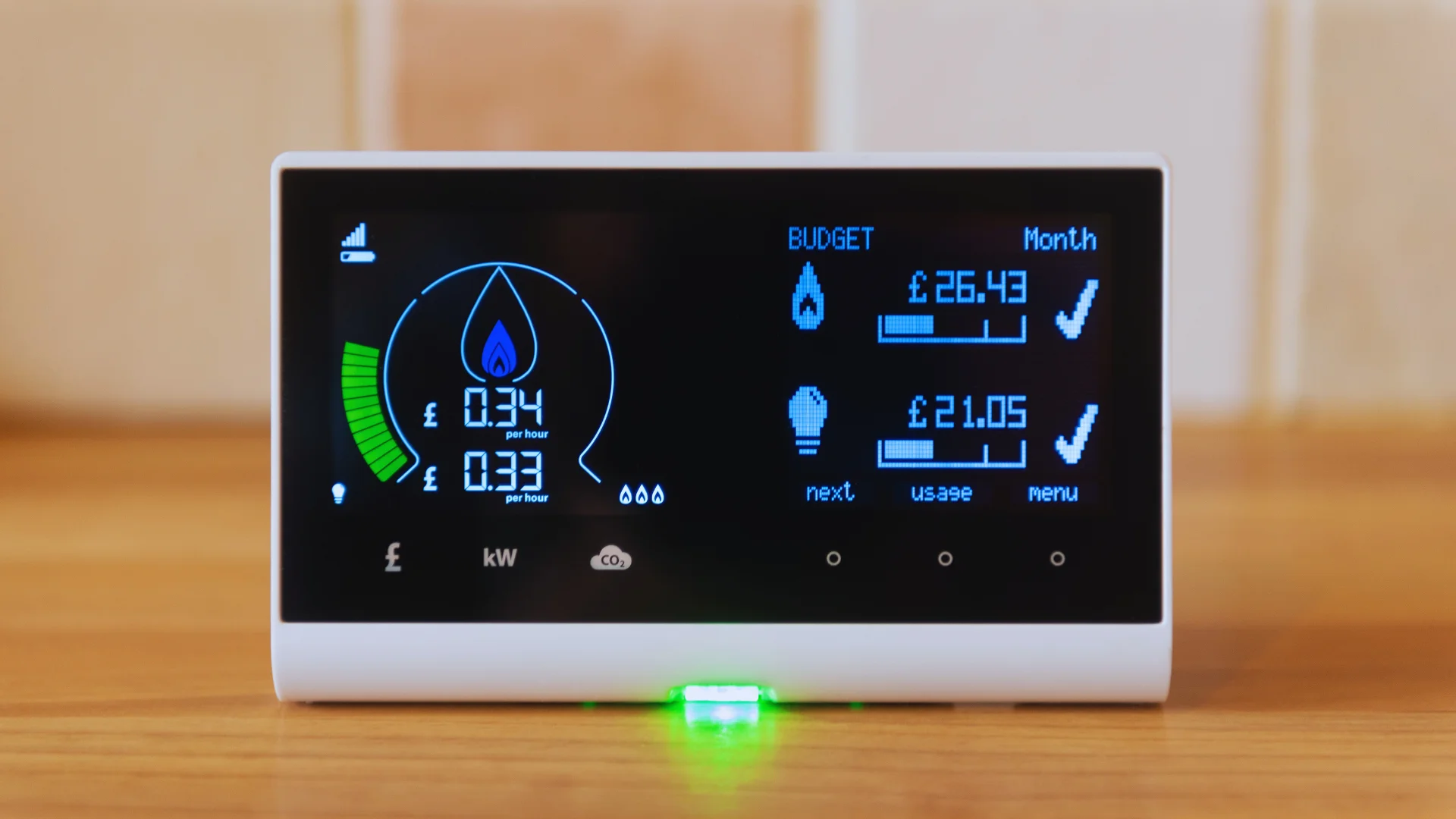
These advanced panels provide real-time data feeds via mobile applications, allowing homeowners to see precisely how much electricity appliances like ovens, clothes dryers, and pool pumps consume. More importantly, smart panels allow users to automatically shed non-essential loads during grid outages or high-tariff periods, extending the life of backup battery systems and preventing main breaker overloads when total household demand spikes.
5. Heat Pump Water Heaters
Water heating is typically the second-largest energy expense in a home, accounting for roughly 18 percent of utility bills. Traditional resistance electric water heaters consume massive amounts of electricity to generate heat directly. Heat pump water heaters, conversely, operate like inverted refrigerators—they capture ambient heat from the surrounding air and transfer it into the water tank.
Because they move existing heat rather than creating it through electrical resistance, hybrid heat pump water heaters can consume up to 70 percent less electricity than standard models. Although they have a higher initial purchase price and require adequate room ventilation around the unit, their high energy factor ratings translate to rapid operational cost recovery.
Comparison of Home Energy Products
| Product Category | Primary Function | Average Payback Period | Typical Installation Complexity |
|---|---|---|---|
| Smart Thermostats | Optimizes HVAC run times to reduce waste | 1 to 2 years | Low (DIY friendly) |
| Whole-Home Battery Storage | Peak shaving and emergency outage backup | 8 to 12 years | High (Professional required) |
| Residential Solar Panels | Onsite renewable electricity generation | 6 to 9 years | High (Professional required) |
| Smart Electrical Breaker Panels | Circuit-level monitoring and load shedding | 5 to 8 years | High (Licensed electrician required) |
| Heat Pump Water Heaters | High-efficiency domestic hot water production | 2 to 4 years | Moderate (Plumbing and electrical) |
Frequently Asked Questions
Can I install these energy products myself, or do I need a professional?
Installation requirements vary widely by product. Smart thermostats are generally designed for DIY installation, provided the home's existing wiring matches requirements. Conversely, solar arrays, whole-home batteries, smart electrical breaker panels, and heat pump water heaters involve high-voltage electricity, structural mounting, or complex plumbing, and must be installed by licensed professionals to comply with local building codes and maintain manufacturer warranties.
Do energy products qualify for government tax credits or utility rebates?
Many high-efficiency energy products qualify for substantial financial incentives. For instance, federal programs and local utility providers frequently offer tax credits, cash-back rebates, or special financing for solar arrays, battery storage installations, and heat pump upgrades. Always verify current local eligibility criteria and program guidelines before purchasing equipment.
How do smart panels help during a power outage?
Smart electrical breaker panels integrate directly with home battery backup systems. When the grid fails, the smart panel automatically disconnects non-essential heavy loads—such as EV chargers and clothes dryers—while keeping critical circuits powered. This dynamic load management prevents the battery from overloading and maximizes runtime for essential household appliances.
What is the difference between peak shaving and net metering?
Peak shaving involves using stored battery energy during specific hours when utility companies charge premium rates for electricity, thereby lowering overall costs. Net metering, on the other hand, is a billing mechanism where utilities credit solar homeowners for excess electricity exported back to the grid, offsetting the cost of power consumed at night or during cloudy weather.
Are heat pump water heaters effective in cold climates?
Yes, but with operational considerations. Heat pump water heaters draw warmth from the surrounding air, meaning they operate most efficiently in spaces that stay between 40°F and 90°F, such as a basement or utility room. In colder environments, these units feature built-in backup resistance elements that automatically engage when ambient temperatures drop too low, though this temporarily reduces their overall efficiency.
Next Steps for Home Energy Optimization
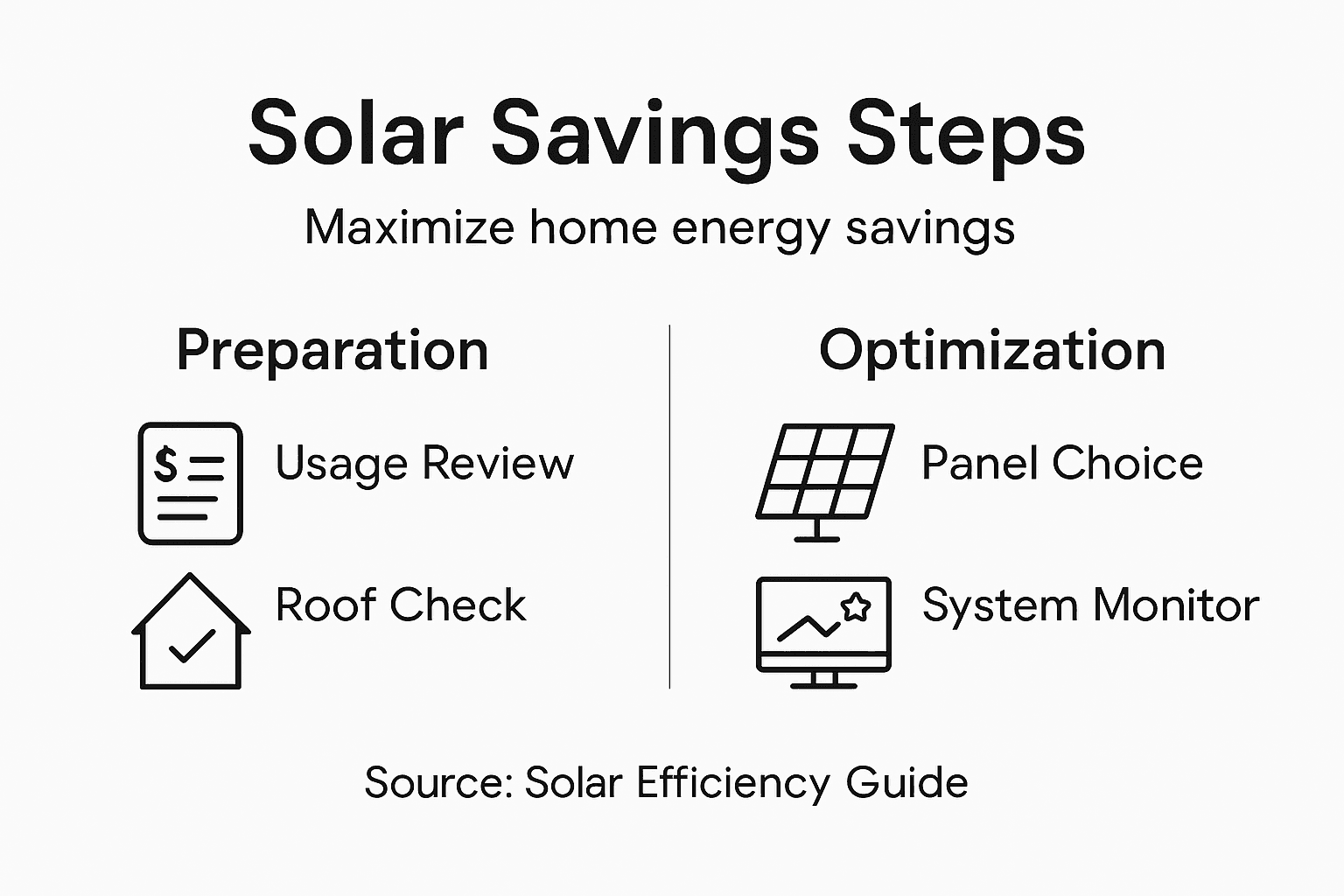
Maximizing home power efficiency and reducing utility costs begins with a comprehensive energy audit to identify where electricity is wasted most. Homeowners should review past utility bills to determine whether heating and cooling, water heating, or baseload consumption drives their expenses. Starting with lower-cost, high-impact upgrades like a smart thermostat provides immediate savings, while laying the groundwork for larger capital investments such as solar arrays, heat pump water heaters, and whole-home battery backup systems. Consulting with licensed, certified energy contractors ensures that chosen products integrate safely and comply with all applicable local electrical and building regulations.