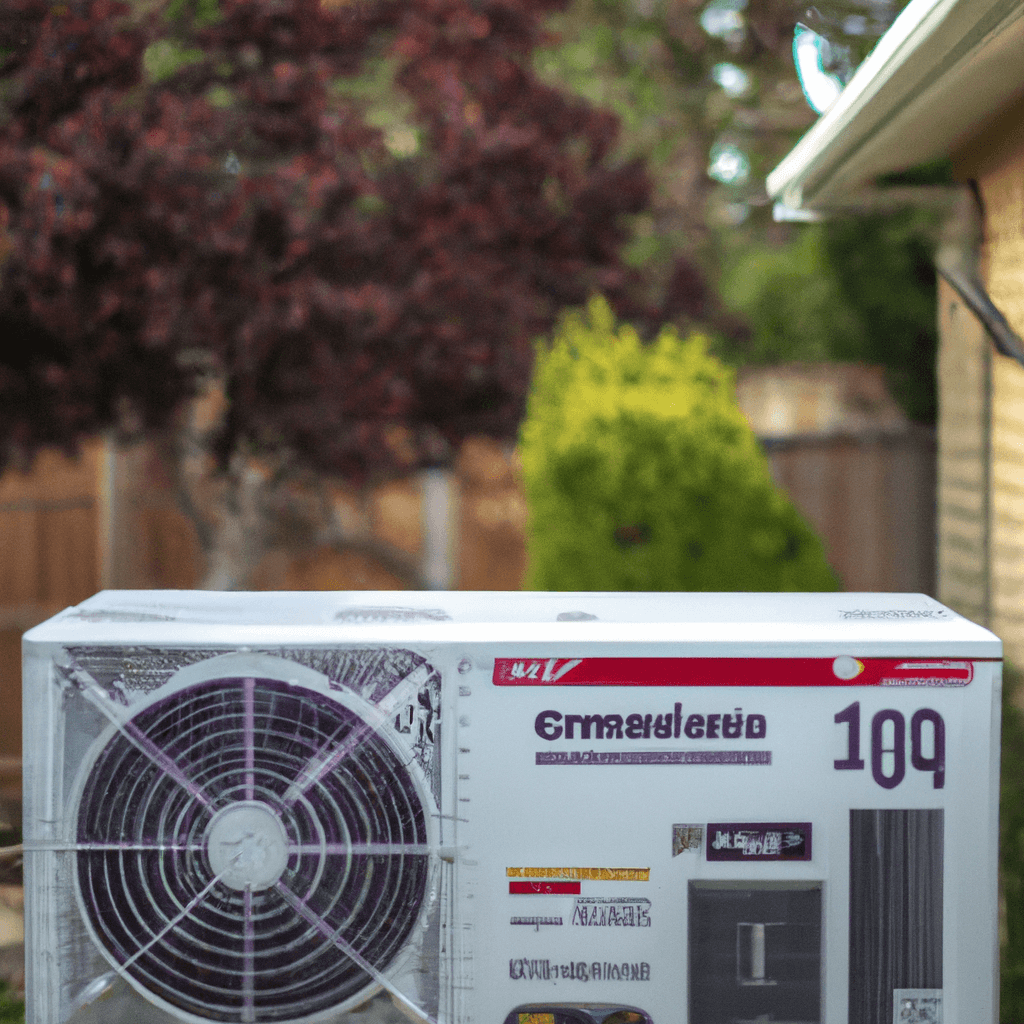
Selecting a 3 ton air conditioner for a 2000 square foot house requires careful evaluation of local climate, ceiling heights, insulation quality, and ductwork efficiency. While a 3 ton capacity—delivering 36,000 British Thermal Units (BTUs) of cooling per hour—frequently aligns with general rules of thumb for a home of this size, achieving optimal comfort and energy efficiency depends heavily on thorough load calculations and equipment specifications.
Understanding AC Tonnage and Home Sizing Fundamentals
Air conditioning tonnage does not refer to the physical weight of the equipment. Instead, a "ton" measures the cooling capacity of the unit, specifically how much heat it can remove from a home in one hour. One ton equals 12,000 BTUs per hour. Therefore, a 3 ton air conditioner is rated to remove 36,000 BTUs of heat per hour from an indoor space.
For decades, the standard rule of thumb in the HVAC industry suggested allocating roughly 500 to 600 square feet of living space per ton of air conditioning. Under this broad generalization, a 2000 square foot home naturally points toward a 3.5 ton or 4 ton system. However, modern building science, improved insulation standards, and energy-efficient construction have transformed how HVAC professionals size equipment. In a well-insulated, tightly sealed home located in a moderate climate, a 3 ton AC unit can easily cool 2000 square feet. Conversely, an older home with single-pane windows, poor attic insulation, and high solar heat gain might require significantly more cooling capacity, or conversely, an oversized unit could short-cycle and create humidity problems.
Relying solely on square footage to select an air conditioning system frequently leads to improper sizing. Oversized air conditioners cool the home too quickly without adequately running long enough to strip moisture from the air, resulting in a cold, clammy environment that promotes mold growth. Undersized units run continuously without ever reaching the thermostat's set temperature, driving up utility bills and accelerating mechanical wear.
The Manual J Load Calculation: The Gold Standard for Sizing
Before purchasing or installing a 3 ton air conditioning system for a 2000 square foot house, a certified HVAC technician should perform a Manual J load calculation. Established by the Air Conditioning Contractors of America (ACCA), Manual J is the industry-accepted standard for determining the precise heating and cooling requirements of a residential property.
A Manual J calculation accounts for numerous variables specific to your home rather than relying on square footage alone. These variables include:
- Geographic Location and Climate: Local weather data, average summer temperatures, and ambient humidity levels dictate the baseline thermal load.
- Orientation and Solar Gain: The direction your home faces influences how much direct sunlight strikes the exterior walls, windows, and roof throughout the day.
- Building Envelope and Insulation: The R-values of insulation in the attic, exterior walls, and crawlspace or slab foundation directly affect heat transfer.
- Windows and Doors: The number, size, orientation, type of glass (e.g., double-pane, low-E coatings), and shading of windows dramatically impact solar heat gain.
- Air Leakage and Duct Sealing: Blower door tests measure how tightly sealed the home is against outside air infiltration, while duct leakage tests ensure conditioned air reaches its destination.
- Occupancy and Appliances: The number of permanent residents and heat-generating appliances (such as ovens, dryers, and lighting fixtures) contribute to the internal heat load.
When a Manual J calculation confirms that your 2000 square foot home requires between 32,000 and 38,000 BTUs of cooling capacity, a 3 ton air conditioner is the correct choice. If the calculation yields a requirement significantly outside this range, adjusting the tonnage or improving the home's thermal envelope becomes necessary.
Key Factors That Dictate Whether a 3 Ton AC Fits Your 2000 Sq Ft Home
Not all 2000 square foot homes are created equal. Several environmental and structural factors determine whether a 3 ton system will perform efficiently or fall short of expectations.
Climate Zone and Humidity
Homes situated in hot, humid climates—such as the coastal regions of the American South—place a heavier latent load (moisture removal) on an air conditioner compared to arid regions like the American Southwest. In humid environments, a 3 ton unit must run efficiently to dehumidify the air. If the home has excessive air leakage, moisture enters faster than the 3 ton unit can remove it, necessitating either a larger system or comprehensive air-sealing measures.
Ceiling Height and Volume
Square footage measures area, but air conditioners cool volume. A 2000 square foot home with standard 8-foot ceilings contains 16,000 cubic feet of air. However, a modern 2000 square foot home featuring vaulted ceilings, open-concept lofts, or 10-foot to 12-foot ceilings may contain 22,000 to 24,000 cubic feet of air. That significant increase in volume requires more cooling capacity, meaning a 3 ton unit might struggle in a high-ceiling home unless insulation and window performance are exceptional.
Ductwork Condition and Layout
Even the highest-efficiency 3 ton air conditioner will fail to cool a 2000 square foot house properly if the ductwork is undersized, poorly sealed, or heavily restricted. Flexible ducts with excessive sharp bends, uninsulated ducts running through hot attics, or leaky connections can result in a 20% to 30% loss in cooling capacity before the air ever reaches the living spaces. Inspecting and sealing ductwork is an essential prerequisite when replacing an HVAC system.
Comparing AC System Types and Efficiencies
When shopping for a 3 ton air conditioner, homeowners encounter various equipment types, efficiency ratings, and technological tiers. Understanding these options ensures you select a system that matches both your comfort preferences and your budget.
Efficiency Ratings: SEER2
The industry standard for measuring cooling efficiency is SEER2 (Seasonal Energy Efficiency Ratio 2), which replaced the older SEER rating system under updated Department of Energy testing procedures introduced in 2023. SEER2 measures how efficiently a residential air conditioner delivers cooling relative to the electrical energy it consumes over a typical cooling season.
- Minimum Federal Standards: Depending on your region (North, South, or Southwest), federal regulations mandate minimum SEER2 ratings (typically starting at 14.3 SEER2 for split systems in the North and 15.2 SEER2 in the South).
- High-Efficiency Systems: Premium units range from 17 to 26+ SEER2, utilizing advanced inverter compressors and variable-speed fan motors to reduce electrical consumption.
Compressor Technologies
The compressor is the heart of the air conditioning system. The type of compressor technology built into a 3 ton unit dictates its performance, noise level, and ability to maintain steady indoor temperatures.
- Single-Stage Compressors: These operate at 100% capacity whenever they turn on. They are less expensive upfront, but they cycle on and off frequently, leading to temperature swings and higher energy bills.
- Two-Stage Compressors: These feature a low stage (typically operating at about 65% capacity) for mild days and a high stage for peak summer heat. They provide more consistent temperature control and better dehumidification.
- Variable-Speed (Inverter) Compressors: These adjust their speed in small increments (often from 25% to 100%) to match the exact cooling load of the home in real time. They run continuously at low speeds, maximizing efficiency, filtering air thoroughly, and eliminating temperature spikes.
| AC System Type | SEER2 Range | Comfort Level | Initial Cost | Best Suited For |
|---|---|---|---|---|
| Single-Stage | 14.3 – 16.0 | Basic / Fluctuating | Lowest | Moderate climates with mild summers and tight budgets. |
| Two-Stage | 16.0 – 19.0 | Moderate / Even | Moderate | Homes experiencing humid summers needing better moisture control. |
| Variable-Speed (Inverter) | 18.0 – 26.0+ | Superior / Precise | Highest | Extreme climates, multi-story homes, and maximum energy savings. |
Cost Considerations for a 3 Ton HVAC Replacement
Investing in a new 3 ton air conditioner for a 2000 square foot house involves multiple cost components beyond just the equipment price tag. Total project costs typically encompass the outdoor condenser, indoor evaporator coil, refrigerant lines, thermostat, labor, and potential modifications to existing ductwork or electrical panels.
In current residential HVAC markets, a complete 3 ton split-system installation generally ranges from $5,000 to $12,000, depending on the equipment tier:
- Entry-Level (Single-Stage, 14.3–15 SEER2): $5,000 – $7,500 installed. Ideal for homeowners seeking reliable baseline cooling without premium features.
- Mid-Tier (Two-Stage or Higher SEER2 Single-Stage): $7,500 – $10,000 installed. Provides a balance between energy savings, quieter operation, and moderate upfront investment.
- High-End (Variable-Speed Inverter, 20+ SEER2): $10,000 – $14,000+ installed. Offers maximum efficiency, ultra-quiet operation, and eligibility for federal tax credits or local utility rebates.
Additional expenses to anticipate include electrical upgrades (such as replacing an outdated breaker switch or adding a disconnect box), condensate pump installation, crane rental for rooftop units, and necessary permits from local municipal building departments.
Common Mistakes to Avoid When Choosing a 3 Ton AC
Homeowners frequently make costly errors when replacing or upgrading their cooling systems. Avoiding these pitfalls ensures long-term comfort and system reliability.
- Replacing Only Half the System: Replacing just the outdoor condenser while leaving an old, mismatched indoor evaporator coil in place reduces system efficiency, voids manufacturer warranties, and can cause compressor failure due to liquid refrigerant flooding. Always replace the matched indoor and outdoor components together as a complete system.
- Ignoring Ductwork Evaluation: Installing a high-efficiency 3 ton system onto leaky, undersized, or disconnected ductwork wastes energy and prevents rooms from cooling evenly.
- Skipping Permits and Professional Load Calculations: Hiring a contractor who relies on a quick visual walk-through instead of a formal Manual J calculation invites sizing errors. Furthermore, failing to pull required local building permits can complicate future home sales or invalidate insurance claims.
- Neglecting Maintenance Requirements: Even the best 3 ton air conditioner requires annual preventive maintenance. Neglecting to change air filters monthly, clear condensate drain lines, and keep outdoor condenser coils free of debris leads to reduced airflow, frozen evaporator coils, and premature equipment failure.
Frequently Asked Questions
Is a 3 ton AC always big enough for a 2000 square foot house?
No. While a 3 ton air conditioner works well for many modern 2000 square foot homes with good insulation, homes in extremely hot or humid climates, homes with high vaulted ceilings, or properties with minimal attic insulation and single-pane windows often require a 3.5 ton or 4 ton system. A professional Manual J load calculation is required to confirm the exact size.
What happens if I install a 3 ton AC when my house actually needs a 4 ton unit?
An undersized air conditioner will run continuously during peak afternoon heat without satisfying the thermostat's set point. This continuous operation increases your electricity bills, causes excessive wear and tear on the compressor, and leaves the home uncomfortably warm during the hottest days of the year.
Can an oversized AC unit damage my home?
Yes. If an air conditioner is too large for the space—such as installing a 4 ton or 5 ton unit where a 3 ton is required—it cools the air so rapidly that the cycle ends before the system can properly remove humidity. This results in a cold, clammy indoor environment that fosters mold and mildew growth and causes the equipment to wear out prematurely from rapid short-cycling.
What maintenance does a 3 ton air conditioner require?
Routine maintenance includes replacing or washing the air filter every one to three months, keeping the outdoor condenser unit clear of leaves, grass clippings, and shrubs, flushing the condensate drain line annually to prevent clogs, and scheduling a professional HVAC tune-up twice a year (once before cooling season and once before heating season) to check refrigerant levels, electrical connections, and moving parts.
Next Steps for Homeowners
If you are planning to install or replace a 3 ton air conditioner in your 2000 square foot home, start by scheduling consultations with multiple licensed, reputable HVAC contractors in your area. Request that each contractor perform an on-site Manual J load calculation rather than providing an estimate over the phone based solely on square footage. Compare their written proposals, paying close attention to equipment brands, SEER2 ratings, warranty terms, and whether duct sealing or electrical upgrades are included. By taking a methodical approach to sizing and selection, you will ensure reliable home comfort, lower energy bills, and maximum return on your HVAC investment.