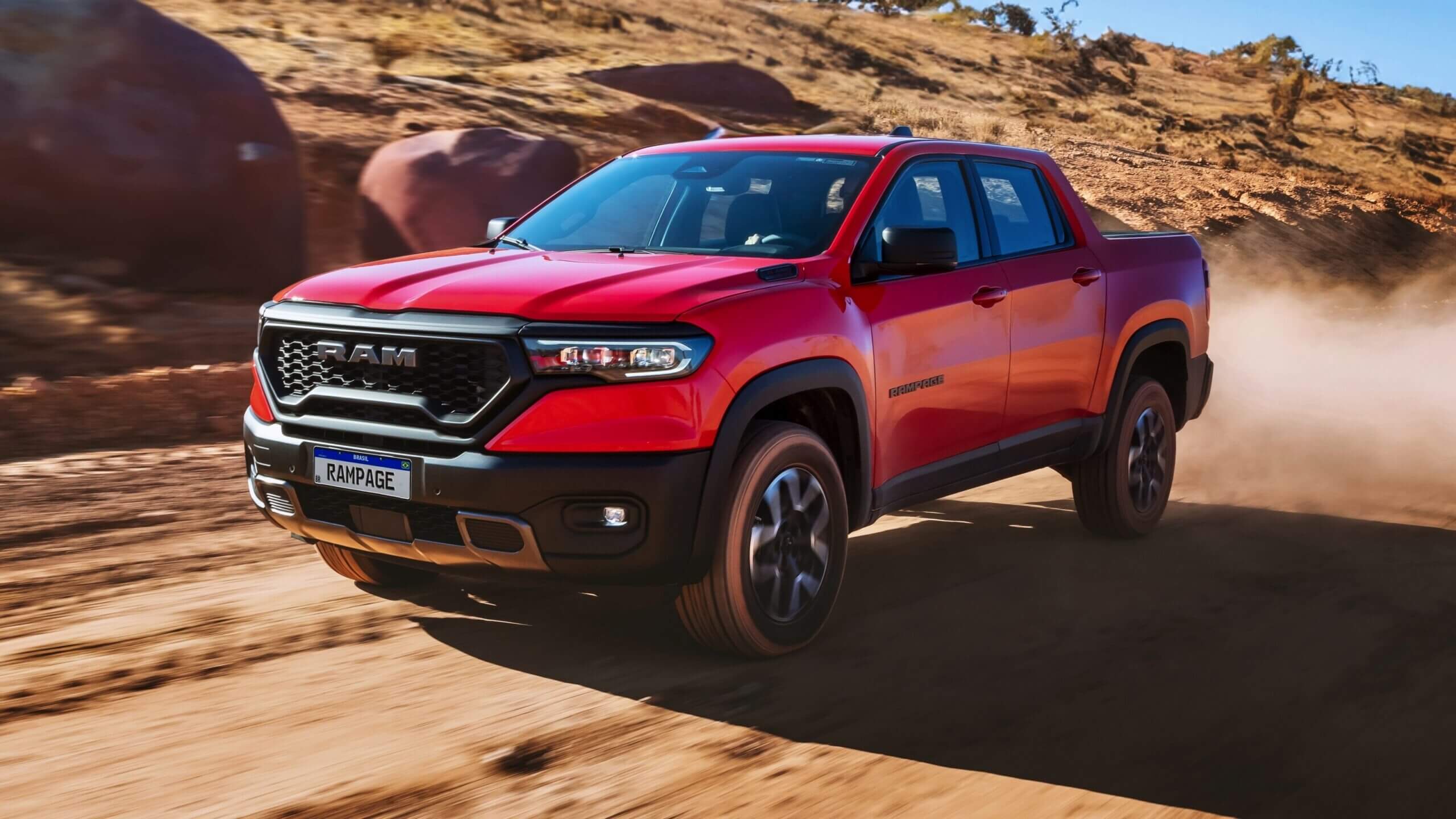
The 2025 model year represented a pivotal transition for the automotive industry, characterized by a shift toward high-performance electrified powertrains, advanced trailering technology, and refined cabin ergonomics. For buyers navigating the market in 2026, these vehicles serve as the foundation for the current pre-owned and late-model landscape, offering a blend of proven internal combustion engineering and cutting-edge hybrid or battery-electric integration that continues to define modern truck utility.
The Evolution of the 2025 Truck Segment
The 2025 model year was marked by manufacturers responding to two distinct consumer pressures: the demand for extreme off-road capability and the necessity for improved fuel efficiency without sacrificing towing capacity. As we look back at the releases that defined this cycle, it is clear that the focus shifted from raw horsepower alone to the management of torque delivery through sophisticated drive modes and chassis tuning.
Manufacturers like Ford, Chevrolet, Toyota, and Ram prioritized the integration of "smart" hardware. This included features such as integrated digital weigh scales, over-the-air update capabilities for drivetrain optimization, and more intuitive trailering assistance software. For a buyer today, understanding these 2025 models requires looking beyond the spec sheet to see how these technologies have matured in real-world conditions over the past twelve months.
Segment-Defining Trucks from the 2025 Class
The 2025 model year saw several significant updates and new entries that set the standard for the current market. These vehicles were highlighted as "worth the wait" due to substantial platform revisions or the introduction of new powertrain technology.
1. The Toyota Tacoma (Refined Gen 4)
Following its major redesign, the 2025 Toyota Tacoma solidified its reputation as the leader in the mid-size segment. The introduction of the i-FORCE MAX hybrid powertrain provided the torque curve necessary for serious overlanding, while the coil-spring rear suspension (available on higher trims) addressed the common criticism regarding ride comfort in previous generations.
2. The Ford F-150 Lightning and PowerBoost
In 2025, Ford continued to refine its electrification strategy. The F-150 Lightning saw improvements in thermal management, which became critical for owners living in extreme climates. Meanwhile, the PowerBoost hybrid remained a popular choice for contractors who required the "Pro Power Onboard" exportable power system, which allows the truck to function as a mobile generator.
3. The Chevrolet Silverado EV
The 2025 model year saw the wider availability of the Silverado EV. Unlike the standard internal combustion versions, this platform was built from the ground up as an electric vehicle, allowing for the "Multi-Flex Midgate" feature. This design choice effectively turned the cab into an extension of the bed, a feature that remains unique in the light-duty segment today.
4. The Ram 1500 (Hurricane Engine Shift)
The 2025 Ram 1500 was defined by the move away from the iconic HEMI V8 in favor of the twin-turbocharged 3.0-liter Hurricane inline-six engine. This transition was met with scrutiny from purists, yet 2026 data shows that the Hurricane engine offers superior thermal efficiency and comparable, if not better, real-world towing performance, proving that the move was a necessary evolution for emissions compliance and power output.
Comparative Analysis of Technical Specifications
When evaluating these vehicles, it is essential to distinguish between daily utility, towing requirements, and off-road capability. The following table provides a snapshot of the primary powertrain and capability benchmarks for these 2025 models.
| Truck Model | Primary Powertrain Type | Key Capability Focus | Notable 2025 Feature |
|---|---|---|---|
| Toyota Tacoma | Hybrid/Gas I4 | Off-road/Overlanding | Multi-link coil suspension |
| Ford F-150 | Hybrid (PowerBoost) | Work/Utility | Pro Power Onboard |
| Chevrolet Silverado EV | Battery Electric | Range/Utility | Multi-Flex Midgate |
| Ram 1500 | Twin-Turbo I6 | Towing/Refinement | Hurricane Engine Architecture |
Addressing the Transition: From 2025 to 2026
If you are shopping for a vehicle from the 2025 model year in 2026, you are in a unique position. The "new car" scent has worn off, and the initial reliability reports for these specific model years are now available.
One common mistake buyers make is failing to distinguish between the first year of a new design and a mid-cycle refresh. The 2025 Toyota Tacoma, for example, was a carry-over from its major 2024 launch, meaning the 2025 version benefited from the ironing out of early production bugs. In contrast, the Ram 1500's shift to the Hurricane engine represented a major mechanical change, requiring a higher degree of due diligence regarding software updates and drivetrain service history.
Practical Considerations for Buyers
Before purchasing a 2025 truck, consider the following technical and financial checkpoints:
- Software Versioning: Because 2025 models rely heavily on electronic control units (ECUs), verify that the vehicle has received all necessary over-the-air (OTA) updates. Many of these updates address transmission shift points and infotainment responsiveness.
- Charging Infrastructure (for EVs): If you are considering a 2025 Silverado EV or F-150 Lightning, ensure your home charging setup meets the amperage requirements for your specific daily commute.
- Engine Serviceability: With the shift to smaller displacement, forced-induction engines (like the Ram Hurricane), emphasize strict oil change intervals. Turbochargers have specific cooling requirements that, if ignored, can lead to premature wear.
Frequently Asked Questions
Are the 2025 hybrid trucks more reliable than the gas versions? Generally, yes, regarding drivetrain longevity. Hybrid systems, like Toyota’s i-FORCE MAX, use electric motors to assist during peak load, which reduces the total stress on the internal combustion components during acceleration.
Did the 2025 Ram 1500 lose towing capacity by dropping the V8? No. The Hurricane twin-turbo inline-six was engineered to meet or exceed the performance metrics of the HEMI V8. It produces higher peak torque at lower RPMs, which is objectively better for towing heavy loads.
Is it worth buying a 2025 electric truck in 2026? It depends on your infrastructure. If you have reliable home charging, the 2025 models represent a mature point in EV design. If you rely on public fast-charging, ensure the vehicle is compatible with the latest charging network standards, as 2025 was a transition year for hardware compatibility.
What is the most significant technological leap in the 2025 class? The integration of specialized chassis components—such as the rear coil-spring setup in the Tacoma—represents the most significant leap, as it fundamentally changed how mid-size trucks handle payload and terrain.
Do 2025 trucks have better resale value than older generations? Technological saturation has created a "floor" for these trucks. Vehicles equipped with advanced driver-assistance systems (ADAS) and high-output hybrid engines are currently seeing more stable depreciation curves compared to base-model internal combustion trucks.
Recommendation for Buyers
If you are looking to purchase a truck from the 2025 class in 2026, prioritize vehicles that have undergone at least one service inspection. Focus your search on models that have moved past their "first-year" status, such as the 2025 Toyota Tacoma. When test driving, pay specific attention to the transition between electric and gasoline power in hybrid models, as this is the primary area where modern engineering distinguishes itself from older, less refined systems. Always request the service records to confirm that all manufacturer-recommended software flashes and recall adjustments have been performed.