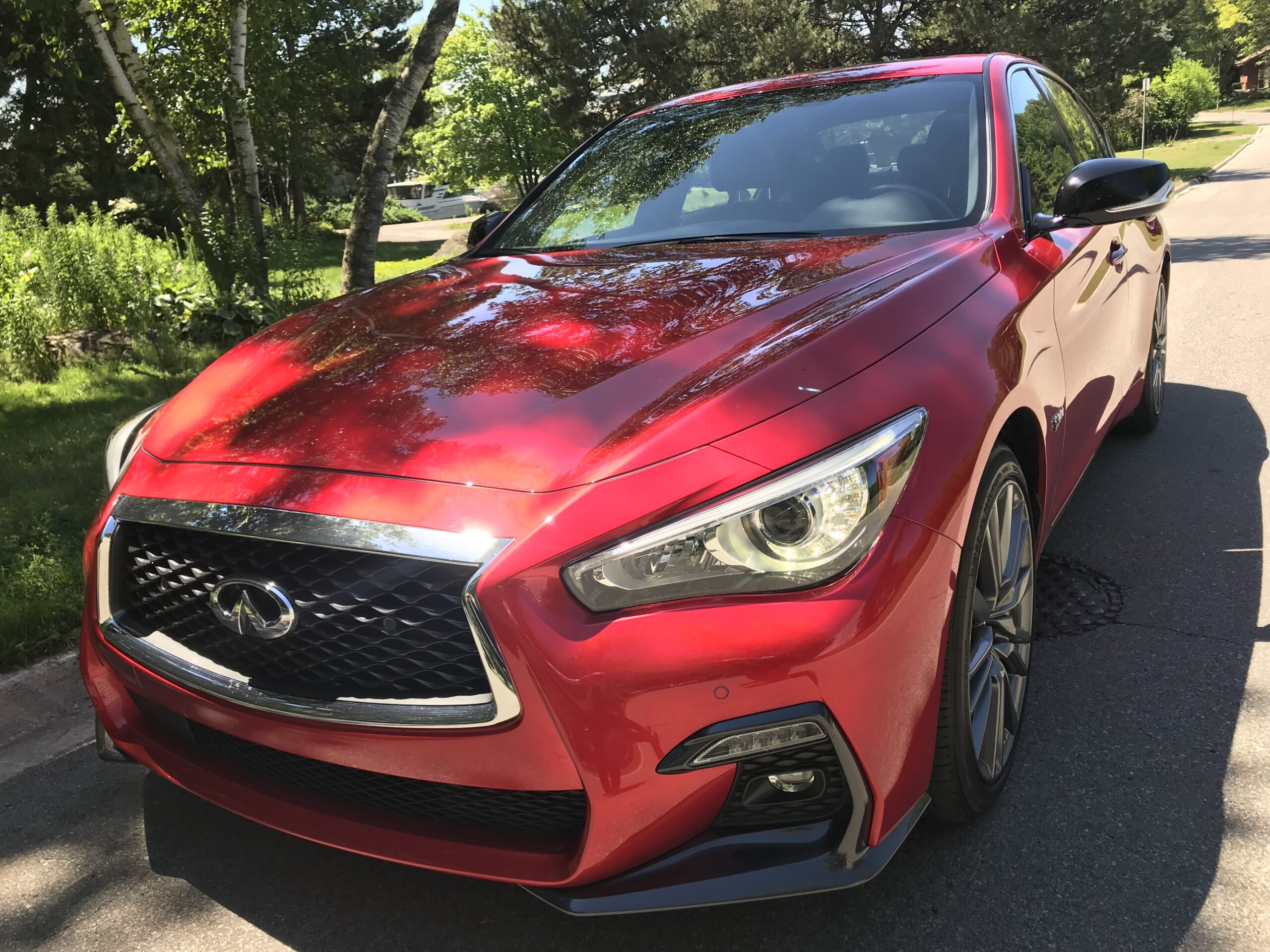
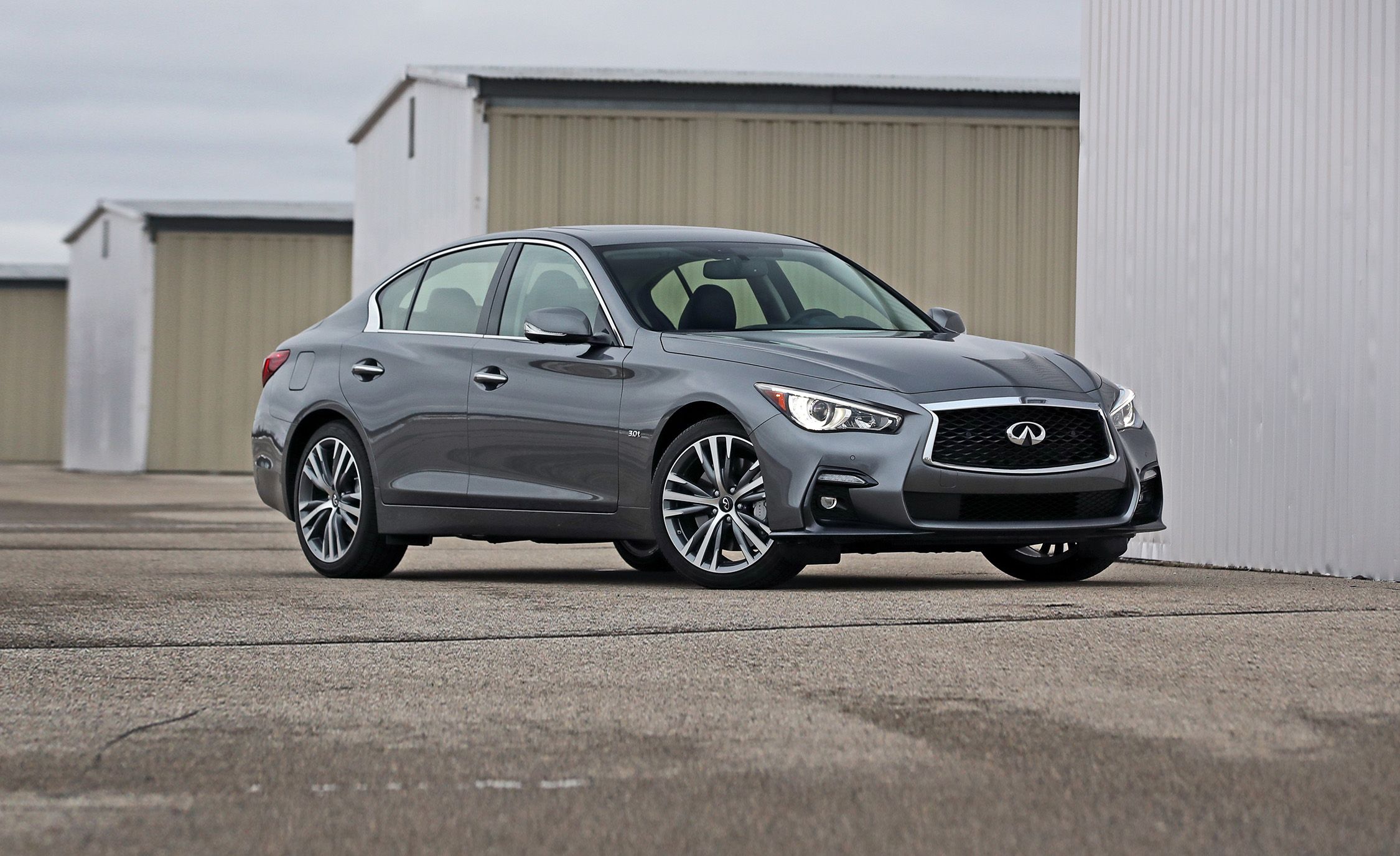
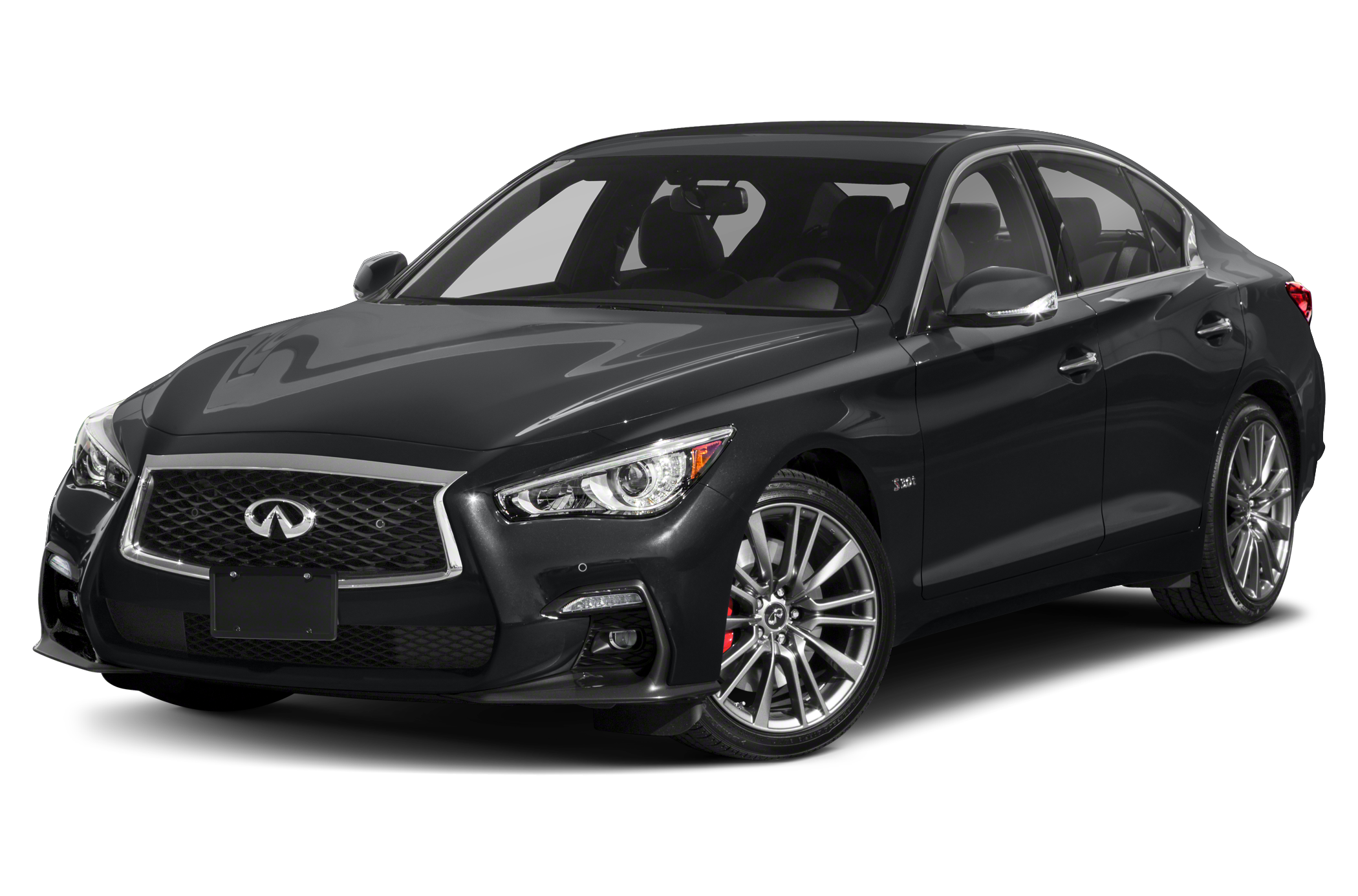
The 2018 Infiniti Q50 3.0t produces either 300 horsepower in the standard trim or 400 horsepower in the Red Sport 400 variant, courtesy of its twin-turbocharged 3.0-liter V6 VR30DDTT engine. This powertrain replaced the older naturally aspirated VQ-series engines, introducing forced induction, direct injection, and advanced electronic management to the luxury sport sedan segment.
Navigating the specifications, performance capabilities, and engineering nuances of the 2018 Infiniti Q50 3.0t requires looking past simple marketing numbers. For automotive enthusiasts, prospective buyers, and current owners, understanding how this engine delivers its power is essential for assessing its real-world performance, tuning potential, and long-term mechanical reliability.
1. Engine Architecture: The VR30DDTT Foundation
At the heart of every 2018 Infiniti Q50 3.0t is the Nissan VR30DDTT engine. Developed as a clean-sheet design to succeed the aging VQ37VHR, this 3.0-liter 24-valve V6 utilizes an aluminum block and cylinder heads, dual overhead camshafts, and a pair of compact, highly responsive turbochargers.
The designation "DDTT" stands for Direct Injection, Dual Turbocharger. By integrating the exhaust manifold directly into the cylinder head casting—a modern thermal-management strategy—engineers reduced the distance exhaust gases travel to the turbine wheels. This configuration minimizes turbo lag and allows the engine to spool up rapidly from low RPMs.
Direct gasoline injection injects fuel at high pressure directly into the combustion chambers, optimizing air-fuel mixing, improving thermal efficiency, and raising the compression ratio to 10.3:1. Despite operating under boost, this compression ratio ensures strong off-boost throttle response and efficient fuel consumption during casual cruising.
2. Horsepower and Torque Variations: 3.0t vs. Red Sport 400
Infiniti offered the 2018 Q50 3.0t in two distinct power states depending on the chosen trim level. Understanding the mechanical and software differences between these two versions clarifies why they yield vastly different performance profiles on the road and dyno.
The Standard 3.0t (300 Horsepower)
Found in trims such as the Pure, Luxe, and Sport, the standard tune produces:
- Horsepower: 300 hp at 6,400 RPM
- Torque: 295 lb-ft (400 Nm) from 1,600 to 5,200 RPM
This output provides swift acceleration, making highway passing effortless. The broad flat torque curve, which peaks just above idle, ensures that power is instantly accessible without needing to wring the engine out to redline.
The Red Sport 400 (400 Horsepower)
For buyers seeking higher performance, the Red Sport 400 model unlocks the engine's full potential:
- Horsepower: 400 hp at 6,400 RPM
- Torque: 350 lb-ft (475 Nm) from 1,600 to 5,200 RPM
To achieve the extra 100 horsepower and 55 lb-ft of torque, Infiniti implemented several hardware and software upgrades over the standard 3.0t:
- Dedicated Turbo Speed Sensor: Allows the engine control unit (ECU) to monitor and safely push the turbochargers to higher rotational speeds.
- Dual-Core Water-to-Air Intercooler System: An auxiliary coolant pump and heat exchanger system lower intake air temperatures more effectively than the standard setup, maintaining consistent power output during aggressive driving.
- Aggressive ECU Calibration: Higher peak boost targets (approaching 14.7 psi in the Red Sport compared to roughly 9.5 psi in the standard 3.0t) optimize fueling and ignition timing for maximum output.
3. Technical Specifications Comparison
To fully grasp how the power figures translate into vehicle specifications, the table below outlines the key performance, powertrain, and physical metrics of the 2018 Infiniti Q50 3.0t lineup.
| Specification | 2018 Infiniti Q50 3.0t (Standard) | 2018 Infiniti Q50 Red Sport 400 |
|---|---|---|
| Engine Type | 3.0L V6 Twin-Turbo (VR30DDTT) | 3.0L V6 Twin-Turbo (VR30DDTT) |
| Horsepower | 300 hp @ 6,400 RPM | 400 hp @ 6,400 RPM |
| Torque | 295 lb-ft @ 1,600–5,200 RPM | 350 lb-ft @ 1,600–5,200 RPM |
| Transmission | 7-speed automatic with manual shift mode | 7-speed automatic with paddle shifters |
| Drivetrain | Rear-Wheel Drive (RWD) / Intelligent AWD | Rear-Wheel Drive (RWD) / Intelligent AWD |
| Boost Pressure | ~9.5 psi | ~14.7 psi |
| 0–60 mph Time (Estimated) | ~5.3 seconds | ~4.5 seconds |
| Fuel Economy (EPA City/Hwy) | 20/29 mpg (RWD) | 20/26 mpg (RWD) |
4. Transmission and Drivetrain Integration
An engine's horsepower is only as effective as the transmission translating it to the road. The 2018 Q50 3.0t utilizes a 7-speed automatic transmission (RE7R01B) featuring Adaptive Shift Control. This transmission learns driver behavior and road conditions, holding gears longer during spirited driving or shifting early to maximize fuel economy during commuting.
Models equipped with the Red Sport 400 add magnesium paddle shifters mounted to the steering column, offering manual gear selection. While the transmission shifts smoothly in automatic mode, manual downshifts rev-match to keep the engine in its optimal power band.
Buyers could pair either horsepower tier with Rear-Wheel Drive (RWD) or Infiniti’s Intelligent All-Wheel Drive (AWD) system. The AWD system features a rear-biased torque split, sending 100% of power to the rear wheels under normal conditions and transferring up to 50% to the front wheels when wheel slippage is detected. While AWD adds weight (roughly 170–200 lbs), it significantly improves launch traction in wet or snowy climates.
5. Direct Adaptive Steering (DAS) and Suspension Dynamics
Power delivery interacts closely with the chassis and steering systems. The 2018 Q50 3.0t models frequently feature Infiniti’s second-generation Direct Adaptive Steering (DAS) system. DAS is a steer-by-wire system that eliminates the mechanical linkage between the steering wheel and the front wheels under normal driving conditions, using electronic actuators instead.
While controversial among purists due to its lack of traditional mechanical feedback, DAS offers ultra-fast steering response and customizable weight and ratio settings via the Drive Mode Selector. Standard mechanical rack-and-pinion steering remains present on base models.
Suspension setups vary across trims. Sport and Red Sport 400 models feature Dynamic Digital Suspension (DDS), an electronic damping system with continuously adjustable shock absorbers. Drivers can switch between Standard, Sport, and Sport+ modes to stiffen the dampers, reducing body roll during cornering and allowing the car to fully utilize its horsepower through tight bends.
6. Real-World Performance and Driving Impressions
On the road, the 2018 Infiniti Q50 3.0t delivers a grand touring character rather than a stripped-down track car experience.
The standard 300-horsepower model pulls cleanly from a standstill, with maximum torque arriving early enough to eliminate the hesitation often associated with older turbo engines. Highway passing requires minimal throttle input, as the 7-speed transmission drops down a gear or relies on the deep low-end torque band.
The Red Sport 400 changes the dynamic significantly. Mid-range acceleration is violent by luxury sedan standards, pressing occupants firmly into their seats. The upgraded intercooler system keeps power delivery stable during repeated acceleration runs, although sustained track use can still result in heat soak.
Fuel economy remains competitive. Rear-wheel-drive models achieve an EPA-estimated 20 mpg city and 29 mpg highway for the 300-hp variant, while the Red Sport drops slightly to 26 mpg highway due to more aggressive fueling maps and higher boost levels.
7. Aftermarket Tuning and Modification Potential
One of the primary reasons the 2018 Infiniti Q50 3.0t remains popular in the enthusiast community is the inherent headroom built into the VR30DDTT engine blocks. Because the 300-hp standard model shares most of its core block architecture with the Red Sport 400, it responds exceptionally well to aftermarket modifications.
- ECU Tuning (Flash Tunes & Piggyback Boxes): A simple plug-and-play tuning module or a custom ECU reflash can push a standard 300-hp model well past the 400-hp mark, often exceeding the factory Red Sport output using stock hardware.
- Bolt-On Upgrades: Upgrading the heat exchanger is one of the most common first modifications for Q50 owners, as the factory cooling system in non-Red Sport models can suffer from heat soak under sustained boost. Cold air intakes, downpipes, and cat-back exhaust systems further increase exhaust flow and turbine efficiency.
- Reliability Considerations: Tuners note that while the VR30DDTT handles increased boost well, pushing torque figures past 400 lb-ft puts stress on the stock transmission and driveshaft components. Proper maintenance, higher octane fuel (91+ octane), and upgraded heat management are vital prerequisites for modified engines.
Frequently Asked Questions
What is the difference in horsepower between the 2018 Infiniti Q50 3.0t and the Red Sport 400?
The standard 2018 Infiniti Q50 3.0t produces 300 horsepower, while the Red Sport 400 produces 400 horsepower. Both share the same 3.0-liter twin-turbo V6 engine, but the Red Sport 400 utilizes higher turbo boost pressure, a dedicated turbo speed sensor, and a secondary water-to-air intercooler system to safely extract the extra 100 horsepower.
Can you upgrade a standard 300hp Q50 3.0t to 400 horsepower?
Yes. Because the standard 300-hp engine shares its core mechanical architecture with the Red Sport 400, aftermarket ECU tunes can easily push power output past 400 horsepower. However, owners modifying non-Red Sport models should install an upgraded aftermarket heat exchanger to manage intake air temperatures and prevent power loss from heat soak.
Does the 2018 Infiniti Q50 3.0t require premium fuel?
Yes, Infiniti recommends using premium unleaded gasoline (91 octane or higher) for the 3.0t engine. Using lower-octane fuel can cause the engine control unit to retard ignition timing to prevent engine knocking, which results in a noticeable reduction in horsepower and throttle response.
How fast is the 0–60 mph time for the 2018 Q50 3.0t?
The standard 300-horsepower Q50 3.0t accelerates from 0 to 60 mph in approximately 5.3 seconds. The higher-output Red Sport 400 cuts that time down to approximately 4.5 seconds, depending on whether the vehicle is configured with rear-wheel drive or all-wheel drive.
Is the VR30DDTT engine in the 2018 Q50 reliable?
The VR30DDTT engine is generally robust when properly maintained, but early production years (2016–2018) experienced occasional reports of turbocharger failure due to bearing wear and wastegate actuator issues. Regular oil changes every 5,000 miles, monitoring coolant levels, and avoiding excessive boost on unmodified cooling systems help ensure long-term reliability.
Conclusion and Recommendations
The 2018 Infiniti Q50 3.0t strikes a compelling balance between luxury comfort and twin-turbo performance. Whether choosing the balanced 300-horsepower variant or the high-output Red Sport 400, buyers receive a responsive, torque-rich engine capable of effortless cruising and spirited driving. Prospective owners should verify maintenance history—particularly oil change intervals and cooling system health—and test-drive both power tiers to determine which setup best aligns with their driving style.