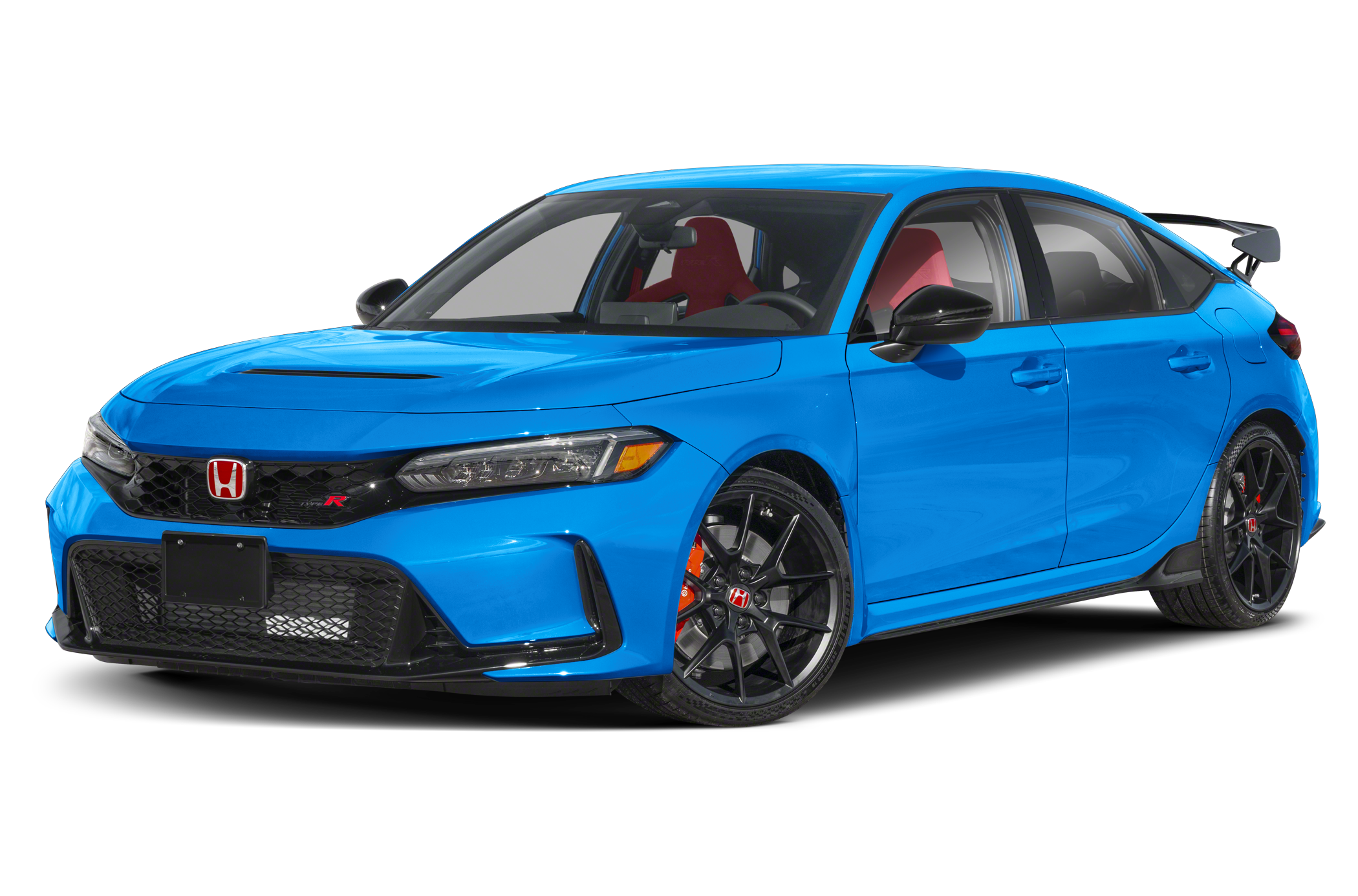
The 2018 Honda Civic Type R features a standard curb weight of approximately 3,117 pounds (1,414 kilograms) in its North American specification. This mass strikes a careful balance between structural rigidity, aerodynamic equipment, and a turbocharged powertrain, directly influencing the vehicle's track handling, straight-line acceleration, and power-to-weight ratio.
Understanding the mass of a high-performance vehicle requires looking beyond a single manufacturer figure. For enthusiasts, automotive technicians, and prospective buyers, the weight of the 2018 Honda Civic Type R impacts everything from fuel economy and tire wear to suspension tuning and regulatory classification. As a front-wheel-drive hot hatchback built on the tenth-generation Civic platform, the Type R incorporates extensive structural reinforcements, an active damping system, and a complex aerodynamic package. Examining how this weight is distributed and how it compares to contemporary rivals provides critical context for evaluating the car's dynamic capabilities.
Technical Specifications and Curb Weight Breakdown
The official curb weight of the 2018 Honda Civic Type R is rated at 3,117 lbs for the United States market (Touring trim equivalent, as only one well-equipped trim level was offered for the Type R during its initial North American rollout). In other global markets, minor variations in standard equipment, emissions compliance hardware, and safety regulations create slight fluctuations in mass.
Curb weight refers to the total weight of the vehicle with standard equipment, all necessary operating consumables such as engine oil and coolant, a full tank of fuel, and no occupants or cargo. For the 2018 Type R, the weight distribution is heavily front-biased due to the transverse front-engine layout, front-wheel-drive architecture, and the heavy-duty six-speed manual transmission paired with a helical limited-slip differential.
Weight Distribution and Chassis Engineering
Approximately 62% to 63% of the Type R's weight rests over the front axle, while the remaining 37% to 38% supports the rear. Managing this front-heavy distribution presented a significant engineering challenge for Honda's development team. To counteract potential understeer and torque steer, engineers implemented a dual-axis strut front suspension system that physically separates the steering axis from the shock absorber geometry. This mechanical layout minimizes the disruptive torque forces transmitted through the steering wheel during heavy acceleration.
Furthermore, the tenth-generation Civic platform utilized advanced high-strength steel and structural adhesives. Compared to the standard Civic hatchback upon which it is based, the Type R chassis incorporates structural enhancements that increase torsional rigidity by 38% and bending rigidity by 45%. While these reinforcements add necessary mass to withstand high cornering loads on a racetrack, they contribute directly to the vehicle's overall curb weight.
Aerodynamics, Body Paneling, and Mass Contribution
The aggressive exterior styling of the 2018 Honda Civic Type R is not merely aesthetic; every vent, wing, and splitter serves an aerodynamic function. However, these components add physical mass to the vehicle.
The prominent rear wing, vortex generators along the roofline, functional hood scoop, front splitter, and side skirts collectively alter the vehicle's mass distribution and total weight. While composite materials are used strategically to reduce weight, the cumulative effect of a multi-piece aerodynamic kit adds several pounds compared to a standard baseline hatchback.
Material Choices and Weight-Saving Strategies
To keep the 3,117-pound curb weight from creeping higher, Honda utilized weight-saving measures where feasible:
- Aluminum Hood: The hood of the 2018 Type R is stamped from aluminum rather than steel, significantly reducing weight at the highest and furthest point forward in the chassis.
- Resin Tailgate: The rear tailgate structure is constructed from lightweight composite resin materials, offsetting the weight penalty imposed by the massive rear wing assembly.
- Exhaust Optimization: The triple-outlet center exhaust system utilizes a specialized layout that routes exhaust gases to suppress unwanted drone while shedding weight compared to traditional dual-muffler configurations.
Despite these measures, the inclusion of heavy-duty performance components—such as larger Brembo brake calipers, 20-inch alloy wheels wrapped in wide 245/30 R20 high-performance tires, and an adaptive damper system—ensures that the car remains solidly in the 3,100-pound class.
Comparative Analysis: 2018 Civic Type R vs. Competitors
To fully appreciate the 3,117-pound weight of the 2018 Honda Civic Type R, it must be contextualized against other high-performance hatchbacks and sports cars from the same era. Hot hatchbacks generally carry a weight penalty compared to dedicated two-door sports cars due to their four-door practicality, hatchback utility, and reinforced unibody structures.
| Vehicle Model | Approximate Curb Weight (lbs) | Drivetrain Layout | Engine Type |
|---|---|---|---|
| 2018 Honda Civic Type R (FK8) | 3,117 | Front-Engine, Front-Wheel Drive | 2.0L Turbocharged Inline-4 |
| 2018 Volkswagen Golf R | 3,300 – 3,400 | Front-Engine, All-Wheel Drive | 2.0L Turbocharged Inline-4 |
| 2018 Ford Focus RS | 3,461 | Front-Engine, All-Wheel Drive | 2.3L Turbocharged Inline-4 |
| 2018 Subaru WRX STI | 3,419 – 3,450 | Front-Engine, All-Wheel Drive | 2.5L Turbocharged Boxer-4 |
| 2018 MINI John Cooper Works Hardtop | 2,890 – 2,950 | Front-Engine, Front-Wheel Drive | 2.0L Turbocharged Inline-4 |
As illustrated in the comparison table, the 2018 Honda Civic Type R is notably lighter than its primary all-wheel-drive competitors, such as the Ford Focus RS and the Volkswagen Golf R. All-wheel-drive systems require additional mechanical hardware—including a transfer case, a driveshaft, a rear differential, and half-shafts—which typically adds 200 to 350 pounds of dead weight to the chassis. By remaining front-wheel-drive, the Type R avoids this mass penalty, translating into superior agility and sharper turn-in response on technical circuits.
Performance Impact: How Weight Affects Dynamics
Vehicle mass is directly tied to acceleration, braking distances, cornering grip, and fuel efficiency. The 3,117-pound curb weight of the 2018 Honda Civic Type R interacts with its 306-horsepower 2.0-liter turbocharged VTEC engine to deliver a favorable power-to-weight ratio.
Power-to-Weight Ratio
With 306 horsepower moving 3,117 pounds, the Type R maintains a ratio of approximately 10.2 pounds per horsepower. This efficiency allows the front-wheel-drive hatchback to achieve a 0-to-60 mph sprint in roughly 4.9 to 5.4 seconds, depending on track surface conditions, tire temperature, and driver skill. While front-wheel-drive vehicles inherently face traction limitations during initial launch compared to all-wheel-drive competitors, the Type R utilizes its mechanical limited-slip differential and wide contact patch to put power down effectively once rolling.
Braking and Thermal Management
Stopping a 3,117-pound vehicle from high speeds places immense thermal stress on the braking system. The 2018 Type R addresses this with 13.8-inch cross-drilled front rotors clamped by four-piston Brembo aluminum calipers. The mass of the vehicle dictates how quickly these brakes absorb and dissipate kinetic energy. Extensive track testing shows that while the stock braking system exhibits exceptional initial bite and resistance to fade, prolonged track sessions can push the fluid and pads to their thermal limits, a common trait for track-capable street cars in this weight class.
Payload Capacity, Gross Vehicle Weight Rating (GVWR), and Practicality
While enthusiasts evaluate curb weight for performance, owners must also consider Gross Vehicle Weight Rating (GVWR) and payload limits for daily usability. The GVWR represents the maximum operating weight permitted for the vehicle, including passengers, cargo, and tongue weight if towing (though towing is not officially rated for the North American Type R).
For the 2018 Honda Civic Type R, the GVWR is approximately 4,000 pounds, leaving a total payload capacity of roughly 850 to 900 pounds. This payload rating accounts for up to five adult passengers and luggage within the hatchback cargo area. Exceeding this limit alters the vehicle's suspension geometry, reduces cornering predictability, and accelerates wear on the tires and wheel bearings.
Frequently Asked Questions
What is the exact curb weight of a 2018 Honda Civic Type R?
The official curb weight for the North American specification 2018 Honda Civic Type R is 3,117 pounds (1,414 kilograms). This figure includes a full tank of fuel and all standard factory equipment.
Is the 2018 Honda Civic Type R heavier than a standard Civic hatchback?
Yes. The 2018 Type R is heavier than a standard tenth-generation Civic hatchback due to structural chassis reinforcements, a larger 2.0-liter turbocharged engine, a heavy-duty six-speed manual transmission, larger brakes, wider wheels and tires, and the aerodynamic body kit.
How does the weight of the Type R affect its fuel economy?
Despite its performance focus, the 2018 Type R maintains a relatively modest weight for a high-output vehicle, helping it achieve EPA fuel economy ratings of 22 mpg city, 28 mpg highway, and 25 mpg combined. Maintaining a lower curb weight reduces the energy required to accelerate from a stop.
Can you reduce the weight of a 2018 Honda Civic Type R through modifications?
Yes. Owners frequently reduce track weight by installing lightweight forged wheels, a titanium or lightweight stainless steel cat-back exhaust system, and lighter racing bucket seats. Removing rear seats is also common among track enthusiasts, though it diminishes daily utility.
Does the weight distribution cause severe understeer?
While the Type R carries roughly 62% of its weight over the front wheels, Honda engineered sophisticated suspension geometry—including the dual-axis strut setup and adaptive dampers—to mitigate understeer and provide neutral, predictable handling dynamics under hard cornering.
Conclusion and Next Actions
The 2018 Honda Civic Type R achieves a carefully calculated compromise between structural mass and dynamic capability. At 3,117 pounds, it remains lighter than most all-wheel-drive competitors while offering robust track performance and everyday practicality. For current owners and prospective buyers, understanding this mass provides a foundation for selecting appropriate tire compounds, managing brake temperatures during track days, and maintaining proper suspension alignment. When servicing or modifying the vehicle, always verify component weights against factory specifications to preserve the balanced handling characteristics engineered into the chassis.