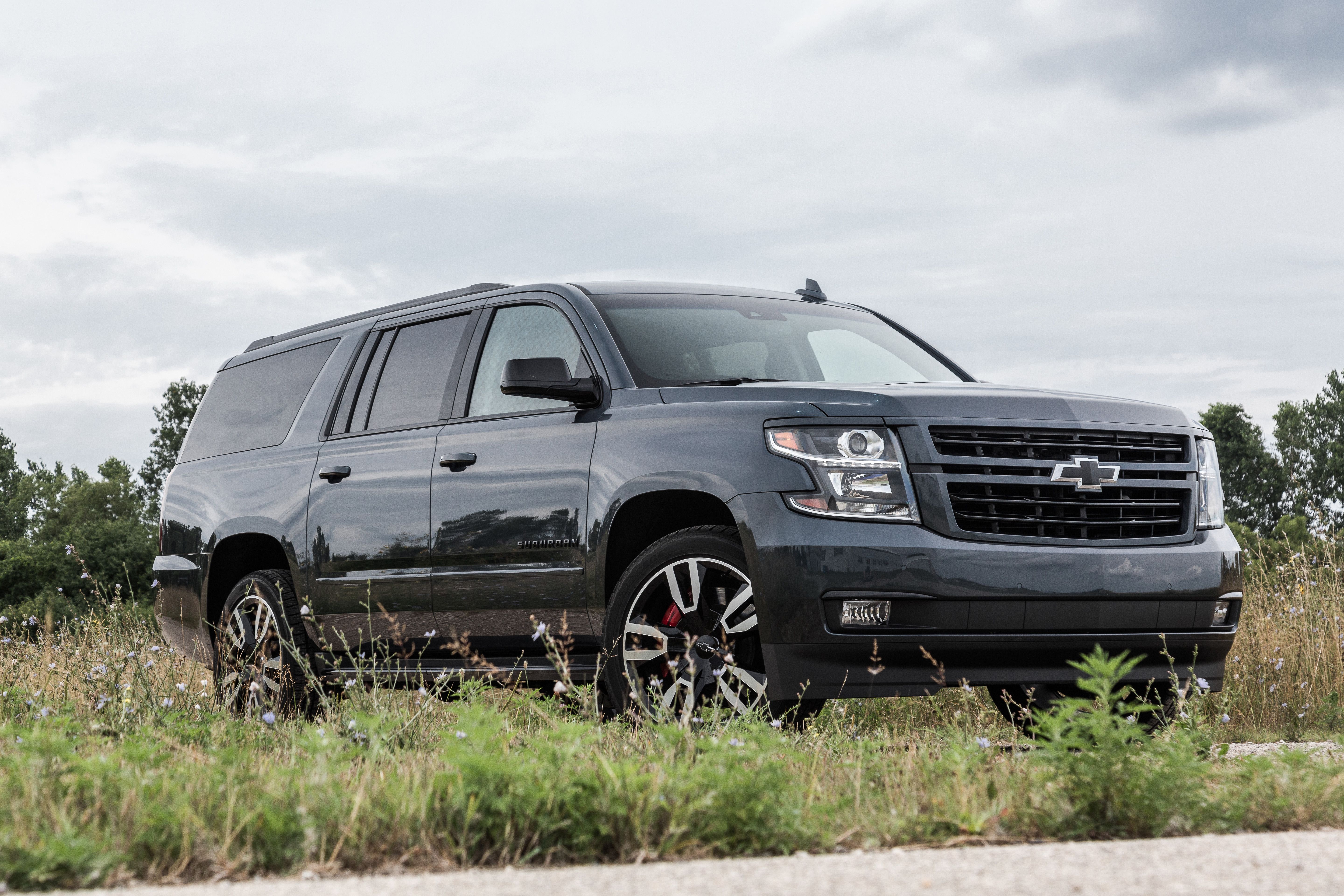
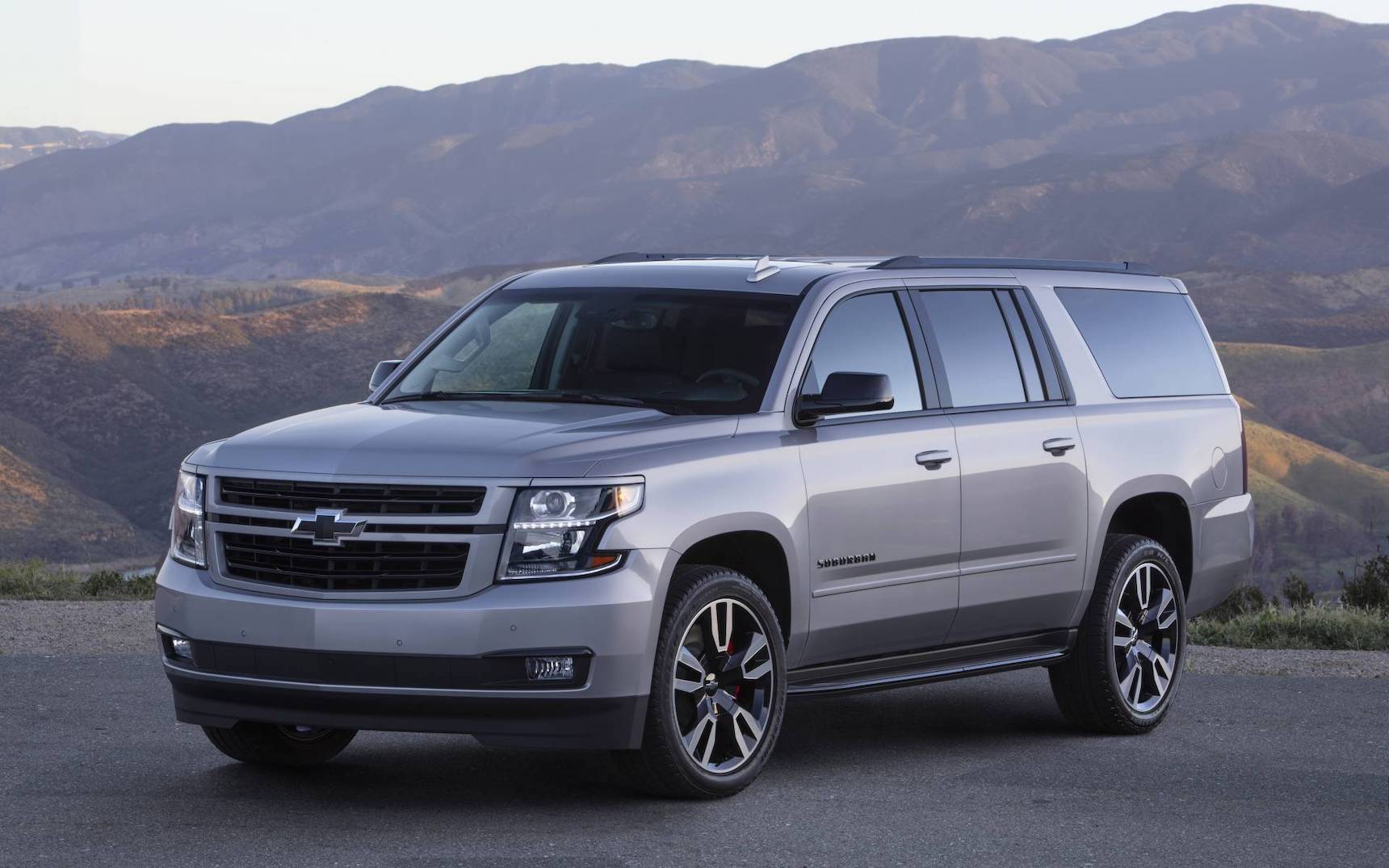
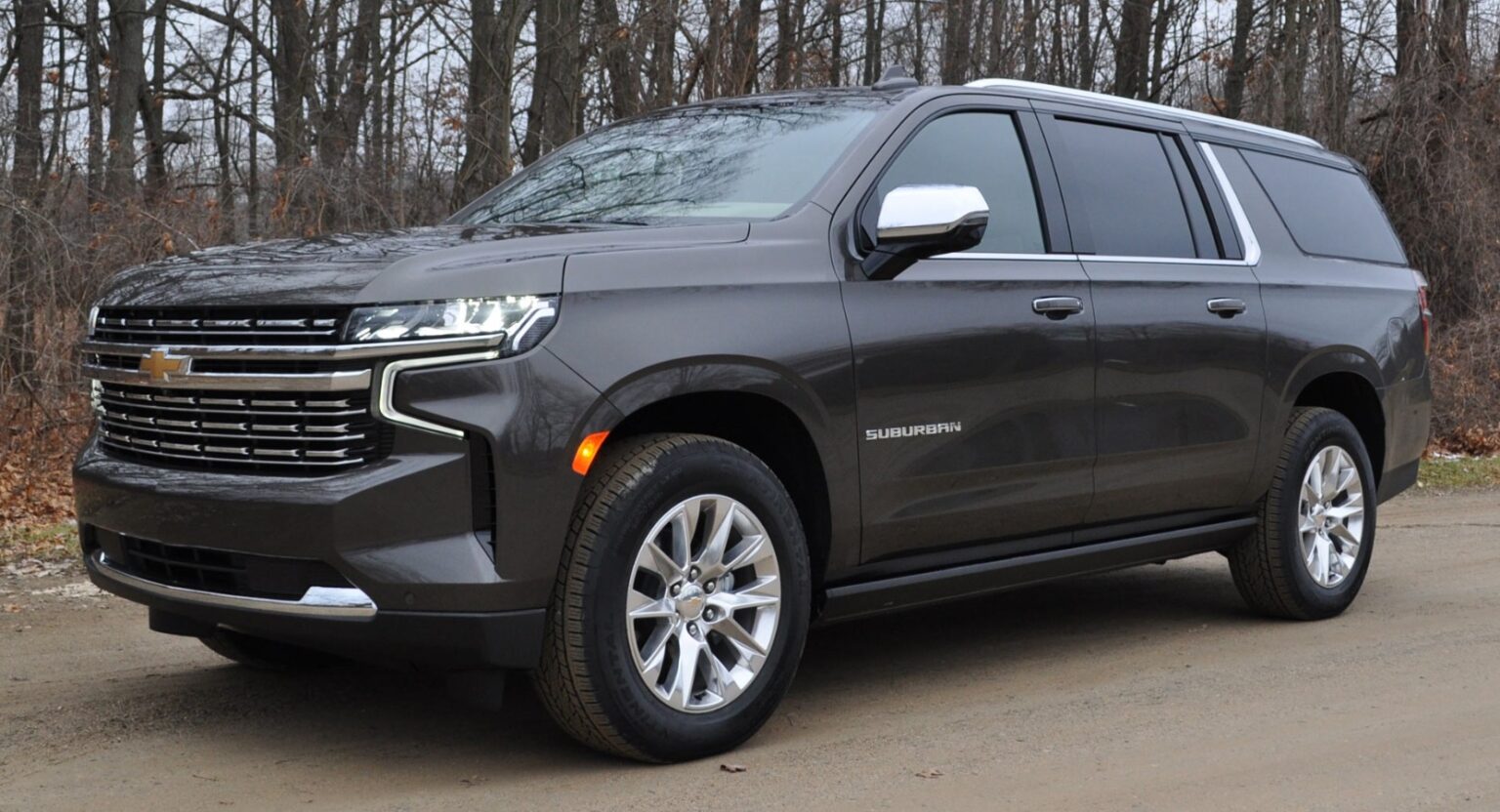
The 2017 Chevrolet Suburban achieves an official EPA rating of 16 mpg city, 23 mpg highway, and 19 mpg combined for two-wheel-drive (2WD) models. Four-wheel-drive (4WD) variants see a slight reduction, rating at 15 mpg city, 22 mpg highway, and 18 mpg combined. Equipped with a 31-gallon fuel tank, the full-size SUV delivers a practical highway driving range exceeding 600 miles under ideal conditions.
Official EPA Fuel Economy Ratings for the 2017 Chevrolet Suburban
When evaluating a full-size, body-on-frame vehicle like the 11th-generation Chevrolet Suburban (spanned 2015–2020), fuel economy must be viewed through the lens of its massive utility and weight. Weighing between 5,500 and 5,800 pounds depending on equipment and drivetrain, moving this three-row SUV requires substantial energy.
The Environmental Protection Agency (EPA) tested the 2017 Suburban using standard test cycles designed to mirror typical driving behaviors. The primary mechanical distinction affecting fuel efficiency across the lineup is whether the vehicle is equipped with standard rear-wheel drive (2WD) or optional four-wheel drive (4WD).
| Drivetrain Configuration | EPA City MPG | EPA Highway MPG | EPA Combined MPG | Fuel Tank Capacity | Theoretical Max Range (Highway) |
|---|---|---|---|---|---|
| 2WD 5.3L V8 (Unleaded) | 16 mpg | 23 mpg | 19 mpg | 31.0 gallons | 713 miles |
| 4WD 5.3L V8 (Unleaded) | 15 mpg | 22 mpg | 18 mpg | 31.0 gallons | 682 miles |
| 2WD 5.3L V8 (E85 FlexFuel) | 12 mpg | 17 mpg | 14 mpg | 31.0 gallons | 527 miles |
| 4WD 5.3L V8 (E85 FlexFuel) | 11 mpg | 16 mpg | 13 mpg | 31.0 gallons | 496 miles |
The 2017 Suburban is also a FlexFuel-capable vehicle, meaning it can operate on E85 ethanol blend. However, because ethanol contains roughly 27% less energy per gallon than pure gasoline, running E85 results in a dramatic reduction in fuel economy—dropping highway efficiency by 5 to 6 mpg. Drivers seeking to minimize fill-up frequency or maximize cost efficiency typically stick to standard 87-octane unleaded gasoline.
Powertrain Dynamics and Fuel-Saving Technologies
Every trim level of the 2017 Chevrolet Suburban—from the base LS to the LT and top-tier Premier (which replaced the LTZ trim for 2017)—is powered by a single engine option: General Motors' 5.3-liter EcoTec3 V8 (engine code L83). Engine output stands at 355 horsepower at 5,600 rpm and 383 lb-ft of torque at 4,100 rpm.
To balance heavy towing capabilities with competitive fuel economy figures, GM integrated three core technologies into the EcoTec3 engine architecture:
1. Active Fuel Management (AFM)
Active Fuel Management is GM's proprietary cylinder deactivation technology. Under light-load driving conditions—such as cruising on a flat highway or coasting down a minor incline—the engine control module (ECM) deactivates hydraulic lifters on four of the eight cylinders (cylinders 1, 4, 6, and 7). This effectively transforms the 5.3L V8 into a 2.65L V4.
The transition between V8 and V4 modes occurs in milliseconds without driver intervention. By deactivating half the cylinders, pumping losses are reduced, and fuel consumption drops significantly during steady-state highway travel.
2. Direct Fuel Injection
Unlike traditional port-injection systems that spray fuel into the intake manifold, direct injection delivers high-pressure gasoline directly into the combustion chamber. This enables precise metering of the air-fuel ratio and allows for a higher compression ratio (11.0:1). The result is complete, efficient combustion, which maximizes power output per drop of fuel while curtailing unburned hydrocarbon emissions.
3. Variable Valve Timing (VVT)
The engine utilizes a continuously variable valve timing system operating on a single overhead cam design. By altering camshaft timing relative to engine speed and load, VVT optimizes engine breathing across the entire rev range. At low speeds, VVT ensures strong low-end torque for acceleration; at highway speeds, it reduces overlap to maximize fuel efficiency.
Hydra-Matic 6-Speed Transmission
Managing power delivery to the wheels is the Hydra-Matic 6L80 six-speed automatic transmission. The transmission features two overdrive gears (5th gear at 0.85:1 and 6th gear at 0.67:1). These high gear ratios keep engine speeds exceptionally low during highway travel. At 65 mph, the engine typically turns over at around 1,500 to 1,600 rpm when paired with the standard 3.08 rear axle ratio, directly reducing fuel consumption during long trips.
Real-World MPG Expectations vs. Official EPA Ratings
While official EPA ratings provide a standard baseline for comparison, real-world fuel economy for the 2017 Chevrolet Suburban frequently strays from these figures depending on environmental, mechanical, and operational factors.
Highway Cruising Speeds
The EPA highway test protocol relies on a maximum speed of 60 mph and an average speed of 48.3 mph. Modern highway traffic, however, often flows at speeds of 70 to 80 mph.
Because aerodynamic drag increases exponentially with vehicle speed, the tall, square profile of the Suburban suffers notable efficiency losses above 65 mph:
- Cruising at 60–65 mph: Real-world fuel economy often meets or slightly exceeds the EPA rating, yielding 22–24 mpg in 2WD configurations.
- Cruising at 70–75 mph: Fuel economy typically drops to 19–21 mpg.
- Cruising above 75 mph: Increased aerodynamic resistance pulls efficiency down to 16–18 mpg.
Passenger and Cargo Payloads
The Suburban is built to transport up to nine occupants or haul up to 121.7 cubic feet of cargo behind the front seats. Driving unladen with only a driver behind the wheel allows the Active Fuel Management system to engage V4 mode frequently.
However, loading the SUV with seven passengers, luggage, and a full load of cargo adds 1,000 to 1,500 pounds of mass. This extra weight forces the engine to operate under higher load thresholds, keeping all eight cylinders engaged almost continuously and reducing city and combined mileage by 2 to 3 mpg.
Towing Performance
When properly equipped with the Max Trailering Package (which includes a 3.42 rear axle ratio and an integrated trailer brake controller), the 2017 2WD Suburban can tow up to 8,300 pounds (8,000 pounds for 4WD models).
Towing heavy loads like travel trailers, horse trailers, or boats drastically reduces fuel economy:
- Light Towing (under 3,000 lbs): Expect 13–16 mpg.
- Heavy Towing (5,000–8,000 lbs): Expect 9–12 mpg, depending on terrain and wind resistance.
When pulling heavy loads, the transmission downshifts to higher RPMs to maintain momentum, and the AFM system stays locked in V8 mode to prevent engine strain.
2017 Suburban Fuel Economy vs. Key Competitors
To understand the 2017 Suburban's fuel efficiency profile, it helps to compare it against its primary competitors from the 2017 model year. The full-size SUV segment during this period included options featuring direct-injected V6 turbochargers, large naturally aspirated V8s, and platform-shared stablemates.
| Vehicle | Engine / Transmission | Drivetrain | EPA City | EPA Highway | EPA Combined |
|---|---|---|---|---|---|
| 2017 Chevrolet Suburban | 5.3L V8 / 6-Speed Auto | 2WD | 16 mpg | 23 mpg | 19 mpg |
| 2017 Chevrolet Suburban | 5.3L V8 / 6-Speed Auto | 4WD | 15 mpg | 22 mpg | 18 mpg |
| 2017 Ford Expedition EL | 3.5L Twin-Turbo V6 / 6-Speed Auto | 2WD | 15 mpg | 20 mpg | 17 mpg |
| 2017 Ford Expedition EL | 3.5L Twin-Turbo V6 / 6-Speed Auto | 4WD | 14 mpg | 19 mpg | 16 mpg |
| 2017 GMC Yukon XL | 5.3L V8 / 6-Speed Auto | 2WD | 16 mpg | 23 mpg | 19 mpg |
| 2017 Toyota Sequoia | 5.7L V8 / 6-Speed Auto | 2WD | 13 mpg | 17 mpg | 15 mpg |
| 2017 Nissan Armada | 5.6L V8 / 7-Speed Auto | 2WD | 14 mpg | 19 mpg | 16 mpg |
Key Takeaways from the Comparison
- Superior Highway Efficiency: The 2017 Suburban (along with its sister vehicle, the GMC Yukon XL) outperformed the 2017 Ford Expedition EL on the highway by 3 mpg, despite the Expedition using a smaller 3.5-liter twin-turbo EcoBoost V6. The Suburban's Active Fuel Management and lower cruising RPM gave it an edge during long-distance highway travel.
- Dominance over Asian Rivals: Toyota's Sequoia and Nissan's Armada lagged behind significantly in fuel efficiency. The 5.7L V8 in the Sequoia lacked cylinder deactivation technology, causing it to consume up to 6 more gallons of fuel per highway tank than the Suburban.
- Axle Ratio Trade-Offs: Suburbans equipped with the standard 3.08 rear axle ratio achieve the highest EPA ratings. Models equipped with the optional 3.42 axle ratio (found in the Max Trailering Package) deliver quicker off-the-line acceleration and better towing capability, but engine speed is roughly 11% higher at highway speeds, resulting in a minor penalty of 1 to 2 mpg on open highways.
Technical Factors Influencing Used 2017 Suburban Mileage
As these vehicles accumulate mileage on the road, mechanical wear and vehicle maintenance play an increasingly critical role in maintaining fuel efficiency. Buyers looking at pre-owned 2017 Suburbans should note several mechanical components that directly impact gas mileage.
Active Fuel Management Lifter & Valve Wear
The AFM system relies on oil pressure to lock and unlock the collapsible lifters on deactivating cylinders. If regular oil changes using dexos1-certified synthetic oil are neglected, oil passages can sludge up.
Faulty AFM lifters or worn solenoids can prevent the system from entering V4 mode, locking the vehicle in V8 mode continuously and reducing average fuel efficiency by 1 to 2 mpg. In severe cases, sticky lifters can cause misfires, leading to unburned fuel entering the exhaust and degrading fuel economy even further.
Intake Valve Carbon Accumulation
Because the 5.3L EcoTec3 L83 engine uses direct injection, fuel is sprayed straight into the combustion chamber rather than over the back of the intake valves. As a result, gas detergent additive oils do not wash over the intake valves to keep them clean. Over time, carbon deposits from the crankcase ventilation (PCV) system can build up on the intake valves, disrupting optimal airflow and fuel atomization, which subtly degrades gas mileage over time.
Tire Pressure and Rolling Resistance
The 2017 Suburban left the factory with tire sizes ranging from 18-inch wheels (265/65R18) on base models up to 22-inch wheels (285/45R22) on high-spec Premier models.
- Wheel Size: Larger 22-inch wheel and tire packages increase rotational mass and un-sprung weight, slightly decreasing city fuel economy compared to standard 18-inch wheels.
- Tire Inflation: Operating a 5,600-pound SUV with tires underinflated by just 5 PSI increases rolling resistance enough to penalize overall fuel economy by up to 3–5%.
Oxygen Sensor and Mass Air Flow (MAF) Sensor Drift
Over years of operation, the Mass Air Flow sensor and upstream heated oxygen sensors can accumulate dust or chemical contamination. While an aging sensor might not immediately trigger a Check Engine Light (Diagnostic Trouble Code), it can cause the engine control computer to run a rich air-fuel mixture, unnecessarily burning extra fuel.
Practical Strategies to Maximize 2017 Suburban Fuel Economy
Given the Suburban's 31-gallon tank, even a modest improvement of 2 mpg yields significant extensions in range and cost savings over time. Implementing practical driving and maintenance adjustments can optimize fuel efficiency:
- DRIVING BEHAVIOR
- Maintain steady highway speeds below 70 mph
- Utilize Adaptive Cruise Control on long highway stretches
- Minimize prolonged idling (burns ~0.5 gallons/hour)
- MECHANICAL MAINTENANCE
- Replace engine air filter every 15,000–30,000 miles
- Inspect spark plugs and ignition wires at 90,000–100,000 mi
- Clean Mass Air Flow (MAF) sensor periodically
- AERODYNAMIC & LOAD MANAGEMENT
- Remove unused roof racks, crossbars, and cargo boxes
- Keep tire pressure set to manufacturer spec (35 PSI cold)
- Clean out unnecessary weight from the rear cargo hold
1. Drive to Maximize V4 Mode Activation
The single most effective way to save fuel in a 2017 Suburban is to encourage the Active Fuel Management system to remain in V4 mode as long as possible. Drivers can monitor this transition via the Driver Information Center (DIC) screen on the instrument cluster, which displays whether the engine is running in "V8" or "V4" mode in real time.
- Avoid sudden, sharp throttle inputs.
- Smoothly accelerate up to speed, then back off the pedal slightly to trigger V4 engagement.
- On minor highway upgrades, allow speeds to drop 2–3 mph naturally rather than pushing the accelerator pedal down hard, which forces the engine to switch back to V8 mode.
2. Maintain Tire Pressures
Check cold tire pressures at least once a month. The recommended pressure for most 2017 Suburban configurations is 35 PSI (cold). Maintaining proper inflation reduces rolling resistance without compromising ride quality or tread life.
3. Remove Unnecessary Aerodynamic Drag
The Suburban's blocky design is carefully shaped with active front grille shutters that close at highway speeds to direct air around the body rather than through the engine bay. Adding aftermarket accessories—such as bug deflectors, wide off-road tires, suspension lifts, or roof rack crossbars—disrupts airflow and degrades highway fuel economy by 1 to 3 mpg.
Frequently Asked Questions
What is the average real-world MPG of a 2017 Chevy Suburban?
In mixed driving conditions (roughly 60% highway and 40% city), most owners report averaging between 17 and 19 mpg for 2WD models and 16 to 18 mpg for 4WD models. Steady highway driving at moderate speeds (60–68 mph) can net 22 to 24 mpg.
How far can a 2017 Chevrolet Suburban travel on a full tank of gas?
Equipped with a 31-gallon tank, a 2WD 2017 Suburban has a theoretical highway range of up to 713 miles based on its 23 mpg EPA highway rating. In real-world driving conditions—allowing for a 2-gallon safety buffer—drivers can comfortably expect 550 to 650 miles of highway range per tank.
Does the 4WD 2017 Suburban get worse fuel economy than the 2WD model?
Yes, but the difference is minimal. The 4WD system adds approximately 200 pounds of drivetrain components (transfer case, front differential, and driveshafts). As a result, the EPA rates the 4WD model at 15 city / 22 highway / 18 combined, which is 1 mpg lower across all metrics compared to the 2WD model.
What fuel type should I put in a 2017 Chevrolet Suburban?
General Motors specifies 87-octane regular unleaded gasoline for the 5.3L V8 engine. Higher octane premium fuel is not required and will not provide measurable gains in power or fuel economy. While the engine is E85 FlexFuel capable, using ethanol blends significantly reduces fuel mileage.
Why is my 2017 Suburban getting poor gas mileage in the city?
City driving exposes the Suburban's main efficiency limitation: its 5,600+ pound curb weight. Frequently accelerating a heavy vehicle from a complete stop requires substantial fuel. Excessive idling, low tire pressure, dirty air filters, or a faulty Active Fuel Management solenoid (keeping the engine locked in V8 mode) will further drop city fuel economy below 13–14 mpg.
Verdict and Buyer Guidance
The 2017 Chevrolet Suburban delivers impressive fuel efficiency relative to its enormous passenger capacity, cargo volume, and towing performance. Thanks to GM's 5.3-liter EcoTec3 V8 with direct injection and Active Fuel Management, it stands as one of the most efficient full-size V8-powered SUVs of its era, outperforming competitors like the 2017 Toyota Sequoia and Nissan Armada on open highways.
For prospective pre-owned buyers evaluating long-term fuel costs, choose a model with the standard 3.08 rear axle ratio if maximum highway range and fuel efficiency are your primary goals. If high-capacity towing is a regular priority, select a model with the 3.42 axle ratio (Max Trailering Package), accepting a minor 1–2 mpg penalty during highway cruising in exchange for significantly improved towing capability and lower powertrain stress.