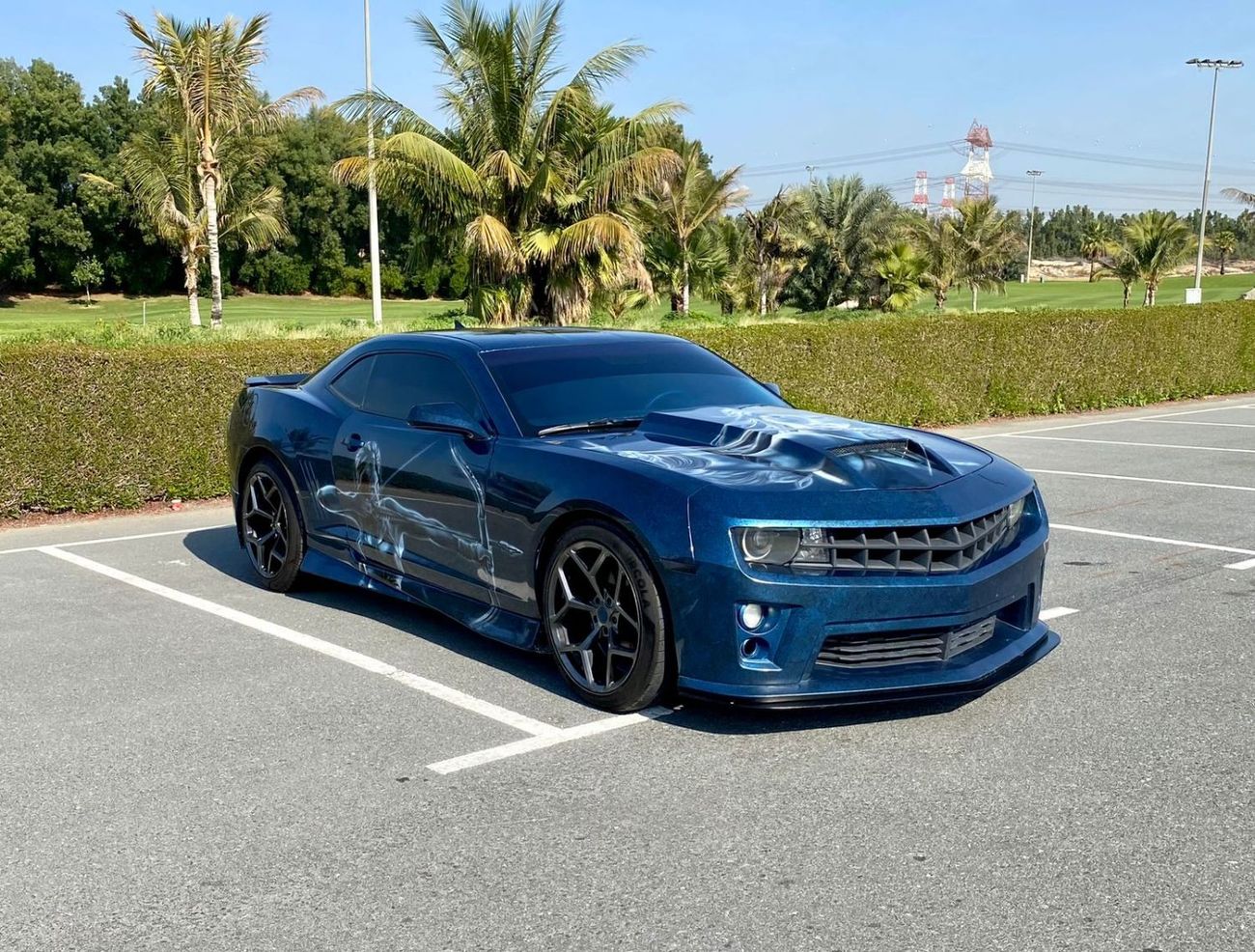
The 2013 Chevrolet Camaro LT delivers a factory-rated 323 horsepower at 6,800 rpm and 278 lb-ft of torque at 4,800 rpm. This power is generated by the 3.6-liter LFX V6 engine, which features direct injection and dual overhead camshafts to provide a sophisticated balance of muscle car performance and modern fuel efficiency.
The Engineering Behind the 323 Horsepower LFX V6
To understand the 2013 Camaro LT’s performance, one must look closely at the LFX engine architecture. Introduced as an evolution of the previous LLT engine, the LFX brought several refinements that solidified the Camaro’s reputation in the V6 pony car segment. The 323-horsepower output was a significant benchmark at the time, allowing the Camaro to compete directly with the Ford Mustang’s 3.7-liter V6 and the Dodge Challenger’s 3.6-liter Pentastar engine.
The LFX engine utilizes a 60-degree cylinder bank angle and an aluminum block and head construction. This lightweight design helps maintain a better front-to-rear weight distribution compared to the heavier V8 models, which translates to sharper turn-in and more agile handling characteristics on winding roads.
High-Pressure Direct Injection
The primary driver behind the 323-horsepower figure is the high-pressure direct injection system. By spraying fuel directly into the combustion chamber rather than the intake port, the engine can run a higher compression ratio—11.5:1 in the 2013 model. This results in a more complete burn of the fuel-air mixture, extracting more energy from every drop of gasoline and increasing both power and efficiency.
Integrated Exhaust Manifolds
A unique technical feature of the 2013 Camaro LT's engine is the integration of the exhaust manifolds directly into the cylinder head castings. This design reduces the overall engine weight by approximately 13 pounds and allows for quicker catalytic converter warm-up. From a performance standpoint, it streamlines the exhaust flow, contributing to the engine’s ability to breathe at high RPMs where the peak horsepower is found.
Transmission Options and Power Delivery
The 2013 Camaro LT offered two distinct transmission choices, each affecting how that 323 horsepower reached the rear wheels. Regardless of the choice, the LT trim came standard with a limited-slip differential (when equipped with the manual) or an open differential (standard on most automatics unless optioned otherwise), which played a crucial role in traction management.
6-Speed Manual Transmission (Aisin AY6)
For enthusiasts seeking a traditional driving experience, the 6-speed manual was the standard offering. This transmission featured relatively short throws and was geared to take advantage of the LFX's high-revving nature. In the 2013 model year, Chevrolet introduced Hill Start Assist for manual transmission models, a feature that remains highly valued by drivers in hilly urban environments in 2026.
6-Speed Automatic Transmission (Hydra-Matic 6L50)
The Hydra-Matic 6L50 automatic transmission was a popular choice for those using the Camaro as a daily driver. It featured TAPshift manual control via steering-wheel-mounted paddles, allowing drivers to hold gears during spirited driving. While the automatic is slightly slower in raw 0-60 mph sprints compared to a perfectly shifted manual, its consistent shift points make it a formidable performer in real-world traffic conditions.
Performance Metrics: 0-60 and Quarter-Mile Times
The 323 horsepower of the 2013 Camaro LT translates into respectable performance figures that still hold up well in 2026 for an entry-level sports coupe. While it cannot match the sheer brute force of the SS or ZL1 variants, the LT provides enough "shove" to satisfy most performance enthusiasts.
- 0-60 MPH: Approximately 5.9 seconds.
- Quarter-Mile: Approximately 14.3 seconds at 98 mph.
- Top Speed: Electronically limited to 155 mph (with the RS package/speed-rated tires).
These numbers demonstrate that the V6 Camaro is more than just a "rental car" special. The 323 hp allows the vehicle to merge onto highways with ease and provides plenty of passing power. The power delivery is linear, meaning the engine feels stronger the higher you rev it, peaking just before the 7,000 rpm redline.
2013 Camaro LT Technical Specifications Table
The following table breaks down the essential technical data for the 2013 Camaro LT, including both the 1LT and 2LT sub-trims.
| Feature | Specification |
|---|---|
| Engine Type | 3.6L V6 LFX (Direct Injection) |
| Horsepower | 323 hp @ 6,800 rpm |
| Torque | 278 lb-ft @ 4,800 rpm |
| Compression Ratio | 11.5:1 |
| Valvetrain | DOHC, 4 valves per cylinder, VVT |
| Fuel Requirement | Regular Unleaded (87 Octane) |
| Curb Weight | ~3,720 lbs (Coupe) / ~3,980 lbs (Convertible) |
| Brakes | 12.6-inch front / 12.4-inch rear ventilated discs |
| Wheel Size (Standard) | 18-inch Aluminum (1LT) / 19-inch Aluminum (2LT) |
| Fuel Economy (EPA) | 19 city / 30 highway (Automatic) |
The Impact of the RS Package on Performance
While the horsepower remains constant at 323, many 2013 Camaro LT models were equipped with the RS Package. This package did not change the engine internals, but it significantly impacted the vehicle's "effective" performance and aesthetics.
The RS package included 20-inch wheels wrapped in summer-only performance tires. These tires provided substantially more grip than the standard 18 or 19-inch all-season tires, allowing the driver to utilize the 323 horsepower more effectively during cornering and off-the-line acceleration. Additionally, the RS package added High-Intensity Discharge (HID) headlamps with the iconic LED "halo" rings and a unique rear spoiler, which helped with high-speed stability.
Reliability and Maintenance of the High-Output V6
By 2026, the 2013 Camaro LT has moved into the "modern classic" or "high-mileage used" category. Maintaining that 323 horsepower requires adherence to specific maintenance protocols, particularly concerning the LFX engine's unique needs.
Timing Chain Considerations
The GM High Feature V6 family, of which the LFX is a member, is known for being sensitive to oil quality. To preserve the timing chain and the Variable Valve Timing (VVT) actuators, owners must use high-quality synthetic oil and adhere strictly to 5,000-mile change intervals. Low oil levels or dirty oil can lead to timing chain stretch, which will eventually trigger "check engine" lights and reduce engine power.
Carbon Buildup
Because the LFX is a direct-injection engine, fuel does not wash over the intake valves. Over time, carbon deposits can build up on the valves, which can restrict airflow and slightly diminish the 323-horsepower output. In 2026, many owners perform "walnut blasting" or use specialized intake cleaners to remove this buildup and restore original performance levels.
Comparing the LT to the LS and SS Trims
It is a common point of confusion whether the 2013 Camaro LS and LT have different power ratings. Technically, they share the exact same 3.6L LFX engine producing 323 horsepower. The difference lies in the features and suspension tuning.
- LS Trim: The base model, often found with steel wheels and fewer interior amenities. It was designed as the budget-friendly entry point.
- LT Trim (1LT/2LT): These models added alloy wheels, power seats, and the option for the MyLink infotainment system (new for 2013). The 2LT further added leather seating, a Boston Acoustics sound system, and a Head-Up Display (HUD).
- SS Trim: Moving to the SS required a jump to the 6.2L LS3 (manual) or L99 (automatic) V8 engine. This increased horsepower to 426 or 400, respectively. While the SS is faster, it also incurs higher insurance costs and significantly higher fuel consumption.
Maximizing Horsepower: Common Modifications
For owners in 2026 looking to push their 2013 Camaro LT beyond the factory-rated 323 hp, the aftermarket support remains robust. The LFX engine responds well to basic "bolt-on" modifications.
- Cold Air Intake (CAI): Replacing the restrictive factory air box can add 5–10 horsepower and improve the engine’s intake sound.
- Exhaust Systems: While a "cat-back" exhaust mainly changes the sound, high-flow downpipes (where legal) can reduce backpressure and net an additional 10–15 horsepower.
- Ported Intake Manifolds: Smoothing the internal pathways of the plastic intake manifold allows for better airflow into the cylinders.
- ECU Tuning: Professional tuning can optimize the fuel maps and ignition timing, specifically if the owner is using 91 or 93 octane fuel, pushing the V6 closer to the 340–350 horsepower range.
Frequently Asked Questions
Is the 2013 Camaro LT a "true" muscle car with only 323 hp?
While purists often argue that a muscle car must have a V8, the 2013 Camaro LT fits the modern definition of a pony car. With 323 horsepower, it produces more power than many of the legendary V8 Camaros from the 1970s and 1980s. It offers a balance of daily usability and spirited performance that defines the modern era of American performance vehicles.
Can the 2013 Camaro LT run on Regular 87 octane gas?
Yes, the 3.6L LFX engine was designed to produce its rated 323 horsepower using standard 87 octane regular unleaded gasoline. Unlike the V8 models or the supercharged ZL1, there is no requirement for premium fuel, making the LT a much more cost-effective option for daily commuting.
What were the major changes for the Camaro in 2013?
The 2013 model year was significant for the introduction of the Chevrolet MyLink touchscreen infotainment system. It also saw the introduction of the 1LE performance package (though only for SS models) and several new color options. For the LT trim specifically, the addition of the frameless rearview mirror and new shift knobs refreshed the interior feel.
How does the horsepower of the 2013 LT compare to modern V6 engines?
In 2026, 323 horsepower from a naturally aspirated V6 remains quite competitive. While many modern vehicles have switched to smaller turbocharged four-cylinder engines that produce similar torque, the linear power delivery and "rev-happy" nature of the LFX V6 are still preferred by many driving enthusiasts who enjoy the sound and feel of a non-turbocharged engine.
Does the convertible version of the LT have less horsepower?
No, the convertible 2013 Camaro LT uses the same LFX V6 engine producing 323 horsepower. However, due to the additional structural bracing required for the convertible top, the car is heavier. This extra weight results in slightly slower 0-60 mph times compared to the coupe, even though the engine output remains identical.
Is the 2013 Camaro LT reliable for high-mileage driving?
Generally, yes. The LFX is a robust engine if maintained. The most critical factors for longevity are regular oil changes and cooling system maintenance. By 2026, many of these vehicles have exceeded 150,000 miles, proving that the 323-hp V6 is capable of long-term service if not abused.
Final Recommendation for Buyers and Owners
The 2013 Chevrolet Camaro LT remains a standout choice for those who want the iconic look of the 5th Generation Camaro without the high operating costs of a V8. The 323 horsepower provided by the LFX engine is more than sufficient for spirited street driving and highway cruising.
If you are looking to purchase one in 2026, prioritize vehicles with a documented service history—specifically those that show frequent oil changes to protect the timing chain. Opting for a 2LT model with the RS package will provide the most "premium" experience, combining the high-revving V6 with better handling, leather interior, and more aggressive styling. Whether kept stock or modified with basic bolt-ons, the 2013 Camaro LT continues to be a respected performer in the automotive world.