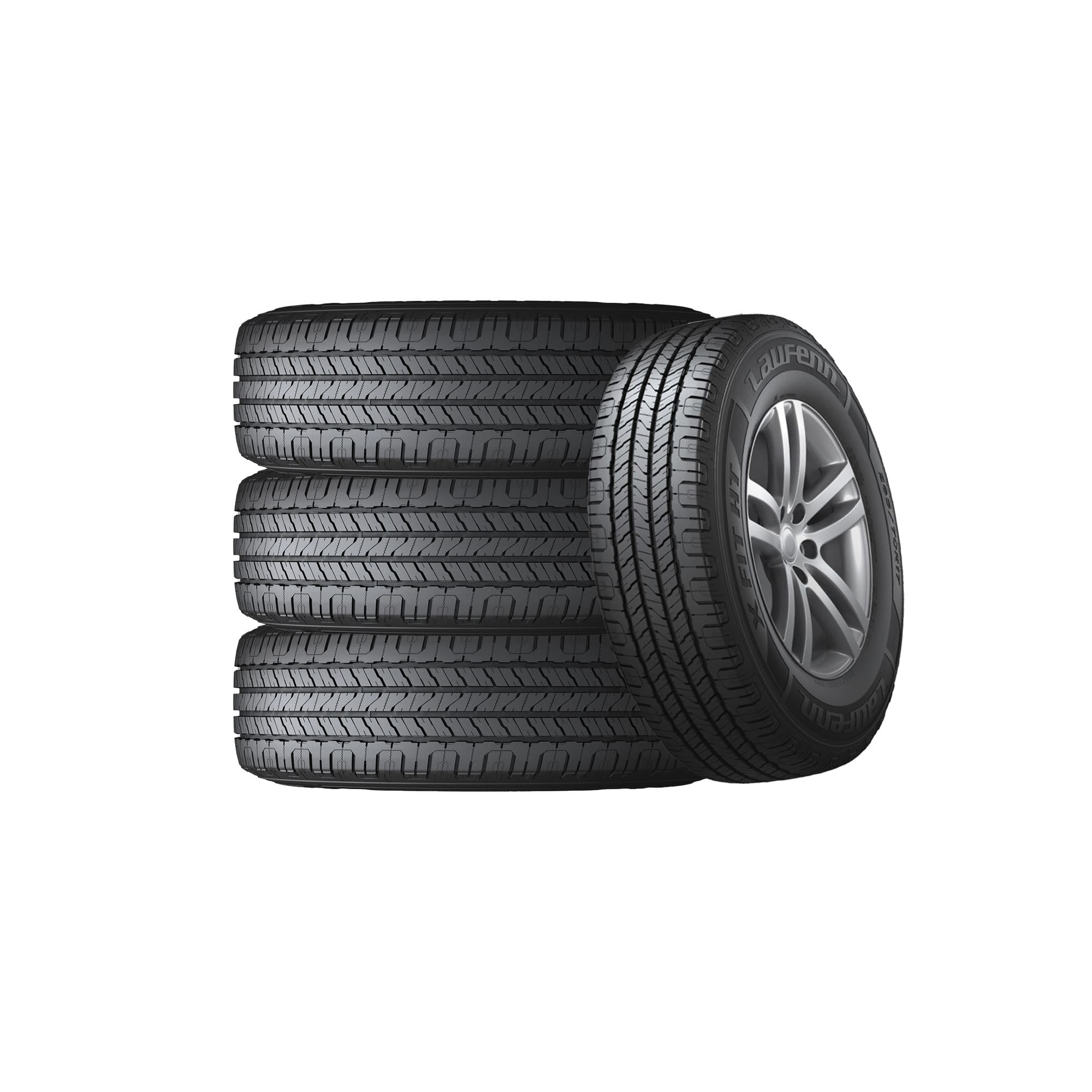
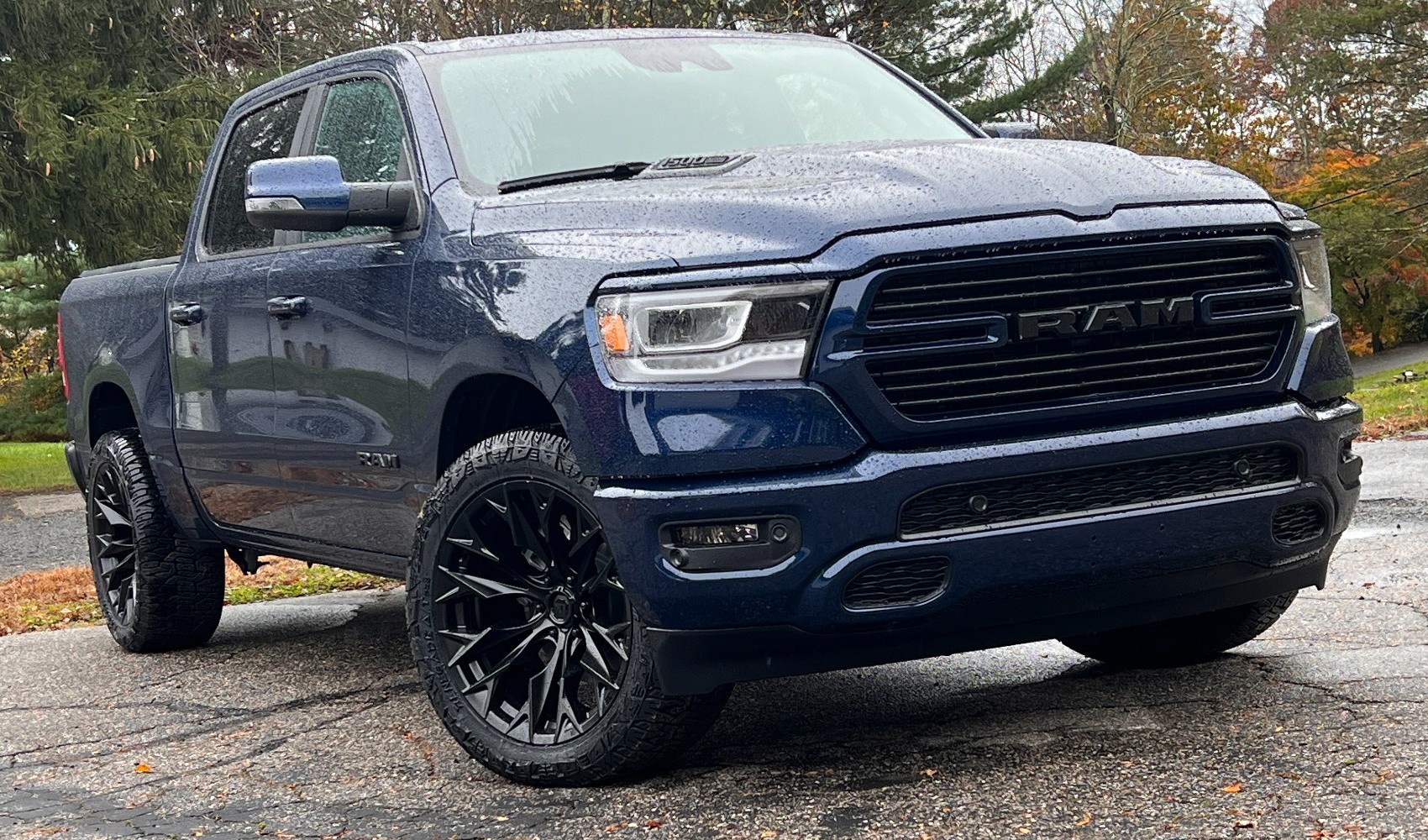
Selecting the right 20-inch tires for a Ram 1500 requires balancing load capacity, tread design, and terrain requirements. Most modern Ram 1500 trucks utilize either 275/55R20 or 275/60R20 sizes as standard equipment. Owners must choose between Highway Terrain (HT) for comfort, All-Terrain (AT) for versatility, or Mud-Terrain (MT) for maximum off-road traction.
Understanding Ram 1500 Tire Specifications
The Ram 1500 has long been a leader in the half-ton pickup segment, known for its coil-spring or air-suspension systems that provide a car-like ride. However, the performance of this suspension is heavily dictated by the rubber meeting the road. When searching for "20 tires for Ram 1500," you are likely looking for replacements for the 20-inch wheel diameter, which is a premium option on trims like the Laramie, Limited, and Longhorn.
Common 20-Inch Sizes by Generation
The Ram 1500 has transitioned through several generations, primarily the "DS" (Classic) and the "DT" (5th Generation, 2019–present). The tire size often varies based on these platforms:
- 275/60R20: This is the standard size for most 5th Generation (DT) Ram 1500s equipped with 20-inch wheels. It equates to approximately a 33-inch tall tire.
- 275/55R20: Frequently found on the Ram 1500 Classic (DS) or older 4th-generation models. This tire is slightly shorter, roughly 31.9 inches in diameter.
- 285/60R20 or 305/55R20: Common "plus-size" upgrades for owners who have installed a leveling kit or a small lift. These provide a wider footprint and a more aggressive stance.
Load Index and Speed Rating
For a full-size pickup like the Ram 1500, the load index is critical. Most 20-inch tires for this truck feature a load index between 113 and 117. A "Standard Load" (SL) tire is usually sufficient for daily driving and light hauling. However, if you frequently tow a travel trailer or haul heavy payloads, upgrading to an XL (Extra Load) or a Load Range E (10-ply) tire is recommended to prevent sidewall flex and heat buildup.
Categorizing Tires by Driving Needs
Not every Ram owner uses their truck the same way. The 2026 tire market offers specialized compounds and tread patterns tailored to specific environments.
Highway Terrain (HT) Tires
Highway tires are designed for the Ram owner who spends 95% of their time on pavement. These tires prioritize low rolling resistance, minimal road noise, and maximum longevity.
- Performance Characteristics: They feature continuous ribs and closed shoulder blocks to keep the cabin quiet.
- Best For: Long-distance commuting, high-speed interstate travel, and maintaining maximum fuel efficiency (MPG).
- Top 2026 Choice: The Michelin Defender LTX M/S2 remains a benchmark in this category, offering a 70,000-mile treadwear warranty and exceptional wet braking performance.
All-Terrain (AT) Tires
All-terrain tires are the most popular choice for Ram 1500 owners. They provide a "tough" look without the severe compromises of a dedicated mud tire.
- Performance Characteristics: They utilize a "void-to-lug" ratio that allows for self-cleaning in light mud or snow while maintaining enough surface contact for dry asphalt.
- Best For: Ranch work, weekend camping, and areas with heavy snowfall. Many in this category carry the Three-Peak Mountain Snowflake (3PMSF) rating.
- Top 2026 Choice: The BFGoodrich All-Terrain T/A KO3 or the Falken Wildpeak A/T4W are leading the market with improved silica compounds that resist chipping and tearing on gravel roads.
Rugged Terrain (RT) and Mud-Terrain (MT) Tires
If your Ram 1500 is frequently off the beaten path or if you have a Rebel or TRX trim, you may look toward RT or MT options.
- Performance Characteristics: Large, staggered tread blocks and reinforced sidewall "biters" for crawling over rocks and through deep mud.
- Best For: Serious off-roading, deep mud, and aesthetic customization.
- Trade-offs: These tires are significantly heavier, which can reduce fuel economy by 1-3 MPG, and they produce a noticeable "hum" at highway speeds.
Technical Considerations for 20-Inch Wheels
The move to 20-inch wheels from the base 18-inch wheels changes the vehicle's dynamics. A 20-inch wheel has a shorter sidewall compared to an 18-inch wheel with the same overall tire diameter.
Ride Quality and Sidewall Stiffness
A shorter sidewall means there is less rubber to compress when hitting a pothole. On a Ram 1500 with the Limited's air suspension, this is often mitigated by the shocks. However, if you choose a Load Range E tire (10-ply) in a 20-inch size, the ride will be noticeably firmer. This is beneficial for stability while towing but can be jarring during empty-bed city driving.
Impact on Fuel Economy
The weight of 20-inch tires can vary significantly. A standard highway tire might weigh 42 lbs, whereas an aggressive 10-ply all-terrain tire in the same size can weigh 55 lbs or more. This increase in unsprung weight requires more energy to rotate, directly impacting city fuel economy and braking distances.
Top 20-Inch Tire Recommendations for Ram 1500 (2026 Models)
| Tire Model | Category | Best Feature | Warranty (Miles) | Ideal User |
|---|---|---|---|---|
| Michelin Defender LTX M/S2 | Highway (HT) | Longevity & Quietness | 70,000 | The Commuter |
| BFGoodrich KO3 | All-Terrain (AT) | Off-road Durability | 50,000 | The Weekend Adventurer |
| Falken Wildpeak A/T4W | All-Terrain (AT) | Winter Performance | 60,000 | Northern Climates |
| Bridgestone Alenza AS Ultra | Highway (HT) | Wet Traction | 80,000 | Heavy Rain Regions |
| Toyo Open Country R/T Trail | Rugged (RT) | Aggressive Sidewall | 45,000 | The Off-Road Enthusiast |
| Goodyear Wrangler Steadfast HT | Highway (HT) | Kevlar Reinforcement | 65,000 | Pothole-Prone Cities |
Maintenance and Longevity Strategies
To get the most out of your investment, especially with 20-inch tires which can cost between $250 and $450 per tire in 2026, a strict maintenance schedule is required.
Rotation Patterns
For a rear-wheel-drive biased 4WD truck like the Ram 1500, a forward cross or rearward cross rotation every 5,000 to 7,000 miles is essential. This prevents "cupping" on the front tires, which are subject to steering forces and different camber angles than the rear.
Pressure Monitoring
The Ram 1500 is equipped with a Tire Pressure Monitoring System (TPMS). While the door placard usually recommends 33–36 PSI for unladen driving, this should be adjusted when towing. For 20-inch LT-metric tires, you may need to increase pressure to 50–60 PSI (depending on the tire's maximum rating) when carrying a heavy tongue weight to ensure the sidewall maintains its structural integrity.
Alignment Importance
The Ram’s independent front suspension is sensitive to alignment. Even a slight toe-out condition can scrub the inner tread of a 20-inch tire within a few thousand miles. It is highly recommended to perform an alignment check whenever new tires are installed or after any significant off-road excursion.
Weather Considerations and the 3PMSF Rating
When shopping for tires in 2026, you will see the Three-Peak Mountain Snowflake (3PMSF) symbol on many all-terrain tires. It is important to distinguish this from the standard M+S (Mud and Snow) rating.
- M+S Rating: Based on the geometric pattern of the tread. It does not guarantee performance in cold temperatures.
- 3PMSF Rating: Indicates the tire has passed a standardized test for traction on packed snow.
For Ram 1500 owners in Canada or the northern United States, choosing a 20-inch tire with the 3PMSF rating, such as the Falken Wildpeak A/T4W or the Pirelli Scorpion All Terrain Plus, provides a significant safety margin during winter months without requiring a seasonal swap to dedicated winter tires. Information on tire safety standards can be found at the NHTSA website.
Addressing Common Concerns: Rubbing and Clearance
A frequent question regarding 20-inch tires is whether a larger size will fit without modification.
- Stock Height: You can typically move from a 275/60R20 to a 275/65R20 (roughly a 34-inch tire) on a 5th Gen Ram 1500 with minimal rubbing, though it may touch the wheel well liner at full steering lock.
- Leveling Kits: Installing a 2-inch leveling kit allows for 35x12.50R20 tires, but this often requires aftermarket wheels with a different offset or wheel spacers to prevent the tire from hitting the Upper Control Arm (UCA).
- Offset Matters: The stock 20-inch Ram wheels usually have a +19mm or +20mm offset. If you choose a tire wider than 285mm on a stock wheel, the inside sidewall may come dangerously close to the suspension components.
FAQ: 20-Inch Tires for Ram 1500
What is the best tire for towing with a Ram 1500?
The Michelin LTX M/S2 or the Goodyear Wrangler Workhorse AT are excellent for towing. If you are towing near the truck's maximum capacity (up to 12,750 lbs depending on the model), look specifically for Load Range E tires. These have a higher ply rating and can handle higher pressures, which reduces trailer sway and tire heat.
How long do 20-inch tires last on a Ram 1500?
Tread life varies by compound. A premium highway tire can last 60,000 to 80,000 miles, while an aggressive mud-terrain tire might only last 30,000 to 45,000 miles. The heavy torque of the 5.7L Hemi or the newer 3.0L Hurricane engines can accelerate rear tire wear if the driver has a "heavy foot."
Can I put 20-inch tires on my Ram if it came with 18-inch wheels?
Yes, but you must also purchase 20-inch wheels. You cannot put a 20-inch tire on an 18-inch rim. When switching wheel sizes, ensure the new assembly's overall diameter is close to the original to keep your speedometer accurate, or use an OBDII programmer to recalibrate the truck’s computer for the new tire height.
Why are 20-inch tires more expensive than 18-inch tires?
The cost is driven by the volume of materials and the complexity of the manufacturing process. Furthermore, 20-inch wheels are often viewed as a "premium" segment, and tire manufacturers price their products to reflect the luxury and performance trims they are fitted to.
Does the Ram 1500 require special tires for the air suspension?
No, the air suspension does not require "special" tires, but the ride quality will be influenced by the tire's sidewall stiffness. If you have air suspension and want to keep the "cloud-like" ride, avoid Load Range E tires unless you absolutely need the extra weight capacity. Stick with Standard Load (SL) or Extra Load (XL) tires for the best comfort.
Final Recommendation
For the vast majority of Ram 1500 owners in 2026, the Falken Wildpeak A/T4W represents the best overall value and performance for 20-inch wheels. It offers the aggressive look truck owners desire, the 3PMSF rating for winter safety, and a treadwear warranty that rivals many highway tires. If your priority is strictly fuel economy and a silent cabin, the Michelin Defender LTX M/S2 remains the industry leader. Always verify your specific trim's load requirements before purchase, and ensure your replacement tires meet or exceed the OEM specifications found on your driver-side door jamb.