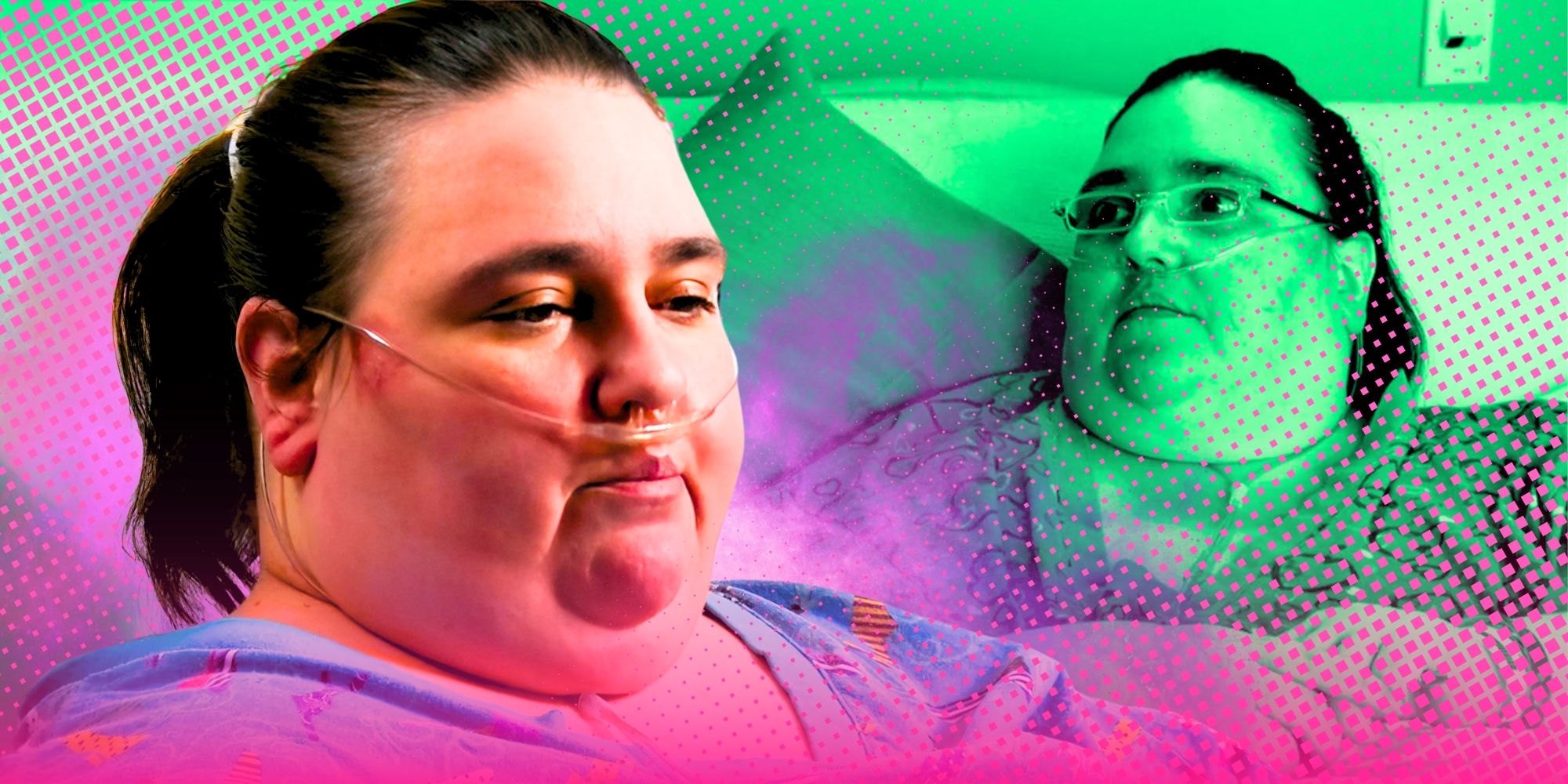
Seana Collins featured on TLC’s hit reality television series My 600-lb Life faced severe medical and psychological hurdles during and after her documented weight loss journey. Two defining facts of her experience include her struggle with severe eating disorders and the unique challenges she encountered while trying to maintain long-term compliance with Dr. Younan Nowzaradan’s rigorous weight-loss program.
Introduction to Seana Collins and My 600-lb Life
The reality television landscape features few programs as intense or medically demanding as TLC’s My 600-lb Life. Documenting the lives of individuals struggling with severe, life-threatening obesity, the series follows patients over several months or years as they attempt to regain control of their health through strict dietary regimens and, in many cases, bariatric surgery. Among the many individuals who opened their lives to public scrutiny was Seana Collins, whose appearance on the show left a lasting impression on viewers and medical professionals alike.
Understanding Seana's journey requires examining the realities of severe obesity treatment, the psychological barriers that often accompany extreme food addiction, and the ways in which production dynamics intersect with real-world medical care. This comprehensive review explores two core facts regarding what happened to Seana on My 600-lb Life, expanding on the medical context, the psychological factors at play, and the broader implications for individuals navigating similar healthcare pathways.
Fact 1: Severe Food Addiction and Eating Disorders
The first prominent fact defining Seana Collins’ time on My 600-lb Life is her profound struggle with an untreated, deeply entrenched eating disorder, specifically binge eating disorder intertwined with severe emotional trauma. When Seana appeared on the program, she weighed over 600 pounds, a physical state that severely restricted her mobility and put immense strain on her cardiovascular system. However, as Dr. Younan Nowzaradan repeatedly emphasized during her episodes, the physical weight was merely a symptom of a much deeper psychological crisis.
The Psychological Roots of Binge Eating
For individuals like Seana, food often serves as a primary coping mechanism for profound emotional distress, trauma, anxiety, or depression. Medical literature widely recognizes that binge eating disorder (BED) is not simply a matter of a lack of willpower; it is a complex behavioral health condition characterized by recurrent episodes of eating large quantities of food, often quickly and to the point of discomfort, accompanied by a feeling of a loss of control.
- Emotional Triggers: Seana’s history highlighted how stressors and past emotional pain directly fueled her compulsion to eat.
- Coping Mechanism: Food provided temporary emotional relief, creating a vicious cycle of guilt, shame, and subsequent emotional eating.
- Neurological Impact: Chronic overeating alters brain chemistry, reinforcing reward pathways associated with sugar and fat consumption.
Medical Evaluation and the Bariatric Pre-requisite
Dr. Nowzaradan’s medical protocol requires patients to demonstrate significant independent weight loss before he performs bariatric surgery. This requirement serves two critical purposes:
- It proves the patient can adhere to a low-calorie, high-protein diet, which is essential for surviving the surgery and maintaining weight loss long-term.
- It shrinks the liver, making the surgical procedure significantly safer by reducing the risk of complications during laparoscopy.
Seana struggled immensely with this requirement. Despite understanding the life-or-death stakes of her condition, she found herself unable to consistently break free from her binge-eating habits during the monitoring periods. This inability to adhere to the prescribed dietary guidelines became the central conflict of her patient-physician relationship with Dr. Nowzaradan, highlighting the immense difficulty of treating acute food addiction without intensive, specialized inpatient psychiatric intervention.
Fact 2: Compliance Challenges and Relationship with Dr. Nowzaradan
The second major fact regarding Seana’s journey on My 600-lb Life centers on her severe difficulties with compliance and the breakdown of her working relationship with Dr. Nowzaradan. Throughout her time on the show, Seana faced repeated warnings about her lack of progress. While many patients experience initial setbacks, Seana’s trajectory was marked by consistent stagnation and, at times, weight gain during critical evaluation windows.
The Mechanics of Program Non-Compliance
In the structured environment of My 600-lb Life, compliance is measured strictly through weight fluctuations, dietary logs, and adherence to psychological therapy appointments. Seana’s challenges with compliance stemmed from a combination of systemic hurdles and personal factors:
- Lack of Consistent Support: Recovering from severe obesity often requires a robust support system, which Seana struggled to maintain consistently.
- Overwhelming Dietary Shifts: Transitioning from an unrestricted caloric intake to a strictly controlled 1,200-calorie high-protein diet represents a massive physiological and psychological shock.
- Avoidance Behaviors: Under intense pressure, Seana occasionally exhibited avoidance behaviors, such as missing appointments or struggling to be fully transparent with her medical team about her dietary slips.
| Aspect of Treatment | Standard Program Expectation | Seana’s Documented Experience | Clinical Implication |
|---|---|---|---|
| Dietary Adherence | Strict adherence to a low-calorie, high-protein plan | Frequent struggles with binge eating and portion control | Inability to meet pre-surgery weight loss goals |
| Medical Monitoring | Regular weigh-ins and consultations with Dr. Nowzaradan | Missed appointments and periods of strained communication | Delayed or canceled surgical interventions |
| Psychological Support | Mandatory therapy to address underlying trauma | Reluctance or difficulty fully engaging in behavioral modification | Persistence of root emotional triggers |
The Physician-Patient Dynamic
Dr. Nowzaradan is known for his direct, no-nonsense communication style. He cuts through excuses to focus purely on physiological reality: thermodynamics dictate that consuming fewer calories than the body burns results in weight loss. While this approach successfully motivates many patients, it can prove overwhelming for individuals dealing with debilitating psychological trauma or severe depressive disorders.
In Seana’s case, the friction between her emotional vulnerability and Dr. Nowzaradan’s clinical directness illustrated the limits of outpatient bariatric care when behavioral health interventions are insufficient to stabilize the patient. Ultimately, Seana’s journey on the show concluded without her achieving the surgical milestones that many viewers hope to see, serving as a sobering reminder that bariatric surgery is a tool rather than a standalone cure for severe food addiction.
Summary Table: Overview of Seana Collins' Journey
To better understand the core elements of Seana's public medical narrative, the following table outlines key dimensions of her documented experience on television.
| Category | Description / Fact |
|---|---|
| Primary Medical Challenge | Severe Class III obesity exceeding 600 pounds, accompanied by chronic mobility limitations. |
| Behavioral Health Component | Deep-seated binge eating disorder and emotional trauma driving compulsive food intake. |
| Treatment Obstacle | Inability to consistently meet pre-surgery weight-loss targets set by Dr. Nowzaradan. |
| Surgical Outcome | Did not successfully complete the prerequisites required for bariatric surgery during her documented timeframe. |
| Core Takeaway | Highlights the critical necessity of addressing underlying psychological conditions alongside physical dietary changes. |
Frequently Asked Questions
Did Seana Collins ever get weight loss surgery on the show?
No, Seana Collins did not receive bariatric surgery during her time on My 600-lb Life. She struggled consistently with the pre-operative dietary requirements and was unable to demonstrate the independent weight loss necessary for Dr. Nowzaradan to safely perform the procedure.
What caused Seana’s severe weight gain?
Like many participants on the program, Seana’s severe weight gain was driven by a combination of emotional trauma, chronic stress, and an untreated binge eating disorder. Food became her primary mechanism for coping with negative emotions, creating a physical and psychological loop that was difficult to break without extensive specialized intervention.
How did Dr. Nowzaradan handle Seana’s lack of progress?
Dr. Nowzaradan maintained his standard clinical approach, emphasizing personal accountability, strict adherence to the prescribed high-protein, low-calorie diet, and the importance of psychological counseling. When progress stalled, he reiterated the life-threatening risks of her current trajectory while urging her to take control of her eating habits.
What are the main requirements for patients on My 600-lb Life?
Patients on the show must follow a strict, medically supervised diet designed to induce rapid weight loss prior to surgery. They are also required to attend regular check-ups, psychological counseling sessions, and demonstrate a commitment to long-term lifestyle modifications regarding nutrition and physical activity.
Where is Seana Collins now?
Since her appearance on TLC, Seana has largely stepped away from the intense public spotlight. While updates on her exact current weight and health status are private, her episode remains a frequently discussed case study regarding the complexities of treating severe food addiction in television medical environments.
Conclusion and Practical Perspective
Seana Collins’ journey on My 600-lb Life offers a complex, unflinching look at the realities of managing severe obesity and compulsive eating disorders. Rather than a simple narrative of success or failure, her story underscores that weight loss is fundamentally a medical and psychological challenge rather than a cosmetic one. For individuals facing similar struggles, the key takeaway is that sustainable health improvements require comprehensive, multidisciplinary care that addresses both nutritional science and deep-seated behavioral health needs. Anyone navigating severe weight management challenges should consult qualified bariatric specialists, registered dietitians, and licensed mental health professionals to build a safe, personalized, and supportive treatment plan.