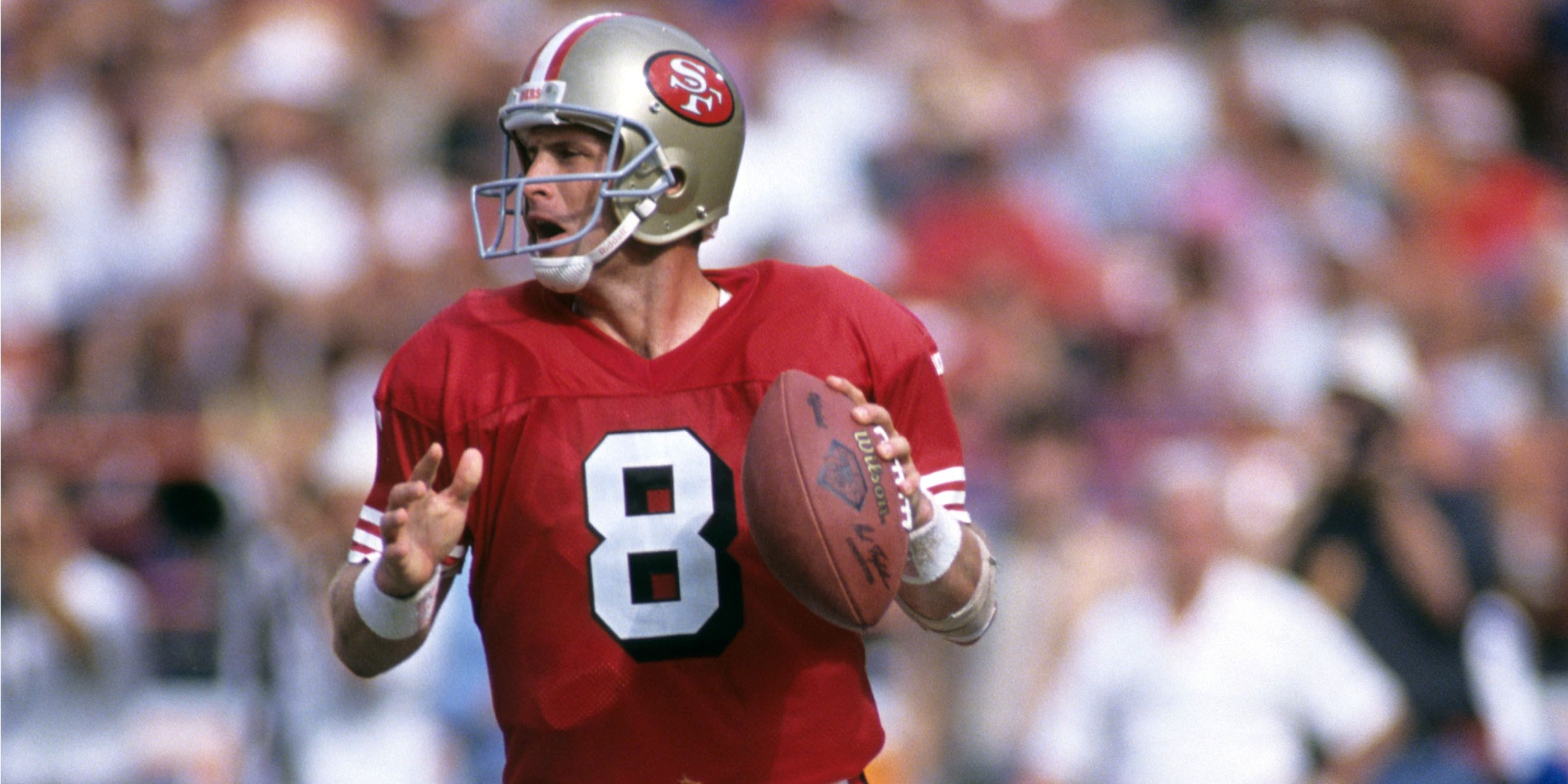
The San Francisco 49ers ownership history spanning an 18-year legacy primarily refers to the transformative era under the DeBartolo and York families, marked by monumental success, front-office shifts, operational modernization, and stadium development. This period highlights how family-led ownership shaped one of the most storied franchises in National Football League (NFL) history.
Evaluating a storied NFL franchise requires looking past the box scores and examining the boardroom decisions, executive transitions, and family trusts that dictate long-term organizational stability. The San Francisco 49ers stand out as a premier example of how ownership transitions alter team culture, financial health, and competitive windows. To fully grasp this 18-year legacy, one must examine the intersection of corporate governance, family succession, and sports business evolution.
The Foundation of Ownership: The DeBartolo Era and Early Success
The modern identity of the San Francisco 49ers was fundamentally forged when Edward J. DeBartolo Sr. purchased the franchise in 1977 for his son, Edward J. DeBartolo Jr. This acquisition set the stage for one of the most dominant dynasties in professional sports history. Under DeBartolo Jr.'s leadership, the organization established a player-first philosophy that prioritized elite facilities, meticulous scouting, and an unprecedented commitment to sparing no expense in pursuit of championships.
DeBartolo Jr. partnered with visionary executive Bill Walsh and general manager John McVay, creating an administrative triumvirate that revolutionized roster construction and offensive strategy. This early leadership model laid an organizational foundation that lasted for decades. However, legal troubles in the late 1990s forced DeBartolo Jr. to surrender control of the franchise to his sister, Denise DeBartolo York, and her husband, Dr. John York. This corporate and familial restructuring initiated a new chapter in the franchise's ownership timeline, transferring operational authority directly to the York family and setting the stage for future generational leadership.
Transition to the York Family and Operational Restructuring
When Denise DeBartolo York assumed control of the franchise alongside John York, the organization faced immediate cultural and structural adjustments. Transitioning from an ownership style defined by DeBartolo Jr.'s high-touch, highly visible presence to a more corporate governance model created friction among fans and media outlets. The York family faced the challenge of maintaining competitive excellence while stabilizing the business operations of a multi-million-dollar sports enterprise.
During the early 2000s, the franchise navigated a difficult rebuilding phase. The roster aged, salary cap constraints mounted, and the front office experienced significant turnover. This period tested the resolve of the new ownership group, prompting questions about long-term vision and football acumen. In response, the York family implemented a more structured executive hierarchy, eventually elevating Jed York—son of Denise and John—to the role of team president and later Chief Executive Officer (CEO) in 2008, formally cementing a multi-generational handoff of day-to-day oversight.
Key Leadership Milestones in the York Administration
| Era / Phase | Key Leadership Figures | Primary Organizational Focus | Notable Outcomes |
|---|---|---|---|
| Early York Transition | Denise DeBartolo York, John York | Corporate stabilization, financial restructuring | Roster rebuilding, front-office turnover, cultural shift |
| Executive Modernization | Jed York, Trent Baalke, Jim Harbaugh | On-field competitiveness, coaching stability | NFC Championship appearances, Super Bowl XLVII berth |
| Contemporary Stability | Jed York, John Lynch, Kyle Shanahan | Long-term culture, analytics, state-of-the-art infrastructure | Multiple deep playoff runs, sustained NFC prominence |
Financial Growth, Infrastructure, and Levi's Stadium
Beyond on-field performance, a defining hallmark of the York family's stewardship has been massive infrastructure development and revenue diversification. For decades, the 49ers played their home games at historic Candlestick Park. While beloved for its raucous atmosphere and rich history, the facility lacked modern amenities, luxury suites, and adequate transportation infrastructure required by a modern NFL enterprise.
Under the leadership of Jed York, the organization spearheaded the complex planning, financing, and construction of Levi's Stadium in Santa Clara, California, which opened in 2014. This massive capital project required navigating municipal approvals, environmental reviews, and private-public financial partnerships. The stadium not only modernized the fan experience and multiplied the franchise's revenue streams through naming rights, corporate sponsorships, and non-football events like mega-concerts and major soccer matches, but it also anchored the team's long-term financial valuation among the top sports properties globally.
Front Office Evolution: Aligning Ownership with Football Operations
A recurring theme across the franchise's history is the delicate balance between ownership intervention and executive autonomy. In the wake of fluctuating competitive cycles, the ownership group recognized the necessity of establishing a harmonious alignment between the front office and the coaching staff. The hiring of general manager John Lynch and head coach Kyle Shanahan in 2017 represented a pivotal stabilization of the organization's football operations.
Ownership's role during this contemporary phase shifted toward providing resources, empowering football professionals, and fostering a collaborative culture rather than micro-managing personnel decisions. This administrative patience yielded sustained success, transforming the franchise back into a perennial contender. The ability of the York family to learn from past executive missteps and empower a unified leadership tandem illustrates a maturing ownership model.
Comparative Overview of Ownership Eras
| Metric / Dimension | The DeBartolo Era (1977–1999) | The York Family Era (2000–Present) |
|---|---|---|
| Primary Leadership | Edward J. DeBartolo Jr. | Denise DeBartolo York, John York, Jed York |
| Stadium Home | Candlestick Park | Levi's Stadium (Santa Clara) |
| Management Style | Highly personal, hands-on, player-centric | Corporate governance, multi-tiered executive structure |
| Championship Success | Five Super Bowl titles | Multiple NFC Championships and Super Bowl appearances |
| Revenue Model | Traditional gate receipts and early broadcast deals | Diversified corporate sponsorships, real estate, stadium events |
Frequently Asked Questions
Who currently owns the San Francisco 49ers?
The franchise is owned by the DeBartolo-York family, with Denise DeBartolo York serving as the principal owner and her son, Jed York, acting as the Chief Executive Officer (CEO) and guiding day-to-day operations.
When did the York family take control of the franchise?
The York family assumed operational control of the team in the late 1990s, following structural changes within the DeBartolo family business and legal developments involving Edward J. DeBartolo Jr.
What was the significance of moving to Levi's Stadium?
Opening Levi's Stadium in 2014 marked a massive upgrade from Candlestick Park, significantly increasing the team's revenue generation, modernizing fan amenities, and providing a state-of-the-art facility for both NFL games and major entertainment events.
How has the front office changed under Jed York's leadership?
Jed York transitioned the organization toward a collaborative corporate model, eventually stabilizing football operations by empowering the general manager and head coach tandem of John Lynch and Kyle Shanahan.
What are the financial impacts of the ownership's long-term strategy?
Through modern stadium development, smart local partnerships, and consistent on-field competitiveness, the franchise has solidified its status as one of the most valuable sports organizations in the world.
Strategic Next Steps for Evaluating NFL Franchises
When researching professional football ownership structures, analysts and fans should examine multi-year financial disclosures, stadium lease agreements, and front-office retention rates. Understanding how ownership groups balance short-term competitive demands with long-term capital investments provides a realistic framework for evaluating the stability and future trajectory of any major sports franchise.