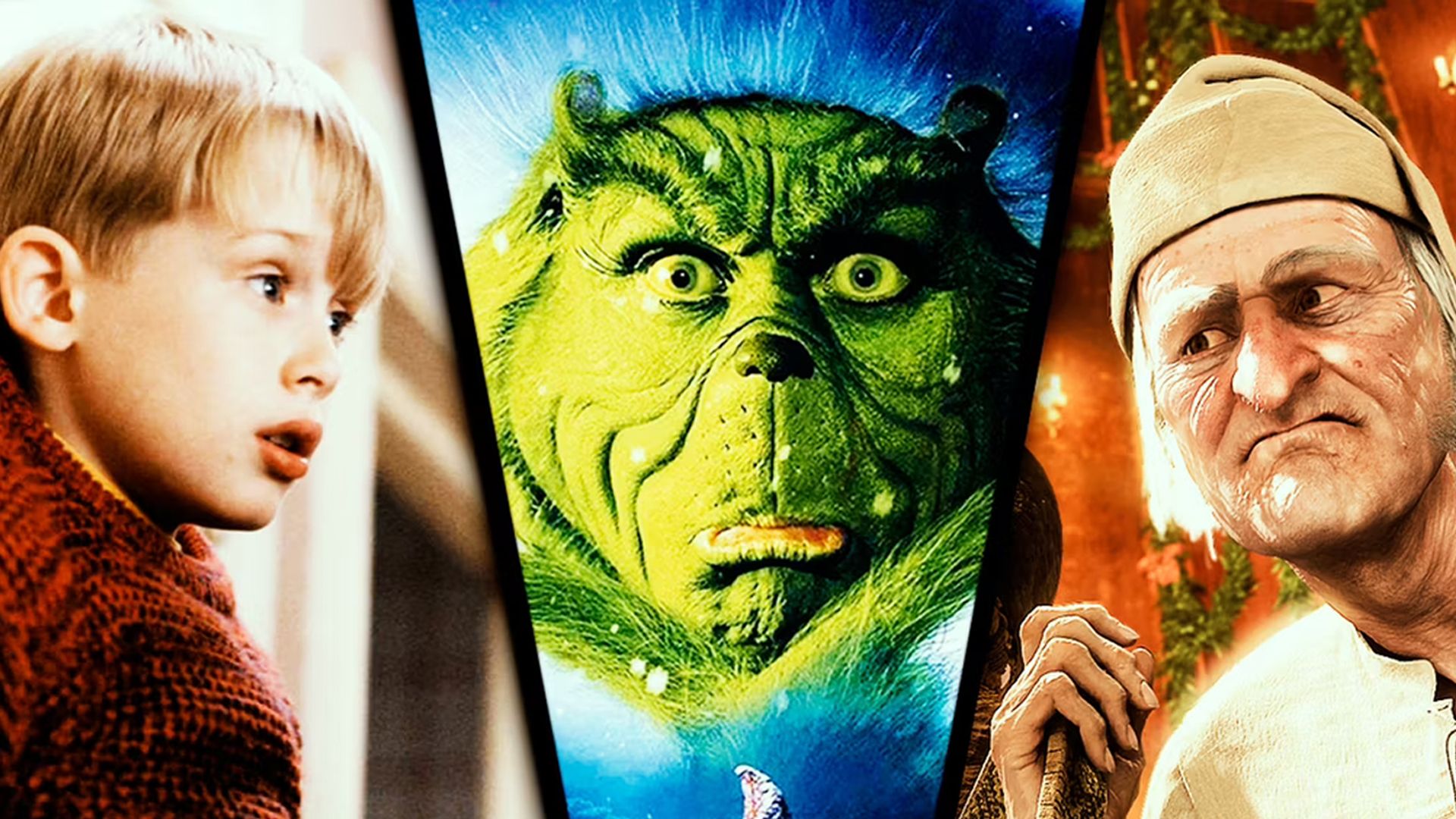
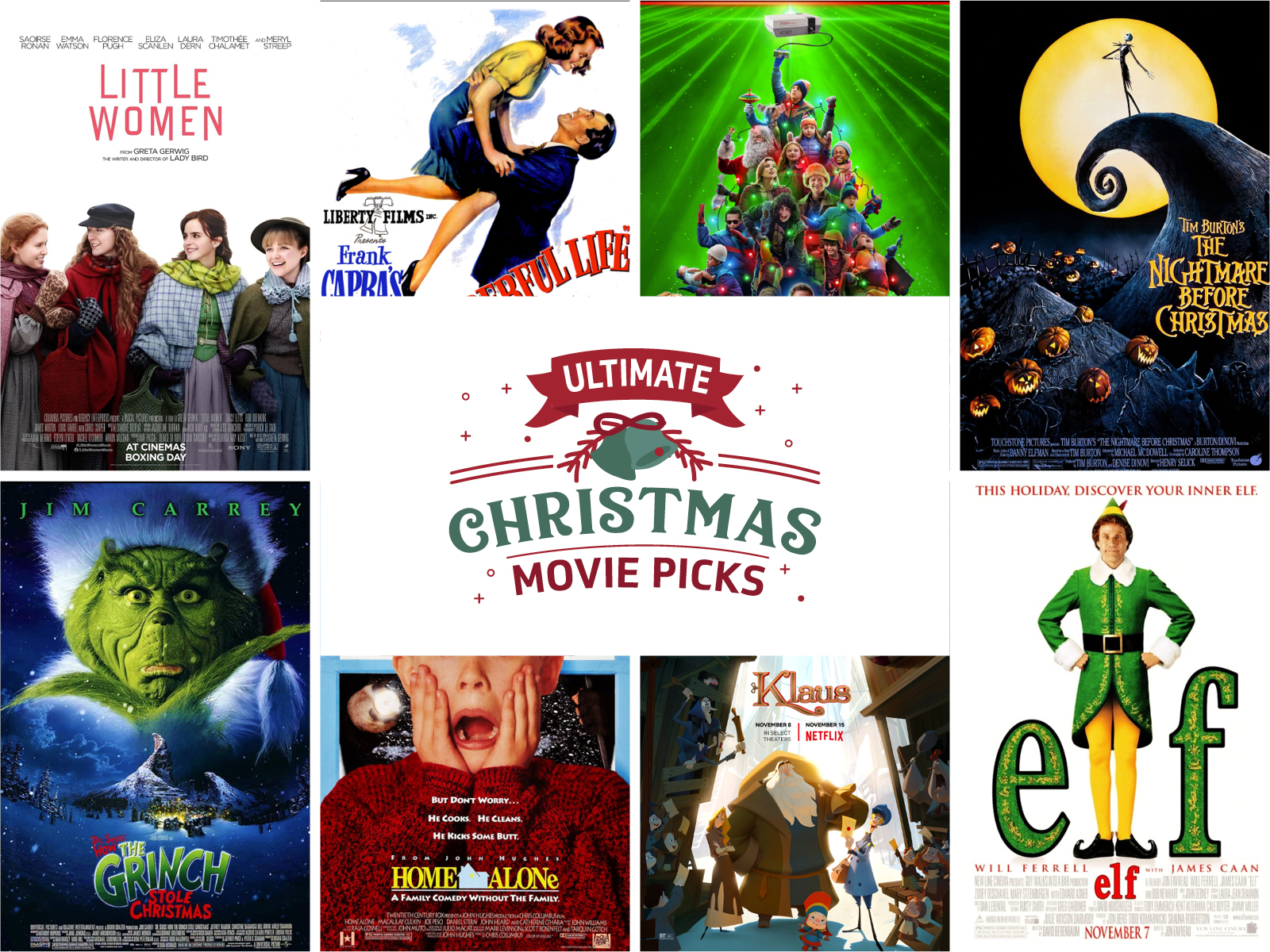
The highest-selling Christmas movies of all time are led by Illumination’s The Grinch (2018) and the 1990 classic Home Alone, both of which exceeded $475 million in global box office revenue. These rankings are primarily determined by worldwide theatrical grosses, though home media sales and licensing residuals significantly contribute to their multi-billion dollar lifetime commercial valuations.
Methodology: What Defines a "Best Selling" Holiday Film?
When evaluating the commercial success of Christmas cinema, the term "best selling" typically refers to the total worldwide box office gross. However, a comprehensive analysis must also consider the evolution of the industry. In the 1990s, "selling" referred heavily to VHS and DVD sales, whereas in 2026, the industry measures success through a combination of theatrical revenue, digital purchase units (PVOD), and long-term streaming licensing agreements.
To provide an accurate ranking, we prioritize unadjusted global box office receipts, as these are the most verifiable public records. It is important to note that while inflation-adjusted figures would place older films like Miracle on 34th Street (1947) or White Christmas (1954) in high positions, the modern era of global distribution allows contemporary films to reach a scale that was previously impossible. This list focuses on the 12 films that have historically dominated the box office and remain the commercial benchmarks of the genre.
1. The Grinch (2018)
Illumination’s animated reimagining of Dr. Seuss’s classic tale currently holds the title of the highest-grossing Christmas film of all time. Earning approximately $512 million worldwide, this version leveraged the massive brand equity of Illumination (the studio behind Despicable Me) and a vibrant, family-friendly aesthetic.
The film's success can be attributed to its broad international appeal. Unlike some American holiday films that rely heavily on domestic nostalgia, the visual storytelling of animation transcends language barriers, allowing The Grinch to perform exceptionally well in markets like China and South America. By the time it exited theaters, it had narrowly surpassed the long-standing record held by Home Alone.
2. Home Alone (1990)
For nearly three decades, Home Alone was the undisputed king of Christmas movies. With a global haul of $476.7 million, its performance in 1990 was nothing short of a miracle. When adjusted for 2026 ticket prices, its earnings would easily exceed $1 billion, but even in raw numbers, it remains a titan.
The film stayed at number one in the U.S. box office for 12 consecutive weeks and remained in the top ten for nearly six months. Its success was driven by a perfect storm: Chris Columbus's tight direction, John Williams's iconic score, and Macaulay Culkin’s star-making performance. Its "sellability" extended far beyond the theater, as it became one of the best-selling physical media titles in the history of 20th Century Fox.
3. How the Grinch Stole Christmas (2000)
The live-action adaptation starring Jim Carrey brought a darker, more surreal version of Whoville to the screen. Directed by Ron Howard, the film earned $345 million globally. While it was a massive hit in North America, its stylized, prosthetic-heavy aesthetic was met with more curiosity than adoration in certain international markets.
The film’s commercial legacy is tied largely to Carrey’s star power at the turn of the millennium. It proved that big-budget, high-concept holiday films could work outside of the traditional "family dramedy" mold. The film also benefited from a massive merchandising campaign, selling everything from ornaments to "Grinch-green" snacks.
4. A Christmas Carol (2009)
Disney’s performance-capture version of the Dickens classic, directed by Robert Zemeckis and starring Jim Carrey in multiple roles, earned $325 million. This film represents a specific era of "technical maximalism" in Hollywood, where 3D ticket premiums significantly boosted box office totals.
Despite its high gross, the film was so expensive to produce—estimated at $200 million—that its profitability was initially questioned. However, through persistent seasonal broadcasts and digital sales, it has become a staple of the Disney holiday catalog. Its success demonstrated that audiences were willing to accept a more somber, ghost-story-oriented Christmas film if the visual spectacle was sufficient.
5. The Polar Express (2004)
Another Robert Zemeckis entry, The Polar Express earned $314 million during its initial run and subsequent IMAX re-releases. It is often cited as the film that saved the IMAX format, as the 3D version became a perennial winter event that theaters could rely on year after year.
The film's "selling" power is unique because it is an evergreen asset. While many films have a sharp drop-off after their first year, The Polar Express has seen repeated theatrical re-releases every December since its debut. This consistent revenue stream has allowed it to climb the rankings decades after its original release.
6. Love Actually (2003)
As a romantic comedy, Love Actually represents a different segment of the holiday market. It earned $246 million globally, with a significant portion of that revenue coming from outside the United States. It is arguably the most successful "adult-oriented" Christmas film in history.
The film’s ensemble cast, featuring Hugh Grant, Emma Thompson, and Alan Rickman, helped it become a massive hit in the UK and Europe. Its structure—multiple intertwining stories—has since been copied by dozens of other holiday films, but none have matched its commercial or cultural impact. In 2026, it remains one of the most-streamed titles every December.
7. The Holiday (2006)
Following closely behind Love Actually, Nancy Meyers’ The Holiday earned $205 million. This film is a masterclass in demographic targeting, focusing on affluent audiences and "comfort viewing." Starring Cameron Diaz and Kate Winslet, it leveraged its high-end production design and international locations (London and Los Angeles) to attract a global audience.
The film’s success is a testament to the "counter-programming" strategy. While big animated films and action movies dominate the holidays, The Holiday captured the market for viewers seeking a sophisticated, heartwarming escape. Its steady performance on digital platforms ensures it stays in the top tier of holiday sellers.
8. Elf (2003)
Will Ferrell’s Elf is often cited as the last "modern classic" to enter the permanent Christmas canon. It earned $220 million at the box office. While its raw total is lower than The Polar Express or The Grinch, its profit margins were significantly higher due to its relatively modest $33 million budget.
Elf’s commercial power is most visible in its licensing and merchandising. From Broadway musicals to "syrup-flavored" tie-in products, the brand of Elf generates millions in revenue annually. It is a rare example of a film that has grown in financial stature every year since its release, regardless of theatrical presence.
9. Home Alone 2: Lost in New York (1992)
Sequels rarely capture the magic of the original, but Home Alone 2 came remarkably close, earning $359 million. While it didn't quite reach the heights of the first film, it solidified the franchise as a global powerhouse.
The film benefited from the massive momentum of the first installment, using a similar formula but scaling up the production with a New York City setting. The commercial success of the sequel led to several more entries in the franchise, though none would ever reach these financial heights again.
10. The Santa Clause (1994)
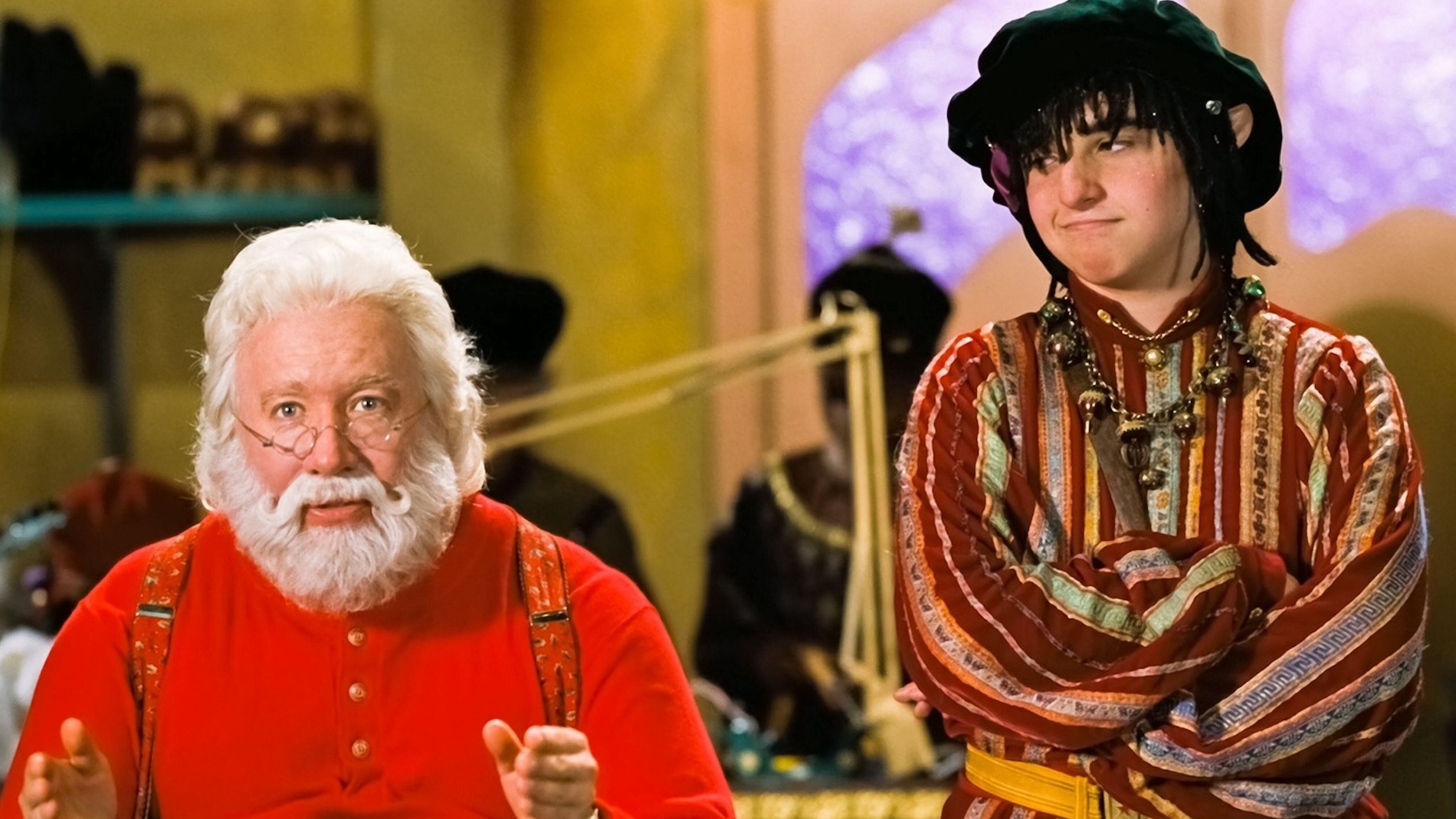
Tim Allen’s foray into Disney holiday magic resulted in a $189 million global gross. This film was a foundational success for Disney’s live-action holiday strategy in the 1990s. Its domestic performance was particularly strong, as Allen was at the peak of his Home Improvement fame.
The success of the first film spawned a trilogy and a recent streaming series on Disney+, making it one of the most durable intellectual properties in the Christmas genre. Its inclusion on this list is due to its consistent ability to generate revenue across multiple generations of viewers.
11. Last Christmas (2019)
A more recent entry, Last Christmas, starring Emilia Clarke, earned $121 million. While its numbers are lower than the mid-century blockbusters, it represents the modern box office ceiling for holiday romantic comedies in an era dominated by streaming.
The film’s soundtrack, featuring the music of George Michael, was a major selling point, helping it perform well in international territories. It serves as a benchmark for how modern studios approach the holiday window: moderate budgets with high-concept musical or star-driven hooks.
12. The Nightmare Before Christmas (1993)
While technically a Disney/Touchstone hybrid that bridges Halloween and Christmas, Henry Selick’s stop-motion masterpiece has earned approximately $91 million through its various releases. What makes it a "best seller" isn't just the box office; it is the staggering volume of merchandise.
The film is a retail phenomenon. In terms of "units sold"—including apparel, home decor, and collectibles—it likely rivals Home Alone for total brand revenue. Its steady theatrical re-releases in both October and December have allowed its box office total to creep upward for over 30 years.
Comparative Revenue Data: Global Box Office vs. Initial Budget
The following table compares the financial performance of these holiday titans, highlighting the efficiency of their earnings relative to their production costs.
| Film Title | Release Year | Global Box Office (Unadjusted) | Estimated Budget | Key Market |
|---|---|---|---|---|
| The Grinch | 2018 | $512 Million | $75 Million | Global |
| Home Alone | 1990 | $476 Million | $18 Million | North America |
| Home Alone 2 | 1992 | $359 Million | $28 Million | North America |
| How the Grinch Stole Christmas | 2000 | $345 Million | $123 Million | North America |
| A Christmas Carol | 2009 | $325 Million | $200 Million | International |
| The Polar Express | 2004 | $314 Million | $165 Million | Global/IMAX |
| Love Actually | 2003 | $246 Million | $40 Million | UK/Europe |
| Elf | 2003 | $220 Million | $33 Million | North America |
| The Holiday | 2006 | $205 Million | $85 Million | Global |
| The Santa Clause | 1994 | $189 Million | $22 Million | North America |
| Last Christmas | 2019 | $121 Million | $25 Million | International |
| Nightmare Before Christmas | 1993 | $91 Million | $24 Million | Merchandising |
Factors Influencing Holiday Box Office Success
The "selling" potential of a Christmas movie is rarely about the quality of the plot alone. Several structural factors contribute to why these 12 films have outperformed thousands of other holiday attempts.
1. Release Timing and Windowing
The most successful films on this list were released in the "Golden Window"—the second or third week of November. This allows the film to build word-of-mouth momentum through Thanksgiving and peak during the high-traffic weeks between December 20th and January 2nd. Films released too early (October) or too late (mid-December) often struggle to capture the full seasonal spend.
2. Multi-Generational Appeal
The highest sellers, such as The Grinch and Home Alone, are "four-quadrant" movies. They appeal to young children, teenagers, parents, and seniors. Animation is the most effective tool for this, which is why the 2018 Grinch holds the top spot. When a movie requires the whole family to buy tickets, its "selling" power quadruples instantly.
3. The "Evergreen" Factor
Christmas movies are unique in the film industry because they have a guaranteed "revival" period every 12 months. A standard blockbuster like Avengers makes most of its money in year one. A Christmas film like Elf or The Polar Express creates a "long tail" of revenue. Studios often value these films higher than standard hits because they provide predictable annual licensing income from television networks and streaming platforms like Netflix or Disney+.
The Shift to Digital and Streaming in 2026
As of 2026, the concept of a "best-selling" movie has shifted significantly toward digital consumption. While the theatrical numbers for these 12 films are the historical record, their current value is found in "minutes viewed" and "digital library purchases."
Many modern holiday hits are now produced directly for streaming platforms (e.g., Apple TV+, Netflix, and Max). These films do not have traditional "box office" numbers, but they are "sold" to subscribers as part of a bundle. For example, a film like Spirited (2022) might be considered a "best seller" in terms of the number of subscriptions it drove or maintained during the fourth quarter, even if it never saw a wide theatrical release.
FAQs
Which Christmas movie has made the most money when adjusted for inflation?
If adjusted for inflation, the 1990 film Home Alone remains the most successful Christmas movie of all time. Its domestic gross of $285 million in 1990 would be worth over $650 million today, and its global total would exceed $1.1 billion. While the 2018 Grinch has a higher "raw" number, Home Alone sold significantly more individual tickets.
Why do animated Christmas movies often sell better than live-action ones?
Animation has a higher degree of "exportability." Humor in live-action films is often tied to specific cultural or linguistic nuances. Animation, however, relies more on visual slapstick and universal themes, making it easier to dub into multiple languages and market to global audiences in Europe, Asia, and Latin America.
Are Hallmark or Lifetime movies considered "best sellers"?
While Hallmark produces dozens of Christmas movies annually that attract millions of viewers, they are generally not categorized as "best sellers" in the cinematic sense because they do not have theatrical releases. Their success is measured in advertising revenue and cable ratings rather than ticket or "per-unit" sales.
Is Die Hard considered a best-selling Christmas movie?
Die Hard earned $141 million globally in 1988. While fans continue to debate its status as a "Christmas movie," its commercial performance would technically place it near the top 12. However, most industry analysts categorize it as an "Action/Thriller" that happens to take place at Christmas, rather than a "Holiday Genre" film.
How much do these movies make from TV rights?
Licensing a top-tier Christmas movie like Elf or The Santa Clause can cost a television network between $2 million and $5 million per year for a limited broadcast window. This "hidden" revenue is why studios are so aggressive about protecting the copyright and trademarks of these specific 12 films.
Recommended Next Actions for Collectors and Fans
For those looking to explore the commercial history of these films further or to build a definitive holiday library, consider the following:
- Prioritize Physical 4K Media: For "best sellers" like The Polar Express and Home Alone, the 4K Ultra HD transfers offer significantly higher bitrates than streaming, preserving the original theatrical intent.
- Monitor Re-releases: In 2026, many of these films (specifically The Polar Express and The Nightmare Before Christmas) are frequently returned to IMAX and Dolby Cinema screens. Checking local listings in late November is the best way to experience these high-grossing spectacles as they were intended.
- Track Digital Sales: If you are building a digital collection, most of these "best sellers" are bundled into "Holiday Collections" on platforms like Vudu or Apple TV during the first week of December, often at a 50-70% discount compared to individual prices.