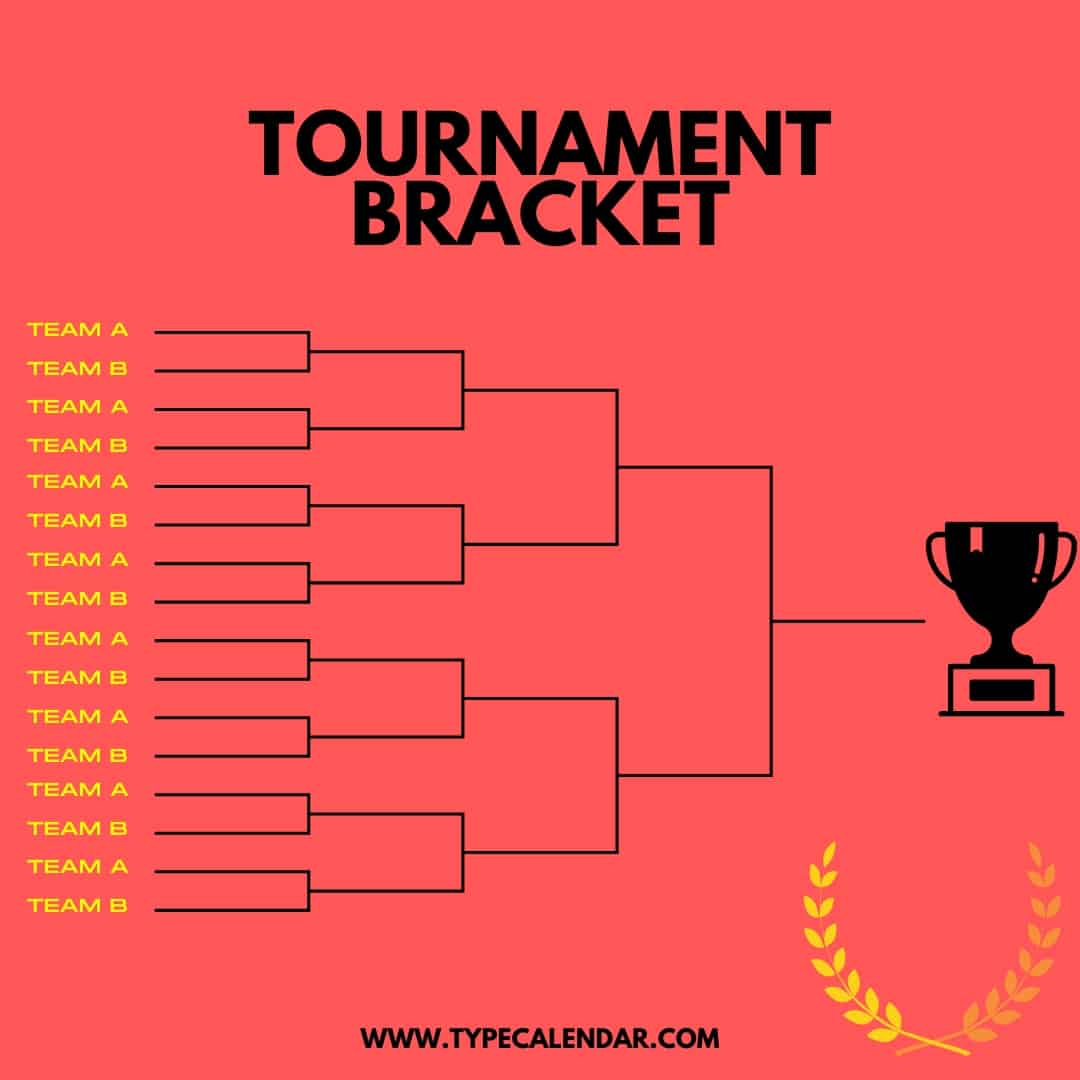
Structuring a sports tournament for precisely 10 teams while guaranteeing every participant at least three games requires a strategic blend of bracket design, pool play, or consolation paths. Traditional single-elimination formats fail in this scenario because they immediately send half the field home after one loss, and standard double-elimination brackets can become overly complex and time-consuming to schedule efficiently. Event organizers, league directors, and coaches frequently turn to three-game guarantee formats to maximize value for traveling teams, justify entry fees, and provide a competitive, engaging experience. Understanding how these brackets operate, how to schedule them, and how to balance pool play with playoff structures ensures an organized, seamless tournament experience for all participants.
Understanding the 3-Game Guarantee Concept
A three-game guarantee tournament ensures that no matter how a team performs during its initial matchups, it will take the field, court, or diamond at least three times before its tournament run officially ends. This format stands in stark contrast to traditional single-elimination tournaments, where a team that loses its first two games is eliminated immediately, or even standard pool-play formats that might limit teams to a strict two-game preliminary round without a path forward.
For youth sports, adult recreational leagues, and competitive travel tournaments, the three-game guarantee has become an industry standard. Participants pay registration fees, sometimes travel significant distances, and book lodging; playing only two games offers poor value and limited competition. By guaranteeing three games, organizers provide a safety net against an unlucky early draw or a slow start. However, delivering this guarantee for precisely 10 teams introduces unique mathematical and logistical challenges, as 10 is not a power of two (such as 4, 8, or 16), which makes standard binary tree brackets impossible without structural modifications.
Core Structural Models for 10 Teams
Accommodating 10 teams while satisfying a three-game minimum typically requires combining round-robin pool play with single-elimination brackets, or utilizing a modified double-elimination/consolation ladder. Because 10 teams do not divide evenly into clean brackets, tournament directors use distinct formats depending on available time, venue space, and officiating resources.
The Pool Play Plus Tournament Format
The most common approach for a 10-team, three-game guarantee event is the Pool Play Plus Single-Elimination model. In this setup, the field is divided into smaller groups for preliminary round-robin games, followed by a seeded championship bracket.
- Initial Grouping: The 10 teams are divided into two pools of 5 teams, or three pools (two pools of 3 teams and one pool of 4 teams).
- Preliminary Action: Teams play a predetermined number of pool games (usually 2 games each).
- The Guarantee Mechanism: After pool play concludes, all teams advance to a secondary phase—either a championship bracket for top performers or a consolation bracket for lower seeds—ensuring that every team reaches or exceeds the three-game threshold.
The Modified Consolation Ladder Format
Another viable option is a direct bracket system where teams that lose in the championship bracket drop down into a consolation ladder.
- Round 1: Play-in games or partial opening rounds are utilized to reduce the field or seed teams appropriately.
- The Drop-Down: A team losing its first game drops into a consolation bracket, guaranteeing two more games. A team winning its first game advances in the championship bracket; a subsequent loss there also routes them into a secondary consolation path.
- Logistical Complexity: While this ensures every team plays three games, it requires intricate scheduling to ensure fields or courts are available for simultaneous championship and consolation matches.
| Tournament Model | Pool Play Games | Bracket Phase | Total Minimum Games | Best Used For |
|---|---|---|---|---|
| Two Pools of 5 | 2-3 games per team | Single elimination / Consolation | 3-4 games | Balanced competition, ample field space |
| Three Pools (3/3/4) | 2 games per team | Tiered playoffs | 3 games | Tight weekend schedules |
| Modified Consolation | 0 pool games (pure bracket) | Main and consolation ladders | 3 games | Traditional bracket feel with safety net |
Step-by-Step Breakdown: Two Pools of 5 Teams
To visualize how a 10-team, three-game guarantee tournament functions in practice, examine the most popular execution: two pools of five teams. This structure balances fairness, straightforward scheduling, and clear progression paths.
Phase 1: Round-Robin Pool Play
The 10 teams are split into Pool A (Teams 1 through 5) and Pool B (Teams 6 through 10). Each team plays every other team in its pool, or plays a crossover schedule ensuring each team plays exactly 2 pool games.
- Game Count: Every team completes 2 games during this initial phase.
- Standings Determination: Win-loss records, head-to-head results, runs allowed, and run differential are calculated to rank teams within their respective pools from 1st to 5th place.
Phase 2: Advancing to the Guarantee and Playoffs
Once pool play concludes, the records dictate where each team goes next. Because every team must reach at least three games, the tournament structure provides a third game to every single participant.
- Championship Bracket: The top teams from each pool (typically the top 2 or top 4 overall across both pools) advance to a single-elimination championship bracket. Teams that win their first playoff game play a fourth game (semifinals), and winners advance to a fifth game (championship).
- Consolation Bracket: Teams that finish lower in their pools are placed into a consolation bracket or assigned a guaranteed third-place crossover game. For example, the 5th-place team in Pool A plays the 5th-place team in Pool B as their third game, concluding their tournament run. Meanwhile, 3rd and 4th place pool finishers enter a consolation bracket that guarantees them at least one or two additional games, easily clearing the three-game minimum.
Advantages of the 3-Game Guarantee Format
Implementing a three-game guarantee for a 10-team tournament offers distinct benefits for organizers, coaches, and players alike.
- Enhanced Value for Entry Fees: Tournaments are increasingly expensive due to facility rentals, officiating costs, and equipment. Players and parents feel more justified paying registration fees when they know the team will play a minimum of three games rather than risking an early exit after two losses.
- Balanced Competition: By utilizing pool play to seed teams into tier-based brackets for the final round, blowouts are minimized in later rounds. Weaker teams play against similarly matched opponents in consolation brackets, while top-tier teams face stiff competition in the championship bracket.
- Predictable Scheduling: Unlike complex open double-elimination brackets where game times depend entirely on prior real-time results, pool-play-plus-bracket formats allow tournament directors to pre-schedule the initial pool games and publish clear timeframes for subsequent playoff rounds.
Logistical Challenges and Scheduling Considerations
Despite its popularity, managing a 10-team tournament with a three-game guarantee requires meticulous planning. Tournament directors must navigate several operational hurdles to ensure the event runs smoothly.
Facility and Time Constraints
A 10-team tournament playing a minimum of three games requires a high volume of total games.
- If 10 teams play 3 games each, the tournament features a minimum of 15 games ($10 \times 3 / 2$, assuming two teams per game).
- If playoffs add extra games for advancing teams, the total game count can easily rise to 18 or 20 matches.
- Organizers must secure enough fields, courts, or ice sheets, and schedule time slots tightly to fit everything into a standard weekend window (Saturday and Sunday).
Tie-Breaker Protocols
Because pool play feeds into subsequent brackets, ties in pool records are common. Clear, pre-published tie-breaking rules are essential to prevent disputes. Standard protocols include:
- Head-to-head record (if applicable).
- Fewest runs/points allowed across pool play.
- Run/point differential (with maximum cap limits to discourage running up the score).
- Most runs/points scored.
- Coin flip as a last resort.
Common Mistakes in 10-Team Bracket Design
Tournament organizers occasionally make structural errors when attempting to configure odd-numbered or non-power-of-two fields. Avoiding these pitfalls ensures a better experience for everyone involved.
- Failing to Track the Guarantee: Accidentally matching teams in a way that eliminates a team after two losses without a consolation path violates the core premise of the tournament. Every single team must have a mathematically guaranteed path to their third game before the event begins.
- Neglecting Rest Intervals: Cramming three games into a single day for youth athletes increases fatigue and injury risk. Organizers should spread pool play across Saturday and reserve bracket play for Sunday, or ensure mandatory rest periods between consecutive matches.
- Ambiguous Seedings: Leaving playoff matchups undefined until the final second of pool play can cause chaos at the tournament headquarters. Clear software integration or published bracket trees remove confusion for coaches and parents.
Frequently Asked Questions
What happens if a team forfeits a game in a 3-game guarantee tournament?
If a team forfeits a preliminary pool game, it typically counts as a loss in the standings, but tournament directors usually still ensure the team plays its remaining scheduled matches to fulfill the venue and operational commitments. However, forfeit rules vary by organization, and repeated no-shows can result in disqualification from playoff brackets.
Are consolation games optional for teams that miss the championship bracket?
Consolation games are officially part of the tournament schedule and count toward the three-game guarantee. While a team may technically choose to leave early, doing so forfeits their remaining guaranteed game and can disrupt the schedule for their scheduled opponent.
How are tie-breakers calculated when three teams have identical pool records?
When a three-way tie occurs, organizers generally revert to head-to-head records among the tied teams. If teams did not all play each other, tournament directors rely on defensive metrics such as fewest runs allowed or run differential across all pool games to separate the teams and determine seedings.
Why not just use a standard double-elimination bracket for 10 teams?
Standard double-elimination brackets for 10 teams require a complex "if-necessary" final game and can create extreme scheduling bottlenecks where some teams sit idle for hours waiting for other bracket matches to conclude. Pool-play formats offer fixed game times and guaranteed workloads, making them vastly superior for weekend scheduling.
Can a 10-team 3-game guarantee tournament be completed in one day?
While technically possible if multiple playing surfaces are available simultaneously, playing three to four games in a single day is physically grueling and logistically difficult. Most 10-team tournaments span a full weekend or at least two distinct days to preserve player safety and field quality.
Practical Next Actions for Organizers and Coaches
For tournament directors, successfully executing a 10-team, three-game guarantee event requires selecting a pool-play-plus-bracket model, securing adequate facility time, and publishing clear rules and schedules at least two weeks prior to the event. Utilizing dedicated tournament management software helps automate seedings and instantly updates standings as pool games conclude.
For coaches and team managers, preparation involves reviewing the tournament format ahead of time, managing roster depth to handle a minimum of three intense games, and communicating expectations regarding potential consolation matchups to parents and players. By understanding the underlying math and structure of the bracket, participants can approach the weekend with clarity and focus on competitive execution.