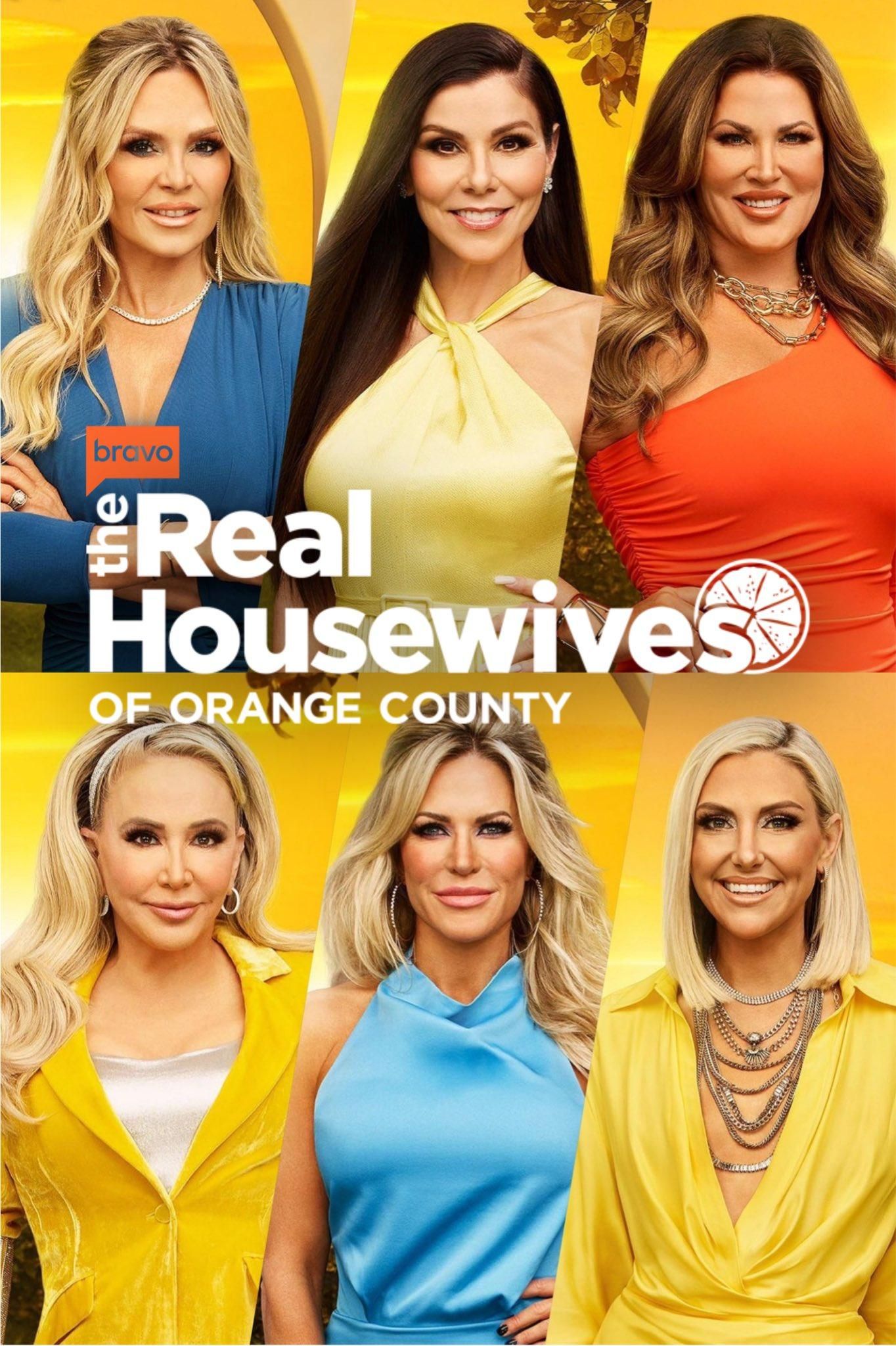
The thirteenth season of The Real Housewives of Orange County (RHOC) served as a pivotal transitional era for the long-running reality franchise. Premiering in 2018, the season focused on the complex interplay between veteran cast members and new additions, ultimately shifting the show’s dynamic from established social circles toward a more volatile, confrontational style of interaction that would define the franchise's later years.
The Context and Cast Landscape of Season 13
When The Real Housewives of Orange County entered its thirteenth year, it held the distinction of being the progenitor of the entire Real Housewives universe. By 2018, the franchise was navigating a period of internal restructuring. The departure of long-time cast members and the introduction of new personalities were strategies employed by producers to inject fresh tension into the established social hierarchy of the Orange County elite.
The main cast for Season 13 consisted of Vicki Gunvalson, Tamra Judge, Shannon Beador, Kelly Dodd, and two newcomers, Emily Simpson and Gina Kirschenheiter. This configuration was significant because it balanced the "OGs" (original cast members) who carried the show’s history with fresh blood who had no prior allegiance to the existing cliques.
The Role of Veteran Stability
Vicki Gunvalson, having been on the show since its inception, represented the anchor of the franchise. However, by Season 13, the narrative focus had shifted away from her personal business successes and toward her defensive posture against the newer and more aggressive members of the group. Tamra Judge, meanwhile, continued her role as the primary architect of conflict, acting as a bridge between the old guard and the new recruits.
The Integration of New Voices
The introduction of Emily Simpson and Gina Kirschenheiter served as a social experiment. Emily, an intellectual and lawyer, brought a level of analytical scrutiny that previously hadn't been a focus of the group's arguments. Gina, representing a different demographic—younger, relatable, and navigating a life shift—provided a stark contrast to the opulence usually associated with the OC zip codes. Their inclusion forced the veterans to justify their behavior rather than simply asserting their dominance through tenure.
Key Storylines and Narrative Evolution
The primary conflict throughout Season 13 revolved around the shifting alliances necessitated by the newcomers' arrival. Unlike earlier seasons where conflicts were often rooted in long-term friendships or business betrayals, Season 13 saw the rise of transient, personality-driven arguments.
The "Tres Amigas" Disruption
A central narrative thread involved the strained friendship between Shannon Beador, Tamra Judge, and Vicki Gunvalson. Their previously ironclad alliance—often referred to by fans as the "Tres Amigas"—underwent immense pressure due to outside allegations and personal grievances. This period marked the beginning of a more cynical tone in the show, where viewers witnessed the dismantling of long-standing friendships in real-time, often for the sake of the show’s dramatic pacing.
The Impact of Personal Crisis
The season did not shy away from the intersection of personal life and public performance. Shannon Beador’s divorce was a dominant theme, anchoring the season in emotional reality. By centering the story on her transition from a married woman to a single mother, the producers were able to balance the lighthearted, often superficial social outings with heavy, relatable life challenges. This dual-track storytelling became a blueprint for subsequent seasons.
Analysis of Franchise Impact
The impact of RHOC Season 13 on the broader reality landscape cannot be overstated. It solidified the "confrontational-to-reconciliation" loop that remains the standard structure for Bravo programming today.
Shift in Audience Expectations
By 2018, audiences had become savvier about reality television production. They were no longer looking for simple displays of wealth; they were looking for "authenticity" in the form of raw, unedited conflict. Season 13 catered to this by leaning heavily into the personality clashes between Kelly Dodd and the rest of the cast. The volatility of these interactions established a precedent where the most aggressive participants were given more screen time, altering the incentive structure for future cast members.
Production Style Changes
Technically, Season 13 marked a shift toward more sophisticated editing. The use of "flashbacks" to highlight hypocrisy—a hallmark of modern reality TV—was perfected during this era. Producers began weaponizing the cast’s own past statements against them, forcing them to address inconsistencies in their current season behavior. This self-referential editing style forced the cast to become more self-aware, which paradoxically made their interactions feel more guarded in later years.
Comparative Dynamics: Season 13 and Its Predecessors
To understand the evolution of the series, it is helpful to compare the structural elements of Season 13 with the earlier, more lifestyle-focused seasons.
| Feature | Early Seasons (1-5) | Season 13 |
|---|---|---|
| Main Focus | Family and lifestyle | Conflict and social dynamics |
| Cast Tenure | Highly consistent | High turnover |
| Tone | Observational/Documentary | Confrontational/Performative |
| Editing Style | Linear narrative | Flashback-heavy/Causal linking |
| Primary Driver | Real-world social circles | Forced group interactions |
Addressing Common Questions
Why was Season 13 considered a "reboot" era?
It wasn't a total reboot, but the addition of two distinct personalities (Emily and Gina) shifted the power balance. It allowed the producers to test whether the franchise could survive without relying solely on the original group's static history.
How did the inclusion of attorneys like Emily Simpson change the show?
Emily Simpson brought a different tactical approach to arguments. Instead of relying on emotional outbursts, she often utilized logic and legalistic questioning, which forced other cast members to change their debating tactics to survive the season.
Did Season 13 change the trajectory of Kelly Dodd’s involvement?
Yes, it provided the platform for Kelly Dodd to cement her status as a primary instigator. Her ability to operate independently of the established cliques made her indispensable to the production team during this specific timeframe.
What was the long-term impact on the "Tres Amigas" dynamic?
Season 13 exposed the fragility of that group. The public reconciliation attempts and subsequent private betrayals during this season effectively killed the group's credibility as a unified front, leading to the fracture that would be fully realized in later years.
How does the current climate of the show compare to Season 13?
The show is now more self-referential than it was in 2018. The meta-commentary that started in Season 13—where cast members discuss the show's impact on their own reputations—has become a standard feature of modern Bravo reality television.
Practical Guidance for Viewers
For those revisiting or analyzing The Real Housewives of Orange County in 2026, Season 13 serves as an essential case study in how to pace a reality season.
- Watch for the Edit: When viewing, pay close attention to the sound design and the use of confessionals. You will notice that by Season 13, the editors were intentionally pacing the show to maximize the impact of arguments by cutting back and forth between past and present footage.
- Observe the Group Dynamics: Note how the "new" cast members are tested. They are usually placed in a high-stress social situation immediately to see how they handle pressure. This is a common casting litmus test that became highly refined in this season.
- Analyze the Conflict Escalation: Look at how an argument starts from a minor comment and escalates into a group-wide confrontation. This is the "RHOC model." Understanding how it works will help you appreciate the craft behind the chaos.
Conclusion and Future Perspective
Season 13 of The Real Housewives of Orange County was not merely a collection of episodes; it was a transitionary phase that modernized the format for a digital-first audience. By embracing more aggressive casting and leveraging the history of the veterans against their current behavior, the show ensured its longevity. Whether or not one enjoys the heightened drama, the impact of these production choices remains visible in the current landscape of the Real Housewives franchise in 2026. For scholars of reality television, this season remains a masterclass in managing long-running talent while introducing the disruption necessary to maintain viewer interest.