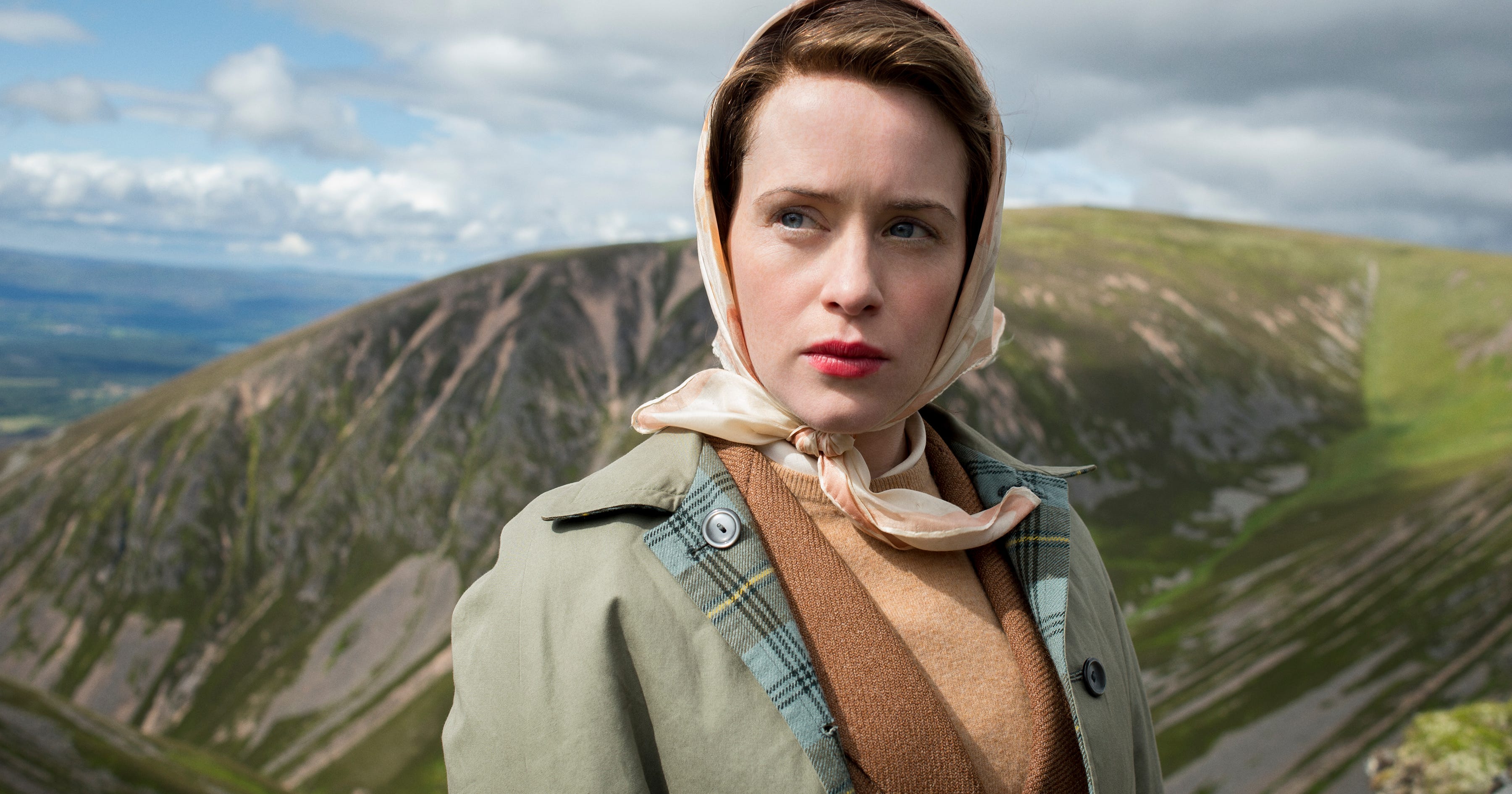
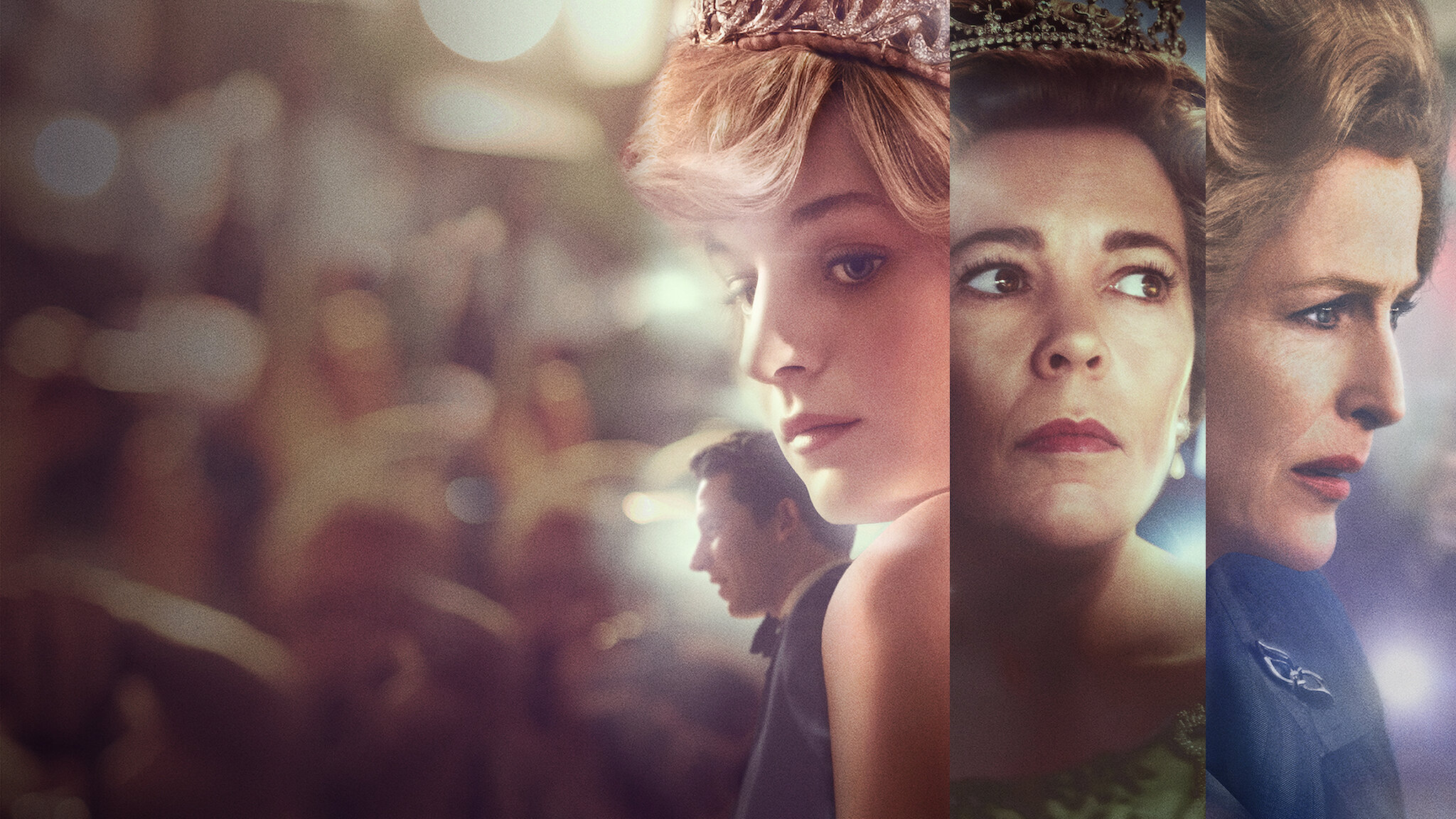
The first season of the Netflix original series The Crown provides a meticulously crafted dramatization of the early reign of Queen Elizabeth II, spanning the years 1947 to 1955. It explores the delicate balance between private life and public duty, beginning with Elizabeth's marriage to Philip Mountbatten and concluding with the resignation of Sir Winston Churchill and the breakdown of Princess Margaret's relationship with Peter Townsend.
Historical Timeline and the Post-War Setting
The narrative arc of Season 1 is anchored in the stark reality of post-World War II Britain. As of 2026, looking back at the series' debut, it remains one of the most expensive and ambitious television projects ever attempted, largely because of its commitment to historical texture. The season begins in 1947, a time when the British Empire was beginning to contract and the nation was grappling with the economic aftermath of the war.
The season’s opening episodes depict a Britain that is physically scarred but emotionally resilient. We see King George VI, played with poignant vulnerability by Jared Harris, struggling with failing health while attempting to guide a young Elizabeth (Claire Foy) toward her eventual responsibilities. The timeline moves through the pivotal moment in 1952 when, while on a royal tour in Kenya, Elizabeth receives the news of her father's death. This transition from Princess to Queen serves as the emotional and structural fulcrum of the season.
The political backdrop is dominated by the twilight of Sir Winston Churchill’s career. John Lithgow’s portrayal of Churchill captures a man clinging to power while the world changes around him. The season expertly weaves major historical events—such as the Great Smog of 1952 and the 1953 Coronation—into the personal struggles of the royal family, illustrating how the monarchy must adapt to a modernizing world that views them with increasing scrutiny.
The Evolution of Elizabeth II: From Princess to Sovereign
The central theme of Season 1 is the "death" of Elizabeth Mountbatten and the birth of Elizabeth Regina. Claire Foy’s performance is a study in controlled emotion and burgeoning authority. At the start of the season, she is a devoted wife and mother, hoping for a decade or more of relatively normal life before ascending the throne. The sudden death of her father forces an immediate and jarring shift in her identity.
Throughout the ten episodes, we witness the internal conflict of a woman who must prioritize the Crown over her own desires, her husband’s ego, and her sister’s happiness. This is perhaps most evident in her relationship with her husband, Prince Philip, played by Matt Smith. The series does not shy away from the friction caused by Philip’s struggle to find a role within a system that demands he remain two steps behind his wife. His frustration with the protocols of the palace and the requirement that his children take the name Windsor rather than Mountbatten provides a recurring source of domestic tension.
Elizabeth’s education as a monarch is guided by two very different men: the aging Churchill and her private secretary, Tommy Lascelles. From them, she learns that the Crown must be a "silent" entity—an unchanging symbol of stability that remains above the fray of partisan politics. This requirement of silence often clashes with her personal instincts, particularly regarding her sister, Princess Margaret.
The Tragedy of Princess Margaret and Peter Townsend
While Elizabeth’s story is one of ascending duty, Princess Margaret’s arc in Season 1 is one of descending hope. Vanessa Kirby portrays Margaret with a vibrant, restless energy that stands in sharp contrast to Elizabeth’s stoicism. The primary conflict for Margaret involves her romance with Group Captain Peter Townsend, a divorced man and a former equerry to King George VI.
The "Townsend Affair" serves as a critical test for Elizabeth’s leadership. She is torn between her love for her sister and her role as the Head of the Church of England, which at the time forbade the remarriage of divorced persons if the former spouse was still living. The season explores the bureaucratic and religious obstacles placed in the path of the lovers, culminating in a heartbreaking decision that echoes the abdication of Edward VIII.
This subplot highlights the inherent cruelty of the royal system of the 1950s, where personal happiness was frequently sacrificed at the altar of institutional preservation. The shadow of "Uncle David" (the Duke of Windsor) looms large here, as his presence reminds the family of the chaos that ensues when a royal chooses love over the throne.
The Political Landscape: Churchill and the Great Smog
A significant portion of Season 1 is dedicated to the British government, specifically the final years of Winston Churchill's premiership. The series portrays Churchill as a monumental figure who is perhaps staying in office too long. His refusal to step down despite declining health and a series of strokes creates a power vacuum that his rivals, including Anthony Eden, are eager to fill.
One of the most technically impressive episodes, "Act of God," focuses on the Great Smog of London in December 1952. For several days, a thick layer of air pollution settled over the city, leading to thousands of deaths and a political crisis. The episode uses this environmental disaster to highlight the tension between the Queen and her Prime Minister. Churchill initially dismisses the smog as a mere weather event, while the Queen is urged by her advisors to intervene. This episode is crucial for establishing the Queen's growing confidence in challenging her ministers, even a giant like Churchill.
Production Design and Technical Excellence
The immersion of The Crown Season 1 is achieved through world-class production values. The costume design by Michele Clapton is not merely decorative but serves as a narrative tool. We see Elizabeth’s wardrobe transform from the soft, floral prints of a young mother in Malta to the rigid, structured, and heavy fabrics of a reigning monarch. The Coronation dress, a meticulous recreation of the original, symbolizes the weight of the office she has inherited.
The cinematography uses a palette of muted golds, deep blues, and architectural shadows to convey the isolation of life within Buckingham Palace. The filming locations, including Lancaster House and Ely Cathedral, stand in for royal residences with a grandeur that feels authentic. The musical score, with a theme by Hans Zimmer and incidental music by Rupert Gregson-Williams, provides a sense of gravitas and historical momentum that carries the viewer through the more contemplative moments of the script.
Season 1 Episode Breakdown and Key Events
The following table outlines the narrative progression of the first season, highlighting the primary historical focus of each episode.
| Episode | Title | Key Historical/Narrative Focus | Primary Year |
|---|---|---|---|
| 1 | Wolferton Splash | Elizabeth and Philip’s wedding; King George VI's surgery. | 1947–1951 |
| 2 | Hyde Park Corner | The death of George VI while Elizabeth is in Kenya. | 1952 |
| 3 | Windsor | Elizabeth's return to London; the decision on the Royal House name. | 1952 |
| 4 | Act of God | The Great Smog of London; Churchill’s political vulnerability. | 1952 |
| 5 | Smoke and Mirrors | The Coronation of Queen Elizabeth II; the Duke of Windsor's exile. | 1953 |
| 6 | Gelignite | The news of Margaret and Peter Townsend's affair breaks. | 1953 |
| 7 | Scientia Potentia Est | Elizabeth seeks a private tutor to supplement her education. | 1953 |
| 8 | Pride & Joy | Royal tour of the Commonwealth; tension between Elizabeth and Margaret. | 1954 |
| 9 | Assassins | Graham Sutherland paints Churchill’s 80th-birthday portrait. | 1954 |
| 10 | Gloriana | The final decision on Margaret’s marriage; Churchill’s resignation. | 1955 |
Themes of Duty, Sacrifice, and Tradition
The overarching philosophical question of Season 1 is whether an individual can truly coexist with an institution as demanding as the British Monarchy. Peter Morgan’s writing emphasizes that the Crown is a "mask" that eats the face. Once Elizabeth puts on the crown, her personal opinions, her "human" side, must be suppressed to ensure the continuity of the state.
This theme is explored through the contrast between Elizabeth and the Duke of Windsor. The Duke, who abdicated for love, is portrayed as a tragic, somewhat bitter figure who realizes that by leaving the institution, he has lost his purpose. Meanwhile, Elizabeth realizes that by staying in the institution, she must lose herself. This duality is the engine that drives the drama of the entire series, but it is never more purely expressed than in this first season.
FAQs About The Crown Season 1
Is The Crown Season 1 historically accurate? While the series is based on extensive research, it is a work of historical fiction. Most major events, such as the Great Smog and the Coronation, are factually grounded. However, private conversations and certain interpersonal dynamics—particularly the degree of friction between Elizabeth and Philip or the specific dialogue during political audiences—are dramatized for narrative effect. Official records of the British Monarchy and biographies by historians like Robert Lacey (who served as a consultant for the show) provide the framework for these dramatizations.
Who plays the Queen in Season 1? Claire Foy portrays Queen Elizabeth II in the first two seasons of the show. Her performance earned her numerous awards, including a Golden Globe and a Primetime Emmy. The role was later taken over by Olivia Colman for Seasons 3 and 4, and Imelda Staunton for Seasons 5 and 6, to reflect the aging of the monarch.
How many episodes are in the first season? Season 1 consists of 10 episodes, each ranging from approximately 50 to 60 minutes in length. This structure allows the show to dedicate entire episodes to specific historical crises or character studies, such as the episode "Assassins," which focuses almost entirely on Winston Churchill’s portrait.
What years are covered in Season 1? The season covers roughly eight years, starting with Elizabeth's wedding in November 1947 and ending with the political and personal fallout of late 1955.
Where can I watch The Crown Season 1 in 2026? The series remains a flagship exclusive on Netflix. As a Netflix Original, all six seasons, including the debut season, are available for streaming globally to subscribers.
Next Steps for Viewers
If you have just completed the first season of The Crown, the most logical next step is to proceed directly to Season 2. The second season continues with the same cast and picks up exactly where the first left off, exploring the Suez Crisis of 1956 and the further evolution of Elizabeth and Philip’s marriage during the late 1950s and early 1960s.
For those interested in the historical reality behind the drama, reading a comprehensive biography of the Queen, such as Elizabeth the Queen: The Life of a Modern Monarch by Sally Bedell Smith, can provide excellent context for the events depicted on screen. Additionally, visiting the official website of the British Royal Family offers archival information on the Queen's coronation and early speeches, allowing for a fascinating comparison between the real Elizabeth II and her fictionalized counterpart.