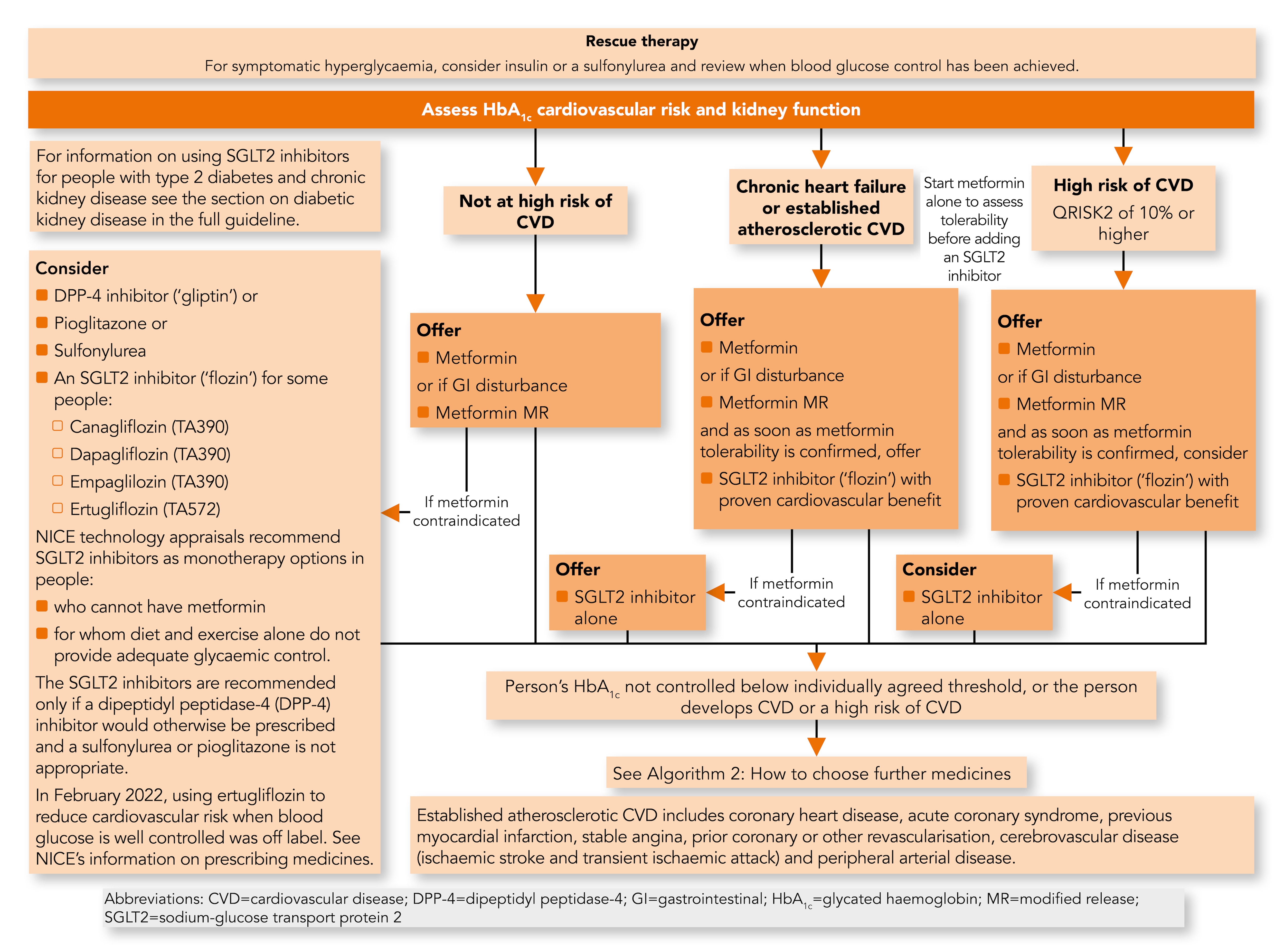
The first-line treatment for type 2 diabetes typically involves a combination of lifestyle modifications—specifically dietary changes and increased physical activity—paired with the prescription medication metformin. This approach aims to lower blood glucose levels, improve insulin sensitivity, and mitigate the risk of long-term cardiovascular and neurological complications associated with chronic hyperglycemia.
Understanding the Clinical Standard of Care
In the management of type 2 diabetes, "first-line treatment" refers to the initial course of action taken once a diagnosis is confirmed. Unlike conditions that require immediate aggressive pharmaceutical intervention, type 2 diabetes is often approached through a dual-track strategy: behavioral modification and pharmacological support.
The American Diabetes Association (ADA) and other global health authorities consistently emphasize that lifestyle interventions are not merely supplementary; they are foundational. Even when medication is introduced immediately upon diagnosis, it is intended to work in tandem with metabolic improvements achieved through nutrition and movement. The primary goal of this first-line approach is to achieve glycemic control, usually measured by the hemoglobin A1c (HbA1c) test, which provides a weighted average of blood glucose levels over the preceding two to three months.
The Role of Metformin in Initial Therapy
Metformin, a biguanide, has remained the gold-standard first-line pharmacological treatment for type 2 diabetes for decades. Its popularity and longevity in clinical practice stem from its efficacy, high safety profile, low cost, and neutral effect on body weight.
How Metformin Functions
Metformin works primarily by reducing glucose production in the liver (a process known as gluconeogenesis). By inhibiting the liver's release of stored glucose into the bloodstream, it helps lower fasting blood sugar levels. Additionally, it increases the sensitivity of peripheral tissues to insulin, allowing the body’s cells to utilize available insulin more effectively to absorb glucose from the blood.
Advantages and Tolerability
One of the distinct benefits of metformin is that it does not typically cause hypoglycemia (dangerously low blood sugar) when used as a monotherapy. Unlike insulin or sulfonylureas, which can force blood sugar levels down, metformin only helps the body regulate its own production and usage.
However, the initiation of metformin often involves a titration period. Many patients experience gastrointestinal side effects, such as nausea, abdominal bloating, or diarrhea, when starting the medication. To minimize these symptoms, healthcare providers usually recommend:
- Starting with a low dose (often 500 mg once daily).
- Taking the medication with a meal.
- Using extended-release (ER) formulations to improve gastric tolerance.
Lifestyle Modification: The Essential Component
No medication can fully compensate for an environment that promotes hyperglycemia. Lifestyle intervention as a first-line treatment is defined by two major pillars: Medical Nutrition Therapy (MNT) and structured exercise.
Medical Nutrition Therapy
Individualized meal planning is crucial. While there is no single "diabetic diet," the consensus among endocrinologists and dietitians is to focus on:
- Glycemic Index Awareness: Prioritizing complex carbohydrates that cause a slower, more gradual rise in blood sugar compared to simple sugars and refined grains.
- Fiber Intake: Increasing the consumption of non-starchy vegetables, legumes, and whole grains to slow glucose absorption.
- Portion Control: Managing caloric density to support weight management, as even modest weight loss (5% to 7% of body weight) can significantly improve glycemic control.
The Role of Physical Activity
Physical activity acts as a "natural" insulin. During exercise, skeletal muscles contract and become more efficient at taking up glucose from the bloodstream, even if the body is insulin-resistant. Current clinical guidelines generally recommend at least 150 minutes of moderate-intensity aerobic physical activity per week, spread over at least three days, with no more than two consecutive days without exercise.
Clinical Comparison of First-Line Approaches
While metformin and lifestyle modifications remain the standard starting point, clinicians may assess individual patient needs to determine if other agents should be introduced earlier, particularly for patients with existing cardiovascular disease or chronic kidney disease.
| Intervention Component | Primary Mechanism | Key Objective |
|---|---|---|
| Metformin | Inhibits hepatic glucose production | Lowering fasting blood glucose |
| Dietary Modification | Reduces glycemic load/intake | Weight loss and glycemic stability |
| Structured Exercise | Enhances peripheral insulin sensitivity | Improved glucose utilization |
| Weight Management | Reduces systemic inflammation | Restoring insulin sensitivity |
Evaluating the Transition to Second-Line Therapy
If first-line treatment fails to achieve the target HbA1c goal—typically within three to six months—physicians will evaluate the necessity of intensifying the regimen. This does not mean the first-line treatment failed; rather, type 2 diabetes is a progressive condition. As the beta cells in the pancreas gradually lose their ability to produce sufficient insulin, the body may require additional pharmacological assistance.
Intensification may include adding a second oral medication, such as an SGLT2 inhibitor (which helps the kidneys excrete glucose), a GLP-1 receptor agonist (which mimics hormones that stimulate insulin production and reduce appetite), or other classes of glucose-lowering agents.
Medical Disclaimer and Safety Precautions
This article provides an overview of standard clinical guidelines as of 2026. It is not a substitute for professional medical advice, diagnosis, or treatment. Because every patient’s metabolic profile is unique, you should always consult your primary care physician or an endocrinologist to determine the appropriate first-line treatment for your specific health needs. Never alter your dosage of medication or make significant changes to your diet or exercise routine without discussing the plan with a qualified healthcare provider, as doing so could lead to unstable blood glucose levels.
Frequently Asked Questions
1. Is metformin the only first-line medication for type 2 diabetes? While metformin is the most common and widely recommended first-line pharmacological treatment, it is not the only option. In cases where a patient has a specific contraindication to metformin (such as severe kidney disease) or if their initial HbA1c levels are exceptionally high, a doctor might bypass metformin or initiate a dual-therapy regimen involving other classes of drugs.
2. Can I reverse type 2 diabetes with lifestyle changes alone? Some patients, especially those diagnosed in the very early stages, can achieve "remission" through intensive lifestyle intervention. Remission is defined as maintaining blood glucose levels within a healthy range without the need for diabetes medication. However, this requires sustained effort and, in some cases, biological factors that may make it more difficult for others to achieve the same result.
3. What are the common side effects of metformin and how long do they last? The most frequent side effects are gastrointestinal, including gas, diarrhea, and stomach upset. These symptoms are typically transient, lasting a few days to a few weeks as the body adjusts to the medication. If they persist, doctors often switch patients to the extended-release (ER) version, which is usually better tolerated.
4. Why is my doctor recommending weight loss if I am not overweight? Weight management in diabetes is about body composition, not just body mass. Even for individuals who are not categorized as overweight by BMI standards, losing excess visceral fat—the fat stored around internal organs—can drastically improve insulin sensitivity and help the body regulate blood sugar more effectively.
Next Steps for Patients
If you have been diagnosed with type 2 diabetes, the most productive next step is to schedule a comprehensive review with your care team. Prepare for your appointment by tracking your blood sugar levels (if applicable), noting any dietary habits, and listing all medications or supplements you currently take. Ask your doctor about the expected timeframe for checking your HbA1c after starting your treatment plan and confirm how to recognize symptoms of both high and low blood sugar. Effective treatment is a collaborative process that relies on consistent monitoring and clear communication between you and your healthcare provider.