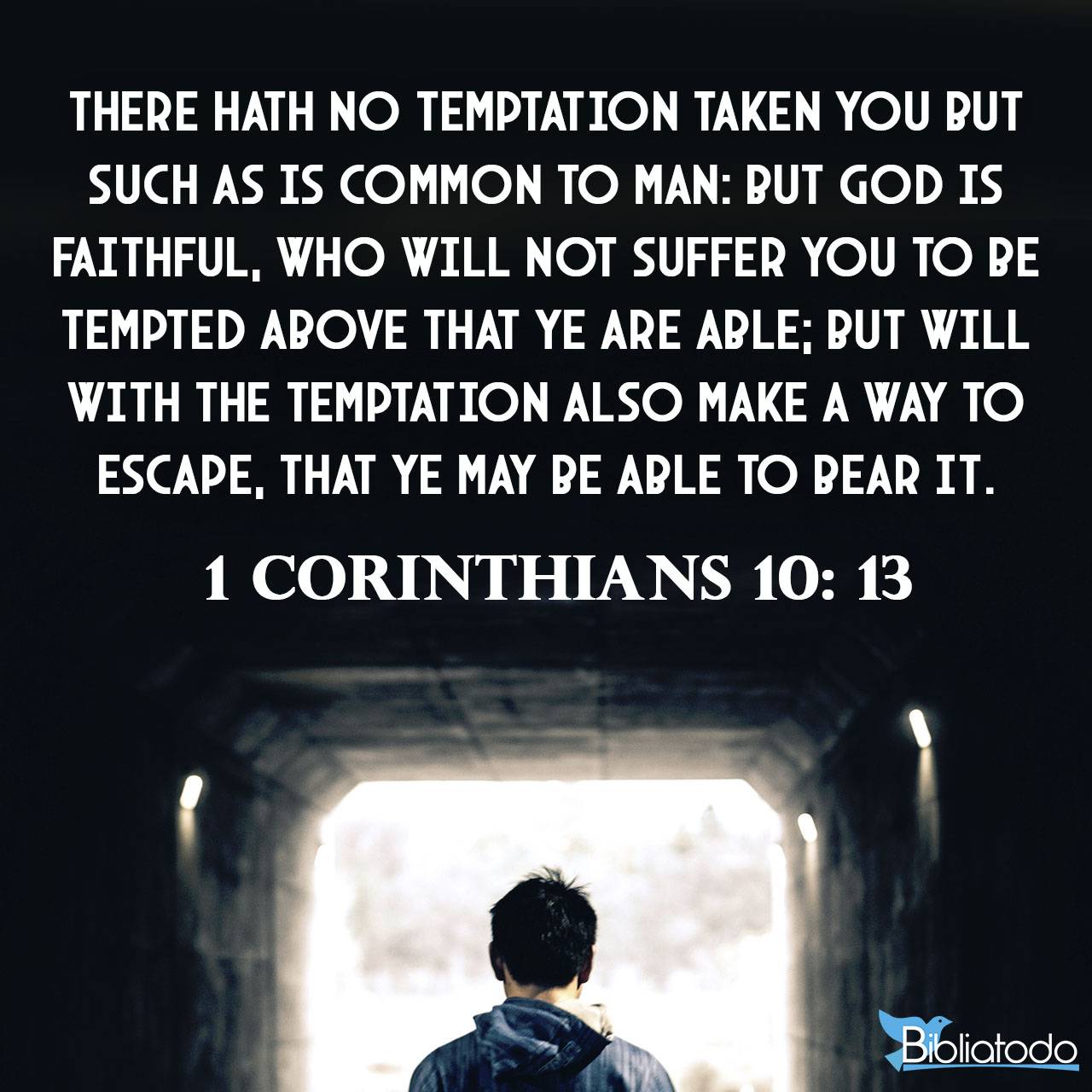
1 Corinthians 10:13 is frequently quoted as a comforting promise that God will never give a person more hardship than they can physically or emotionally handle. However, biblical scholars and theologians argue that this common interpretation misreads the original Greek text and rips the verse out of its context concerning idolatry, moral temptation, and corporate church behavior in ancient Corinth.
Introduction to the Passage and Its Cultural Context
Few biblical verses are quoted as frequently in times of personal crisis as 1 Corinthians 10:13. Phrases like "God will not give you more than you can bear" have comforted millions in hospital rooms, unemployment lines, and moments of profound grief. Yet, a closer examination of the text, its historical setting, and the broader letter to the Corinthians reveals a significant disconnect between modern popular usage and the Apostle Paul's original intent.
To understand why 1 Corinthians 10:13 is so widely misunderstood, one must first look at the letter's landscape. Written by Paul to a fractured, morally lax, and culturally compromised church in Corinth, the epistle addresses deep-seated issues of division, sexual immorality, lawsuits among believers, and the consumption of food sacrificed to idols. Chapter 10 specifically uses the history of the Israelites in the wilderness as a cautionary tale. Paul warns the Corinthians against idolatry, sexual immorality, and grumbling, setting the stage for a verse that addresses moral testing rather than general life suffering.
The Literal Text and Translation Nuances
The phrase most modern readers focus on is found in the middle of 1 Corinthians 10:13 (ESV): "No temptation has overtaken you that is not common to man." The Greek word translated as "temptation" is peirasmos (πειρασμός).
In ancient Greek and throughout the New Testament, peirasmos carries a dual meaning: it can refer to an internal enticement to sin (temptation) or an external trial, hardship, or affliction (testing). In modern English, "temptation" almost exclusively implies being lured toward wrongdoing, whereas "trial" or "test" implies suffering.
| Feature | Modern Popular Reading | Original Contextual Reading |
|---|---|---|
| Primary Focus | Emotional/physical suffering & grief | Moral temptation and idolatry |
| Greek Term | "Hardship" or "Burden" | Peirasmos (Testing / Temptation) |
| The "Limit" | God measures your personal mental endurance | God limits the intensity of moral enticements |
| Ultimate Goal | Comforting human emotional resilience | Equipping believers to resist sin |
When Paul writes that no temptation has overtaken the believers except what is "common to man" (anthropinos), he is arguing that their struggles with pagan culture, social pressure, and moral compromise are universal human experiences. No one faces a unique category of sin that forces them to capitulate. Translating peirasmos solely as "suffering" or "tragedy" shifts the verse's anchor from ethics to endurance, opening the door to theological confusion.
The Myth of "God Won't Give You More Than You Can Handle"
The most prominent misconception surrounding 1 Corinthians 10:13 is the belief that God calculates human capacity and doles out life trials—such as chronic illness, financial ruin, or accidental trauma—so that a person never reaches a breaking point. This concept, while psychologically soothing, is foreign to the biblical text and creates severe pastoral dilemmas.
If God orchestrates every tragedy to precisely match an individual's breaking point, believers who experience nervous breakdowns, clinical depression, or fatal despair are left questioning their faith or feeling abandoned. They wonder if they simply failed a divine stress test. However, Scripture elsewhere acknowledges that humans frequently experience afflictions that utterly crush them.
Paul himself writes in 2 Corinthians 1:8 about an ordeal in Asia: "For we were so utterly burdened beyond our strength that we despaired of life itself." If Paul admitted to facing pressures beyond his human capacity, then 1 Corinthians 10:13 cannot possibly mean that individuals will never experience life circumstances heavier than they can bear on their own. The text speaks specifically of moral temptations to compromise faith and worship idols, not the total sum of earthly grief.
The Real Meaning: Faithful Escapes from Moral Compromise
What, then, does the second half of the verse mean? Paul continues: "God is faithful, and he will not let you be tempted beyond your ability, but with the temptation he will also provide the way of escape, that you may be able to endure it."
In the context of Chapter 10, the Corinthians were tempted to participate in pagan feasts, temple prostitution, and idolatrous rituals to maintain social standing and business contracts in Roman Corinth. They argued that they were strong enough to handle it without losing their allegiance to Christ. Paul refutes this confidence, reminding them that God provides a boundary line and an exit strategy (ekbasis) away from sin.
- God's Fidelity: The guarantee is anchored in God's character ("God is faithful"), not in human psychological resilience or willpower.
- Bounded Enticement: God sovereignly limits the severity and scope of moral tests so that believers are never cornered into a position where sin is mathematically or morally inevitable.
- The Way of Escape: The "escape" is an ethical exit from sin, such as walking away from a compromised situation, rather than an escape from physical pain or persecution.
Contextual Clues in 1 Corinthians 10
To fully grasp why this passage has been misread, examining the immediate literary environment is essential. Chapter 10 begins with a historical retrospective on the Exodus generation:
"Now these things happened as examples for us, that we might not desire evil as they did. Do not be idolaters as some of them were... We must not indulge in sexual immorality as some of them did... nor put Christ to the test..." (1 Corinthians 10:6-9, ESV)
The Israelites in the desert faced trials, but their primary failure was moral and spiritual—grumbling against God, craving pagan foods, and building golden calves. When Paul concludes this warning in verse 13, he is directly addressing the Corinthians' temptation to slip back into idol worship.
The preceding verse, 1 Corinthians 10:12, serves as the direct springboard: "Therefore let anyone who thinks that he takes stand take heed lest he fall." The entire unit is a warning against spiritual overconfidence. The modern practice of quoting verse 13 as a blanket comfort for grief strips away the warning of verse 12, turning a call to humility and moral vigilance into a guarantee of stress-free endurance.
Theological and Pastoral Implications
Misinterpreting this verse has significant ramifications for pastoral care and personal theology. When believers face catastrophic suffering, applying the "God won't give you more than you can handle" maxim can border on toxic positivity. It implies that if someone is breaking under the weight of life, they simply lack faith or mental fortitude.
- Shifting the Burden: A correct reading shifts the focus from human strength to divine grace. Believers do not survive moral trials because they are inherently tough; they endure because God provides the structural means to walk away from sin.
- Addressing Suffering vs. Sin: Theology must distinguish between tribulation (external pressures, diseases, and persecutions) and temptation (incitement to moral evil). While God sustains believers through suffering, humans frequently encounter life events that completely overwhelm human capacity, driving them to depend entirely on God's transcendent comfort rather than their own resilience.
Frequently Asked Questions
Does 1 Corinthians 10:13 mean God causes bad things to happen to test us?
The passage addresses moral temptation and spiritual testing rather than random tragedies or natural disasters. While God allows believers to face situations where their loyalty is tested, the verse emphasizes that God limits the intensity of moral enticements and always provides a righteous way to avoid sin.
Where does the phrase "God won't give you more than you can handle" come from?
This exact wording does not appear in the Bible. It is a popular cultural condensation and paraphrasing of 1 Corinthians 10:13, combined with general resilience philosophy. Over generations, this paraphrase drifted significantly from Paul's focus on resisting idolatry and moral compromise.
How should a believer interpret "the way of escape" in this verse?
In context, the "way of escape" refers to an ethical exit from sin or compromise. For the Corinthians, it meant refusing to participate in pagan temple feasts. For modern Christians, it represents the practical choices God provides—such as moral clarity, godly counsel, or physical removal from a compromised environment—to avoid yielding to temptation.
Is it wrong to use 1 Corinthians 10:13 to comfort someone who is grieving?
While the intent behind using the verse to comfort the grieving is usually kind, it can cause unintended theological confusion or emotional hurt if misapplied. When comforting those experiencing deep trauma, passages addressing God's presence in sorrow, such as Psalm 34:18 or 2 Corinthians 1, are often more contextually appropriate than a verse about resisting moral temptation.
Conclusion and Next Actions
1 Corinthians 10:13 is a profound theological anchor, but its power is unlocked only when read in its true context. Rather than serving as a cosmic guarantee that life will never become too painful, it is a sturdy promise that God is faithful to protect believers from moral defeat and to provide an exit from sin.
When studying Scripture, always read verses within their immediate paragraphs and historical settings. If you have previously relied on the popular misinterpretation of this verse during personal trials, consider redirecting your focus toward passages that explicitly address grief and comfort, while keeping 1 Corinthians 10:13 as a vital, sharp-edged reminder to remain vigilant against moral compromise and to trust in God's provision for ethical integrity.