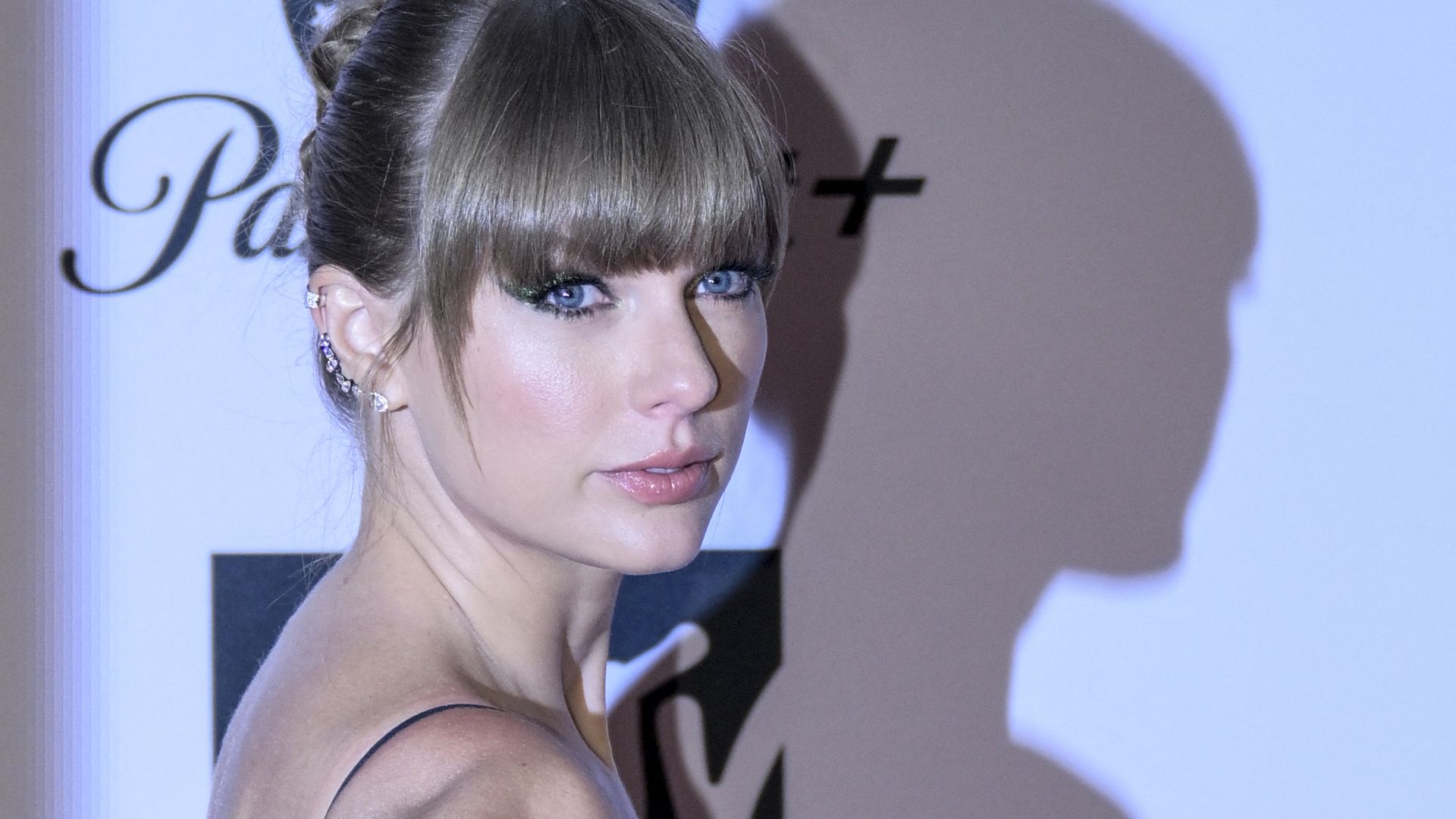
Taylor Swift is a multi-genre singer-songwriter and business mogul whose influence defines the modern music era. By 2026, her strategic re-recordings and the record-breaking Eras Tour have fundamentally altered music ownership rights, touring economics, and the relationship between artists and their fanbases, solidifying her as a central figure in 21st-century culture.
As we look at the landscape of the music industry in 2026, Taylor Swift stands as a singular entity who has successfully navigated the transition from a teen country prodigy to a global pop titan and, eventually, a respected folk-indie storyteller. Her career is not merely a series of hit singles but a masterclass in brand longevity, intellectual property management, and community building. This article explores the multifaceted dimensions of her career, from the technicalities of her songwriting to the macroeconomic impact of her world tours.
The Evolution of Artistry: From Nashville to Global Dominance
Taylor Swift’s journey began in the mid-2000s in Nashville, Tennessee, where she signed with Big Machine Records. Her self-titled debut album (2006) introduced a songwriter who possessed a precocious ability to distill teenage heartache into relatable country-pop anthems. However, it was her subsequent albums, Fearless (2008) and Speak Now (2010), that established her as a formidable force, with the latter being entirely self-written—a direct response to critics who questioned her creative agency.
The transition to pop was not an overnight shift but a calculated progression. Red (2012) served as a sonic bridge, experimenting with electronic elements and dubstep influences while maintaining her lyrical core. By the time 1989 was released in 2014, Swift had fully embraced the synth-pop aesthetic, working with producers like Max Martin and Shellback to create one of the most successful pop albums of the decade.
In the 2020s, particularly during the global pandemic, Swift pivoted again. The surprise releases of folklore and evermore (2020) showcased a more mature, alternative-folk sound. These albums, created in collaboration with Aaron Dessner of The National and longtime partner Jack Antonoff, prioritized fictional storytelling and atmospheric production over radio-friendly hooks. This era proved that her songwriting prowess was not dependent on her celebrity persona but could stand on its own merit within the "indie-sphere." The 2024 release of The Tortured Poets Department further cemented this legacy, blending the synth-pop of Midnights with the lyrical complexity of her folk era.
The Re-Recording Project: A Battle for Intellectual Property
One of the most significant chapters in music history is Swift’s decision to re-record her first six studio albums. Following a high-profile dispute over the ownership of her master recordings with Big Machine Label Group and subsequent buyers, Swift took the unprecedented step of creating "Taylor’s Versions" of her catalog.
This move was not just a sentimental gesture but a shrewd business maneuver designed to devalue the original masters. By adding "From the Vault" tracks—previously unreleased songs from each era—she gave fans a compelling reason to consume the new versions. The success of Fearless (Taylor’s Version), Red (Taylor’s Version), Speak Now (Taylor’s Version), and 1989 (Taylor’s Version) demonstrated a shift in power dynamics within the industry.
Legal and Industry Implications
The re-recording project highlighted the importance of master ownership. Historically, artists often signed away their masters in exchange for early-career funding and promotion. Swift’s public campaign brought these contractual nuances into the mainstream consciousness, leading many new artists to negotiate for better ownership terms.
According to Billboard, the success of these re-recordings forced major labels to adjust their contracts, often increasing the number of years an artist must wait before they are legally allowed to re-record their work. Swift’s actions provided a blueprint for artist autonomy that will likely be studied by music lawyers and executives for decades.
Swiftonomics: The Economic Impact of a Global Icon
The term "Swiftonomics" was coined to describe the massive economic stimulus generated by Swift’s presence in a city. The Eras Tour, which concluded as the highest-grossing concert tour in history, was a primary driver of this phenomenon.
When the tour visited a city, it didn't just sell out stadiums; it filled hotels, boosted public transportation usage, and increased local spending at restaurants and retail stores. In many instances, the economic impact surpassed that of the Super Bowl. The Federal Reserve even noted the "Swift effect" in its Beige Book, acknowledging how her tour significantly boosted tourism and consumer spending in various US regions.
Key Economic Drivers of the Eras Tour
| Category | Economic Impact Description |
|---|---|
| Tourism | Massive influx of out-of-town fans requiring lodging and transportation. |
| Local Business | Increased revenue for restaurants, bars, and "Swift-themed" pop-up shops. |
| Job Creation | Short-term employment for stadium staff, security, and local vendors. |
| Tax Revenue | Significant increases in local sales and occupancy taxes for host cities. |
| Merchandise | Record-breaking sales of physical goods both at venues and online. |
Cultural Influence and the "Swiftie" Phenomenon
The relationship between Taylor Swift and her fanbase, known as "Swifties," is unique in its depth and complexity. Unlike traditional celebrity-fan dynamics, Swift has cultivated a community built on "Easter eggs"—hidden clues in her lyrics, music videos, and social media posts that hint at future projects.
This gamification of her career keeps fans perpetually engaged. It encourages deep listening and meticulous analysis of her work, transforming music consumption into a collective social experience. Furthermore, her use of social media, from Tumblr in the early years to TikTok today, has allowed her to maintain a sense of intimacy with millions of people.
Swift’s influence also extends into the political and social spheres. In 2024, her endorsements and calls for voter registration led to measurable spikes in young voter engagement. She has consistently used her platform to advocate for LGBTQ+ rights, gender equality, and the Fair Play Fair Pay Act, which aims to ensure artists are compensated for radio airplay.
Songwriting as a Technical Craft
While much is made of Swift’s personal life, her technical ability as a songwriter is the foundation of her success. She is known for her "diaristic" style, but her skill lies in her ability to use specific, concrete details to evoke universal emotions.
Structural Brilliance
Swift often employs complex narrative structures within her songs. For example, "All Too Well (10 Minute Version)" is frequently cited by critics as a masterpiece of storytelling, using a non-linear progression of imagery to convey the lingering pain of a past relationship. Technically, she utilizes:
- Bridge Mastery: Swift is famous for her "bridges"—the middle section of a song that provides a shift in perspective or emotional intensity. Many of her fans consider the bridge to be the highlight of her compositions.
- Vivid Imagery: Using specific objects (a red scarf, a cardigan, a paper ring) to anchor abstract feelings in reality.
- Internal Rhyme: Her later work, particularly in the folklore and evermore eras, shows a sophisticated use of internal rhyme and varied meter, moving away from standard pop structures.
The Technical Production of the Eras Tour
Beyond the music, the Eras Tour represented a pinnacle of live entertainment technology. The stage design featured a massive 4K LED floor that transformed to match the aesthetic of each "era." The use of "light-up" LED wristbands for every audience member turned the entire stadium into a synchronized light show, making fans feel like an integral part of the production.
The logistical undertaking of moving such a massive production across continents is a feat of engineering and project management. Each show lasted over three hours, featuring 44+ songs and multiple costume changes, requiring a level of physical stamina and technical precision rarely seen in modern touring.
Challenges and Controversies
No career of this magnitude is without its challenges. Swift has faced criticism regarding her environmental impact, specifically concerning the carbon emissions of her private jet usage. This has sparked broader conversations about the responsibilities of the ultra-wealthy in the face of climate change.
Additionally, the Ticketmaster "debacle" during the initial sale of Eras Tour tickets led to a Congressional hearing regarding monopoly power in the live entertainment industry. While Swift herself was not the target of the investigation, her popularity served as the catalyst for a significant political discussion on consumer rights and anti-competitive practices.
Philanthropy and Social Responsibility
Throughout her career, Swift has been a consistent philanthropist. She has made substantial donations to food banks in every city she visited during the Eras Tour, often providing enough funding to feed thousands of families for months.
Her charitable work includes:
- Education: Donating to libraries and music departments in schools.
- Disaster Relief: Providing significant funds for victims of tornadoes, floods, and other natural disasters.
- Individual Support: Frequently helping fans with tuition, medical bills, or rent during times of crisis.
- Legal Aid: Supporting the "Rainn" organization and providing financial assistance to other artists facing legal battles for their rights.
Comparing the Eras: A Statistical Overview
To understand the scale of her growth, it is helpful to look at how her albums have performed over time.
| Era | Key Album | Primary Genre | Notable Achievement |
|---|---|---|---|
| Country | Fearless | Country | Most awarded country album in history. |
| Pop Transition | Red | Pop/Rock | Introduction of electronic influences; "All Too Well." |
| Global Pop | 1989 | Synth-Pop | Three #1 singles on the Billboard Hot 100. |
| Reputation | reputation | Electro-Pop | Highest-grossing US tour at the time of release. |
| Folk/Indie | folklore | Alternative | Grammy for Album of the Year; shift in critical perception. |
| Modern Synthesis | Midnights | Pop | Occupied the entire top 10 of the Billboard Hot 100. |
Frequently Asked Questions
Why did Taylor Swift decide to re-record her albums?
Swift re-recorded her first six albums to gain ownership of her music. After her original master recordings were sold without her involvement, she used a clause in her contract that allowed her to re-record the songs after a certain period. By creating "Taylor’s Versions," she effectively took control of how her music is used in movies, commercials, and streaming.
What is "Swiftonomics"?
Swiftonomics refers to the significant economic boost a city receives when Taylor Swift performs there. This includes millions of dollars in spending on hotels, dining, transportation, and local tourism, often providing a larger economic stimulus than major sporting events.
How many Grammy Awards has Taylor Swift won?
As of early 2026, Taylor Swift has won 14 Grammy Awards, including a record-breaking four wins for Album of the Year (Fearless, 1989, folklore, and Midnights). This makes her the first artist in history to win the top prize four times.
What are "Vault Tracks"?
Vault tracks are songs that were written during a specific album's original recording sessions but did not make the final tracklist. Swift includes these as a bonus in her "Taylor’s Version" re-recordings to provide fans with new content and a deeper look into her creative process during those years.
How does Taylor Swift influence the music industry's business model?
Swift has influenced the industry by advocating for higher streaming royalties, pushing for artist ownership of masters, and demonstrating the power of direct-to-consumer marketing. Her success has forced major labels and ticket distributors to re-evaluate their practices.
Practical Recommendations for Fans and Researchers
For those looking to understand the full scope of Swift's impact, it is recommended to study her career chronologically. Start with the "Taylor's Version" releases to understand her current artistic perspective on her past work. Researchers should look into the legislative changes sparked by her Ticketmaster controversy and the "Eras Tour" economic data published by organizations like the U.S. Travel Association.
For aspiring songwriters, analyzing the lyrical structure of folklore and evermore provides a masterclass in narrative songwriting. For business students, her "re-recording" strategy remains the gold standard for brand protection and intellectual property management.