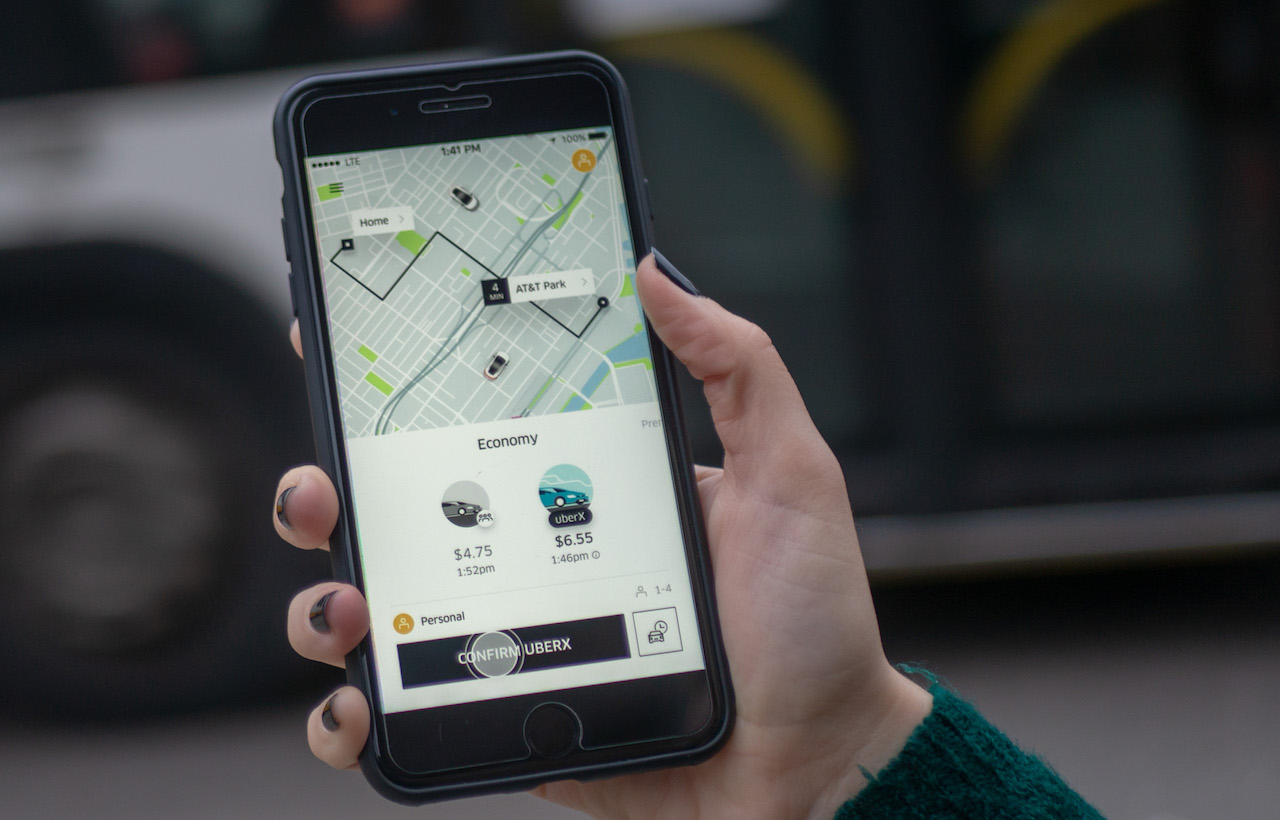
Driving for Uber in New York City (NYC) is a highly regulated, distinct professional endeavor that differs significantly from ride-sharing in other U.S. markets. Due to the city's unique legal landscape, specifically the oversight provided by the New York City Taxi and Limousine Commission (TLC), driving in the five boroughs requires a rigorous licensing process, specific insurance compliance, and adherence to localized wage standards. This review provides a factual breakdown of the prerequisites, operational environment, and financial considerations for prospective and current drivers navigating the NYC market in 2026.
The Regulatory Framework: The Role of the TLC
In most regions, becoming an Uber driver is a relatively straightforward process involving a background check and vehicle inspection. In New York City, however, the primary gatekeeper is the New York City Taxi and Limousine Commission (TLC). You cannot simply activate a standard personal vehicle and begin driving for Uber in the city.
The TLC mandates that all drivers obtain a "For-Hire Vehicle" (FHV) license. This process includes a mandatory defensive driving course, a physical examination, and a comprehensive background check that exceeds standard state requirements. Furthermore, the vehicle itself must be authorized for FHV use. This means it must meet specific model year, emissions, and safety standards, and it must hold a unique commercial license plate.
Because of the cap on new FHV licenses in NYC, many drivers choose to lease a vehicle from a licensed commercial fleet owner rather than attempting to secure their own permit. Understanding this distinction is the first step toward determining whether the operational costs of driving in NYC are sustainable for your specific financial goals.
Prerequisites and Onboarding Process
To drive for Uber in New York City, you must meet stringent eligibility criteria. If any of these are not met, the application process cannot proceed.
Driver Requirements
- Age and Licensing: You must be at least 21 years old and hold a valid New York State driver’s license.
- Driving Record: You must have at least one year of licensed driving experience in the United States.
- TLC Licensing: You must obtain a TLC Driver License. This involves passing a drug test, a fingerprint-based background check, and a 24-hour state-mandated educational course.
- Documentation: You are required to provide proof of residency in New York and completion of the required TLC-approved coursework.
Vehicle Requirements
- Registration: The vehicle must be registered as a For-Hire Vehicle with the TLC.
- Inspection: Your vehicle must undergo regular, periodic inspections at a TLC facility to ensure it meets safety and maintenance standards.
- Insurance: Unlike personal insurance, NYC ride-share drivers must maintain commercial-grade insurance policies that satisfy TLC requirements for livery vehicles.
Financial Dynamics: Earnings and Operational Costs
The economics of driving for Uber in NYC are influenced by the city’s minimum pay standards. As of 2026, the TLC enforces a pay floor designed to ensure that drivers earn a living wage after accounting for the significant expenses associated with operating in a high-density urban environment.
Understanding the Pay Structure
The TLC minimum pay formula calculates a per-trip rate based on utilization rates—the time a driver spends with a passenger in the vehicle versus time spent waiting for a request. This model is designed to prevent "deadheading" (driving without a passenger) from eroding a driver’s take-home pay.
Primary Operational Expenses
When reviewing the financial viability of this career path, you must subtract the following recurring costs from your gross earnings:
- Vehicle Lease/Finance Payments: If you do not own a vehicle, leasing from a fleet is a major recurring expense that can range from $300 to $500 per week, depending on the vehicle type and contract terms.
- Commercial Insurance: This is significantly more expensive than personal auto insurance. Ensure your policy covers the specific requirements of the TLC.
- Fuel and Maintenance: NYC traffic, characterized by stop-and-go patterns, leads to higher fuel consumption and faster wear on brakes and tires.
- Tolls and Congestion Fees: Drivers must be aware of how the city’s congestion pricing zones and various bridge/tunnel tolls impact their daily bottom line.
Comparative Cost Table
| Expense Category | Typical Frequency | Estimated Impact |
|---|---|---|
| TLC Licensing | Every 2 Years | Moderate (One-time/Renewal) |
| Vehicle Lease | Weekly | High (Major Recurring Cost) |
| Commercial Insurance | Monthly | High (Premium Cost) |
| Maintenance/Tires | Quarterly | Moderate (High usage wear) |
| Congestion/Tolls | Daily | Varies (Pass-through vs. Out-of-pocket) |
The Reality of Driving in NYC Traffic
The experience of driving for Uber in NYC is defined by the geography of the boroughs. Manhattan is characterized by high-volume, short-trip requests, while the outer boroughs—Queens, Brooklyn, the Bronx, and Staten Island—often involve longer commutes and different peak-hour dynamics.
Congestion is the most significant obstacle. Navigating midtown Manhattan during rush hour or dealing with construction-related detours can substantially lower your hourly utilization rate. Successful drivers often develop "geographical strategies," such as focusing on airport runs (JFK, LGA, EWR) during off-peak hours or positioning themselves in residential hubs during the morning commute.
Safety is also a critical component of the NYC driving experience. The TLC requires periodic vehicle inspections to ensure that safety-critical components—such as steering, brakes, and lighting—are in peak condition. Maintaining a high passenger rating is also essential, as consistent feedback is monitored by both Uber and the TLC.
Common Challenges and Troubleshooting
Even with careful planning, drivers in New York City encounter specific operational friction points.
Dealing with "Dead Time"
Dead time is the period where you are logged into the app but not actively transporting a passenger. Because the TLC pay standards are linked to utilization, high levels of dead time directly negatively impact your compensation. Drivers often mitigate this by learning to identify high-demand zones during specific windows of time, such as near transit hubs or entertainment districts late at night.
Navigating Regulatory Changes
The regulatory environment in NYC is subject to change. Updates to TLC rules regarding emissions, electric vehicle (EV) incentives, or pay formula adjustments can occur. It is vital to subscribe to official communications from the New York City Taxi and Limousine Commission to stay informed on compliance deadlines or new policy shifts.
Dispute Resolution
If you encounter issues regarding pay, app functionality, or vehicle certification, utilize the Uber Driver app’s support features first. For regulatory or licensing disputes, direct contact with the TLC via their online portal is the appropriate course of action. Keep physical and digital records of all vehicle inspections, insurance payments, and professional certifications to streamline any potential verification process.
Frequently Asked Questions
1. Is it possible to drive for Uber in NYC using my personal vehicle?
No, you cannot use a personal vehicle for Uber in New York City. The vehicle must be registered as a For-Hire Vehicle (FHV) with the NYC TLC, which requires specific commercial licensing and insurance that standard personal vehicles do not possess.
2. How does the NYC minimum pay standard work?
The TLC uses a formula that mandates a minimum hourly rate for drivers based on the time spent on trips and the utilization rate of the fleet. This ensures that drivers are compensated for the time they spend waiting for trip requests, provided they are logged into the system within the city limits.
3. Do I need a special license beyond a standard driver's license?
Yes. You must obtain a TLC Driver License. This is a professional license granted by the City of New York after completing a background check, a drug screening, and a mandatory 24-hour educational course.
4. Are electric vehicles encouraged in NYC?
The TLC has been actively moving toward a greener fleet. There are specific incentive programs and exemptions for electric vehicles regarding certain licensing caps and inspection requirements. If you are considering a long-term career as a driver, evaluating an EV may provide operational savings on fuel and maintenance.
5. What happens if my vehicle fails a TLC inspection?
If your vehicle fails a TLC inspection, you are typically given a window of time to perform necessary repairs and return for a re-inspection. You cannot legally use the vehicle for FHV work until the defects are corrected and the vehicle receives a passing grade from the commission.
Strategic Recommendations for New Drivers
If you are considering starting as an Uber driver in New York City, your first action should be to visit the official TLC website to understand the current status of the FHV license cap. Because new permits are strictly limited, your entry strategy will likely involve seeking an established fleet operator.
Before signing any lease agreement, perform a thorough audit of the vehicle’s condition and the lease terms. Verify that the insurance provided is fully compliant with TLC standards for the 2026 calendar year. Finally, treat this as a small business. Maintain a ledger of all your expenses, including fuel, tolls, and maintenance, and compare your net earnings against your initial time investment to ensure the return on effort meets your professional expectations.