While a minor can technically be the primary driver on an auto insurance policy, they generally cannot obtain their own independent policy without an adult co-signer. Because individuals under the age of 18 lack the legal capacity to enter into binding contracts, insurance companies require a parent or legal guardian to sign the agreement to ensure the policy is legally enforceable.
The journey of a young driver toward independence often begins with the desire for their own vehicle and their own insurance policy. However, the intersection of contract law, insurance industry risk assessment, and state vehicle registration requirements creates a complex landscape for anyone under 18. In 2026, while digital insurance platforms have made the application process faster, the fundamental legal restrictions regarding age and contractual "capacity" remain firmly in place across the United States.
The Legal Barriers: Contractual Capacity and the Age of Majority
The primary reason a minor cannot walk into an insurance agency and sign a policy solo is rooted in the "age of majority." In most states, this age is 18. Under standard contract law, a contract entered into by a minor is considered "voidable" at the minor’s discretion. This means a minor could theoretically decide to cancel the policy and demand a refund of premiums, or argue that they are not bound by the terms of the agreement because they were not legally capable of understanding the commitment.
Insurance companies are in the business of managing risk. The prospect of a "voidable" contract is a risk they are unwilling to take. If an insurance provider cannot legally hold the policyholder to the terms—such as paying premiums or adhering to coverage limitations—they will refuse to issue the policy. Consequently, a minor must have a legal adult (usually a parent or guardian) sign the policy. This adult becomes the "named insured" or a co-signer, taking on the legal and financial responsibility for the contract.
The Role of Emancipation
There is a specific legal exception to this rule: emancipated minors. An emancipated minor is someone under 18 who has been legally granted the status of an adult by a court. This usually occurs when a minor can prove they are financially self-sufficient and living independently. In 2026, if a minor presents legal documentation of emancipation, most insurance carriers will allow them to purchase a policy in their own name, as the court order grants them the capacity to enter into binding contracts.
Vehicle Ownership and Titling Constraints
To insure a vehicle, the policyholder typically must demonstrate "insurable interest," which is most commonly established through vehicle ownership. This leads to a secondary hurdle for minors: titling the car.
In many jurisdictions, the Department of Motor Vehicles (DMV) or equivalent agency has specific rules about whether a minor can hold a vehicle title in their name alone. Some states allow it, while others require a parent’s name to be on the title as a co-owner. If a minor cannot title the car in their name, they generally cannot be the sole policyholder of an insurance plan for that car.
Even in states where a minor can own a car, the insurance requirement persists. Because the insurance policy must usually match the name on the vehicle registration, the minor finds themselves in a circular problem: they own the car and need insurance in their name, but the insurance company won't issue a policy to a minor without an adult. The most common resolution is for the parent to be listed on both the title and the insurance policy.
Why Insurance Companies Hesitate: The Risk Profile of Young Drivers
Beyond the legalities of contracts, there is the actuarial reality of teen driving. Data through 2026 continues to show that drivers between the ages of 16 and 19 have the highest accident rates of any age group. Insurance companies view minors as high-risk entities due to:
- Inexperience: Lack of time behind the wheel leads to poorer decision-making in emergency situations.
- Risk-taking Behavior: Statistically, younger drivers are more likely to speed, engage in distracted driving (primarily phone use), and underestimate dangerous situations.
- Higher Claim Frequency: Minors are involved in more "fender benders" and total-loss accidents per mile driven than older adults.
Because of this risk, even if a minor finds a way to secure a standalone policy with an adult co-signer, the premiums are often prohibitively expensive. It is not uncommon for a standalone policy for a 17-year-old to cost double or triple what it would cost to simply add that same minor to a parent’s existing multi-car policy.
Standalone Policy vs. Adding to a Parent's Policy
When deciding whether a minor should attempt to have their own policy (with an adult co-signer) or simply join a family policy, several factors come into play.
Option 1: Adding the Minor to a Parent's Policy
This is the most common and generally the most cost-effective route.
- Multi-car Discounts: Parents often benefit from multi-car and multi-policy (home and auto) discounts that a minor cannot access on a solo policy.
- Ease of Administration: One bill, one renewal date, and one point of contact for the insurance agent.
- Liability: Parents should be aware that if the minor is on their policy, the parents' assets may be at higher risk in the event of a catastrophic accident that exceeds coverage limits.
Option 2: A Separate Policy for the Minor
Sometimes, families choose a separate policy to "ring-fence" the risk.
- Protecting the Parents' Rates: If the minor has multiple accidents or tickets, those "points" stay on the minor's separate policy and may not impact the parents' primary insurance rates (though this varies by carrier).
- Establishing Credit/History: In some cases, starting a separate policy helps the minor begin building their own insurance history, which can be beneficial when they turn 18.
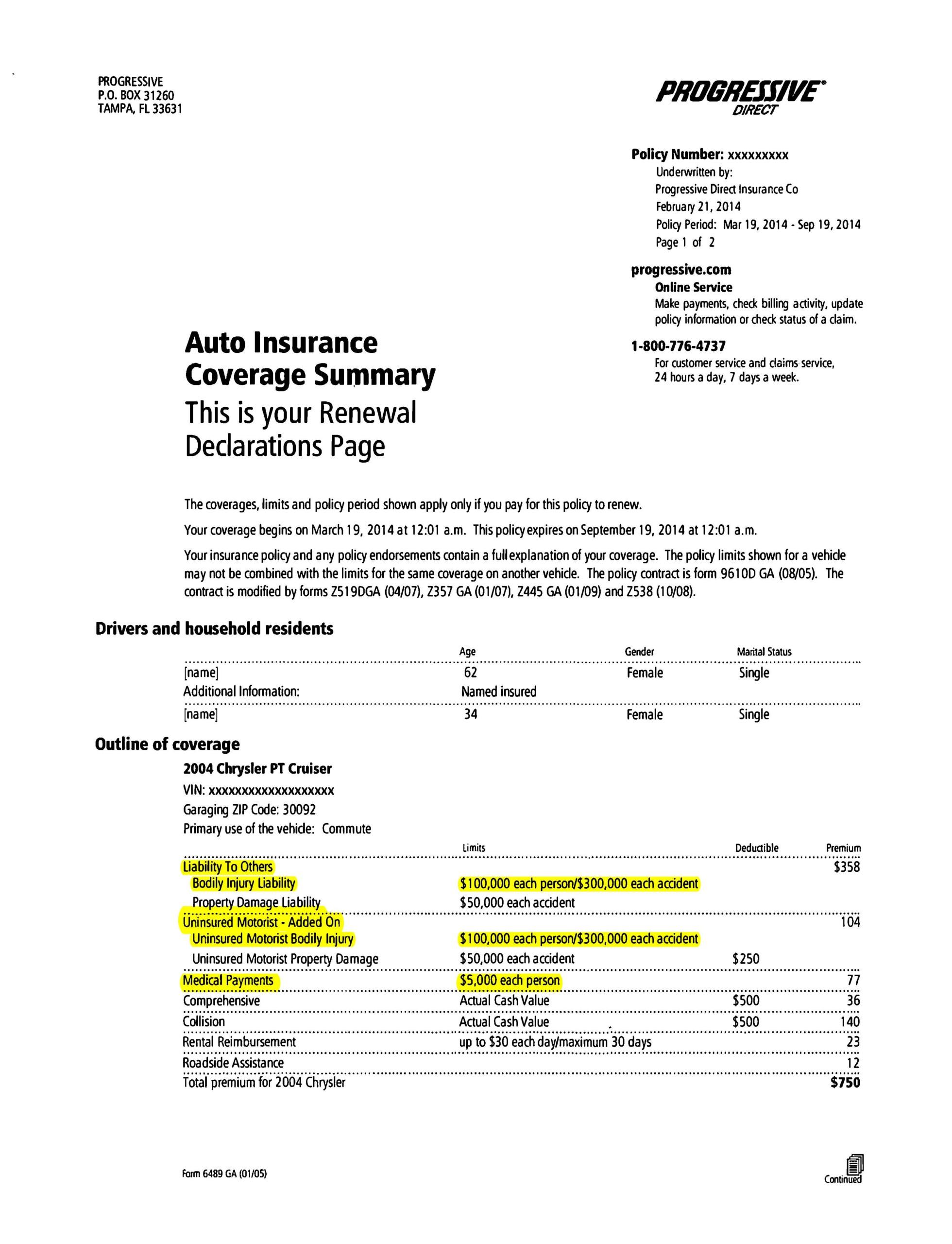
- Co-signer Requirement: In 2026, almost all major carriers (Geico, State Farm, Progressive, etc.) still require the "named insured" to be an adult or require an adult to be a co-owner of the policy if the driver is under 18.
Comparison of Auto Insurance Options for Minors (2026)
| Feature | Added to Parent Policy | Standalone Policy (with Co-signer) | Emancipated Minor Policy |
|---|---|---|---|
| Legal Contract Holder | Parent/Guardian | Parent & Minor (Co-signed) | Minor (Independent) |
| Average Relative Cost | Lowest (Benefit of discounts) | Highest (High-risk driver) | High (No prior history) |
| Vehicle Title Requirement | Usually Parent or Joint | Joint or Minor (state dependent) | Minor's Name |
| Impact of Minor's Accidents | Affects entire family policy | Isolated to minor’s policy | Isolated to minor's policy |
| Available Discounts | Good Student, Driver Training | Limited | Limited |
Cost Analysis: What to Expect in 2026
As of 2026, the cost of insuring a teen driver continues to rise, influenced by the increasing cost of vehicle repairs and advanced safety technology (ADAS) which is expensive to calibrate after a crash.
For a minor on their own policy (with a co-signer), annual premiums can range from $3,500 to $7,000, depending on the state, the vehicle type, and the minor’s gender. In contrast, adding that same minor to a parent's policy might increase the total family premium by $1,500 to $3,000 annually.
Factors Influencing the Price:
- The Vehicle: Insuring a minor in a 10-year-old sedan is significantly cheaper than insuring them in a brand-new SUV or a sports car. Insurance companies look at the "damageability" and safety ratings of the car.
- Location: Urban areas with high traffic density result in higher premiums for minors than rural areas.
- Usage: How many miles the minor drives to school or work each day.
- Coverage Limits: Opting for state-minimum liability is cheaper but extremely risky for families with assets to protect.
Steps to Secure Insurance for a Minor
If a family decides that a minor needs their own policy (perhaps because the minor lives at a different address or owns their vehicle outright), the following steps are typically required in 2026:
- Check State Title Laws: Ensure the minor can legally own the vehicle or determine if a parent needs to be listed as a co-owner on the title.
- Identify a Co-signer: A parent or legal guardian must be prepared to sign the insurance contract and be financially responsible for premium payments.
- Gather Information: You will need the minor's driver’s license number, the Vehicle Identification Number (VIN), and the social security numbers for both the minor and the adult co-signer.
- Shop for Specialized Carriers: Some insurance companies specialize in high-risk or young drivers. While "The Big Five" offer these policies, smaller, regional carriers might offer more competitive rates for standalone teen policies.
- Submit the Application: Most applications in 2026 are completed through mobile apps or online portals. Ensure all information regarding the primary driver is accurate to avoid claim denials later.
- Verify Coverage: Do not allow the minor to drive until you have a digital or physical insurance ID card showing the policy is active.
Common Pitfalls and Mistakes
One of the most frequent mistakes is "fronting." This occurs when a parent lists themselves as the primary driver of a car that is actually exclusively used by their minor child to get a lower rate. If an accident occurs and the insurance company discovers the minor is the actual primary driver, they can deny the claim and cancel the policy for material misrepresentation (insurance fraud).
Another mistake is failing to update the insurance company when a minor gets their learner's permit. While many companies cover permit-holders under the parents' policy for free until they are fully licensed, some require they be listed immediately. Failing to disclose a household resident who has access to the vehicles can lead to complications during a claim.
Finally, families often overlook the "Excluded Driver" endorsement. If a minor has a very poor driving record, a parent might try to "exclude" them from the family policy to keep rates low. However, if that excluded minor ever gets behind the wheel—even in an emergency—and has an accident, there is zero coverage.
Strategies to Lower Premiums in 2026
Despite the high costs, there are several ways to mitigate the financial impact of insuring a minor:
- Good Student Discounts: Most carriers in 2026 offer a 5% to 15% discount for students who maintain a "B" average or higher (3.0 GPA).
- Telematics and Tracking: Many insurers now offer apps that track driving behavior (braking, speed, time of day). If the minor proves to be a safe driver via these digital tools, significant discounts can be applied.
- Driver Training Courses: Completing a certified driver's education course beyond the state minimum requirement often triggers a discount.
- Choosing the Right Car: Vehicles with high safety ratings and lower horsepower are cheaper to insure. Avoid "luxury" brands for minors, as the parts and labor costs for repairs are significantly higher.
- Higher Deductibles: Increasing the comprehensive and collision deductibles can lower the monthly premium, though the family must be prepared to pay more out-of-pocket if an accident occurs.
FAQs
Can a 16-year-old get insurance without a parent?
No. In almost all circumstances, a 16-year-old cannot legally sign an insurance contract because they are a minor. They must have a parent or guardian co-sign the policy or add them to an existing policy. The only exception is if the 16-year-old is a legally emancipated minor.
Does a minor need their own policy if they own their car?
Not necessarily. Even if the car is titled in the minor's name (in states where this is allowed), many insurance companies will allow the car to be added to the parents' policy as long as the minor lives in the same household. This is usually much cheaper than a standalone policy.
What happens to a minor's insurance when they turn 18?
When a driver turns 18, they reach the age of majority and can legally enter into contracts. At this point, they can remove the co-signer from their policy or transition from their parents' policy to their own independent plan. However, staying on a parent's policy is often still cheaper until the driver reaches age 25.
Can a minor be on a separate policy if they live in a different household?
If a minor lives primarily with a different relative or at a boarding school, they may need a separate policy. However, if they are a student away at school but still consider the parents' house their primary residence, they can usually remain on the parents' policy, often at a "student away at school" discounted rate.
Is it cheaper for a minor to have their own policy?
Almost never. Standalone policies for minors lack the "bundling" discounts and the "loyalty" credits that parents have accumulated over decades. Furthermore, the base rate for a solo teen driver is statistically the highest in the insurance market.
Final Recommendation
For most families in 2026, the most practical and financially sound approach is to add the minor driver to the existing family auto insurance policy rather than seeking a standalone policy. This path ensures the minor is legally covered, takes advantage of household discounts, and simplifies the claims process. If a minor must have their own policy—due to vehicle titling issues or household dynamics—ensure that a parent or guardian is prepared to act as a co-signer and that the minor is enrolled in every available discount program, such as telematics or good student credits, to offset the high costs of young-driver premiums.