Selecting the right carpet for a home purchase or renovation involves balancing aesthetic appeal, traffic durability, material composition, and long-term maintenance costs. For home buyers in 2026, carpet remains a preferred flooring choice for bedrooms and living areas due to its sound insulation, thermal efficiency, and comfort underfoot, yet the technical specifications of modern fiber technology often complicate the decision-making process.
Understanding the Landscape of Modern Carpet Materials
The primary factor in any carpet review for home buyers is the fiber type, which dictates how the carpet will perform under specific household conditions. In the 2026 market, the competition remains centered between synthetic polymers and natural fibers, each serving distinct lifestyle requirements.
Nylon (Polyamide) Nylon is frequently cited as the gold standard for high-traffic residential areas. Its popularity stems from its exceptional resilience—the ability of the fibers to return to their original shape after being compressed by furniture or foot traffic. Modern nylon carpets are often treated with acid-dye blockers to resist staining, making them suitable for families. While generally more expensive than other synthetics, its longevity often results in a lower total cost of ownership over a ten-year horizon.
Polyester (PET) Polyester has undergone significant technological refinement. Historically criticized for lack of resilience, current PET (polyethylene terephthalate) fibers, often manufactured from recycled consumer plastics, offer superior color clarity and inherent stain resistance. Because the fiber is hydrophobic, it does not absorb liquid spills easily. This makes it an excellent choice for low-to-medium traffic areas like master bedrooms or guest suites, though it may show signs of matting faster than nylon in high-traffic hallways.
Triexta (PTT) A newer entrant in the textile market, Triexta is a polymer that bridges the gap between the durability of nylon and the stain resistance of polyester. It is inherently stain-resistant, meaning the protection is built into the molecular structure of the fiber rather than applied as a topical coating. For home buyers with pets, Triexta is often recommended due to its ability to release difficult organic stains that might permanently bond with nylon.
Wool As a premium, renewable natural fiber, wool is prized for its soft hand-feel, flame retardancy, and air-purifying properties. It is the most expensive option and requires professional care. It is best suited for formal living rooms or low-traffic zones where luxury and acoustic dampening are the priority.
Technical Specifications: Decoding Carpet Construction
A common mistake made by home buyers is relying solely on visual appearance. Carpet performance is determined by three technical metrics: density, twist, and face weight.
- Face Weight: This represents the weight of the carpet fiber in ounces per square yard. While a higher number (e.g., 40–50 ounces) generally indicates more material, it is not the sole indicator of quality. A heavy carpet with loose, low-density tufts will wear faster than a lighter, high-density carpet.
- Density: This measures how closely the tufts of yarn are packed together. Higher density prevents the fibers from crushing and prevents dirt and allergens from penetrating the base of the carpet, where they are harder to remove. You can test this by pressing your thumb into the carpet; if you can easily touch the backing, the carpet lacks sufficient density for high-traffic areas.
- Twist Level: This refers to the number of times the yarn strands are twisted together per inch. A higher twist level (typically 5 or more) ensures that the individual strands remain distinct rather than fraying into a "fuzz" over time. High-twist carpets are significantly more resistant to matting and crushing in active households.
The Critical Role of Underlayment (Padding)
A carpet is only as good as the pad beneath it. The underlayment provides the primary shock absorption that prevents the carpet backing from stretching and the fibers from breaking.
For home buyers, the temptation is often to purchase the thickest pad possible, believing it will provide more comfort. This is a technical error. A pad that is too thick (exceeding 7/16 inch for most residential applications) can cause the carpet backing to ripple and stretch, leading to premature seams failing and the carpet pulling away from tack strips. Always follow the manufacturer’s specifications for padding; matching the wrong pad to a high-performance carpet can void the product warranty.
Comparative Analysis of Carpet Selection Factors
The following table provides a quick reference for home buyers to align their needs with available product categories.
| Fiber Type | Resilience | Stain Resistance | Best Use Case | Cost Profile |
|---|---|---|---|---|
| Nylon | Excellent | Good (with treatment) | Hallways, Stairs | Moderate to High |
| Polyester | Moderate | Excellent | Bedrooms, Guest Rooms | Low to Moderate |
| Triexta | High | Excellent | Pet-friendly homes | Moderate |
| Wool | High | Moderate (Natural) | Formal living areas | Very High |
Maintenance and Lifecycle Considerations
In 2026, warranty terms for residential carpets are heavily contingent upon documented maintenance. Most manufacturers require professional hot water extraction (steam cleaning) every 12 to 18 months. Home buyers should verify these requirements before finalizing a purchase.
Stain Protection Limitations While many carpets are sold with "Lifetime Stain Warranties," these are often limited to specific substances like food and beverage. They frequently exclude pet-related accidents, chemical spills (like household cleaners), or fading from sunlight. Understanding the fine print is essential.
Allergen Management Carpets are effective filters for indoor air quality, trapping dust and dander until they can be removed via vacuuming. Home buyers should prioritize carpets labeled with the Carpet and Rug Institute (CRI) Green Label Plus certification, which ensures the product meets stringent low-VOC (volatile organic compound) emission standards, crucial for homes with children or individuals with sensitivities.
Common Pitfalls for Home Buyers
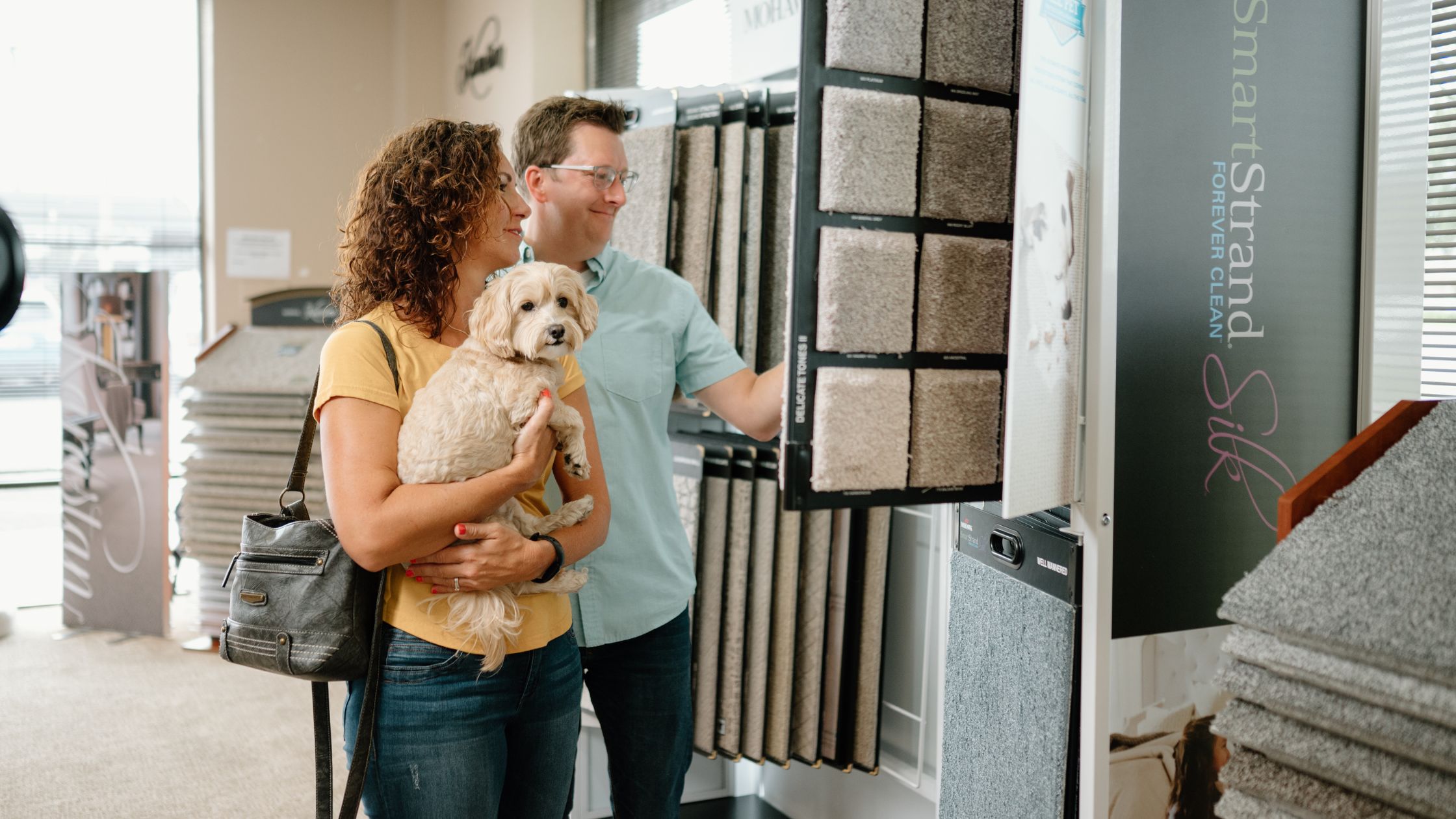
- Ignoring Lighting: Carpets look drastically different under the fluorescent lights of a showroom compared to the natural, variable light of a home. Always bring samples home to observe them in both daylight and evening artificial lighting.
- Overlooking Seam Layout: In larger rooms, seams are inevitable. A skilled installer can minimize their visibility. Before purchasing, ask the retailer for a seam plan to ensure seams are not placed in high-traffic pathways or directly across the center of a room where they are prone to fraying.
- Relying on "Softness" as a Quality Metric: Retailers often use soft-touch marketing to sell low-durability products. A "velvety" or "silky" carpet is often composed of finer, thinner fibers that lack the structural integrity for high-traffic areas. Prioritize construction data (twist and density) over hand-feel.
Frequently Asked Questions (FAQ)
1. How long should I expect a quality residential carpet to last? A well-maintained, high-quality nylon or Triexta carpet installed with the correct padding typically provides a service life of 10 to 15 years. Factors such as the number of occupants, presence of pets, and frequency of vacuuming are the primary variables that shorten or extend this duration.
2. Is it necessary to replace the padding when replacing the carpet? Yes. In almost every residential scenario, reusing old padding is discouraged. Padding loses its compression-recovery ability over time. Installing new carpet over old, worn padding will lead to uneven wear and potentially invalidate your new carpet’s manufacturer warranty.
3. What is the difference between loop pile and cut pile? Loop pile (like Berber) keeps the yarn ends looped, which is highly durable and resists matting, making it ideal for busy areas. Cut pile (like plush or frieze) shears the loops to create a softer, more traditional texture. Cut pile offers more comfort but is generally more susceptible to showing footprints and vacuum tracks.
4. How does sunlight affect carpet color? All synthetic fibers are subject to some degree of UV fading over years of exposure. If a room receives significant direct sunlight, consider selecting solution-dyed carpets. In solution-dyed products, the color is added to the fiber when it is in a liquid polymer state, resulting in deep-penetrating color that is remarkably resistant to fading and bleach-based cleaners.
5. Can I install carpet myself to save on costs? Carpet installation requires specialized tools such as a power stretcher to prevent loose spots, which can lead to tripping hazards and fiber wear. Improper installation is the number one cause of failure in residential carpet; professional installation is strongly recommended to maintain warranty compliance and safety.
Final Recommendation for Home Buyers
Before committing to a purchase, request a formal "take-off" or site visit from your flooring professional. They should assess the subfloor condition—ensuring it is level and moisture-free—and provide a detailed quote that includes the specific product, recommended padding, installation labor, and haul-away of existing flooring. Verify that the installer is certified by the relevant trade organizations and that their work is covered by a labor warranty separate from the manufacturer's product warranty. By focusing on fiber resilience and proper density specifications rather than aesthetic marketing, you will secure a flooring investment that adds genuine value to your home.