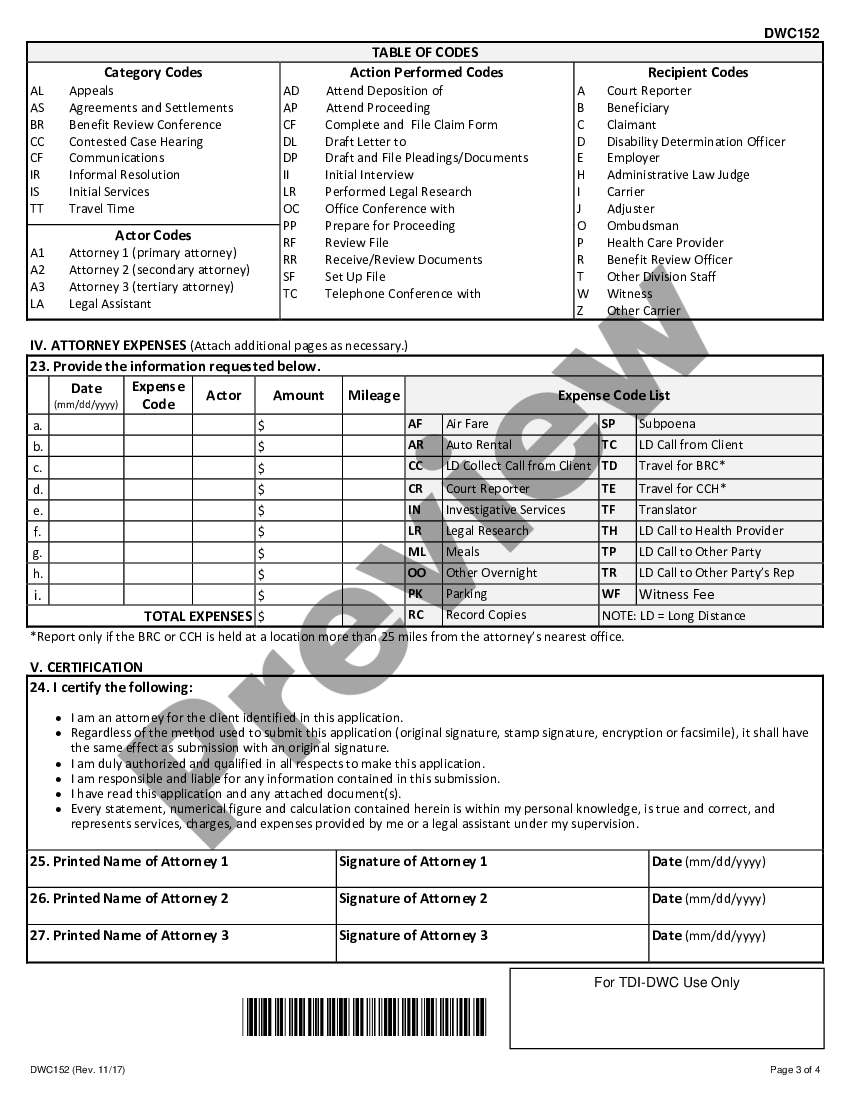
If you are facing a denial of benefits or a dispute regarding your medical care under the Texas workers’ compensation system, hiring an experienced attorney can be the deciding factor in overturning an unfavorable decision. The process involves a structured administrative sequence starting from the Benefit Review Conference (BRC) and potentially escalating to a Contested Case Hearing (CCH) or judicial review.
Understanding the Texas Workers’ Compensation System
The Texas workers' compensation system, overseen by the Texas Department of Insurance, Division of Workers’ Compensation (DWC), is designed to provide medical and income benefits to employees injured on the job. However, the system is highly procedural. When a claim is disputed—whether due to a denial of medical treatment, a disagreement over the impairment rating, or a denial of disability benefits—the burden of proof rests on the parties involved to present clear, evidence-based arguments.
An attorney specializing in Texas workers' compensation understands the specific administrative rules found in the Texas Labor Code and the administrative regulations of the DWC. Unlike general practice lawyers, these specialists are familiar with the specific language of insurance carriers, the nuances of medical necessity determinations, and the strict deadlines that govern each stage of an appeal.
The Stages of a Formal Appeal
An appeal in the Texas system is not a single event but a multi-tiered legal process. Missing a deadline at any point can lead to the permanent loss of rights to benefits.
- Benefit Review Conference (BRC): This is an informal, non-adversarial meeting conducted by a DWC benefit review officer. The goal is to mediate a resolution between the injured employee and the insurance carrier. While not a formal court hearing, it is a critical stage for gathering evidence.
- Contested Case Hearing (CCH): If the BRC fails to resolve the dispute, the case proceeds to a formal hearing before a DWC administrative law judge. Evidence is entered into the record, and witnesses may be examined. This is the primary stage where legal representation becomes essential, as the outcome here forms the basis for any future appeal.
- Appeals Panel: If a party disagrees with the decision made by the administrative law judge at the CCH, they can request a review by the DWC Appeals Panel. This review is generally limited to the evidence already presented at the CCH and focuses on legal errors or procedural missteps.
- Judicial Review: In certain cases, if the administrative appeals are exhausted, the dispute may be taken to a district court. This transitions from an administrative proceeding to a formal civil lawsuit.
Why You Need Legal Representation
The primary advantage of retaining an attorney for a workers' compensation appeal is the management of the evidentiary record. Insurance carriers in Texas employ teams of adjusters and defense counsel who focus exclusively on minimizing payouts. They are experts at identifying technical flaws in a claim that justify a denial.
Key Functions of Your Attorney
- Medical Narrative Development: Disputes often hinge on whether a treatment is "medically necessary" or whether an injury is "work-related." An attorney works with your healthcare providers to ensure that medical records clearly document the relationship between your specific work duties and your physical condition.
- Procedural Compliance: The DWC enforces strict timelines for requesting hearings and filing appeals. An attorney ensures that you never forfeit your rights due to a technical error.
- Preparation for Testimony: Whether in a BRC or a CCH, you will likely be questioned. An attorney prepares you to answer questions truthfully while protecting you from traps designed to make your injury appear unrelated to your employment.
- Cost Management: In Texas, workers' compensation attorney fees are regulated. Unlike many other types of litigation, attorneys generally cannot charge a flat retainer upfront; they are paid a percentage of the benefits recovered, often subject to DWC approval.
Comparing Representation Paths
The following table outlines the differences between handling a dispute alone versus with legal counsel.
| Feature | Self-Representation | Attorney Representation |
|---|---|---|
| Deadlines | Risk of missing strict DWC filing windows | Expert management of procedural timelines |
| Evidence | Difficult to organize and present legally | Structured, objective, and expert-vetted |
| Negotiation | High pressure from insurance adjusters | Professional barrier against carrier pressure |
| Hearing Skills | Unfamiliar with administrative rules | Experienced in CCH and Appeals Panel protocol |
| Fees | No cost, but high risk of lost benefits | Contingent on recovered benefits |
Identifying the Right Attorney for Your Case
Not all personal injury attorneys are qualified to handle Texas workers' compensation appeals. The specialty requires a deep understanding of the Texas Labor Code Title 5. When evaluating potential counsel, consider the following:
- Practice Focus: Ask how much of their firm’s practice is dedicated specifically to DWC workers' compensation claims versus general personal injury cases.
- Hearing Experience: Ask specifically if they have handled cases through the Contested Case Hearing level and beyond. Many general attorneys may stop at the BRC level, but the more difficult disputes often require the litigation experience found in the CCH phase.
- Communication: A good attorney should explain the "impairment rating" and "maximum medical improvement" (MMI) concepts clearly, as these are the pillars upon which most Texas benefit disputes are built.
Common Mistakes to Avoid During an Appeal
One of the most frequent errors injured workers make is failing to preserve their medical evidence. If your doctor tells you something over the phone, it is not evidence in a court of law. Every opinion regarding your ability to work or the need for a specific procedure must be in writing.
Another common mistake is providing recorded statements to insurance adjusters without consulting an attorney. Insurance adjusters are trained to ask questions that encourage the injured worker to downplay symptoms or discuss pre-existing conditions in a way that suggests the current injury is not work-related. If you have been asked for a recorded statement by your employer's insurance carrier, consult an attorney before complying.
Frequently Asked Questions
1. Can I change my attorney if I am unhappy with my current representation? Yes, you have the right to change counsel at any time. However, you should discuss this with a new attorney before terminating your current one to ensure the transition does not negatively impact the filing deadlines or the existing record of your case.
2. How are workers' compensation attorney fees paid in Texas? In Texas, attorney fees for workers' compensation are usually paid on a contingent basis. They are capped by statute and must be approved by the DWC. Typically, the attorney takes a percentage of the back-pay or the lump-sum settlement awarded, rather than requiring an hourly fee out of your pocket.
3. What happens if I lose at the Contested Case Hearing? If you lose at the CCH, you have the right to file an appeal with the DWC Appeals Panel. If the decision remains unfavorable, you may eventually be able to move the case to district court, provided the specific issue is eligible for judicial review.
4. Does the employer have to be involved in the appeal? The dispute is primarily between you and the insurance carrier. However, your employer may be called upon to provide information regarding your job duties, hours, and the circumstances surrounding your injury. Your attorney will know how to interact with your employer to get the necessary documentation without alienating your current or former workplace.
5. What is "Maximum Medical Improvement" and why does it matter? Maximum Medical Improvement (MMI) is the point at which your injury has reached a plateau and is not expected to improve further, with or without medical treatment. When you reach MMI, your doctor will assign an impairment rating, which determines the amount of impairment income benefits you may receive. Disputes over this rating are among the most common reasons for requesting a CCH.
Next Steps for Your Appeal
If you have received a Notice of Disputed Issue (DWC-045) or a denial letter from an insurance carrier, time is your most valuable asset. The first step is to collect all medical records, correspondence from the carrier, and any documentation of your work-related incident.
Once your file is organized, contact a law firm that specializes in Texas workers' compensation. During your initial consultation, present the denial letter and ask the attorney to perform a gap analysis: determine what evidence is missing from your file that would be required to overturn the insurance carrier’s decision. If you do not yet have an attorney, focus on finding one who is prepared to take your case through the administrative hearing levels, as this is where the substantive work of winning an appeal takes place. Do not wait until the day before a hearing to seek representation; a well-prepared attorney needs time to secure expert medical opinions and prepare your testimony.