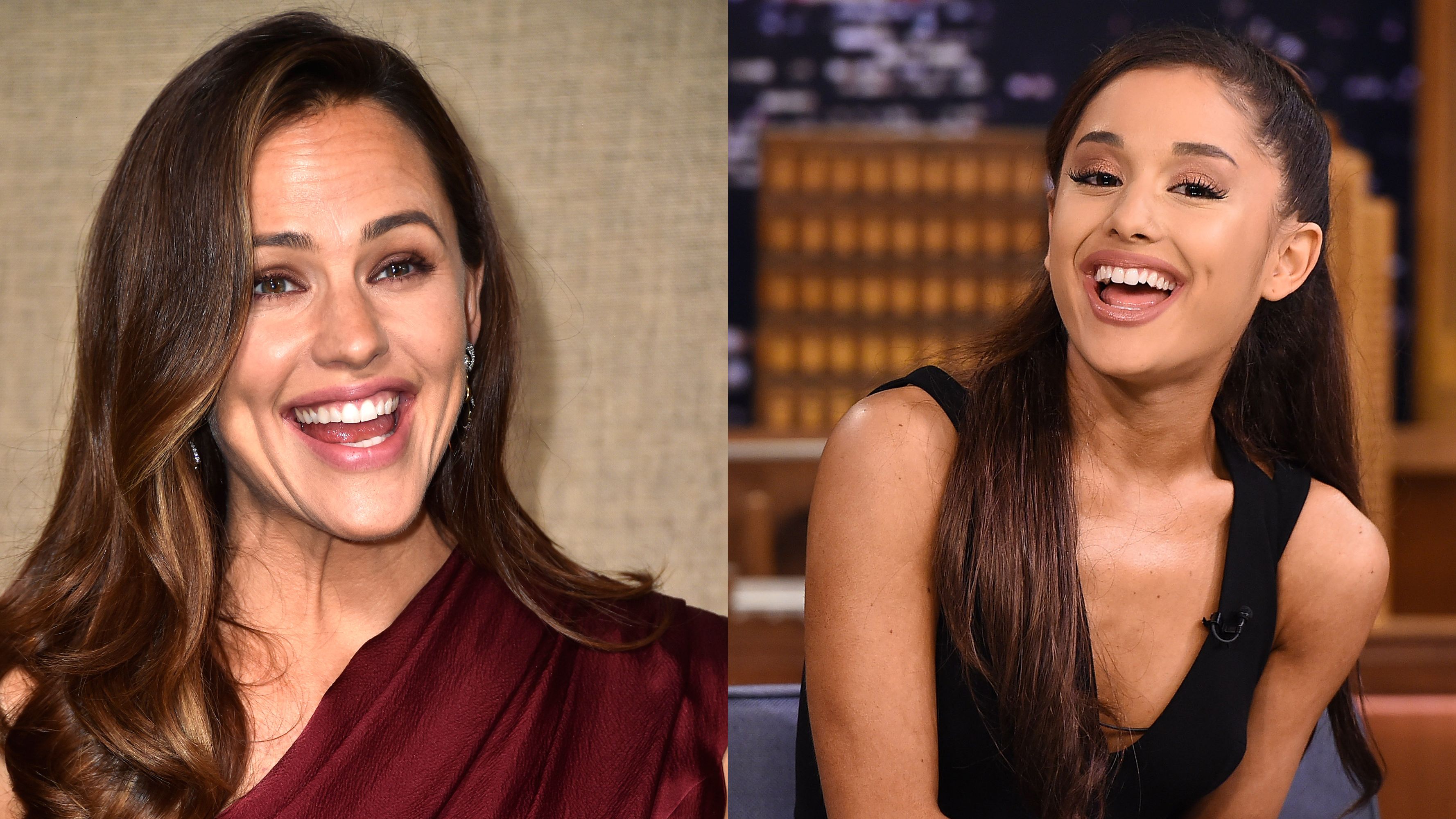
When Ariana Grande occupied a coaching chair on NBC’s The Voice, she brought more than just her vocal prowess and industry expertise to the screen; she introduced a touch of pop-culture nostalgia that resonated deeply with fans of the 2004 film 13 Going on 30. The singer’s aesthetic choices, specifically a notable ensemble, sparked immediate comparisons to the iconic dress worn by Jennifer Garner’s character, Jenna Rink, during the film’s central "Thriller" dance sequence. This moment served as a perfect intersection of Y2K nostalgia and contemporary television production, highlighting how celebrity fashion often acts as a bridge between generations of pop-culture enthusiasts.
The phenomenon centered on a specific multicolor, vintage-inspired dress that Grande wore during the show’s episodes. Fashion observers and fans of the rom-com genre immediately identified the piece as a stylistic homage to the Versace dress that solidified the "Jenna Rink" look in popular consciousness. By channeling this specific sartorial energy, Grande did not merely wear a garment; she activated a shared cultural memory, turning the coaching stage into a site of stylistic tribute. This article explores the nuances of this fashion moment, the mechanics of how The Voice integrates such pop-culture nods, and why the "13 Going on 30" aesthetic remains a powerful anchor for artists today.
The Intersection of Television, Fashion, and Nostalgia
In the landscape of modern competition reality television, wardrobe choices serve as a vital component of a coach’s brand identity. For a global superstar like Ariana Grande, every public appearance—especially on a high-production platform like The Voice—is curated to reflect her evolving persona. The choice to channel the "13 Going on 30" look was a calculated and effective move that tapped into a broader cultural obsession with the early 2000s.
The year 2026 marks over two decades since the release of the film, yet the "Jenna Rink" aesthetic has seen a sustained resurgence. By bringing this vibe to The Voice, Grande was engaging in a form of visual communication that transcends the music industry. She signaled to her audience that she is not only a participant in current trends but also a curator of historical pop-culture moments. This practice of "archival fashion"—wearing pieces that reference iconic moments in media—has become a cornerstone of celebrity styling, allowing stars to narrate their own influences through their outfits.
Decoding the 13 Going on 30 Aesthetic
To understand why this specific look held such weight, one must look at the original design. The dress from the film is characterized by its bold, multicolor, geometric pattern—often associated with the vibrant, optimistic palette of early 2000s fashion. It represents a transition point for the character of Jenna Rink, symbolizing her sudden arrival into adult life and her attempt to navigate a new social world with a youthful perspective.
When an artist like Ariana Grande adopts such a look, the effect is twofold:
- Recognition: Fans of the film immediately feel a sense of familiarity and connection to the artist, as it creates an "inside joke" or shared reference point.
- Elevation: By applying high-fashion styling, lighting, and camera work typical of The Voice, the look is stripped of its original "comedy" context and repositioned as a high-end fashion statement.
The dress is not merely a costume; it is a symbol of "adulting" before that term existed, perfectly capturing the juxtaposition of innocence and sophistication. For Grande, whose career has often navigated the transition from child actor to pop icon, the parallel to the movie’s themes of growth and self-discovery is particularly resonant.
Production Dynamics: How The Voice Curates Celebrity Style
The environment of The Voice is meticulously constructed to emphasize the personalities of its coaches. Every element, from the seating arrangement to the lighting rigs, is designed to keep the focus on the interactions between the coaches and the contestants. However, fashion serves as the primary visual hook for the audience between performances.
The production team, in collaboration with the coaches' private stylists, treats each episode as a distinct aesthetic event. When a theme like "early 2000s nostalgia" or a specific movie tribute is selected, it is rarely accidental. It is a collaborative effort to ensure that the visual tone matches the competitive energy of the show. For Grande, the choice to wear the 13 Going on 30 style was a move to humanize her persona. It positioned her as someone who grew up with the same media diet as her younger fanbase, bridging the gap between mentor and protégé.
Comparing Cultural Tributes in Modern Reality TV
This phenomenon of incorporating film references into reality TV wardrobe is part of a larger trend in 2026 where style is used to generate social media engagement and long-term brand equity. The following table illustrates how different types of pop-culture tributes function in this environment.
| Tribute Type | Objective | Audience Impact | Typical Duration |
|---|---|---|---|
| Film/Iconography | Establish relatability | High (Nostalgic) | Episode-specific |
| Historical Period | Set a thematic tone | Medium (Curiosity) | Series-arc |
| Brand/Designer | Signal luxury/status | Low (Aspirational) | Consistent |
| Subculture/Music | Define musical roots | High (Authenticity) | Long-term |
The "13 Going on 30" tribute falls into the highest impact category because it relies on a shared, positive cultural memory. Unlike luxury branding, which can feel exclusionary, film references invite the viewer to participate in the conversation, leading to high levels of discussion on platforms like X (formerly Twitter) and TikTok.
The Psychology of Nostalgia in Pop Culture
Why does the 13 Going on 30 aesthetic work so well for a 2026 audience? The answer lies in the psychological comfort provided by nostalgia. In a fast-paced media environment, returning to the visual languages of the past—specifically the "fun, vibrant" era of the early 2000s—provides a sense of stability and joy.
For viewers of The Voice, seeing a coach embrace these references creates a sense of vulnerability. It strips away the "untouchable" nature of celebrity. When Grande wore the dress, she was not just promoting a song or a brand; she was saying, "I am also a fan of this thing you love." This psychological alignment is crucial for the success of reality TV coaches, who must be liked by the audience to effectively mentor their teams.
Challenges and Considerations in Fashion Tributes
While utilizing iconic looks is a powerful tool, it comes with specific risks. The primary challenge is avoiding the "costume" trap. A tribute must be interpreted rather than copied. If an outfit is too literal, it loses its artistic merit and becomes a caricature of the original source.
Successful tributes, like the one in question, incorporate:
- Modern Fabric/Tailoring: Using 2026-standard cuts and sustainable fabrics to keep the look contemporary.
- Personal Branding: Ensuring the hair, makeup, and accessories remain signature to the artist, preventing them from disappearing into the reference.
- Contextual Appropriateness: Ensuring the tribute fits the stage environment and the seriousness of the coaching role.
When these elements are balanced, the tribute functions as an homage. When they are not, it can come across as a desperate attempt to manufacture engagement. Ariana Grande’s approach to this particular look was highly successful because it felt integrated into her existing "coquettish/glam" brand aesthetic.
Sustaining Interest through Visual Storytelling
For those studying how to build a public brand, the lesson from this situation is clear: visual consistency combined with cultural "easter eggs" is a winning strategy. By constantly providing the audience with small, recognizable bits of culture to decode, an artist ensures that their presence remains top-of-mind even when they are not actively performing on stage.
The "13 Going on 30" dress is a perfect example of how a simple visual choice can generate weeks of content and discourse. It forces a conversation about the film, the actor, the stylist, and the current state of fashion. For the production team at The Voice, this is invaluable, as it extends the life of the show across social media channels, far beyond the initial broadcast window.
Frequently Asked Questions
Why do celebrity coaches focus so heavily on fashion during shows like The Voice?
Fashion is a non-verbal language that helps define the coach's personality. Since the show focuses heavily on listening to audio, visual variety is necessary to keep viewers engaged and to distinguish between episodes in the editing room. It helps viewers connect with the coach on a personal level before they even begin critiquing a contestant.
Is it common for high-fashion celebrities to mimic movie costumes?
Yes, this is an established technique in high-end styling called "thematic dressing." It is often used to pay respects to classic cinema or to align an artist with a specific "vibe" or era that resonates with their target demographic. It is rarely a direct copy; rather, it is an interpretation of the style's spirit.
How does nostalgia affect the success of reality television?
Nostalgia provides a "low-friction" entry point for viewers. By referencing familiar stories or eras, the show creates an immediate emotional comfort zone. This makes the audience feel more invested in the show’s success because they feel a personal history with the elements being presented on screen.
Are these tribute looks usually planned by the production or the artist?
It is typically a collaborative process. While the artist’s personal styling team drives the vision, the production team often provides input to ensure the color palette and scale of the outfit work well with the show’s lighting and set design. The goal is to ensure the look stands out without clashing with the environment.
What is the most important factor in a successful fashion homage?
The most important factor is "integration." The reference should feel like it belongs in the artist's existing aesthetic profile. If it feels forced, it loses its power to build a connection with the audience and can be perceived as an insincere marketing tactic.
Recommendations for Integrating Pop-Culture Elements into Personal Brand
If you are a content creator, performer, or public-facing professional looking to emulate the success of these visual strategies, consider the following action plan:
- Audit Your Influences: Identify the films, music videos, or cultural moments that genuinely shaped your aesthetic. Do not choose them based on what is "trending," but rather on what holds authentic personal meaning for you.
- Prioritize Subtlety: Instead of a direct replication, focus on the "essence" of a look. This might involve color theory, material choices, or a specific silhouette rather than the exact item itself.
- Create a Narrative: When you decide to wear a tribute, be prepared to speak to why it matters to you. In 2026, audiences value transparency; sharing the history behind a choice builds a stronger bond with your community than simply wearing the garment in silence.
- Consistency is Key: Ensure that your visual tribute doesn't contradict the image you are trying to project. If you are known for a specific style, the homage should be an evolution of that, not a total departure.
By treating fashion as a narrative tool rather than just a utilitarian requirement, you can create the same resonance that Ariana Grande achieved on The Voice. The goal is to make your audience feel like they are "in on the secret," creating a lasting impression that transcends the screen.