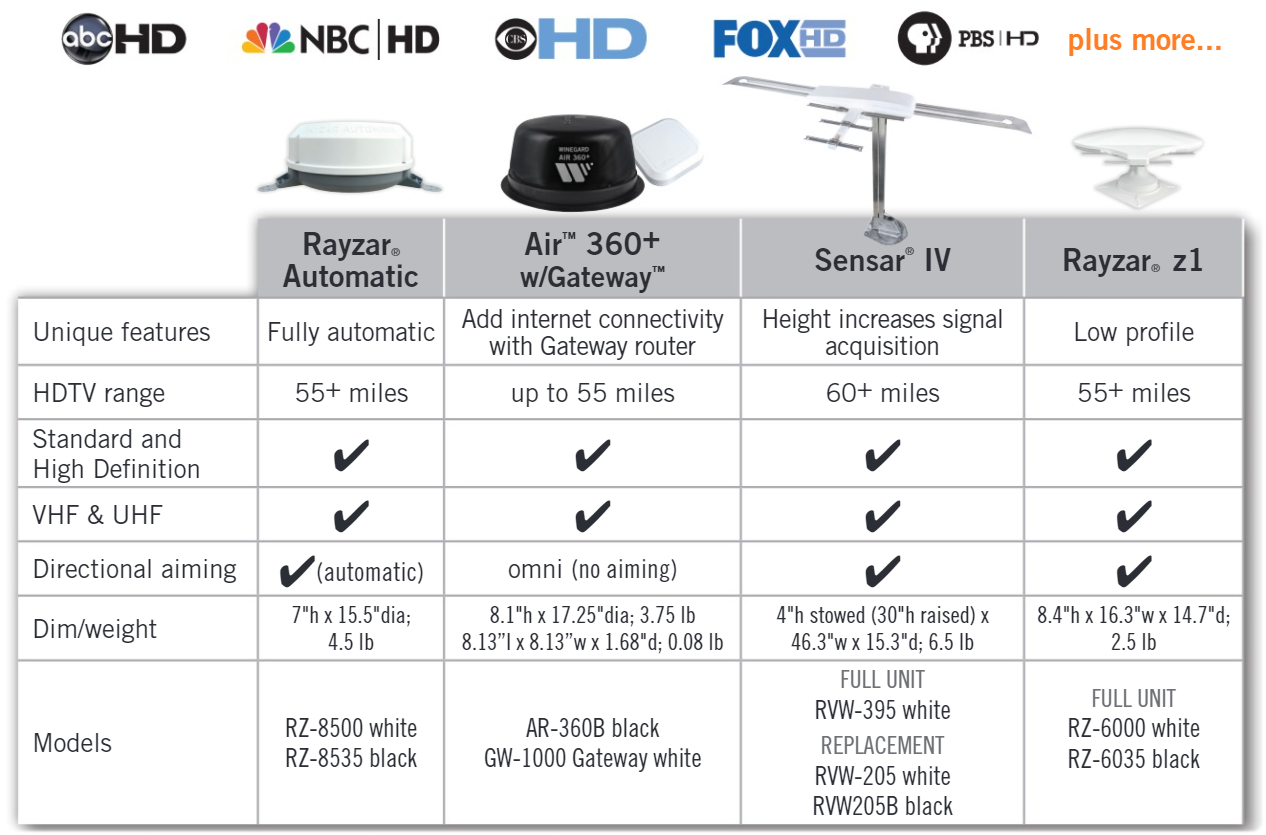
Accessing high-definition television in Springfield, Missouri, via an over-the-air (OTA) antenna provides a reliable and cost-effective way to receive major broadcast networks without a monthly cable or satellite subscription. By installing a correctly oriented antenna capable of capturing local VHF and UHF signals, residents can view channels like KYTV (NBC), KOLR (CBS), KSPR (ABC), and KRBK (FOX) in crisp, uncompressed digital quality.
Understanding the Springfield Broadcast Market
The Springfield, Missouri, television market is geographically diverse, encompassing the Ozarks region. This topography plays a significant role in how broadcast signals propagate. Most of the primary television towers serving the Springfield metropolitan area are located in a cluster to the south and southwest of the city, specifically in the area near Fordland and parts of Christian County.
Because these signals travel over rolling hills and through varied elevation, your specific location relative to these transmission towers is the most critical variable in determining your reception success. While those living within Springfield city limits may find success with indoor antennas, residents in rural locations or those with heavy tree density may require outdoor, high-gain antennas to achieve consistent results.
Identifying Your Local Channel Lineup
The Springfield market offers a robust selection of digital subchannels. In 2026, the broadcast landscape remains steady, providing not just the primary network affiliates but also specialized channels focused on news, classic television, weather, and international programming.
When researching your specific address, it is important to understand that not all antennas receive all signals equally. VHF signals (often used by stations on lower channel numbers) behave differently than UHF signals. Most modern "digital-ready" antennas are designed to handle both, but if you live at a significant distance from the towers, you may need a dedicated antenna segment for each frequency band.
Factors Influencing Reception Quality
To achieve the best possible picture, you must account for several physical and technical factors:
- Signal Path Obstructions: Buildings, hills, and dense foliage can reflect or absorb signals, leading to "multipath interference." This often manifests as digital pixelation or a complete loss of the broadcast stream.
- Antenna Positioning: The "line of sight" principle applies. Placing an antenna as high as possible—such as in an attic or on a roof—generally improves reception significantly compared to placing it behind a television set or near a window blocked by structures.
- Cable Quality: The coaxial cable connecting your antenna to your television is a potential point of failure. Using high-quality RG6 cable with well-shielded connectors prevents signal degradation before the signal reaches your tuner.
- The ATSC Standard: All modern television sets sold in the United States, including those in 2026, come equipped with built-in ATSC tuners. You do not need a separate converter box unless you are using an older analog television set.
Antenna Types: Matching Equipment to Your Needs
Choosing the right hardware is the difference between a frustrating experience and a seamless one. The following table provides a general guide to help you select the appropriate technology based on your proximity to Springfield broadcast towers.
| Antenna Type | Best For | Typical Range | Installation Location |
|---|---|---|---|
| Indoor Flat/Leaf | Urban/Suburban (close) | 0–15 miles | Window or wall near TV |
| Indoor Amplified | Suburban (medium) | 15–30 miles | Elevated shelf or window |
| Outdoor Yagi | Rural/Fringe areas | 30–60+ miles | Roof mount |
| Attic Multi-Directional | Suburban (varied) | 20–40 miles | Attic joists |
The Role of Amplification
A common misconception is that an amplifier will fix poor reception caused by physical obstructions. In reality, an amplifier is designed to compensate for signal loss incurred over long cable runs. If your antenna is not already receiving a clean signal, an amplifier will simply amplify the noise or interference, potentially making the picture quality worse. Only add an amplifier if you are running a long length of cable from an outdoor antenna to your television and you notice the signal strength is dropping off despite an otherwise good installation.
Step-by-Step Setup and Verification
Once you have selected your equipment, follow these steps to integrate OTA television into your home:
- Placement: Identify the direction of the transmission towers using an online coverage map. Point the antenna toward that heading.
- Connection: Secure the coaxial cable to the "Antenna/Cable In" port on the back of your television. Ensure the connector is finger-tightened.
- Scan for Channels: Navigate to your television’s "Settings" or "Setup" menu. Select the "Channel Scan" or "Auto-Tune" function. This process forces the internal tuner to search for and save all available frequencies.
- Optimization: If you are missing major stations, rotate your antenna slightly and re-run the channel scan. Digital signals are "all or nothing," so a small adjustment of a few degrees can often bring in a missing channel.
- Ongoing Maintenance: Check your cable connections seasonally. In Missouri, weather changes can cause moisture to enter exterior connections, which leads to corrosion and signal loss over time.
Navigating Common Troubleshooting Issues
If your signal begins to flicker or drop out, do not assume the antenna has failed. First, verify if the issue is universal across all channels. If only one channel is problematic, it is likely a broadcast-side issue or an obstruction in that specific signal’s path. If all channels are affected, check your physical connections. Additionally, be aware of "culling" or "repacking" events where channels change frequencies; if you suddenly lose a group of channels, performing a fresh channel scan will usually update the TV's database with the new frequencies.
Frequently Asked Questions
Can I get all Springfield local channels with an indoor antenna? It depends on your distance from the towers. If you are within 10–15 miles of the tower cluster and have minimal obstructions, an indoor antenna is usually sufficient. However, for homes in rural Greene or Christian County, an outdoor antenna is typically required.
Do I need a special antenna for 4K broadcast television? No. All antennas are frequency-based, not resolution-based. Any antenna that captures the UHF/VHF signals effectively will deliver the broadcasted resolution, whether it is 720p, 1080i, or the newer ATSC 3.0 (NextGen TV) signals which support higher resolution.
Why does my channel scan show 0 channels? Ensure your TV input is set to "Antenna" or "Air" rather than "Cable" or "HDMI." A common mistake is selecting the wrong input source in the television menu, which prevents the tuner from searching for broadcast signals.
Do I need a separate box for the new NextGen TV (ATSC 3.0) signals? In 2026, most mid-to-high-end televisions include native support for ATSC 3.0. If your TV does not have a built-in NextGen tuner, you will need a separate set-top box to decode those specific broadcasts. However, current FCC mandates ensure that standard broadcast signals remain available for older, widely used tuners.
Does bad weather affect my antenna reception? Yes. Heavy rain, high winds, and dense cloud cover can attenuate television signals. Because OTA broadcasts operate on line-of-sight propagation, significant atmospheric disturbance can temporarily interrupt the signal.
Next Steps for Optimal Reception
To ensure the best viewing experience, start by using a reputable online signal locator tool to input your exact address. This will provide a precise map of the signal strengths at your location, allowing you to choose the gain level of the antenna you purchase. If you are starting from scratch, begin with a mid-range amplified antenna and perform a scan; if you find that you are missing specific major networks, consider upgrading to a roof-mounted directional antenna to maximize your signal capture.