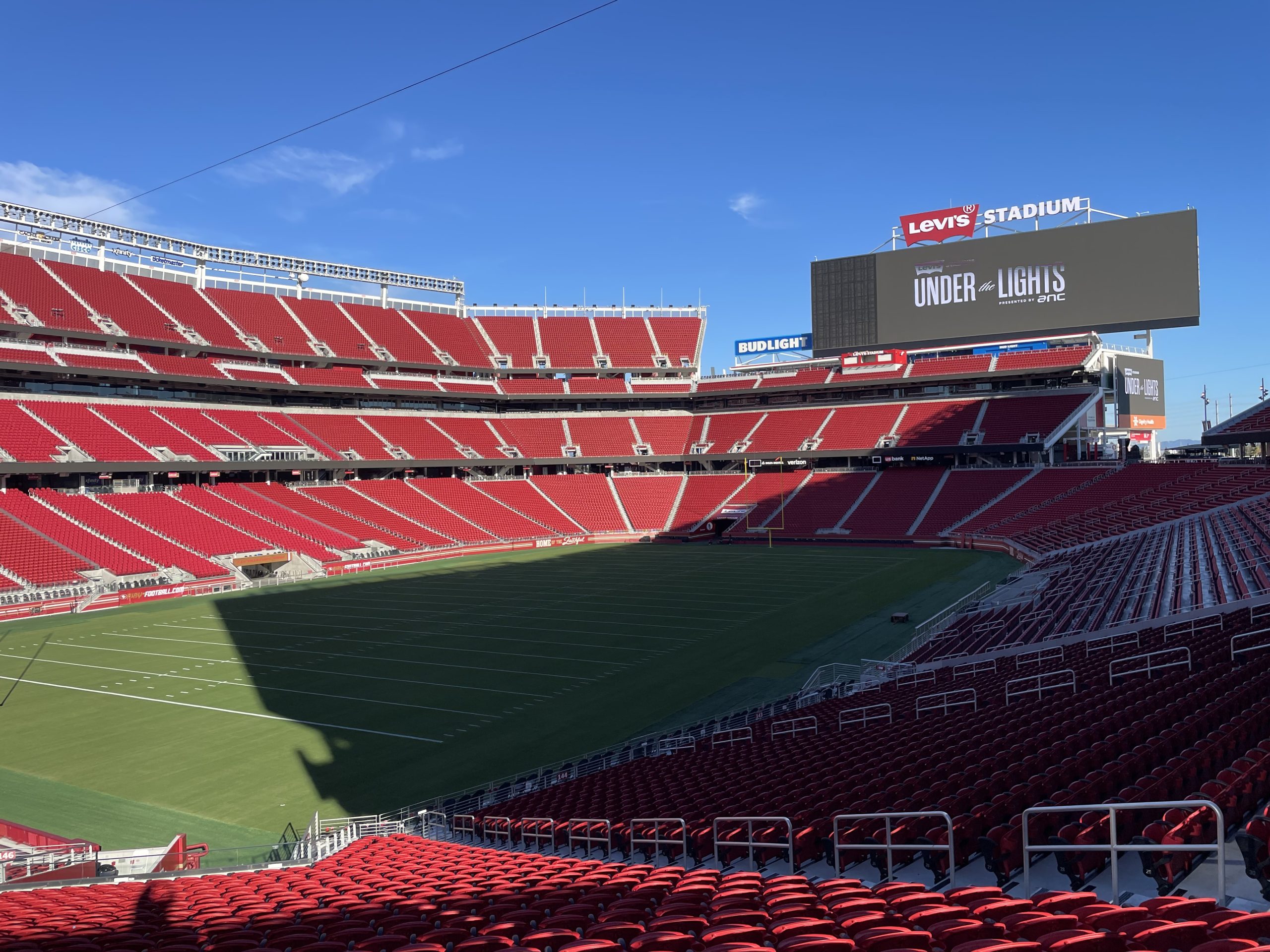
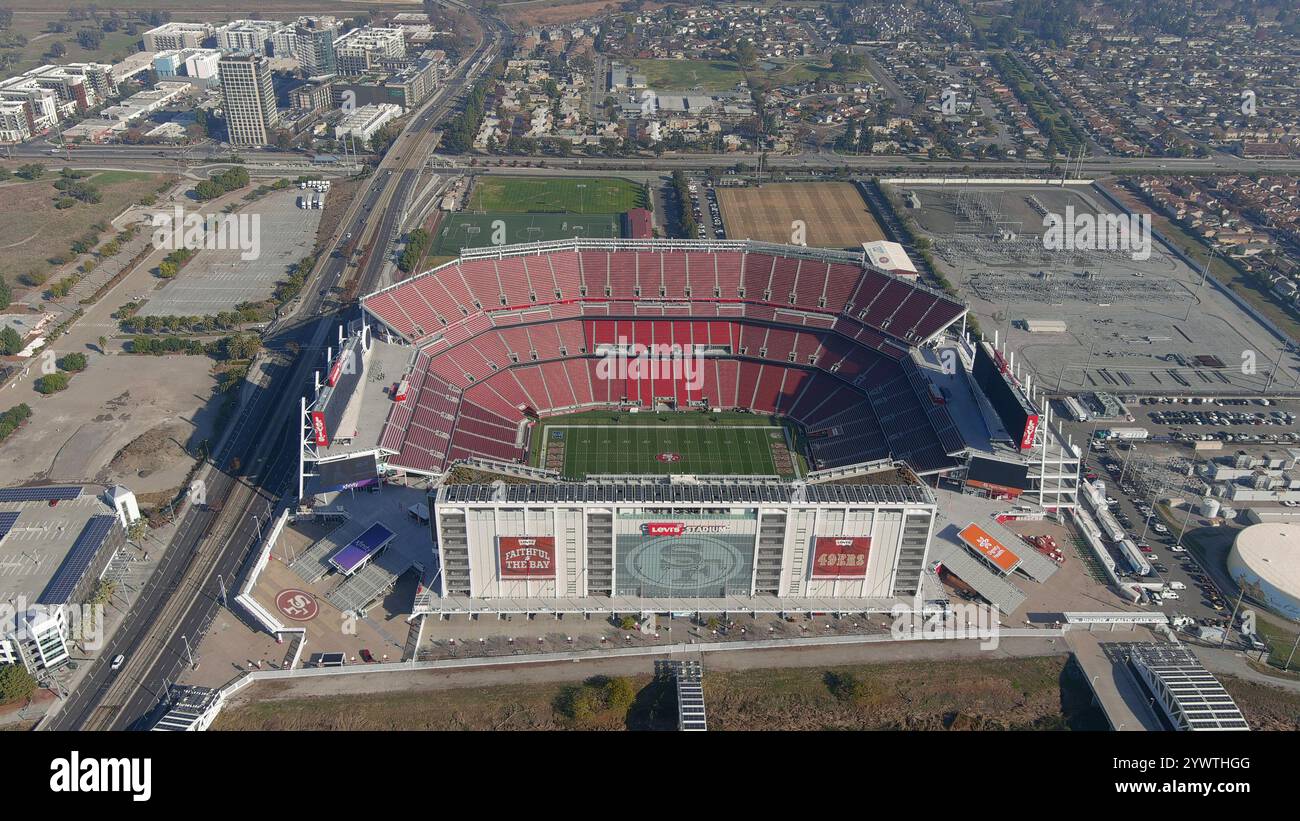
Levi’s Stadium is an open-air facility and is not covered by a permanent or retractable roof. While the stadium features luxury suites and premium seating areas that are protected from the elements, the vast majority of the seating bowl and the entire field surface remain exposed to the open sky and the surrounding Santa Clara climate.
Architectural Overview of Levi’s Stadium
When evaluating whether a major sports venue is "covered," it is important to distinguish between indoor, domed, and open-air architectures. Levi’s Stadium, which opened in 2014 in Santa Clara, California, was intentionally designed as an open-air venue to capitalize on the region’s typically mild Mediterranean climate.
The stadium’s design emphasizes sustainability and an integration with the local environment. By forgoing a massive, energy-intensive roof structure, the architects focused on a bowl design that allows for natural ventilation and significant energy savings. The open-air nature of the stadium means that precipitation, wind, and direct sunlight are factors that fans, players, and event organizers must account for when planning their attendance or operations.
The structure is characterized by an asymmetrical bowl, with a large, concentrated stack of luxury suites and club seating located on the west side of the stadium. This vertical massing serves as a windbreak for that specific section but does not extend over the rest of the seating bowl.
Protection Within the Venue
Although the stadium lacks a roof, there are specific areas where attendees may find cover. Understanding these zones is crucial for those who are sensitive to weather conditions or are concerned about the prospect of rain or extreme heat.
- Luxury Suites: The multi-level tower on the west side of the stadium provides significant protection for guests located in the suites. These areas are enclosed or semi-enclosed, offering climate control and shelter from both rain and sun.
- Club Lounges: Many premium ticket holders have access to indoor club areas. These lounges serve as a refuge during pre-game festivities or halftime, allowing fans to escape the elements for extended periods.
- Concourses: The concourses that wrap around the stadium are located beneath the upper seating decks. While these are not climate-controlled "rooms," they provide a roofed area that protects fans from direct rain while they navigate to concessions or restrooms.
- Specific Row Seating: In some sections of the upper deck, the overhang from the roof structure of the press box or the top-most canopy can provide minor protection from light precipitation. However, these seats are rarely guaranteed to be "dry" in the event of heavy, wind-driven rain.
Environmental Impact and Climate Considerations
The decision to keep Levi’s Stadium open-air is deeply rooted in the climate of the South Bay area of the San Francisco Peninsula. Santa Clara typically experiences dry summers and mild, rainy winters.
During the NFL season, which spans from late summer into early winter, fans are generally met with comfortable temperatures. However, because there is no roof, the sun’s position is a significant factor. Afternoon games in early September can involve intense direct sunlight for spectators sitting on the east side of the stadium, as the sun sets behind the west tower. Conversely, once the sun dips below the stadium’s skyline, the temperature can drop rapidly, leading to chilly conditions in the evening hours.
For major events—such as concerts or international soccer tournaments—organizers must rely on the stadium’s natural resilience to weather. Because there is no roof to mitigate acoustic issues or block the light, the stadium is highly dependent on localized weather patterns. While the lack of a roof makes the venue susceptible to rain, the open-air design also facilitates excellent air quality and a "classic" sports experience that many fans prefer.
Comparison of Stadium Roof Configurations
To understand where Levi’s Stadium sits in the landscape of professional sports facilities, it is helpful to compare it against other common architectural styles.
| Stadium Style | Examples | Weather Protection |
|---|---|---|
| Fully Enclosed (Dome) | Allegiant Stadium, SoFi Stadium | Full protection from all weather. |
| Retractable Roof | AT&T Stadium, NRG Stadium | Optional, adjustable to conditions. |
| Open-Air | Levi’s Stadium, Soldier Field | Exposed to all outdoor elements. |
| Fixed Canopy | Hard Rock Stadium | Partial coverage of seating rows. |
As shown in the table, Levi’s Stadium belongs to the open-air category. Unlike newer venues such as SoFi Stadium in Los Angeles, which utilizes a massive fixed roof to create a "canopy" effect, Levi’s Stadium relies on its structural footprint to create a sense of place rather than a climate-controlled enclosure.
Preparing for Weather at an Open-Air Venue
Because Levi’s Stadium is exposed, visitors must prepare for the elements based on the time of year and the event schedule. Even in California, the weather can be unpredictable.
- Sun Exposure: For day games, spectators should prioritize sun protection. Sunglasses, hats, and sunscreen are essential for those sitting in the lower or east-side bowls, which are not shielded by the west side's vertical architecture.
- Rain Readiness: During the late autumn and winter months, rain is a possibility. While there is no official "roof" to rely on, the concourses provide a temporary escape. However, fans are generally encouraged to bring rain-appropriate gear—such as ponchos—if the forecast suggests precipitation, as traditional umbrellas are often restricted in sports venues to prevent sightline obstruction.
- Temperature Fluctuations: The transition from a sunny afternoon to a cold evening is a common occurrence at the stadium. Dressing in layers is the most effective strategy for ensuring comfort throughout a long event.
Navigating Logistics and Access
The open nature of the stadium impacts more than just fan comfort; it influences logistical operations. Since the bowl is not enclosed, the field is maintained using high-quality turf management systems designed to handle natural precipitation. The drainage systems at Levi’s Stadium are engineered to modern standards, ensuring that even if there is a heavy downpour, the field remains playable.
For event organizers, the lack of a roof simplifies certain aspects of event production—such as pyrotechnics or high-flying aerial performances—while complicating others, such as acoustics and the need for significant weather-proofing of audio-visual equipment.
Frequently Asked Questions
Does Levi’s Stadium have any retractable components? No. The stadium was designed as a fixed open-air venue. There are no retractable roof panels or secondary structures that can be deployed to cover the field or the seating bowl during inclement weather.
Are all seats in the stadium exposed to the sun? Not necessarily. The west side of the stadium features a tall, multi-story structure that houses luxury suites. This structure provides shade to the seats directly beneath it during various times of the day. However, the majority of the seating bowl, particularly on the east side, is fully exposed to the sun.
Will my event be canceled if it rains? Generally, professional football games and most concerts at Levi’s Stadium proceed regardless of rain. The facility is equipped to handle significant water runoff. Unless there is severe weather that poses a safety threat—such as lightning or extreme wind—the event will continue.
Where can I go if it starts raining during a game? Fans can move to the concourse levels. These areas are covered by the upper decks and offer protection from direct rainfall. Note that these areas can become crowded during storms, so it is advisable to head for cover as soon as rain begins to fall.
Is the stadium comfortable in the winter? It depends on the time of day and the specific weather pattern. While Santa Clara does not experience freezing temperatures often, the wind chill can make an open-air stadium feel significantly colder than the local forecast might suggest. Planning for extra layers is recommended for late-season games.
Recommendation for Attendees
If you are planning to attend an event at Levi’s Stadium, assume the weather will be the dominant factor in your comfort. Before you depart, verify the local forecast for Santa Clara rather than the general Bay Area. If the forecast indicates rain, bring a high-quality poncho or water-resistant outerwear, as traditional umbrellas are typically prohibited inside the seating bowl. If you are attending an afternoon event during a warm month, prioritize hydration and UV protection, as the lack of a roof leaves the majority of the seating area vulnerable to direct sunlight. By preparing for the outdoor environment, you can enjoy the game-day atmosphere that the open-air design of Levi’s Stadium is intended to provide.