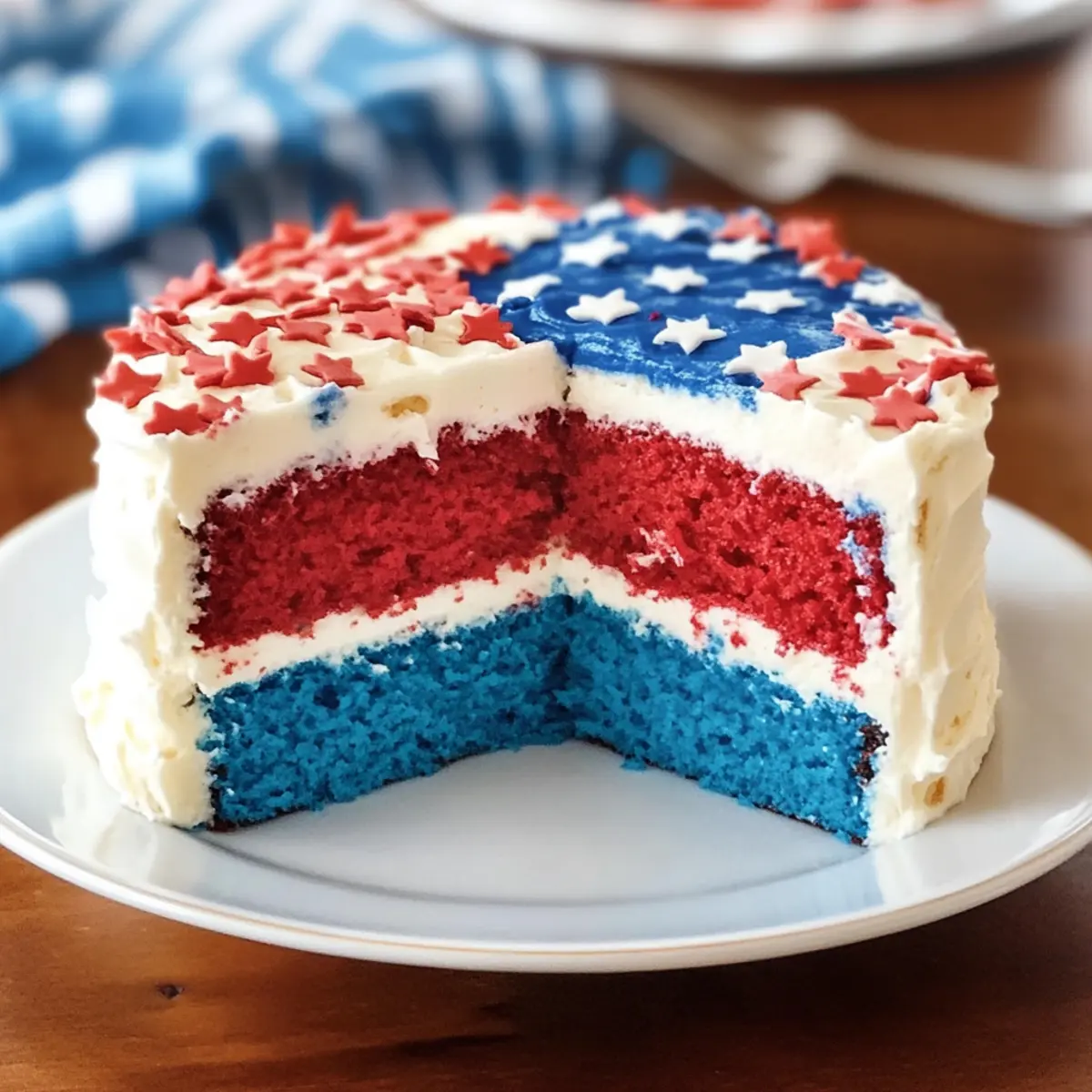
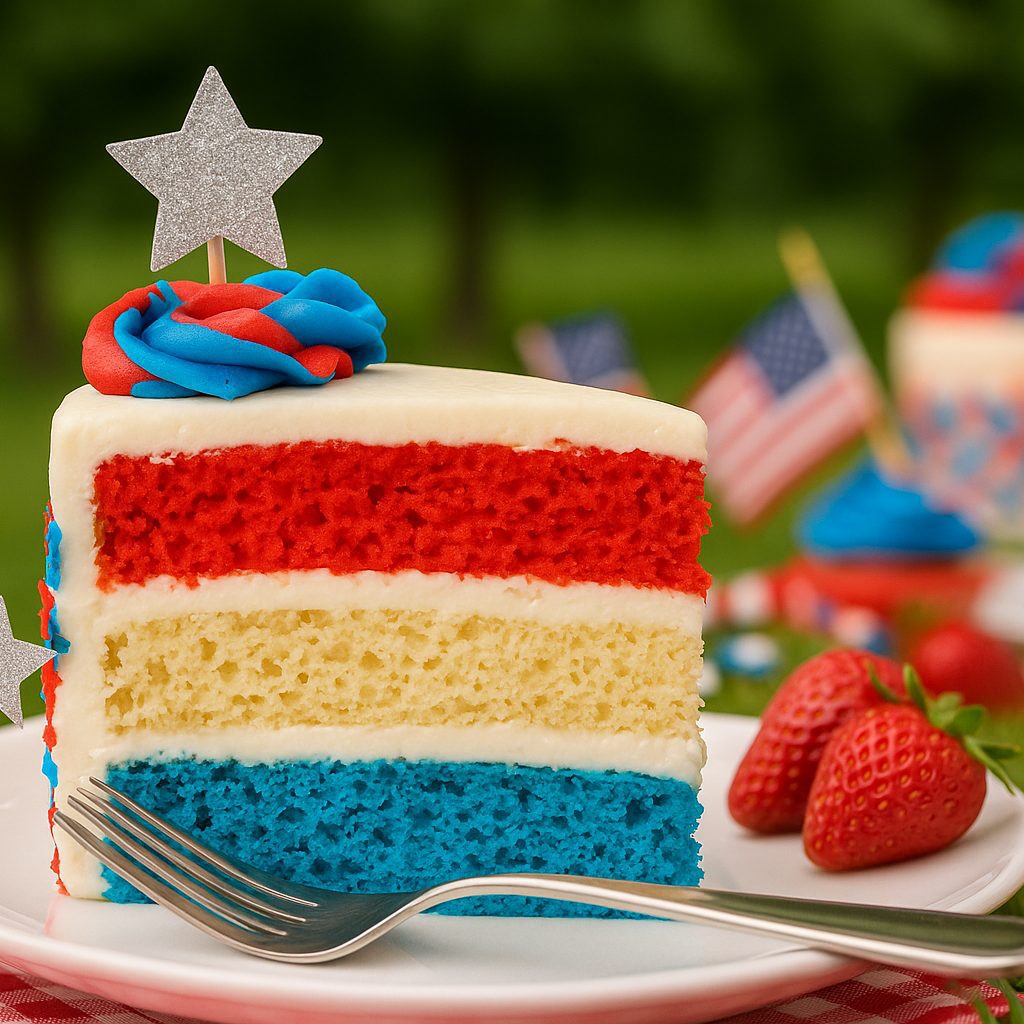
The American flag cake is a cornerstone of patriotic celebrations, most commonly featuring a "surprise-inside" geometric interior or a fruit-patterned exterior. Achieving the perfect flag cake requires a combination of precise crumb architecture, color stabilization, and specific assembly techniques designed to maintain structural integrity while honoring the aesthetics of the U.S. flag.
The Evolution of the American Flag Cake Tradition
The American flag cake is more than a seasonal dessert; it is a culinary representation of national identity that has evolved significantly over the last century. Historically, patriotic cakes were simple white or yellow sponge cakes topped with red and blue berries. This tradition stems from the availability of seasonal produce during mid-summer holidays like the 4th of July and Memorial Day.
By the mid-20th century, the "sheet cake" format became the standard. The large surface area of a 9x13 inch pan provided a canvas for rows of strawberries or raspberries to represent stripes, while blueberries in the upper-left corner served as the stars or "union." However, as home baking technology and instructional media expanded in the early 21st century, the "surprise-inside" or "hidden flag" cake emerged as the gold standard for technical baking. This method involves a complex internal geometry where the flag pattern is revealed only upon slicing the cake.
In 2026, the tradition has further refined. Bakers now focus on "clean-label" coloring—using natural pigments derived from beets or spirulina—and advanced crumb-setting techniques that allow for sharper geometric lines. The transition from a mere surface decoration to a structural masterpiece highlights a broader trend in the baking community toward architectural precision and "Instagrammable" internal reveals.
Core Technical Requirements for an Internal Flag Design
Constructing a cake that reveals a flag when cut is a significant technical challenge. It requires a departure from standard "even-layer" stacking. To successfully build an internal American flag, a baker must manage three distinct sections: the bottom red and white stripes, the blue canton (the "union"), and the upper stripes that sit adjacent to the blue.
Selecting the Right Crumb Structure
The most common mistake in flag cake construction is using a crumb that is too light or airy, such as a traditional chiffon or sponge. These cakes lack the tensile strength to support the weight of multiple layers and the "carving" required for the blue canton.
A dense white cake or a high-ratio pound cake is the preferred medium. These recipes provide a tight, fine crumb that minimizes crumbling during the cutting process. Furthermore, the high fat content in pound cakes ensures that the cake remains moist even after the multiple chilling and trimming stages necessary for assembly.
The Role of Color Science in Baking
Achieving a "true red" and "deep navy" is notoriously difficult in a flour-based medium. Liquid food colorings can alter the pH balance of the batter, leading to an uneven rise or a metallic aftertaste.
For a professional-grade flag cake in 2026, gel-based or oil-based food colorings are recommended. Gel colors are highly concentrated, meaning you need less moisture to achieve high saturation. To prevent the red layers from looking pink, many professional bakers add a small amount of dark cocoa powder or a drop of brown gel to deepen the hue without affecting the flavor profile.
Step-by-Step Construction of the Hidden Flag Cake
The "surprise-inside" method relies on the "ring and disc" technique. This involves baking several layers and then resizing them to fit into a specific geometric puzzle.
1. The Foundation Stripes
The bottom half of the cake consists of full-diameter red and white layers. If you are aiming for a standard 8-inch round cake, you will bake two red layers and one white layer (or vice versa). These are stacked with a very thin layer of frosting between them. It is essential that the frosting is applied evenly; if one side is thicker than the other, the stripes will appear "wavy" rather than horizontal when sliced.
2. The Upper Stripe Assembly
This is the most complex phase. To create the upper stripes that sit next to the blue canton, you must bake one red and one white layer. Once cooled, these layers are cut into rings using circular cutters. For an 8-inch cake, you would cut a 4-inch circle out of the center of both the red and white layers.
3. The Blue Canton (The Union)
The blue section is baked as a thick, single layer. Using the same 4-inch cutter used in the previous step, you extract a blue cylinder. This cylinder is then placed into the center of the "hollow" red and white rings. The result is a top half of the cake that features a solid blue core surrounded by rings of red and white.
4. Integration and Chilling
The final assembly involves stacking the "upper stripe" rings around the blue cylinder on top of the "foundation stripes." Between every contact point, a thin layer of buttercream acts as "mortar." Crucially, the assembled cake must be chilled for at least 4 hours—or preferably overnight—before the final frosting. This allows the fats in the buttercream to solidify, locking the internal geometry in place.
Comparison of Flag Cake Techniques
Depending on the occasion and the baker's skill level, there are two primary ways to approach the American flag design.
| Feature | External Fruit/Piping (Sheet Cake) | Internal Geometric (Hidden Flag) |
|---|---|---|
| Technical Difficulty | Low to Moderate | High |
| Preparation Time | 2–3 Hours | 6–8 Hours (including chilling) |
| Primary Visual Focus | Exterior Decoration | Interior Reveal |
| Best Cake Type | Sponge, Chiffon, or Yellow Cake | Dense White or Pound Cake |
| Transportability | High (in-pan) | Moderate (requires structure) |
| Standard Ingredients | Fresh Berries, Whipped Cream | Gel Colors, Stiff Buttercream |
Advanced Decoration: Beyond the Fruit Sheet
While the internal flag is a feat of engineering, the external decoration also requires technical finesse. In 2026, the trend has shifted away from simply laying fruit on top of a cake toward more sophisticated piping and glazing techniques.
Stabilization of Frosting
For outdoor events, standard buttercreams can fail. Technical bakers often use Italian Meringue Buttercream (IMBC) or a stabilized cream cheese frosting. IMBC is particularly valued for its stability in heat; the cooked sugar syrup creates a structure that is less likely to melt than "American" buttercream, which is simply butter and powdered sugar.
Precision Piping for the Stars
Instead of white berries or star-shaped sprinkles, professional-grade cakes often utilize a "star tip" (such as the Wilton 1B) to pipe individual stars in the blue canton. To ensure symmetry, many bakers use a template or a "pin-prick" method to mark the 50 star locations on the blue frosting before they begin piping.
Edible Gold and Silver Accents
A modern 2026 variation involves the use of edible 24k gold leaf or silver luster dust. Applying silver luster to the white stripes or the stars adds a metallic sheen that provides a "premium" feel to the traditional color palette. This is typically applied using a fine-tipped brush dampened with a high-proof clear spirit (like vodka or lemon extract), which evaporates quickly, leaving the pigment behind.
Troubleshooting Common Structural Failures
Baking a multi-layered, colored cake presents several risks that can ruin the visual effect.
- Color Bleeding: This occurs when the moisture from the frosting leaches the dye out of the cake layers. To prevent this, ensure the cake is completely cool before frosting. Applying a "crumb coat" (a thin layer of frosting to seal the cake) and then chilling it before the final layer of frosting is the most effective defense.
- The "Slumping" Flag: If the internal layers are not perfectly level, the flag will look distorted. Use a professional cake leveler rather than a serrated knife to ensure every layer is exactly the same height.
- Dry Crumb: Because the "hidden flag" requires so much trimming and assembly, the cake is exposed to air longer than a standard cake. To combat dryness, many bakers use a "simple syrup" (equal parts sugar and water) to lightly brush each layer during assembly. This adds moisture and helps the frosting adhere to the crumb.
Frequently Asked Questions
What is the best type of food coloring for a flag cake?
Gel-based food coloring is the superior choice for flag cakes. Liquid colors are too diluted and can thin the batter, leading to structural weakness. Gels provide intense saturation with just a few drops, ensuring the red and blue sections are vibrant without affecting the bake's chemistry.
Can I make a flag cake a day in advance?
Yes, and it is actually recommended. A flag cake benefits from an overnight rest in the refrigerator. This allows the layers to bond and the colors to set. If you are using fresh fruit for the exterior, wait until the day of serving to add the fruit to prevent the juices from "weeping" into the frosting.
How do I ensure the internal flag is centered?
Precision measurement is key. Use a ruler to find the exact center of your cake and use circular cutters for the "ring and disc" method. If you eyeball the center, the blue canton will appear lopsided when the cake is sliced, ruining the surprise effect.
Why is my red cake turning brown?
Red food coloring reacts with the alkalinity in certain types of cocoa and baking soda. If you are making a red velvet-style flag cake, ensure you use "non-alkalized" (Natural) cocoa powder. If using a white cake base, ensure your baking powder is fresh to maintain a neutral pH.
How many layers do I actually need for the internal flag?
To represent the flag accurately, you need at least three stripes visible in the bottom half and a minimum of two stripe layers adjacent to the blue canton in the top half. This requires a minimum of five thin layers of cake to create a convincing visual representation.
Final Recommendation for Bakers
For those attempting the "layered look" of the American flag cake for the first time, the most critical step is patience and temperature control. Attempting to assemble or cut cake layers while they are still room temperature often leads to crumb tearing and structural collapse. For a professional result, chill your layers until they are firm to the touch before attempting any trimming or geometric assembly. This technical discipline ensures that when the first slice is removed, the tradition of the American flag is revealed in perfect, sharp-edged detail.