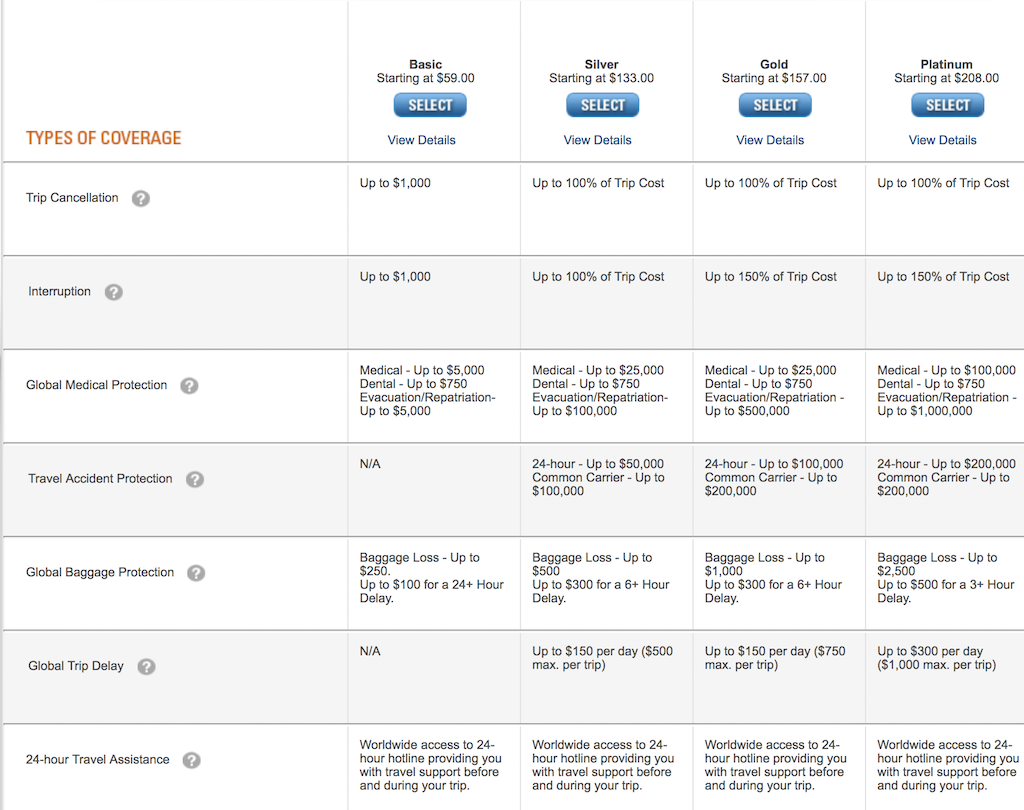
American Express travel insurance—specifically the Premium Protection and secondary coverage plans accessible through the American Express travel portal and select card memberships—functions primarily as a secondary layer of financial risk management for cardholders. Rather than acting as a standalone comprehensive travel medical policy, it is often a supplemental product designed to cover non-refundable trip costs, baggage delays, and incidental travel disruptions. Understanding these reviews requires distinguishing between the built-in, no-cost card benefits and the optional, add-on "Premium Protection" plans offered during the booking process.
Understanding the Structure of American Express Travel Coverage
When travelers look for "American Express travel insurance," they are often conflating two distinct financial products. The first category is the built-in travel protections associated with premium American Express credit cards (such as The Platinum Card®). These protections are triggered automatically when the traveler charges their trip to the card. They typically include Trip Cancellation and Interruption Insurance, Trip Delay Insurance, and Baggage Insurance.
The second category is the optional, underwritten travel insurance offered as an add-on during the checkout process when booking a flight or hotel through the American Express Travel portal. This product is typically underwritten by third-party insurance partners (such as Chubb or AIG, depending on the region and policy). Reviews for this specific add-on service often highlight the ease of purchase during the booking flow, but critics frequently point out that the coverage limits and exclusions can be more restrictive than those of dedicated, standalone travel insurance policies.
The Nuance of "Reviews": What Travelers Are Reporting
In the context of 2026, user sentiment regarding these insurance products is split based on expectations. Positive reviews frequently cite the convenience of the American Express ecosystem. Travelers appreciate that when booking via the American Express portal, the insurance purchase is integrated into the itinerary management system. For many, the "peace of mind" factor—where a flight cancellation or delay leads to an automated or simplified claims process—is the primary value proposition.
Conversely, critical reviews often focus on the limitations of coverage. A common complaint among travelers is the distinction between "covered reasons" and "cancel for any reason" (CFAR) policies. Many American Express-offered add-on plans are strictly defined by named perils (e.g., severe weather, jury duty, or specific medical emergencies). Travelers who book these plans expecting a "no questions asked" cancellation policy are often disappointed when their claims are denied for reasons outside the rigid contractual definitions.
Comparative Analysis: Card Benefits vs. Purchased Add-ons
To effectively evaluate whether these products serve your needs, it is critical to compare the built-in benefits of high-end cards against the optional insurance purchased at checkout.
| Feature | Built-in Card Protection | Purchased Add-on Insurance |
|---|---|---|
| Eligibility | Requires charging trip to card | Requires specific purchase of policy |
| Primary Goal | Ancillary travel disruption support | Specific trip financial protection |
| Cost | Included in annual card fee | Additional premium per booking |
| Medical Coverage | Very limited/Non-existent | Often available as an add-on |
| Ease of Claim | Integrated into card services | Varies by insurance underwriter |
Prerequisite Checklist for Potential Policyholders
Before relying on any insurance product provided through a travel portal, you must verify your specific coverage status. Following this sequence will help you avoid gaps in your protection:
- Check Card Terms: Log in to your American Express account and review the "Guide to Benefits" for your specific card. Do not assume the coverage for a Platinum card applies to a Gold or Green card.
- Audit Existing Coverage: Before purchasing the optional add-on at checkout, check if your primary health insurance or homeowners/renters insurance already covers international medical emergencies or lost luggage.
- Confirm Named Perils: Read the summary of coverage provided during the booking process. Pay close attention to the definition of "covered reasons" for trip cancellation.
- Save Digital Documentation: Ensure you keep a PDF copy of the Policy Confirmation provided at the time of purchase. Relying on the travel portal history is insufficient, as these pages may become inaccessible after the trip is completed.
Addressing Common Pain Points and Troubleshooting
One of the most frequent sources of frustration for travelers involves the claims process. American Express acts as the facilitator for many of these products, but the claims themselves are adjudicated by the underwriter. When a claim is denied, it is rarely due to an arbitrary decision by American Express, but rather because the incident fell outside the policy’s definitions.
If you encounter a claim rejection:
- Request the "Letter of Denial": Insurance companies are legally required to provide a specific reason for a claim denial. This letter will point to the exact clause in your policy that resulted in the exclusion.
- Review Your Documentation: Ensure you have the necessary proof for the claim, such as airline delay letters, itemized receipts, or physician notes. Documentation gaps are the leading cause of initial claim rejections.
- Escalation: If you believe the denial is in error, follow the formal appeal process outlined in the policy documentation. Keep a meticulous log of all communications, including the names of representatives and reference numbers for your calls.
The Role of Regulatory Oversight and Legal Limits
It is essential to understand that travel insurance is a regulated financial product. In the United States and other jurisdictions, insurers must comply with state-level or national regulations regarding transparency and claims handling. American Express, while a massive financial institution, must adhere to these same standards when presenting insurance products.
Travelers should note that these policies are not a substitute for comprehensive international health insurance. If your primary concern is medical evacuation or high-cost emergency hospitalizations in foreign countries, you should look toward specialized travel medical plans that offer high limits for medical expenses, which are rarely matched by standard credit card-linked policies.
Frequently Asked Questions
Is American Express travel insurance "worth it" for international trips? It depends on the trip’s cost and your risk tolerance. For low-cost domestic travel, the built-in card protections are often sufficient. For high-cost international excursions, the optional add-on may provide necessary coverage for trip interruption, but you should compare it against independent specialized travel insurance providers to ensure the coverage limits meet your specific health and financial needs.
Does American Express provide "Cancel For Any Reason" (CFAR) coverage? Generally, the base-level protections offered as a card benefit do not include CFAR. Some of the optional third-party plans available through the portal may offer a form of CFAR, but you must specifically look for this feature in the policy description before purchasing. Always confirm this in the fine print.
How do I file a claim for a trip booked with American Express? Claims are typically handled through the underwriter’s portal, not the American Express travel portal. You will need to locate the insurance carrier name on your insurance confirmation document and proceed to their specific claims website or call their provided toll-free number.
Do these insurance products cover pre-existing conditions? Coverage for pre-existing conditions is rarely standard in basic travel insurance. If you have significant health concerns, look for a policy that explicitly mentions a "pre-existing condition waiver." This usually requires purchasing the policy within a specific timeframe (often 14–21 days) after making your initial trip deposit.
Is it better to use card benefits or a standalone policy? Use card benefits for smaller, low-risk trips where you are mostly concerned about airline-related delays or minor baggage issues. For expensive, long-haul international travel, a standalone policy—especially one with high medical evacuation limits—is generally recommended by financial experts.
Final Recommendation
Before finalizing your next trip, treat your travel insurance with the same diligence you would apply to your home or car insurance. If you hold a premium American Express card, download your current Guide to Benefits and highlight what is covered. If you decide to purchase the optional insurance offered through the booking portal, take the five minutes required to read the policy exclusions. If your trip involves high costs or high-risk destinations, consult an independent travel insurance aggregator to compare the portal’s offer against market-standard plans. Being informed before you leave is the only way to ensure that your financial safety net is actually intact when you need it most.