Amanda Berry and her daughter, Jocelyn, are central figures in the historic 2013 escape from the home of Ariel Castro in Cleveland, Ohio. After a decade of captivity beginning in 2003, Berry successfully fled the residence with her six-year-old daughter, leading to the rescue of two other women and the subsequent life sentence of their captor.
The story of Amanda Berry and her daughter is not merely a chronicle of a high-profile crime; it is a profound study of human resilience, the complexities of trauma, and the pursuit of a normal life following unimaginable circumstances. As of 2026, the case remains a touchstone for law enforcement protocols regarding missing persons and a testament to the enduring bond between a mother and child born under the most harrowing conditions. To understand the full scope of their journey, one must examine the timeline of the abduction, the environment of the Seymour Avenue house, the birth of Jocelyn, and the decade of recovery that followed their return to freedom.
The Disappearance of Amanda Berry
On April 21, 2003, 16-year-old Amanda Berry disappeared while walking home from her job at a Burger King in Cleveland. It was the day before her 17th birthday, a detail that would later underscore the tragedy of her lost youth. For years, her mother, Louwana Miller, tirelessly campaigned for her return, appearing on national television and working with local investigators. Tragically, Miller passed away in 2006, never knowing that her daughter was being held less than a few miles away.
The abduction was orchestrated by Ariel Castro, a former school bus driver who lured Berry into his vehicle under the guise of offering a ride. Once inside his home at 2207 Seymour Avenue, Berry was restrained and subjected to a decade of physical and psychological abuse. She was not the only victim; Michelle Knight had been abducted in 2002, and Georgina "Gina" DeJesus was taken in 2004. However, the dynamics of the household changed significantly with the arrival of Berry’s daughter.
The Birth of Jocelyn: Life and Survival in Captivity
One of the most remarkable aspects of the "Cleveland Kidnappings" is the birth of Jocelyn Berry on December 25, 2006. Born inside the house on Seymour Avenue, Jocelyn was fathered by Ariel Castro. The circumstances of her birth were dire; Amanda was forced to give birth in a plastic inflatable swimming pool, with Michelle Knight ordered by Castro to assist in the delivery under threat of death if the infant did not survive.
Despite the environment, Amanda Berry was determined to provide as much of a "normal" upbringing as possible for her daughter. Historical accounts and the survivors' memoir, Hope: A Memoir of Survival in Cleveland, detail how Berry taught Jocelyn to read and write. They watched television and occasionally had access to limited educational materials. Castro, in a bizarre and manipulative display of "family life," would occasionally take Jocelyn out of the house to visit his own mother or parks, while Berry remained locked inside. This created a dual reality for the child—one of confinement with her mother and another of fleeting, supervised glimpses of the outside world.
The May 2013 Escape
The turning point for the survivors occurred on May 6, 2013. On this day, Ariel Castro left the house but failed to properly secure the "big door"—the heavy inner door that kept the women trapped. Seeing an opportunity, Amanda Berry approached the outer door and began screaming for help. Her cries were heard by neighbors Charles Ramsey and Angel Cordero.
Because the door was a heavy storm door that only opened from the outside, Ramsey and Cordero helped kick out a hole in the bottom of the door. Amanda crawled through with Jocelyn in her arms. Once outside, she ran to a neighbor’s house and placed the now-famous 911 call: "Help me, I’m Amanda Berry... I’ve been kidnapped, and I’ve been missing for ten years, and I’m, I’m here, I’m free now."
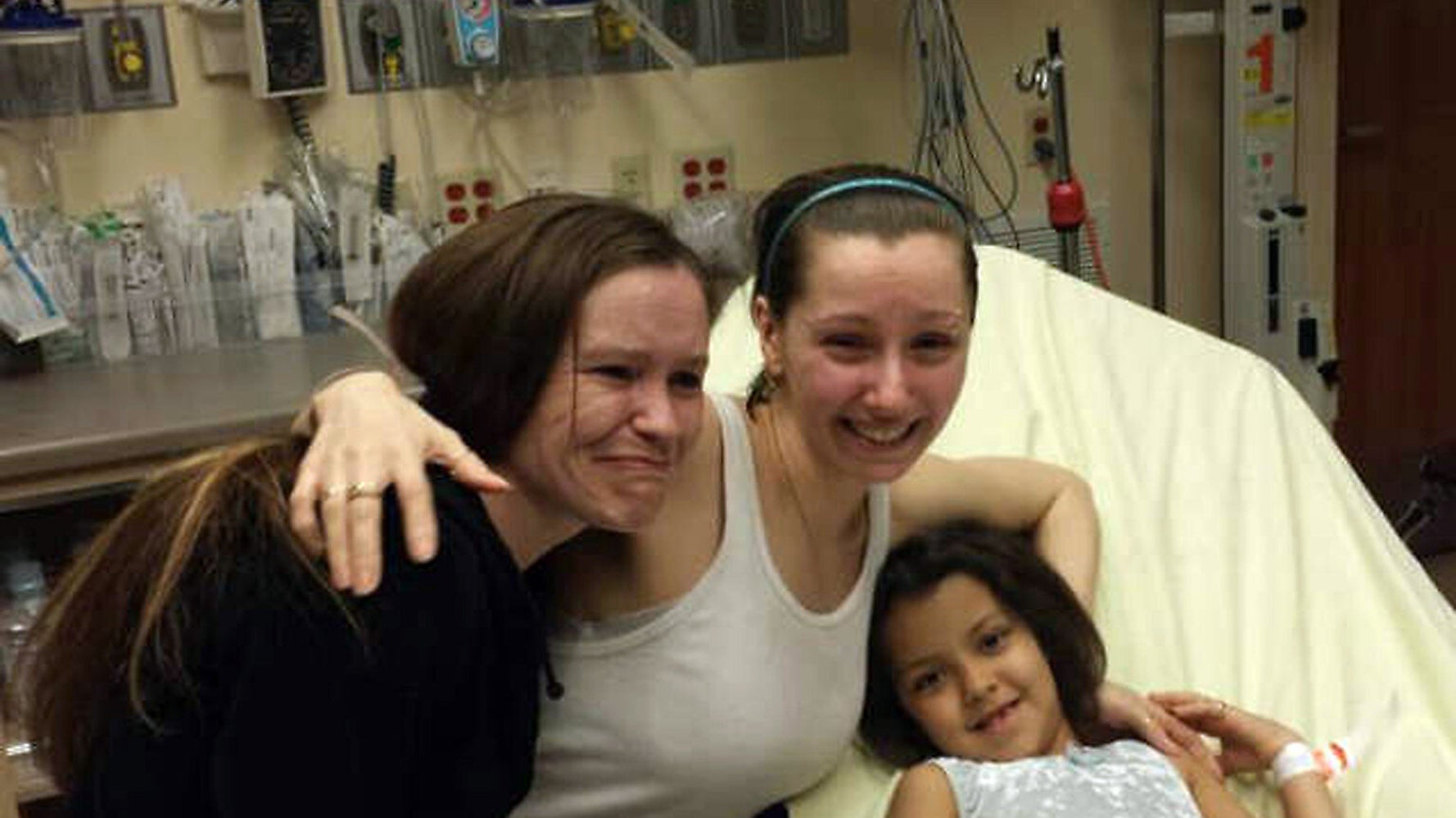
This moment of bravery did more than secure her own freedom; it alerted police to the presence of Knight and DeJesus, who were rescued shortly thereafter. The image of Berry being embraced by her sister at the hospital became an international symbol of hope.
Legal Proceedings and the Fate of Ariel Castro
The legal fallout was swift. Ariel Castro was charged with 977 counts, including kidnapping, rape, and aggravated murder (related to the forced miscarriages of Michelle Knight). To spare the victims the trauma of a prolonged trial and the necessity of testifying about their abuse, prosecutors reached a plea deal.
In August 2013, Castro was sentenced to life in prison plus 1,000 years without the possibility of parole. During the sentencing hearing, Amanda Berry and Gina DeJesus chose not to speak, but a powerful statement was read on behalf of the survivors. Castro’s tenure in the justice system was brief; he was found dead in his cell by suicide on September 3, 2013, just one month into his sentence.
The house on Seymour Avenue, which had become a symbol of horror, was demolished in August 2013 as part of the plea agreement. The site was later turned into a vacant lot, ensuring it would not become a macabre landmark.
Comparison of Captivity Timelines
The following table outlines the duration and dates of the three primary survivors' experiences within the Castro household, illustrating the sheer scale of the time lost.
| Survivor | Date of Abduction | Age at Abduction | Date of Rescue | Total Time in Captivity |
|---|---|---|---|---|
| Michelle Knight | August 23, 2002 | 21 | May 6, 2013 | 10 years, 8 months |
| Amanda Berry | April 21, 2003 | 16 | May 6, 2013 | 10 years, 1 month |
| Gina DeJesus | April 2, 2004 | 14 | May 6, 2013 | 9 years, 1 month |
| Jocelyn Berry | December 25, 2006 | Born in Captivity | May 6, 2013 | 6 years, 4 months |
Establishing Paternity and Jocelyn’s Transition
Following the rescue, a primary concern for investigators and the Berry family was the legal and biological status of Jocelyn. A DNA test conducted by the FBI quickly confirmed that Ariel Castro was indeed her biological father. This confirmation was necessary for legal records, though the Berry family made it clear that Jocelyn was to be raised entirely away from the Castro family's influence.
The transition to freedom for a six-year-old who had spent her entire life in a single house was a delicate process. Child psychologists and trauma specialists worked closely with Amanda to ensure Jocelyn’s privacy and mental well-being. Unlike her mother, Jocelyn had no memory of a world outside the Seymour Avenue house that didn't involve her father's control. Her integration into school and social circles was handled with extreme confidentiality to protect her from the media circus surrounding the case.
Life After the Case: Advocacy and Media
In the years following their rescue, Amanda Berry emerged as a resilient public figure and an advocate for the families of missing persons. By the mid-2010s, she began working with Fox 8 News in Cleveland, hosting a segment dedicated to highlighting missing people in the Ohio area. Her unique perspective allowed her to connect with families in a way few others could, turning her personal tragedy into a tool for community service.
By 2026, Amanda Berry has spent more time in freedom than she did in captivity. Her daughter, Jocelyn, now a young adult, has largely remained out of the public eye—a decision supported by her mother and the community. The bond between them, forged in the darkest of circumstances, has been described by those close to the family as unbreakable.
Amanda’s work continues to influence how "cold cases" are handled. Her survival served as a catalyst for law enforcement to rethink the assumption that long-term missing persons are necessarily deceased. The "Amanda Berry Case" is now studied in criminal justice programs as a prime example of the necessity of persistent investigation and the importance of public awareness.
Psychological Impact and the Path to Recovery
The recovery process for survivors of long-term captivity is non-linear. For Amanda Berry, the challenge was twofold: healing her own psychological wounds while raising a child who was a constant reminder of her captor. Research into "Stockholm Syndrome" and complex post-traumatic stress disorder (C-PTSD) often references this case to highlight the survival strategies victims employ.
Amanda has spoken about the importance of "reclaiming" her life. This included simple acts like celebrating birthdays, traveling, and reuniting with the extended family she was torn away from as a teenager. For Jocelyn, the focus was on building an identity independent of the "Cleveland Kidnappings" narrative. Reports over the years have indicated that she has excelled in her education and maintains a close relationship with Gina DeJesus and Michelle Knight, who remain a surrogate family to her.
Frequently Asked Questions
What happened to Amanda Berry’s daughter?
Jocelyn Berry has grown up in the Cleveland area under the care of her mother and maternal relatives. As of 2026, she is a young adult. The family has been very successful in maintaining her privacy, allowing her to attend school and pursue her interests away from the media spotlight. She remains close to her mother, and by all public accounts, she has transitioned well into a normal life.
Who is the father of Amanda Berry’s daughter?
DNA testing confirmed that Ariel Castro was the biological father of Jocelyn. This was a critical piece of evidence during the initial investigation. However, Amanda Berry has full legal custody, and the Castro family has had no involvement in her upbringing.
Did Amanda Berry write a book about her experience?
Yes. Amanda Berry and Gina DeJesus co-authored a memoir titled Hope: A Memoir of Survival in Cleveland, published in 2015. The book, written with the help of Pulitzer Prize-winning journalists Mary Jordan and Kevin Sullivan, provides a detailed account of their time in captivity, the birth of Jocelyn, and their eventual escape. It is considered a definitive account of the case.
Does Amanda Berry still work in the media?
Amanda Berry became a well-known figure on Cleveland’s Fox 8 News, where she worked on segments aimed at finding missing persons. Her involvement in the media has been focused on advocacy and helping other families navigate the trauma of having a missing loved one.
Where are the other survivors, Gina DeJesus and Michelle Knight?
Gina DeJesus also remains in the Cleveland area and has been active in advocacy through the Cleveland Family Center for Missing Children and Adults. Michelle Knight, who now goes by the name Lily Rose Lee, has become a motivational speaker and author, focusing on healing from abuse and finding joy after trauma. All three women have taken different paths toward healing but remain symbols of survival.
Practical Steps for Supporting Missing Persons Cases
If you are following a case or wish to support efforts related to missing persons—inspired by the work of survivors like Amanda Berry—consider the following actions:
- Utilize Official Resources: Always refer to the National Center for Missing & Exploited Children (NCMEC) or NamUs (National Missing and Unidentified Persons System) for verified information.
- Share Verified Information: When sharing missing person flyers on social media, ensure they are from law enforcement or reputable advocacy groups to avoid spreading outdated or incorrect data.
- Support Local Advocacy: Organizations like the Cleveland Family Center for Missing Children and Adults, co-founded by Gina DeJesus, provide direct support to families in crisis.
- Advocate for Policy Changes: Support legislation that provides more resources for cold case units and better training for law enforcement on how to handle long-term missing person reports.
The story of Amanda Berry and her daughter serves as a reminder that even in the most desperate circumstances, hope and the drive for freedom can prevail. Their lives in 2026 stand as a living rebuttal to the darkness they endured on Seymour Avenue.