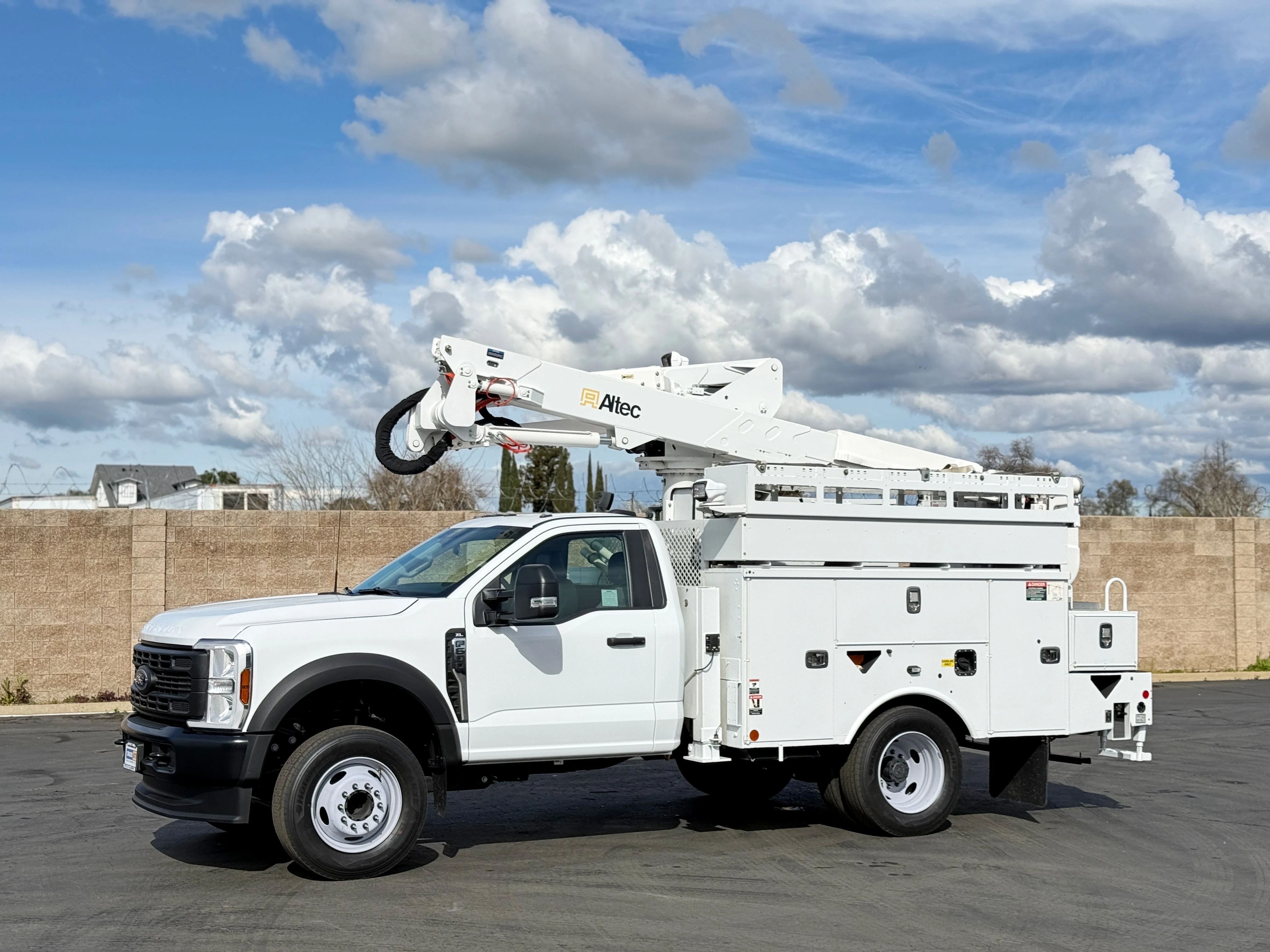
Altec, Inc., the parent company of Altec Industries, maintained its position as a dominant force in the utility equipment market in 2024, with estimated annual revenue ranging between $3.5 billion and $4.2 billion. As a private entity, Altec does not publicly disclose precise financial statements, but industry analysts and market evaluations indicate steady growth driven by heavy demand for grid modernization and telecommunications infrastructure.
Understanding Altec’s Market Position and Corporate Structure
To accurately analyze Altec’s revenue for 2024, one must first understand the company’s unique position within the global industrial landscape. Headquartered in Birmingham, Alabama, Altec has remained a privately held company since its founding in 1929. Under the leadership of CEO Lee Styslinger III, the organization has evolved from a regional equipment manufacturer into a global powerhouse providing products and services to the electric utility, telecommunications, forestry, and lights and signs markets.
Altec Industries is the primary manufacturing arm, but the organization’s total revenue is bolstered by a diverse ecosystem of subsidiaries. These include Altec Capital, which provides specialized financing; Altec Service, which manages a massive fleet of mobile service technicians; and Altec Worldwide, which handles international sales and support. This integrated model ensures that Altec captures value throughout the entire lifecycle of a vehicle—from initial engineering and manufacturing to financing and decades of field maintenance.
In 2024, Altec’s revenue was a reflection of its massive operational footprint, which includes multiple manufacturing facilities across the United States and Canada, as well as sales and service centers in over 100 countries. Because Altec is not subject to the quarterly reporting requirements of the SEC, financial figures are typically derived from industry benchmarks, government contract records, and workforce scaling data.
Estimating Altec Industry Revenue in 2024
The fiscal year 2024 represented a period of stabilization and strategic expansion for Altec. Following the supply chain disruptions that plagued the heavy equipment industry in the early 2020s, 2024 saw a more fluid movement of chassis and hydraulic components, allowing Altec to clear significant backlogs.
Revenue Tiers and Analyst Projections
While exact numbers remain proprietary, several reputable financial intelligence units, including Forbes and various industrial market research firms, placed Altec’s 2024 revenue in the top tier of private American companies. The estimated $3.5 billion to $4.2 billion range is supported by the following factors:
- Increased Unit Pricing: Like many heavy equipment manufacturers, Altec adjusted pricing in late 2023 and early 2024 to account for the rising costs of raw materials, specifically high-grade steel and advanced electronic components.
- Order Backlog Realization: Many of the units delivered in 2024 were ordered 12 to 18 months prior. The realization of these high-value sales contributed significantly to the year’s top-line growth.
- Expansion of Service Revenue: Altec has aggressively expanded its "Altec Service" division. Revenue from inspections, certifications, and repairs often carries higher margins than equipment sales and provides a stable, recurring income stream regardless of new equipment delivery speeds.
Key Financial Drivers in 2024
The primary engines of revenue for Altec in 2024 were the Electric Utility and Telecommunications sectors. The transition toward a more resilient power grid in North America necessitated the purchase of thousands of new aerial devices (bucket trucks) and digger derricks. Furthermore, the continued rollout of 5G infrastructure required smaller, more agile aerial units, a niche where Altec’s telescopic products perform exceptionally well.
| Segment | Estimated Revenue Contribution | Primary Equipment Driver |
|---|---|---|
| Electric Utility | 55% - 60% | Transmission and Distribution Aerials, Digger Derricks |
| Telecommunications | 20% - 25% | Cable Placers, Telescopic Aerial Devices |
| Forestry & Tree Care | 10% - 15% | Chipper Trucks, Overcenter Aerial Units |
| Lights, Signs & Others | 5% - 10% | Pressure Diggers, Crane Units |
Impact of Federal Infrastructure Policy on 2024 Earnings
A significant portion of Altec’s 2024 financial success can be traced back to the lagging effects of the Infrastructure Investment and Jobs Act (IIJA) in the United States. This legislation allocated billions of dollars toward grid reliability and broadband expansion. By 2024, these funds had moved through state and local agencies into the hands of utility contractors and cooperatives.
Grid Modernization
Utilities across North America were tasked with hardening the grid against extreme weather events. This required upgrading aging wooden poles with steel or composite alternatives and replacing miles of transmission lines. Altec, as a preferred vendor for major utility fleets, saw a surge in demand for high-reach transmission units and heavy-duty digger derricks capable of handling larger loads.
Broadband Expansion
The "Internet for All" initiative spurred massive investments in rural fiber optics. For Altec, this translated into increased sales of their specialized cable placing units and small bucket trucks. Because these projects often have strict deadlines tied to federal funding, many contractors opted for Altec’s "ready-to-work" stock units, which carry a premium price point, further boosting revenue.
Innovation and Product Development as Revenue Catalysts
Revenue in 2024 was not just about volume; it was also about the value-add of new technologies. Altec has invested heavily in green technology and digital integration, which allowed them to capture higher market share among environmentally conscious municipal fleets.
The JEMS (Jobsite Energy Management System)
Altec’s proprietary JEMS technology—an integrated plug-in hybrid system—became a major revenue driver in 2024. This system allows the aerial device to operate using battery power rather than idling the truck’s engine. As municipalities and large investor-owned utilities (IOUs) moved toward "Net Zero" goals, the demand for JEMS-equipped units grew. These units have a higher initial purchase price than standard diesel models, contributing to higher gross revenue per unit.
Altec Connect and Telematics
In 2024, Altec expanded its digital service offering, Altec Connect. This platform provides fleet managers with real-time data on equipment health, usage, and safety compliance. By shifting toward a "software-as-a-service" (SaaS) model for fleet management, Altec began layering higher-margin digital revenue on top of its traditional hardware sales.
Competitive Landscape and Market Share
In 2024, Altec faced stiff competition from other major players, most notably Terex Utilities and Versalift (Time Manufacturing Company). However, Altec maintained its market leadership through its vertical integration. Unlike competitors who often rely on third-party distributors for service, Altec’s factory-direct model allows them to capture the secondary revenue of parts and labor that competitors often lose.
Comparative Advantage
Altec’s ability to offer in-house financing through Altec Capital was particularly important in 2024 as interest rates remained elevated compared to the previous decade. By offering tailored lease and finance packages, Altec was able to close deals that might have otherwise stalled due to high borrowing costs at traditional banks. This synergy between the manufacturing and financial arms of the company is a critical component of their multi-billion dollar revenue profile.
Operational Challenges and Their Effect on Revenue
While revenue was strong, it is important to note the headwinds Altec navigated in 2024. The cost of goods sold (COGS) remained high due to labor shortages in the manufacturing sector. To meet production targets, Altec had to invest significantly in workforce development and automation within its factories.
Additionally, the "chassis bottleneck" continued to be a factor. Even if Altec could manufacture the lift mechanism (the "upfit"), they were dependent on OEMs like Freightliner, International, and Ford to deliver the truck chassis. Any delay in chassis delivery meant a delay in revenue recognition, as a unit cannot be fully invoiced until it is completed and ready for delivery.
Global Reach: Altec Worldwide in 2024
While the domestic US market accounts for the majority of Altec’s income, the Altec Worldwide division saw notable growth in 2024, particularly in the Middle East and Southeast Asia. Infrastructure projects in these regions, focused on urban expansion and telecommunications, provided a hedge against any potential cooling in the North American market. Altec’s ability to provide localized support in international markets remains a key differentiator that protects its global revenue base.
Conclusion and Future Outlook
Altec’s performance in 2024 solidified its status as an "essential" manufacturer for the modern economy. By aligning its product roadmap with federal infrastructure goals and the global shift toward electrification, the company ensured that its revenue remained robust despite broader economic uncertainties.
As we look at the figures from the vantage point of 2026, it is clear that 2024 was a pivotal year where Altec transitioned from managing post-pandemic recovery to driving the next generation of utility technology. Their estimated $3.5B to $4.2B revenue was not just a result of equipment sales, but a testament to a diversified business model that prioritizes long-term service and customer relationships.
Frequently Asked Questions (FAQs)
What is the primary source of Altec’s revenue? Altec's primary revenue source is the manufacture and sale of aerial devices (bucket trucks), digger derricks, and cranes for the utility and telecommunications industries. This is supplemented by significant income from Altec Capital (financing) and Altec Service (maintenance and parts).
Is Altec a publicly traded company? No, Altec is a privately held company. It has been owned and operated by the Styslinger family since its inception in 1929. Because it is private, it is not required to disclose its exact revenue or profit margins to the public.
How many people does Altec employ? As of 2024, Altec employed approximately 6,000 to 7,000 people globally. The company’s large workforce is a primary indicator of its high revenue, as it requires a massive team to manage manufacturing, sales, and field service across multiple continents.
Where are Altec’s products manufactured? Altec has major manufacturing facilities in Birmingham, Alabama; Creedmoor, North Carolina; Duluth, Minnesota; St. Joseph, Missouri; and Elizabethtown, Kentucky, among others. They also have international manufacturing and assembly operations to support global markets.
Did Altec’s revenue grow in 2024 compared to previous years? Yes, evidence suggests that Altec’s revenue grew in 2024. This growth was driven by a combination of price adjustments, the resolution of supply chain backlogs, and a surge in demand for infrastructure equipment funded by federal grants and grid modernization projects.
What is Altec Capital's role in the company's revenue? Altec Capital acts as the financial arm, providing equipment leasing, financing, and fleet management solutions. It contributes to total revenue by generating interest income and fees, while also making it easier for customers to purchase Altec equipment, thereby driving manufacturing sales.
Practical Recommendation
For organizations looking to partner with or purchase from Altec, it is advisable to leverage Altec Capital for specialized financing that understands the depreciation cycles of utility equipment. Additionally, given the high demand reflected in their 2024 revenue, fleet managers should engage in "advanced ordering" cycles (12–24 months in advance) to ensure equipment availability for future projects, as lead times for specialized units remain significant.