The state of Oklahoma, through regulatory actions and class-action litigation, has challenged Allstate for systematically underpaying auto insurance claims involving hail and wind damage. The primary issue centers on the illegal depreciation of labor costs when calculating Actual Cash Value (ACV) payments, which unfairly reduces the compensation provided to policyholders for vehicle repairs.
The Core of the Legal Dispute: Labor Depreciation Explained
The legal friction between Oklahoma policyholders and Allstate Fire and Casualty Insurance Company fundamentally arises from how the insurer calculates the value of a claim after a vehicle is damaged by Oklahoma’s frequent and severe weather events. In the insurance industry, two primary methods of valuation exist: Replacement Cost Value (RCV) and Actual Cash Value (ACV). Most standard auto policies are ACV-based, meaning the insurer pays what the car (or the repair) is worth at the time of the loss, minus depreciation.
However, a significant legal controversy emerged regarding whether an insurance company can depreciate the cost of labor. While it is ethically and legally accepted that physical materials—such as a new car hood or windshield—depreciate as they age, labor does not "wear out." Labor is a fixed cost of repair. By applying depreciation percentages to the labor portion of an estimate, Allstate was able to significantly lower the total payout to the consumer.
In Oklahoma, this practice has been deemed a violation of the consumer's right to be "made whole" under the terms of their policy. The lawsuits allege that Allstate’s software and internal claims-handling guidelines were specifically programmed to apply these deductions automatically, often without the policyholder's knowledge. For an individual, the difference might be a few hundred dollars; for Allstate, across thousands of Oklahoma hail claims, the savings amounted to millions.
Legal Precedents and Oklahoma’s Stance on Insurance Payouts
Oklahoma has long been a battleground for insurance "labor depreciation" cases. The state’s judicial system has been relatively consistent in protecting consumers from what it deems "hidden" depreciation. The landmark rulings that paved the way for the specific actions against Allstate established that if an insurance policy does not explicitly and clearly define labor as a depreciable expense, the insurer cannot treat it as such.
The Oklahoma Insurance Department (OID) and state courts have emphasized that insurance contracts are "contracts of adhesion." This means that because the insurer writes the contract and the consumer has no power to negotiate the terms, any ambiguity in the language must be interpreted in favor of the policyholder. Allstate’s policies were found to be sufficiently ambiguous—or entirely silent—on the depreciation of labor, leading to the conclusion that their underpayment was a breach of contract and a violation of the duty of good faith and fair dealing.
By 2026, the legal landscape has solidified around the "Redeemed Policyholder" doctrine. This ensures that when a severe storm hits—like the historic hail sequences seen in the mid-2020s—insurers are held to a strict standard of transparency. The litigation against Allstate serves as a deterrent to other carriers who might attempt to use similar accounting maneuvers to offset the rising costs of climate-related claims.
How Underpayment Occurs in Auto Hail and Wind Claims
To understand the scope of the lawsuit, one must look at the technical process of an auto insurance claim for hail damage. When a car is peppered by hail, the damage is often widespread across every upward-facing panel.
The Role of Paintless Dent Repair (PDR)
The most common method for fixing hail damage is Paintless Dent Repair (PDR). This technique involves specialized tools used to "massage" the metal back into its original shape from the underside of the panel. Because PDR is almost entirely labor-intensive—requiring very few materials—applying depreciation to these claims is particularly damaging to the consumer. If Allstate depreciates a $3,000 PDR estimate by 20% based on the vehicle’s age, the policyholder loses $600 on a service that has no material components to depreciate.
Miscalculating Actual Cash Value (ACV)
Beyond labor depreciation, the lawsuit also addresses the systematic undervaluation of vehicles that are declared a "total loss" after a wind or hail event. Allstate has been accused of using biased third-party data to determine the ACV of a vehicle. By comparing a policyholder’s car to "comparable" vehicles that are in worse condition or located in different geographic markets, the insurer can lower the baseline value, thereby reducing the final payout.
Software Limitations and "Xactimate" Style Adjustments
Insurers use complex estimating software to determine repair costs. The legal actions highlight that Allstate allegedly adjusted the settings within these programs to default to the lowest possible labor rates and the highest possible depreciation scales allowed by the software, regardless of whether those scales complied with Oklahoma state law.
Comparative Breakdown of Claim Calculation Methods
The following table illustrates the difference between Allstate’s contested "Depreciated Labor" method and the "Standard Fair Payout" method required by Oklahoma law.
| Component of Claim | Replacement Cost | Allstate's Contested ACV Method | Oklahoma Required ACV Method |
|---|---|---|---|
| Parts/Materials | $2,000 | $1,600 (20% Depreciation) | $1,600 (20% Depreciation) |
| Labor (PDR/Body) | $3,000 | $2,400 (20% Depreciation) | $3,000 (No Depreciation) |
| Paint & Supplies | $500 | $400 (20% Depreciation) | $400 (20% Depreciation) |
| Total Payout | $5,500 | $4,400 | $5,000 |
| Difference | N/A | -$1,100 | -$500 |
As shown, the inclusion of labor depreciation results in a significant "underpayment gap." In this example, the policyholder is deprived of an additional $600 simply because the insurer treated a service (labor) as a physical asset that loses value over time.
What This Means for Oklahoma Drivers in 2026
If you were an Allstate policyholder in Oklahoma who filed a claim for hail or wind damage to your vehicle between 2018 and 2025, you may be part of a class-action settlement or eligible for a supplemental payment. By 2026, the Oklahoma Insurance Department has mandated that Allstate review past claims that fall under these specific criteria.
The impact of this lawsuit extends beyond just a refund check. It has forced a change in how auto insurance is sold in the state. New regulations now require insurers to provide a "Disclosure of Depreciation" form. This document must explicitly state whether the company intends to depreciate labor costs. If the insurer chooses to do so, they must offer a "Labor Depreciation Endorsement" that allows the consumer to opt-out of that practice for an additional premium.
Furthermore, the settlement has funded an increase in the number of state adjusters who perform "market conduct exams." These exams are deep-dive audits of insurance companies to ensure they are not reverting to predatory math in the wake of major catastrophes.
Steps to Take if You Suspect an Underpaid Claim
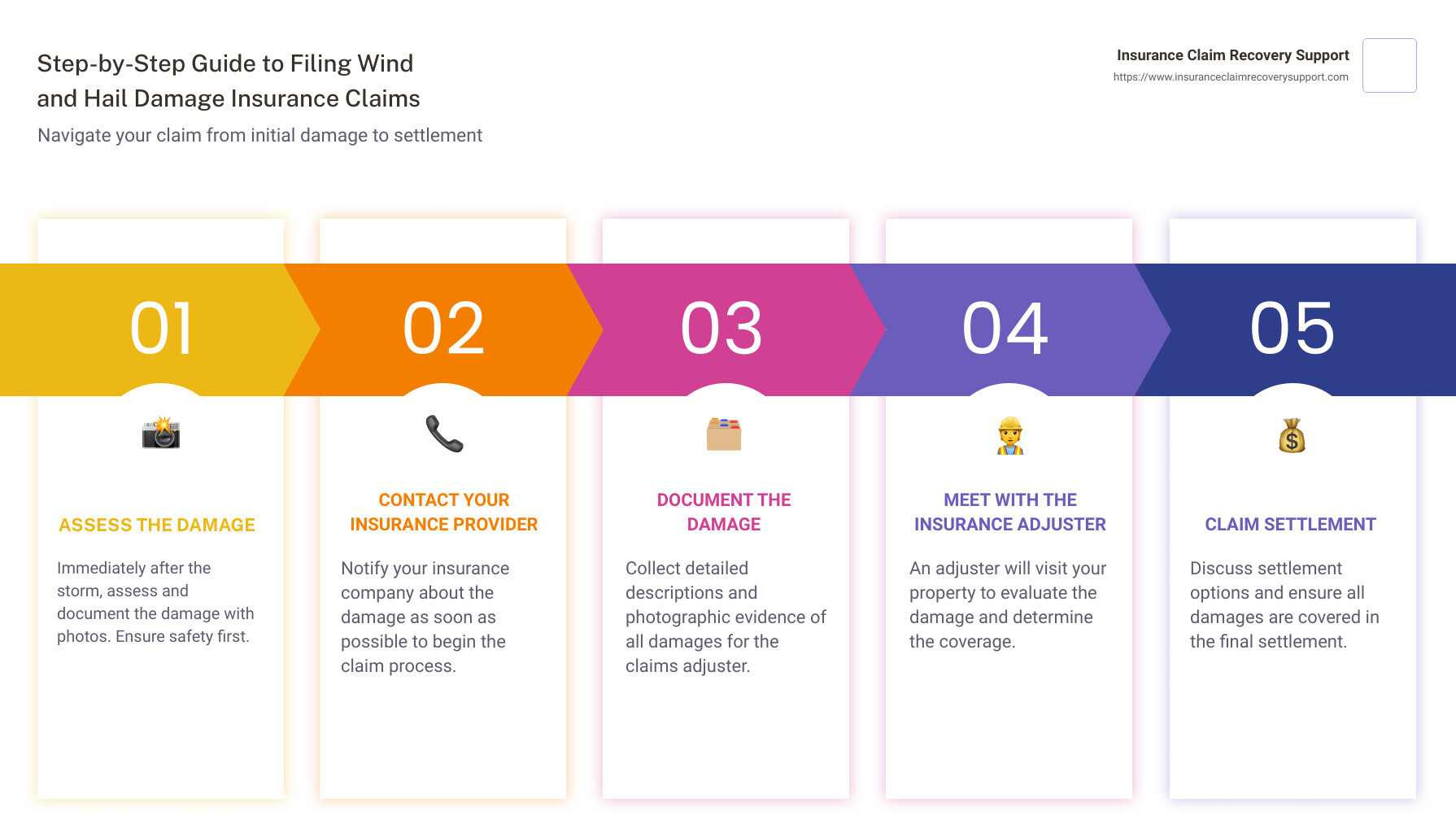
For those who believe they were victims of Allstate’s underpayment practices, there are specific actions to take to verify and potentially recover funds.
- Request Your Claim File: You have a legal right to the "Loss Valuation Report" and the "Line Item Estimate" for your claim. Look specifically for any line items labeled "Depreciation" or "Applied Depreciation" next to labor charges.
- Compare Estimates: If you had a private body shop provide an estimate that was significantly higher than Allstate’s, look for where the discrepancies lie. Often, Allstate will use "prevailing competitive labor rates" that are lower than what shops actually charge, which is another form of underpayment.
- Check for "Labor Depreciation" Language: Review your policy declarations page. In Oklahoma, if the word "Labor" does not appear in the definition of "Depreciation," the insurer likely had no right to deduct it.
- Contact the Oklahoma Insurance Department: The OID has a specific portal for hail and wind claim disputes. Filing a formal complaint triggers a regulatory review of your specific file.
- Consult Legal Counsel: If your claim was substantial (e.g., a high-value vehicle or a total loss), a consumer protection attorney specializing in insurance "bad faith" can help determine if you are eligible for punitive damages beyond just the unpaid portion of the claim.
Broader Implications for the Insurance Industry
The "Oklahoma vs. Allstate" conflict is a microcosm of a national debate regarding insurance affordability and corporate responsibility. As climate change increases the frequency of "billion-dollar disasters"—especially in the form of convective storms and hail in the Great Plains—insurers are searching for ways to maintain profitability.
However, the Oklahoma courts have signaled that profitability cannot come at the expense of contractual integrity. The precedent set here is being watched by other states like Arkansas, Texas, and Kansas, which face similar weather patterns. If Allstate is forced to pay out hundreds of millions in Oklahoma, it may lead to a nationwide shift where labor depreciation is banned entirely in the auto insurance sector.
Frequently Asked Questions
Is it legal for insurance companies to depreciate labor in Oklahoma?
As of 2026, it is generally considered illegal in Oklahoma unless the policy contains highly specific, unambiguous language that the consumer has explicitly agreed to. Most standard policies do not meet this threshold, and recent court rulings have consistently sided with policyholders against labor depreciation.
How do I know if Allstate underpaid my hail claim?
Look at your itemized repair estimate provided by the insurance adjuster. If there is a "Depreciation" column and there are dollar amounts subtracted from "Labor" or "PDR" line items, your claim was likely underpaid under the standards established by recent litigation.
Does this lawsuit apply to homeowners insurance too?
While this specific focus is on auto insurance, the legal theory is the same. Allstate and other insurers have faced similar lawsuits regarding roof repairs in homeowners insurance. If labor was depreciated on a roof replacement, the same Oklahoma legal protections generally apply.
Will my premiums go up because of this lawsuit?
Insurance premiums are based on regional risk and the cost of claims. While large settlements can impact an insurer's bottom line, the Oklahoma Insurance Department monitors rate hikes to ensure they are actuarially justified and not simply a way for the insurer to "pass the bill" for their own legal losses.
What is "Bad Faith" in insurance?
"Bad faith" occurs when an insurance company intentionally avoids its contractual obligations. In the case of Allstate in Oklahoma, the systematic use of labor depreciation—despite legal warnings—could be viewed as bad faith, potentially entitling policyholders to damages exceeding the original claim amount.
Recommendation for Policyholders
In light of the ongoing legal scrutiny of Allstate in Oklahoma, the best course of action for vehicle owners is to conduct a comprehensive claim audit. Do not assume that the check you received for hail damage was calculated correctly. By reviewing your itemized estimates and comparing them against the standards of the Oklahoma Insurance Department, you can ensure that you receive every dollar required to restore your vehicle to its pre-storm condition. If you find evidence of labor depreciation, join the existing class-action registry or file a formal dispute immediately to preserve your rights.