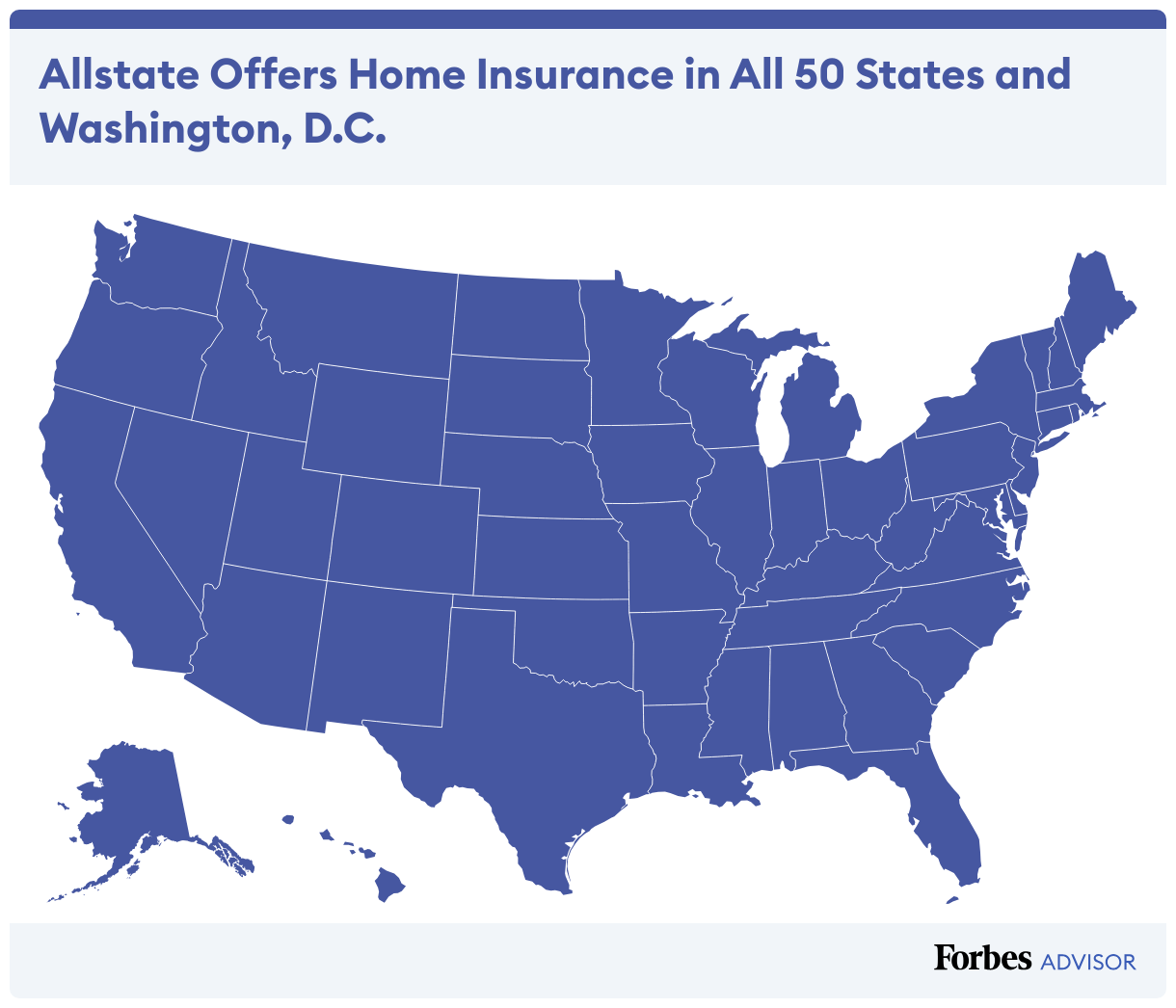
To obtain an Allstate homeowners insurance quote in 2026, visit the Allstate official website, contact a local agent, or use the Allstate mobile app. You must provide your property address, home construction details, and personal information. Allstate’s quoting system evaluates your dwelling, personal property, and liability needs to provide a customized premium estimate.
Homeowners insurance is a critical component of financial planning and property protection. As one of the largest insurers in the United States, Allstate offers a robust framework for securing your residence against unforeseen perils. Navigating the quote process requires an understanding of what the policy covers, the information you need to provide, and the specific factors that influence the final price. This guide provides a detailed walkthrough of the Allstate homeowners insurance quote process, ensuring you can secure the best possible coverage for your needs in 2026.
Understanding the Components of an Allstate Homeowners Quote
Before initiating a quote, it is essential to understand the different layers of protection Allstate typically includes in a standard homeowners policy. Allstate does not provide a one-size-fits-all product; instead, they offer a modular approach where you can adjust limits and add endorsements.
Dwelling Protection
Dwelling protection is the foundation of your quote. It covers the structure of your home, including the walls, roof, and floors. In 2026, Allstate focuses heavily on replacement cost value rather than market value. This is a crucial distinction: while your home might sell for $400,000 on the real estate market, the cost to rebuild it using current labor and material rates might be $500,000. Your Allstate quote will prioritize the latter to ensure you are not underinsured after a total loss.
Other Structures Protection
This component covers buildings on your property that are not attached to your main house. This includes detached garages, sheds, gazebos, and even fences. Typically, Allstate sets the limit for other structures at 10% of your dwelling coverage, though this can be increased if you have significant external assets, such as a high-end guest house or a secondary workshop.
Personal Property Coverage
Your belongings—furniture, electronics, clothing, and appliances—are covered under personal property protection. During the quoting process, you will decide between Actual Cash Value (ACV) and Reimbursement Provision (Replacement Cost). ACV takes depreciation into account, meaning an older laptop would only be covered for its current used value. Replacement cost coverage, which usually results in a slightly higher quote, provides the funds to buy a new version of the item at current market prices.
Liability and Medical Payments
Liability coverage protects you if someone is injured on your property or if you accidentally damage someone else’s property. It covers legal fees and settlements. Medical payments coverage is a smaller limit intended for minor injuries sustained by guests, regardless of who was at fault. In 2026, with rising litigation and medical costs, Allstate often recommends higher liability limits than the standard $100,000 minimum.
Information Required for an Accurate Quote
To receive an accurate quote from Allstate, you must have specific data points ready. The more precise the information, the less likely the premium will change during the final underwriting process.
- Property Address and Type: You must specify if the home is a single-family residence, a condo, a townhome, or a manufactured home. The location is the primary driver of the quote due to regional risks like wildfires, hurricanes, or hail.
- Construction Details: Allstate will ask for the year the home was built, the total square footage, the number of stories, and the type of construction (e.g., wood frame, brick, or masonry).
- Roof Information: The age and material of your roof are vital. A roof nearing the end of its lifespan or one made of traditional wood shingles may result in a higher quote or limited coverage compared to a new, impact-resistant asphalt or metal roof.
- Major Systems Updates: You should know the years your plumbing, electrical, and HVAC systems were last updated. Modern systems reduce the risk of fire and water damage, which can significantly lower your quoted premium.
- Safety and Security Features: Does the home have a smoke detector, a burglar alarm, or a fire sprinkler system? Are these systems monitored by a third party? Such features often trigger significant discounts.
- Personal Information: You will need to provide the names of all residents, your claims history (typically for the last five years), and in most states, your Social Security number to allow for a credit-based insurance score check.
The Allstate Quoting Process: Step-by-Step
Navigating the Allstate quote engine is designed to be user-friendly, but understanding the steps helps avoid common errors.
Step 1: Initial Data Entry
Start at the Allstate website or mobile app and select "Home Insurance." You will enter your ZIP code to be directed to the specific underwriting rules for your state. Once you enter your address, Allstate’s system often pulls public records to pre-fill information about your home’s square footage and construction year. Always verify this pre-filled data, as inaccuracies can lead to incorrect pricing.
Step 2: Customizing Coverage Limits
After the basic property info is processed, you will reach the coverage customization screen. Here, you can adjust your deductibles. A higher deductible (e.g., $2,500 instead of $1,000) will lower your annual premium but increase your out-of-pocket costs during a claim. You can also toggle optional coverages like Water Back-up (for sump pump failures) or Identity Restoration services.
Step 3: Assessing Add-ons and Endorsements
Allstate offers unique endorsements that you should consider during the quote phase:
- HostAdvantage: Essential if you rent out your home on platforms like Airbnb or Vrbo.
- Green Improvement Reimbursement: Provides extra funds to replace damaged appliances or materials with more energy-efficient, "green" versions.
- Scheduled Personal Property: If you own high-value items like engagement rings or fine art, a standard policy has "sub-limits" (often $1,000–$2,500). Scheduling these items ensures they are covered for their full appraised value.
Step 4: Applying Discounts
The quote engine will automatically look for some discounts, but you should manually verify others. Common Allstate discounts in 2026 include:
- Multi-Policy Discount: Bundling home and auto is the most effective way to lower an Allstate quote.
- Early Signing Discount: Getting a quote and signing the policy at least seven days before the current one expires can trigger a discount.
- Welcome Discount: New customers often receive a percentage off their first year of coverage.
- Claims-Free Discount: If you haven't filed a home insurance claim in a specific period (usually 3–5 years), your rate will be lower.
Step 5: Final Review and Underwriting
Once you are satisfied with the price and coverage, you can "bind" the policy. Allstate may send an inspector to your home within the first 30 to 60 days to verify the information provided in the quote. If the inspector finds the roof is in worse condition than reported or the square footage is larger, the premium may be adjusted.
Comparison of Allstate Coverage Tiers
Allstate policies are highly customizable, but they generally fall into levels of protection. The table below illustrates how different quote levels might look for a standard $350,000 home.
| Coverage Component | Basic/Economy Quote | Standard/Preferred Quote | Premium/Comprehensive Quote |
|---|---|---|---|
| Dwelling Limit | $350,000 (ACV) | $350,000 (Replacement Cost) | $350,000 + 25% Extended Replacement |
| Deductible | $2,500 or higher | $1,000 - $1,500 | $500 - $1,000 |
| Personal Property | Actual Cash Value | Replacement Cost | Replacement Cost + Scheduled Items |
| Liability Limit | $100,000 | $300,000 | $500,000+ |
| Water Back-up | Not Included | Included ($5,000 limit) | Included ($10,000+ limit) |
| Identity Protection | No | Optional Add-on | Included |
Factors That Influence Your Allstate Quote in 2026
Several external and internal factors dictate the final number on your insurance quote. In 2026, these factors are more dynamic due to economic shifts and technological advancements in risk assessment.
Geographic Risk and Climate Data
Allstate uses advanced modeling to predict risks. If you live in an area prone to wildfires, Allstate may look at your "defensible space"—the area around your home cleared of flammable vegetation. In coastal regions, your quote will be heavily influenced by your proximity to the shoreline and your home's elevation. Allstate may also require a separate windstorm or hail deductible in certain states.
Credit-Based Insurance Scores
In most states, insurance companies use a version of your credit score to determine how likely you are to file a claim. A higher credit score generally leads to a lower Allstate quote. If you have been working to improve your credit, it is beneficial to request a quote refresh, as it could result in lower premiums.
Home Age and Condition
An older home with original wiring or plumbing is viewed as a higher risk for fire and water damage. In 2026, Allstate places a premium on homes that have been "hardened" against disasters. This includes things like storm shutters, reinforced garage doors, and smart home water leak detectors. Installing a smart water shut-off valve can often pay for itself through quote discounts within a few years.
Claim History (The CLUE Report)
Allstate, like most insurers, accesses the Comprehensive Loss Underwriting Exchange (CLUE) report. This report lists all claims associated with you as an individual and with the specific property address over the last seven years. Even if you didn't own the home when a claim was made, the property's history can affect your quote because it indicates a recurring risk (e.g., repeated basement flooding).
Common Mistakes to Avoid When Getting a Quote
To ensure you get the best value and appropriate protection, avoid these frequent errors during the quoting process:
- Underestimating Rebuilding Costs: Do not base your dwelling coverage on your tax assessment or what you paid for the house. In 2026, construction costs remain volatile. Always lean toward a higher replacement cost estimate.
- Choosing the Lowest Liability: While it saves a few dollars a month, the difference between $100,000 and $500,000 in liability coverage is usually minimal in premium cost but massive in financial protection.
- Ignoring the Deductible Structure: Some policies have a flat deductible for fire, but a percentage-based deductible for wind/hail. A 2% deductible on a $500,000 home is $10,000. Ensure you can afford your deductible if a disaster strikes.
- Failing to Disclose Home Businesses: If you run a business from home, your standard homeowners quote may not cover your business equipment or liability. You may need a home-based business endorsement.
- Forgetting "Attractive Nuisances": If you have a swimming pool, trampoline, or a specific breed of dog, you must disclose it. Failure to do so can lead to a denied claim or policy cancellation.
Frequently Asked Questions
What information do I need for an Allstate quote?
You need your property address, your home's construction details (age, roof type, square footage), information on any major updates to systems like plumbing or electric, and your personal details, including your claims history. Having a copy of your current policy's "Declarations Page" is helpful for comparing coverage limits.
Does Allstate offer a discount for bundling?
Yes, the "Multi-Policy Discount" is one of the most significant ways to save. By bundling your homeowners insurance with auto, life, or umbrella insurance, you can often save up to 25% across your total premiums. This also simplifies your finances by putting your policies under one account.
How long does it take to get a quote?
An online quote through Allstate typically takes 5 to 15 minutes if you have all the property information ready. If you speak with an agent, it may take longer as they conduct a more thorough interview to ensure all possible discounts are applied and coverage gaps are addressed.
Can I get an Allstate quote for a home I am still buying?
Absolutely. Most lenders require proof of insurance before closing. You can get a quote using the address of the home you intend to buy. Once you have the quote, you can provide the Allstate agent's contact info to your mortgage lender to coordinate the escrow of your insurance payments.
Why did my Allstate quote change after I submitted it?
A quote is an estimate. The price can change after Allstate runs a formal credit check and a CLUE report (claims history). Additionally, if an on-site inspection reveals that the home’s condition or features differ from what was reported during the initial quote, the premium will be adjusted to reflect the actual risk.
Final Recommendation for 2026 Homeowners
When seeking an Allstate homeowners insurance quote in 2026, the most effective strategy is to combine digital tools with professional advice. Use the online quote engine to establish a baseline and explore different deductible levels. Once you have a preliminary figure, contact a local Allstate agent to review the quote. Agents can often identify specific local discounts or specialized endorsements—such as those for local weather patterns or specific neighborhood risks—that the automated system might overlook. Always prioritize "Replacement Cost" coverage for both your dwelling and personal property to ensure your financial stability in the event of a total loss.