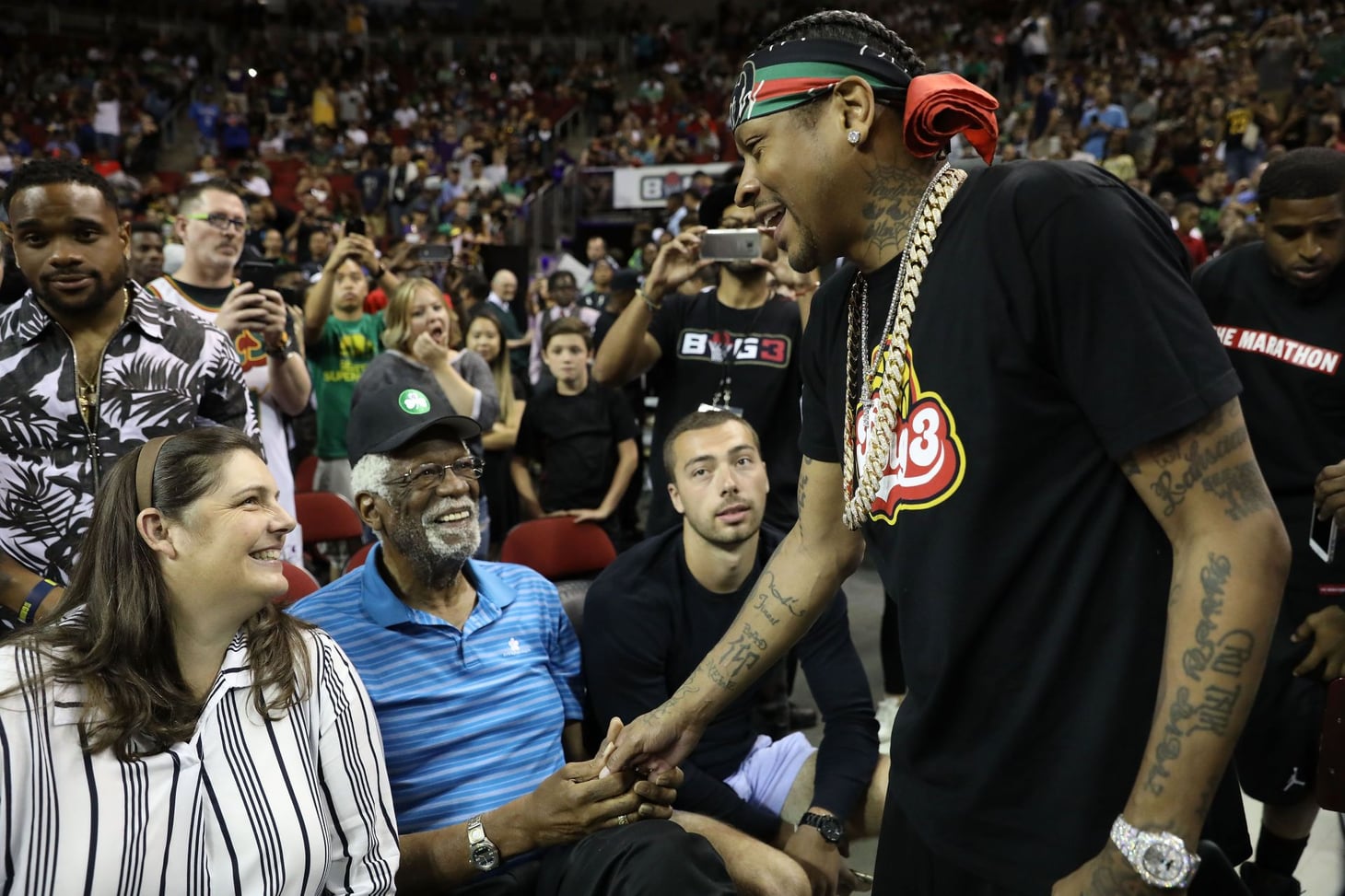
As of 2026, Allen Iverson’s net worth is estimated to be approximately $1 million, though this figure is deceptive due to a unique $32 million trust fund set up through his lifetime contract with Reebok. While he faced significant liquidity crises and legal battles over the last two decades, his financial "fall" was mitigated by a strategic deferred compensation agreement that ensures his long-term survival.
The story of Allen Iverson, known globally as "The Answer," is one of the most polarizing narratives in professional sports history. It is a tale of unprecedented cultural influence, staggering wealth, and a subsequent financial decline that has become a cautionary tale for athletes across all disciplines. Iverson didn’t just play basketball; he changed the DNA of the NBA, bringing hip-hop culture to the hardwood and challenging the league’s corporate image. However, the same "keep it real" mentality that made him an icon also contributed to a financial trajectory that saw hundreds of millions of dollars vanish through a combination of extreme generosity, lifestyle inflation, and legal complications.
Understanding the current state of Iverson’s finances requires looking past the sensationalist headlines of "bankruptcy" to examine the structural reality of his assets, his remaining endorsement deals, and the lessons learned from one of the most high-profile financial shifts in sports.
The Peak: NBA Earnings and Global Stardom
At the height of his powers in the early 2000s, Allen Iverson was one of the highest-paid human beings on the planet. His NBA salary alone tells only half the story. Over the course of his 14-season career, Iverson earned approximately $154.5 million in cumulative salary. His peak earning years with the Philadelphia 76ers saw him taking home upwards of $13 million to $20 million annually, a figure that would be significantly higher if adjusted for today’s NBA salary cap.
However, the "Iverson Brand" was worth far more than his player contract. In 2001, following his MVP season and a trip to the NBA Finals, Iverson signed a lifetime endorsement deal with Reebok. This wasn’t a standard shoe deal; it was a partnership that guaranteed him $800,000 annually for life and established a $32 million trust fund.
During this period, Iverson was a marketing juggernaut. He was the face of a generation, influencing everything from the clothes fans wore to the way they played the game. This influx of cash created an aura of invincibility. For a young man coming from a background of significant poverty in Newport News, Virginia, the sudden access to nine-figure wealth felt infinite. This perception of infinity is often the first step in the financial decline of superstar athletes.
The Anatomy of the Fall: Where the Money Went
The "fall" of Allen Iverson was not a result of a single bad investment or a gambling addiction, as is often the case with other celebrities. Instead, it was a slow "bleed" caused by a lifestyle that was fundamentally unsustainable.
The Entourage and Generosity
Iverson was famous for his loyalty. He reportedly traveled with an entourage of up to 50 people at times, paying for their travel, housing, and living expenses. This "no man left behind" philosophy meant that Iverson wasn't just supporting himself; he was essentially funding a small village. Friends and family members were given expensive cars, jewelry, and cash stipends. While culturally admirable to many, from a wealth-management perspective, this was a catastrophic drain on his liquid capital.
Lifestyle and Consumer Spending
Iverson’s monthly expenses during his peak were staggering. Court documents from his 2012 divorce proceedings revealed a glimpse into his spending habits. At a time when he was no longer receiving an NBA paycheck, his monthly expenses were reportedly over $360,000. This included:
- $125,000 paid toward various creditors and mortgages.
- $10,000 on clothes.
- $10,000 on restaurants and entertainment.
- $10,000 on groceries and household items.
The disconnect between his diminishing income and his static, high-end lifestyle created a massive deficit. When the NBA checks stopped coming in after his final stint in 2010, the "burn rate" of his cash reserves accelerated.
Legal Struggles and Divorce
Legal issues further eroded his net worth. Iverson faced numerous lawsuits over the years, ranging from jewelry debt to incidents involving his security team. However, the most financially significant event was his divorce from Tawanna Turner in 2013. The settlement was not just a division of current assets; it also impacted his future safety net. As part of the divorce agreement, it was revealed that Tawanna would receive half of the $32 million Reebok trust fund when it matures.
The Reebok Trust: A Financial Safety Net
The only reason Allen Iverson is not in a state of absolute destitution today is the foresight of the executives at Reebok and his advisors in 2001. They structured a deal that protected Iverson from himself.
The $32 million trust fund was designed to be inaccessible until Iverson turns 55. In 2026, Iverson is 51 years old, meaning he is just four years away from the maturity of this fund. However, as per the divorce settlement, Iverson will only receive roughly $16 million of that total, with the other half going to his ex-wife.
While $16 million is a far cry from the $150 million+ he earned in salary, it represents a definitive "floor" for his net worth. Additionally, the $800,000 annual payment he receives from Reebok provides a steady, albeit modest (by superstar standards), income that prevents total financial collapse.
Comparative Financial Summary: Then vs. Now
| Financial Metric | Peak Career (Circa 2005) | Current Status (2026) |
|---|---|---|
| Annual NBA Salary | $16.4 Million | $0 |
| Annual Endorsements | $10M - $15M | $800,000 (Reebok) |
| Primary Asset Value | ~$50M (Real Estate/Cash) | ~$1M (Estimated Liquidity) |
| Trust Fund Status | Growing / Inaccessible | ~$32M (Maturing 2030) |
| Monthly Burn Rate | $300,000+ | Estimated $30,000 - $50,000 |
| Debt Level | Low | Managed / Settled |
The "Broke" Narrative: Fact vs. Fiction
In 2012, a legendary story emerged from a courtroom where Iverson reportedly pulled out his empty pockets and shouted, "I don't even have money for a cheeseburger!" This moment became the definitive image of his financial ruin. However, context is vital. While Iverson may have had a liquidity crisis—meaning he lacked immediate cash on hand due to frozen accounts or poor cash flow management—he was never "broke" in the sense of having zero assets.
His wealth is "trapped" in the trust fund. This is a common phenomenon for high-net-worth individuals who have poorly managed liquid assets but strong deferred assets. By 2026, Iverson has largely stabilized his life. He remains a brand ambassador for the 76ers and participates in various legends’ events and business ventures, including his foray into the cannabis industry through partnerships like "Al Harrington’s Viola Brands." These ventures provide additional income streams that supplement his Reebok stipend.
Lessons in Wealth Management for Professional Athletes
The fall of Allen Iverson serves as a primary case study in financial literacy courses for incoming NBA rookies. His trajectory highlights several critical "red flags" in wealth management:
- The Danger of the "Burn Rate": Many athletes believe their income will stay at peak levels forever. Iverson’s failure to adjust his spending when his career slowed down is the most common cause of athlete bankruptcy.
- Entourage Management: Providing for a large group of people is mathematically impossible over the long term without a massive, self-sustaining investment portfolio.
- The Importance of Deferred Compensation: The Reebok trust fund is the "hero" of this story. Without it, Iverson would likely be facing severe poverty. This underscores the value of locking money away in instruments that cannot be touched during the impulsive years of youth.
- Tax and Legal Oversight: High-profile stars are targets for litigation. Constant legal battles act as a "tax" on wealth that can drain millions over a decade.
The Current Landscape: Allen Iverson in 2026
Today, Iverson’s lifestyle is significantly more modest than it was in 2005, but he remains a respected elder statesman of the game. He has navigated the transition from "active star" to "retired legend," a transition that is often more difficult for those who lose their wealth along the way.
His net worth in 2026 reflects a man who has "weathered the storm." He is no longer the hundred-millionaire who bought jewelry on a whim, but he is also not the tragic figure many predicted he would become. With the Reebok trust maturing in 2030, his financial story will have a final chapter of stability, provided he has learned the lessons of the previous two decades.
Frequently Asked Questions
Is Allen Iverson currently broke?
No, he is not "broke" in the traditional sense. While his liquid net worth is low compared to his career earnings, he receives a guaranteed $800,000 annually from Reebok and has a multi-million dollar trust fund maturing in 2030. He is cash-flow restricted but asset-protected.
What happened to the $32 million Reebok trust fund?
The trust fund remains intact but is subject to a divorce settlement. When it matures in 2030 (when Iverson turns 55), the $32 million will be split, with approximately $16 million going to Iverson and the remainder to his ex-wife, Tawanna.
How much did Allen Iverson earn in his NBA career?
Iverson earned roughly $154.5 million in total salary across his NBA career. This does not include his tens of millions in endorsement earnings from brands like Reebok, Sega, and various international companies.
Does Allen Iverson still have a deal with Reebok?
Yes. Iverson signed a "lifetime" deal in 2001. This deal is rare in the sports world and includes an annual salary for life and the aforementioned deferred trust fund. He continues to represent the brand at various events and through retro shoe releases.
How does Allen Iverson make money in 2026?
His primary income comes from his $800,000 annual Reebok stipend. He also generates income through public appearances, memorabilia signings, and business partnerships in the cannabis industry and sports media.
Practical Recommendation: Managing Sudden Wealth
The financial journey of Allen Iverson emphasizes the absolute necessity of a fiduciary financial advisor—someone legally obligated to act in your best interest. For anyone experiencing a sudden influx of wealth, the "Iverson Model" suggests two critical actions:
- Establish a "Floor": Create an irrevocable trust or deferred annuity that cannot be accessed for 20+ years. This ensures that even if every other investment fails, your basic needs are met for life.
- The "Fixed Allowance" Rule: Instead of spending based on what is in the bank account, set a strict monthly "salary" for yourself, even if you are the one earning millions. This prevents the lifestyle inflation that leads to a high burn rate.
Disclaimer: This article is for informational and biographical purposes only and does not constitute financial, legal, or investment advice. Net worth estimations are based on public records, court filings, and historical reporting available as of 2026.