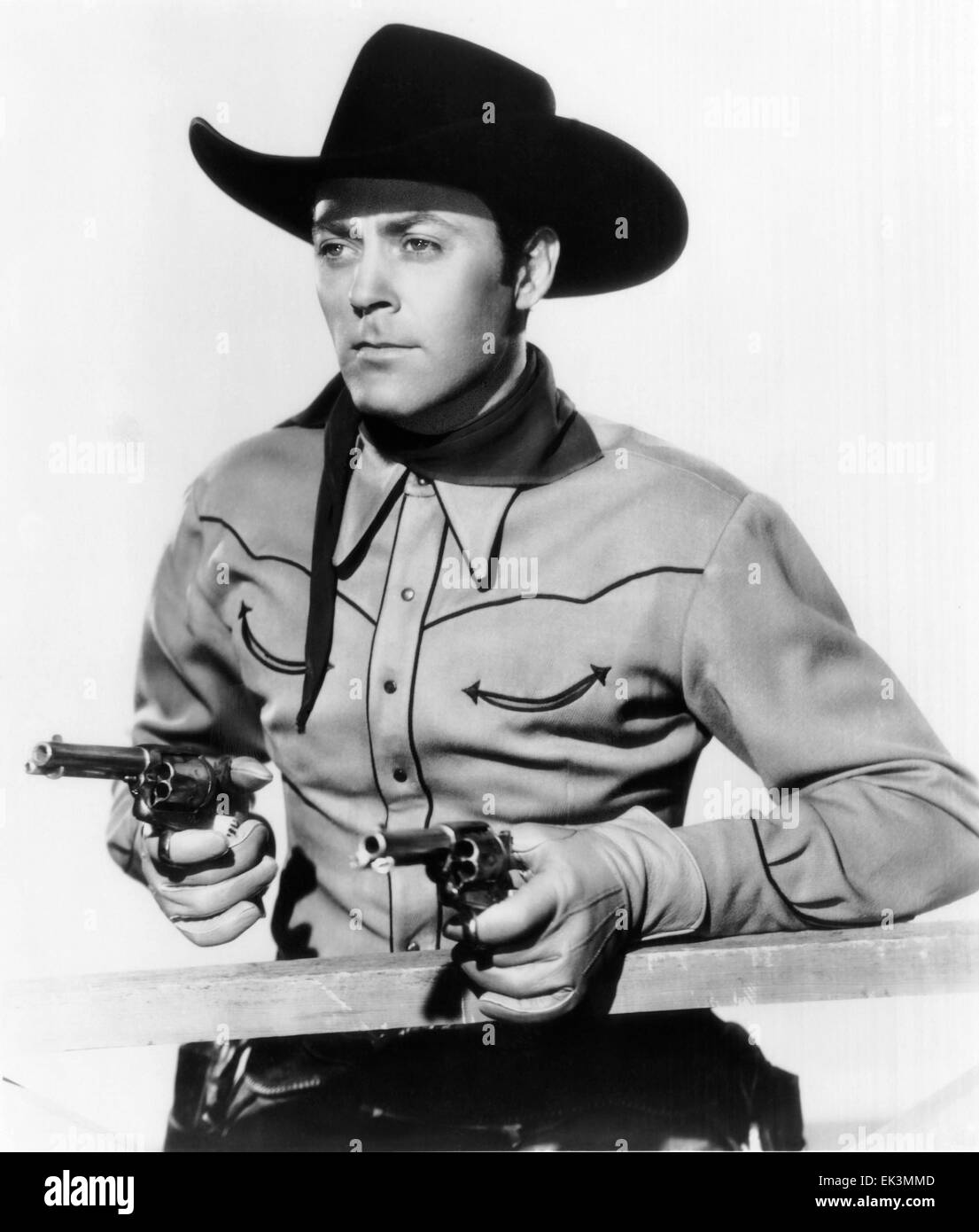
Allan "Rocky" Lane was a premier star of the "B-Western" film era and the iconic voice of Mister Ed, boasting an estimated net worth of $1 million to $2 million at the time of his death in 1973. When adjusted for 2026 inflation and economic standards, this estate would be valued at approximately $8 million to $12 million.
Allan "Rocky" Lane remains a fascinating study in the financial architecture of mid-20th-century Hollywood. Unlike the "A-list" stars of major studio epics, Lane carved out a highly lucrative niche within Republic Pictures, the undisputed king of the B-movie Western. His wealth was not built on massive single-picture payouts but rather on incredible productivity, disciplined brand management, and a late-career pivot into television voice acting that ensured his financial security long after he hung up his spurs.
The Early Professional Years and Athletic Foundations
Before becoming a staple of the silver screen, Harry Alread Lane (his birth name) was a standout athlete. His physical prowess was a significant asset that later allowed him to perform many of his own stunts, a cost-saving measure for studios that increased his marketability. He attended the University of Notre Dame, where he excelled in both football and basketball. This athletic background provided the discipline necessary for the grueling schedules of the B-Western industry, where films were often shot in less than a week.
In the late 1920s and early 1930s, Lane worked as a photographer and in various theatrical roles before landing a contract with Fox and later RKO. His early earnings were typical of a contract player—stable but modest. It was not until he transitioned into the Western genre that his earning potential began to skyrocket.
The Republic Pictures Era: Building the "Rocky" Brand
The core of Allan Lane’s net worth was established during his tenure at Republic Pictures. Between 1947 and 1953, Lane was one of the studio's top stars, appearing in dozens of films as "Rocky" Lane. During this period, the financial structure of the film industry for B-Western stars was distinct:
- Contract Stability: Unlike independent actors who negotiated per film, Lane benefited from the stability of a studio contract. While specific weekly salaries were rarely publicized, lead actors of his caliber at Republic typically earned between $750 and $2,000 per week during active filming—significant sums in the late 1940s.
- Volume of Production: Republic Pictures was a "factory." Lane often filmed six to eight Westerns a year. This high volume meant that even if the per-film pay was lower than that of an MGM or Warner Bros. star, the cumulative annual income was substantial.
- Merchandising and Promotion: The "Rocky" Lane persona was a brand. There were comic books, toys, and personal appearances at rodeos and state fairs. These appearances were often more lucrative than the film salaries themselves, as the star usually kept a large percentage of the gate or appearance fee.
Lane’s horse, Black Jack, was also a vital part of the brand. Owning and maintaining a "star" horse was a business expense, but it also contributed to the actor's unique market value, allowing him to command higher fees for public appearances.
The Red Ryder Series: A Financial Turning Point
One of the most significant boosts to Allan Lane's career and wealth was taking over the role of Red Ryder from Bill Elliott. Red Ryder was a massive multimedia franchise involving radio, comic strips, and film. By stepping into this established role, Lane inherited a built-in audience.
The financial importance of the Red Ryder series cannot be overstated. It solidified Lane as a top-ten Western star in the Motion Picture Herald’s annual poll of exhibitors. High rankings in these polls directly translated to better contract leverage. Lane’s portrayal of Red Ryder was commercially successful, ensuring that his transition to his own "Rocky Lane" series was met with enthusiasm from theater owners and audiences alike.
Mister Ed: The Anonymous Fortune
Perhaps the most unique aspect of Allan Rocky Lane’s financial history is his role in the television sitcom Mister Ed (1961–1966). Lane provided the voice for the talking horse, but for the duration of the show’s original run, he remained uncredited.
The Decision to Remain Uncredited
Lane’s decision to remain uncredited was initially a branding choice. He was concerned that being associated with a "talking horse" would damage his image as a rugged Western hero. However, from a financial perspective, the role was a masterstroke.
While the exact residuals for voice actors in the 1960s were subject to the burgeoning Screen Actors Guild (SAG) rules, Mister Ed was a massive hit in syndication. Residuals—payments made for reruns—became a foundational part of his late-career income. Even without his name in the credits, Lane was receiving steady checks as the show was broadcast globally.
Estimating the Voice-Over Earnings
For a top-rated television show of that era, a primary voice actor could earn several hundred dollars per episode. Over 143 episodes, this represented a substantial base salary. However, the true value lay in the show's longevity. Mister Ed remained a staple of afternoon television for decades, providing a "passive income" stream that many of his B-Western contemporaries lacked as their films faded from public view.
Real Estate and Asset Management
In 2026, we look back at the real estate holdings of mid-century stars as a primary driver of their net worth. Lane resided in the San Fernando Valley, particularly in the Woodland Hills area. During the 1950s and 60s, this area was a haven for Western stars who required space for horses and proximity to the studios.
The appreciation of California real estate from the time Lane purchased his property until his death in 1973 was significant. When he passed away at the Motion Picture & Television Country House and Hospital, his estate included not just cash and residuals, but the liquidated value of his property and personal assets.
| Income Phase | Primary Source | Estimated Annual Range (Era Dollars) | Adjusted 2026 Value (Approx.) |
|---|---|---|---|
| Early Career (1930s) | RKO/Fox Contract | $5,000 – $15,000 | $120,000 – $350,000 |
| Republic Peak (1947–1953) | "Rocky" Lane Series | $40,000 – $75,000 | $550,000 – $1,000,000+ |
| TV Transition (1950s) | Guest Spots/Appearances | $25,000 – $50,000 | $300,000 – $600,000 |
| Mister Ed Era (1961–1966) | Voice Work/Residuals | $30,000 – $60,000 | $350,000 – $700,000 |
| Post-Career (Late 1960s) | Pensions/Residuals | $15,000 – $25,000 | $120,000 – $200,000 |
Factors Influencing His Final Estate Value
Several variables influenced the final calculation of Lane's net worth:
- Divorce Settlements: Lane was married and divorced twice (to Gladys Lorrain Anderson and Sheila Ryan). In the 1940s and 50s, alimony and property settlements could significantly impact a star's liquid net worth.
- The Decline of the B-Western: By the mid-1950s, the market for low-budget Western features collapsed as television became the primary medium for the genre. Stars who did not transition to TV or save their earnings often faced financial hardship. Lane’s work in Mister Ed and guest spots on shows like Gunsmoke and Tales of Wells Fargo saved him from this fate.
- Lifestyle Choices: Unlike some of his contemporaries who spent lavishly on ranchos and expensive hobbies, Lane was known for a relatively disciplined lifestyle focused on his work and his legacy as a Western performer.
Comparative Net Worth: Lane vs. Contemporaries
To understand Lane's wealth, it is helpful to compare him with other stars of the same genre.
- Roy Rogers and Gene Autry: These were the "A-tier" of the B-Westerns. Autry, in particular, became a billionaire (in 2026 terms) through the ownership of TV stations, baseball teams, and music publishing. Lane never reached this level because he did not own his films or the Mister Ed production.
- Sunset Carson and Lash LaRue: These actors represent the lower end of the spectrum. Many struggled in their later years due to a lack of residuals and the disappearance of the B-movie market.
- Allan Lane's Position: Lane occupied the "solid upper-middle class" of Hollywood stars. He was a wealthy man by any standard, but his fortune was built on labor and performance rather than corporate ownership.
The Cultural and Financial Value of the "Rocky" Image
In 2026, the image of "Rocky" Lane still carries value in the nostalgia market. Collectors pay high premiums for original Republic Pictures lobby cards, posters, and "Rocky Lane" comic books. While these secondary market sales do not benefit his estate directly (depending on the copyright and licensing agreements held by the studio's successors), they demonstrate the enduring brand equity he created.
The financial wisdom Lane displayed—taking an uncredited but steady television role and maintaining a consistent output of films—ensured that he lived comfortably until his death. He was a veteran of over 125 films, and that sheer volume provided a bedrock of social security and industry pensions that supported him in his final years.
Frequently Asked Questions
Did Allan Rocky Lane get paid for Mister Ed residuals?
Yes. As a member of the Screen Actors Guild, Lane was entitled to residual payments for the rebroadcasting of Mister Ed. Although he was uncredited during the show's initial run, his contract ensured he received the standard payments for a lead performer. These residuals were a major component of his income in the late 1960s and early 1970s.
Why was Allan Rocky Lane uncredited as the voice of Mister Ed?
Lane initially requested to be uncredited because he feared that voicing a horse would undermine his image as a rugged, masculine cowboy star. He had spent decades building the "Rocky" Lane persona and didn't want audiences to associate his voice with a comedic animal. He eventually embraced the role's popularity, but the "anonymous" start is a famous piece of Hollywood trivia.
How much was Allan Lane worth at the time of his death?
At the time of his death in 1973, his estate was estimated to be worth between $500,000 and $1,000,000 in contemporary dollars. In 2026 terms, after accounting for inflation and the massive rise in California asset values, this is equivalent to roughly $8 million to $12 million.
What happened to Allan Rocky Lane's wealth?
Following his death in 1973, his estate was handled according to his will, which primarily involved his surviving family members and various film industry charities. Because he had no children, a portion of his legacy is preserved through the Motion Picture & Television Fund, which provides support for entertainment industry professionals in need.
Was Allan Rocky Lane more successful in films or TV?
Financially, his film career at Republic Pictures provided the bulk of his lifetime earnings through sheer volume and merchandising. However, his work in television, specifically Mister Ed, provided the most consistent long-term income through residuals, which are often more lucrative over time than a one-time film salary.
Practical Considerations for Film Historians
When researching the net worth of classic stars like Allan Lane, it is essential to look at the contractual norms of the era. The 1940s studio system was designed to favor the studio, but stars with a consistent "draw" at the box office, like Lane, had the power to negotiate significant bonuses and travel allowances.
To further explore the financial history of Western stars:
- Review the Motion Picture Herald archives for box office rankings.
- Examine the Republic Pictures corporate history for standard contract terms of the 1940s.
- Study the Screen Actors Guild historical rate cards for 1960s television voice work.
Lane's financial story is one of professional adaptability—moving from the football field to the movie ranch, and finally to the recording booth—ensuring that the "Rocky" Lane legacy remained profitable throughout his entire life.