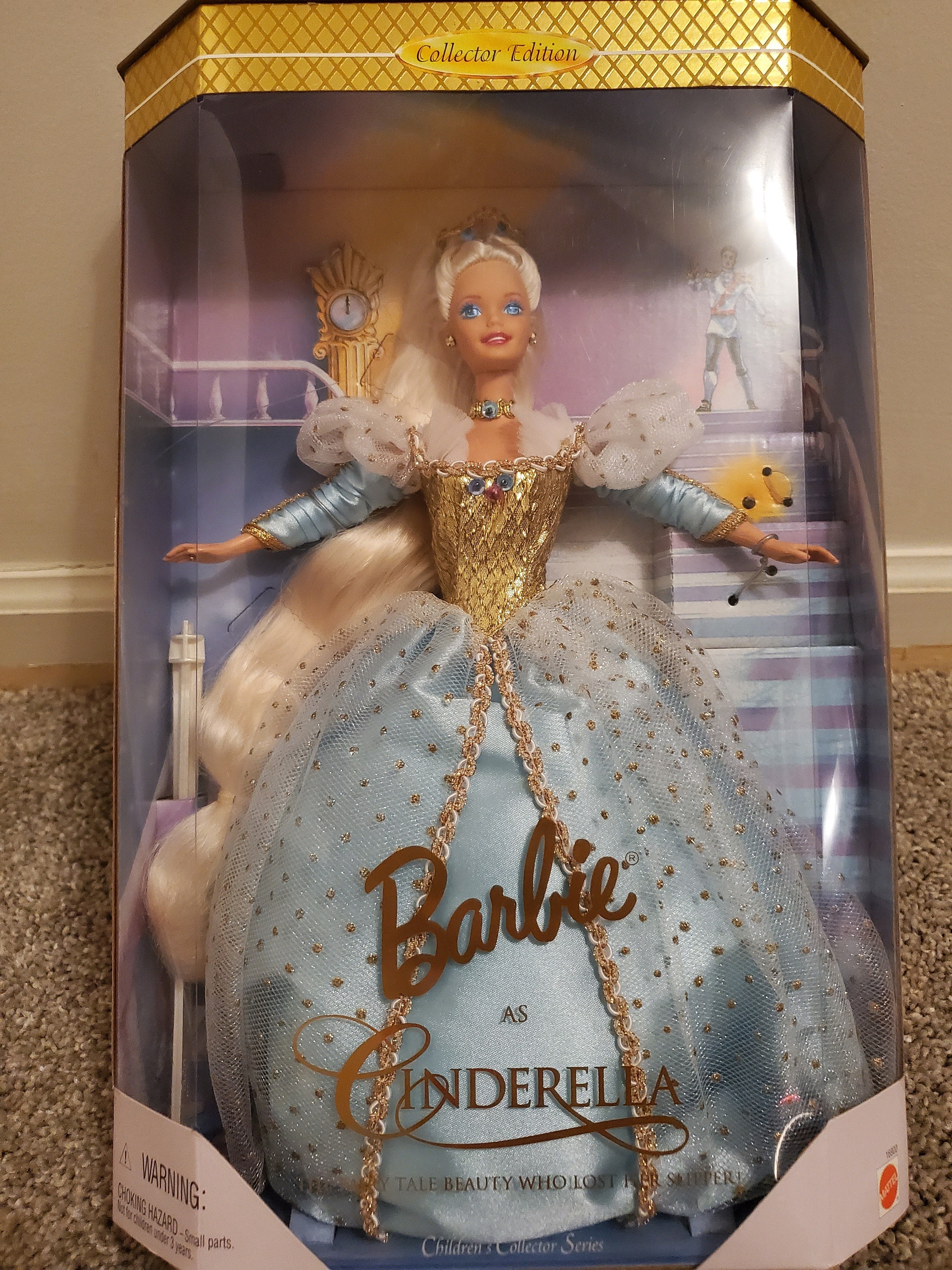
Since her debut in 1959, Mattel has produced over a billion Barbie dolls, encompassing thousands of unique versions that reflect changing social norms, fashion trends, and career aspirations. While the exact number of individual models is difficult to quantify due to regional exclusives and play-line variations, the collection is organized into distinct historical eras: Vintage, Mod, Superstar, and the modern Inclusive era.
The Foundation of an Icon: The Vintage Era (1959–1966)
The history of "all Barbie dolls ever made" begins with the vision of Ruth Handler, who co-founded Mattel with her husband Elliot. Observing her daughter Barbara playing with paper dolls and giving them adult roles, Handler realized there was a gap in the market for a 3D fashion doll. During a trip to Germany, she encountered the Bild Lilli doll—a gift-shop novelty based on a comic strip character—which served as the design catalyst for Barbie.
The first Barbie doll, now known by collectors as the "Number 1 Ponytail Barbie," debuted at the American International Toy Fair in New York on March 9, 1959. This doll featured a black-and-white striped swimsuit, a signature ponytail (in blonde or brunette), and a sideways glance. Unlike the friendly, smiling dolls that would follow, the original Barbie had a sophisticated, fashion-model aesthetic.
Between 1959 and 1966, Mattel refined the doll through several iterations. The "Number 2" was nearly identical but lacked the copper tubes in the legs used for the original stand. By the "Number 5," the vinyl material had changed to prevent the "greening" effect caused by the oxidation of the metal earrings. This era also saw the introduction of Barbie’s boyfriend, Ken (1961), her best friend Midge (1963), and her little sister Skipper (1964). These early dolls are among the most sought-after by collectors today, with mint-condition Number 1 dolls often fetching upwards of $25,000 at auction.
The Mod Era and the Shift to Realism (1967–1972)
As the mid-1960s ushered in a cultural revolution, Barbie underwent a dramatic transformation to stay relevant. This period, known as the Mod Era, saw the introduction of the Twist 'n Turn (TNT) Barbie in 1967. This doll featured a moveable waist, rooted eyelashes, and a more youthful face mold. The "sideways glance" was replaced with a straightforward look, signaling a shift from high-fashion model to a "cool" contemporary teen.
Significant milestones in this era include:
- The Introduction of Christie (1968): Christie was the first Black doll in the Barbie line. While Barbie herself remained Caucasian during this time, Christie shared Barbie's friend group and featured a distinct face mold and "mod" fashion.
- Talking Barbie (1968): Innovation led to a doll with a pull-string that allowed Barbie to "speak" phrases like "I love being a fashion model" or "Shall we go shopping?"
- Dramatic New Living Barbie (1970): This model introduced superior articulation, allowing the doll to strike more realistic poses, reflecting the era's focus on active lifestyles.
The Superstar Era and the Birth of "Barbie Pink" (1977–1995)
If one image defines the collective memory of Barbie for Gen X and Millennials, it is the Superstar Barbie released in 1977. This doll introduced the "Superstar" face mold: a wide, toothy smile, large blue eyes, and a softer, more approachable look. This era also cemented "Barbie Pink" as the brand's primary color.
During the 1980s and early 90s, Barbie became a global phenomenon. In 1980, Mattel released the first Black doll and the first Hispanic doll actually named "Barbie" (rather than being a friend like Christie or Teresa). This was a pivotal moment in the brand's history, as it acknowledged that Barbie was not a single person, but a symbol of empowerment that could represent any race.
The 1980s also saw the launch of the Dolls of the World collection, which eventually featured over 90 different dolls representing various nations and cultures. In the 1990s, the "Pink Box" play-line dolls reached their peak popularity with Totally Hair Barbie (1992). Featuring hair that reached her ankles, she remains the best-selling Barbie doll in Mattel's history, with over 10 million units sold worldwide.
The Collector’s Expansion and Label System
To organize the vast library of "all Barbie dolls," Mattel eventually introduced a tier-based label system. This helps collectors understand the rarity and production volume of specific releases:
- Pink Label: These are widely available play-line dolls found in most retail stores. There are no production limits on these versions.
- Silver Label: These dolls are intended for collecting and usually have a production limit of around 50,000 units worldwide.
- Gold Label: A more exclusive tier, often limited to 25,000 units or fewer. These frequently feature intricate designs by famous couturiers like Oscar de la Renta or Vera Wang.
- Platinum Label: The most elite category, limited to 1,000 units or fewer. These dolls are often released for specific conventions or through the Barbie Signature membership.
The Modern Inclusive Era: Fashionistas and Beyond (2016–2026)
By the early 2010s, Mattel faced criticism regarding Barbie's unrealistic body proportions. In a historic move in 2016, the company launched the Fashionistas line, which introduced three new body types: Tall, Curvy, and Petite. This was the most significant change to the doll's silhouette in over 50 years.
As we look at the landscape in 2026, the commitment to representation has only deepened. The modern catalog of Barbie dolls now includes:
- Diverse Physicalities: Dolls with vitiligo, hearing aids, prosthetic limbs, and wheelchairs.
- Career Diversity: The "Career of the Year" series has featured roles ranging from Robotics Engineer and Mars Explorer to Chief Sustainability Officer and Film Director.
- The Movie Impact: Following the massive success of the 2023 Barbie movie, Mattel released a line of dolls based on the likenesses of Margot Robbie, Ryan Gosling, and the diverse cast, bridging the gap between cinema and toy shelves.
| Era | Key Years | Primary Characteristics | Iconic Doll Example |
|---|---|---|---|
| Vintage Era | 1959–1966 | High-fashion aesthetic, sideways glance, "Ponytail" hair. | #1 Black & White Swimsuit Barbie |
| Mod Era | 1967–1972 | Rooted lashes, Twist 'n Turn waist, youthful faces. | Twist 'n Turn Barbie |
| Superstar Era | 1977–1995 | Wide smile, "Barbie Pink" branding, high glamour. | Superstar Barbie (1977) |
| Millennium Era | 1996–2015 | Bellybutton body mold, more realistic proportions. | Generation Girl Barbie |
| Inclusive Era | 2016–Present | Multiple body types, diverse skin tones, disability representation. | Fashionistas #135 (Vitiligo) |
Identifying All Barbie Dolls: Marks and Verification
For those attempting to catalog or verify a specific doll from the thousands made, physical markings are the primary method of identification. Most Barbie dolls have a mark on their right hip or the back of their neck.
It is a common mistake among new collectors to assume the date on the doll's body is the year the doll was made. In reality, the date (e.g., "© 1966 Mattel Inc.") refers to the year that specific body mold or head sculpt was patented. A doll with a 1966 patent mark could actually have been manufactured as late as the early 1980s.
To identify a doll accurately, collectors look for:
- The Country of Origin: Early dolls were marked "Japan." Later, production moved to Taiwan, Korea, Hong Kong, China, and Indonesia.
- The Face Mold: Collectors use specific names like "Steffie face," "Mackie face," or "Millie face" to categorize dolls.
- Hand Style: Vintage dolls have "divided fingers," while later play-line dolls often have molded hands where the fingers are fused.
The Role of Collaborations and Pop Culture
A significant portion of the total Barbie catalog consists of "Pop Culture" dolls. Mattel has collaborated with nearly every major entertainment franchise and fashion house. This includes the Hollywood Legends series (featuring dolls modeled after Elizabeth Taylor and Audrey Hepburn), the Music Series (Elvis Presley, David Bowie, Tina Turner), and the Designer Series (Moschino, Dior, and Givenchy).
In 2026, these collaborations have expanded into the digital realm. Mattel now offers "Digital Twin" dolls—limited edition physical dolls that come with a unique NFT (Non-Fungible Token) or digital counterpart for use in virtual environments. This blend of physical and digital products marks the newest chapter in the history of all Barbie dolls ever made.
Frequently Asked Questions
How many different Barbie dolls have been made in total?
While Mattel has sold over a billion dolls, the number of unique "models" or SKUs is estimated to be between 10,000 and 15,000. This includes all play-line variations, collector editions, and international exclusives produced since 1959. Because Mattel archives are private and some regional records from the 1960s are incomplete, a definitive, serialized list of every single variation is not publicly available.
What is the rarest Barbie doll ever made?
The "Holy Grail" for collectors is usually the 1959 Number 1 Ponytail Barbie in mint condition. However, in terms of sheer numbers, the Stefano Canturi Barbie (2010) is the rarest, as only one was ever produced. It featured a real one-carat pink diamond and was auctioned for $302,500 to benefit breast cancer research. Among mass-produced dolls, the Pink Splendor Barbie (1996), limited to 10,000 units and originally retailing for $900, is highly prized.
How can I tell if my old Barbie is valuable?
Value is determined by rarity, condition, and completeness. A doll in its original, unopened box (NRFB - Never Removed From Box) is significantly more valuable than a "loose" doll. Check the back of the neck for the Mattel stamp and the hip for the patent date. Look for specific features like "greening" of the ears (common in vintage dolls) or "sticky leg syndrome," which can decrease value. Use official price guides or reputable auction sites to compare sold listings for your specific model.
Are all Barbie dolls the same size?
No. Since 2016, Barbie has been produced in four main body types: Original, Tall, Curvy, and Petite. Additionally, there are "Made to Move" bodies with 22 joints for extreme poseability, and different heights for "sibling" dolls like Skipper, Stacie, and Chelsea. This means that clothes are no longer "one size fits all" across the entire Barbie line.
Why do some dolls have different face shapes?
Mattel uses different "head sculpts" or molds to give dolls distinct personalities. For example, the Bob Mackie face mold is known for its glamorous, narrow features and is used primarily for collector dolls. The Millie face mold is the current "standard" look for play-line dolls. Using different molds allows Mattel to create a more diverse range of characters and ethnicities.
Expert Recommendation for Collectors
If you are looking to start or manage a collection of "all Barbie dolls ever made," the most practical next step is to utilize a digital database. While physical books like the Barbie Doll Photo Album are excellent for vintage identification, online communities and the Barbie Signature archive offer the most up-to-date information on modern releases and current market values as of 2026. Always store your dolls in a temperature-controlled environment away from direct sunlight to prevent the vinyl from degrading or the hair from fading.