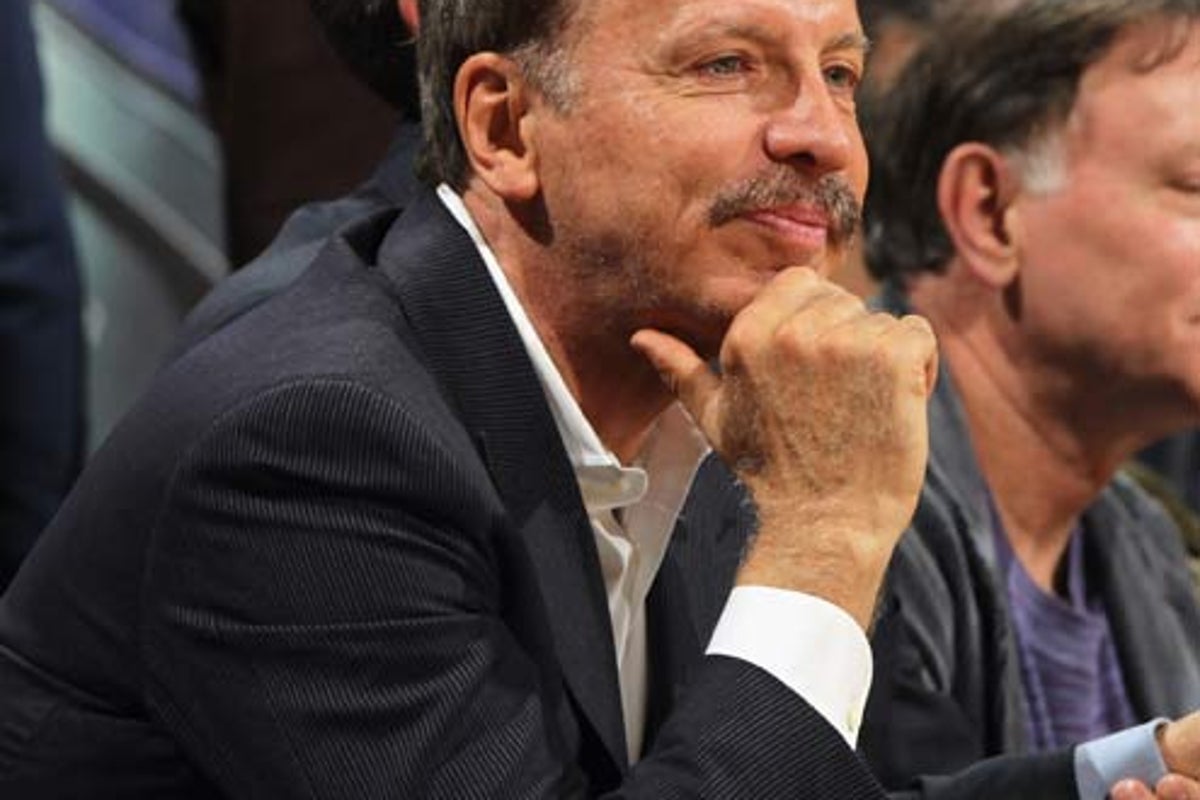
In August 2018, Alisher Usmanov sold his 30% stake in Arsenal Football Club to Stan Kroenke for approximately £550 million. This transaction ended a decade-long power struggle, granting Kroenke's KSE (Kroenke Sports & Entertainment) full ownership of the club and allowing him to take Arsenal private by forcibly purchasing remaining minority shares.
The Origins of the Arsenal Power Struggle (2007–2018)
The departure of Alisher Usmanov from Arsenal was not a sudden decision but the culmination of an eleven-year deadlock. To understand why the sale was so significant, one must first look at the entry of Red & White Securities—the vehicle owned by Usmanov and Farhad Moshiri—into the North London club.
In 2007, Usmanov purchased a 14.58% stake from former vice-chairman David Dein. This move was immediately met with resistance from the existing Arsenal board, who preferred the "custodian" model of ownership and feared the influence of external "sugar daddy" investors. Unlike Chelsea, which had been transformed by Roman Abramovich, Arsenal’s board implemented a "lock-out" agreement to prevent any single investor from launching a hostile takeover.
Over the following years, Usmanov increased his holding to just over 30%. This threshold was critical because it gave him "negative control" or "blocking power" over certain corporate resolutions, though it never earned him a seat on the board of directors. Despite being the club’s second-largest shareholder, Usmanov was consistently frozen out of decision-making processes. He frequently critiqued the club's lack of investment in the transfer market, leading to a public and often acrimonious relationship with Stan Kroenke, who had gradually become the majority shareholder.
The Specifics of the 2018 Transaction
By mid-2018, the stalemate reached a breaking point. Usmanov realized that Kroenke would never sell his majority share, nor would Kroenke allow Usmanov any meaningful influence. When Kroenke made a formal offer to buy out Usmanov’s 30.04% stake, the Russian billionaire finally relented.
The Financial Mechanics of the Deal
Kroenke’s offer valued the entirety of Arsenal at approximately £1.8 billion. For Usmanov, the offer represented a significant capital gain. Having invested roughly £200 million over the years to acquire his shares, the exit price of roughly £550 million provided a substantial return on investment.
The deal was structured through Kroenke Sports & Entertainment (KSE). To fund the buyout, Kroenke utilized a mixture of personal equity and a significant loan from Deutsche Bank. This move was controversial among the fanbase, as it raised concerns that the debt used to acquire the shares might eventually be loaded onto the club itself—a practice common in leveraged buyouts but one that Arsenal had historically avoided.
The Forced Buyout (Squeeze-Out)
Once Kroenke acquired Usmanov’s 30%, his total ownership surpassed the 90% threshold required under UK company law (specifically the Companies Act 2006) to trigger a compulsory acquisition of the remaining shares.
This "squeeze-out" meant that hundreds of small-scale shareholders—many of them fans who owned single shares passed down through generations—were legally required to sell their holdings to KSE at the same price per share offered to Usmanov. This process effectively turned Arsenal from a public limited company (PLC) into a private entity, removing the requirement for an Annual General Meeting (AGM) where directors could be publicly questioned by shareholders.
Why Usmanov Sold: Strategic Isolation and Financial Realism
The decision to sell was born out of pragmatism. By 2018, the "Cold War" in the Arsenal boardroom had left Usmanov with a massive asset that yielded no dividends and no influence.
- Lack of Board Representation: Despite owning nearly a third of the company, Usmanov was never invited to join the board. This excluded him from financial planning, managerial appointments, and commercial strategies.
- Kroenke’s Refusal to Engage: In 2017, Usmanov reportedly made a £1 billion bid to buy Kroenke’s stake. Kroenke rejected it outright, stating his shares were not for sale and that KSE was a "committed, long-term investor."
- The Pivot to Everton: Around the same time, Usmanov’s long-term business partner, Farhad Moshiri, had sold his stake in Red & White Securities to Usmanov to fund his own purchase of Everton FC. This provided Usmanov with a potential new avenue for football investment. Following the Arsenal sale, Usmanov’s USM Holdings became a major sponsor at Everton, funding the training ground naming rights and options on stadium naming rights—at least until the geopolitical events of 2022.
- Market Timing: The £1.8 billion valuation was, at the time, at the higher end of sports franchise multipliers. Usmanov chose to liquefy his position at a peak in Premier League broadcasting revenue cycles.
Financial Impact and Club Valuation Comparison
The sale shifted Arsenal's financial trajectory. Below is a comparison of the club's valuation and ownership structure before and after the 2018 transaction, viewed from the retrospective lens of 2026.
| Feature | Pre-Sale (2017) | Post-Sale (2018-2019) | Retrospective View (2026) |
|---|---|---|---|
| Primary Owner | Stan Kroenke (approx. 67%) | Stan Kroenke (100%) | Stan Kroenke (100%) |
| Secondary Owner | Alisher Usmanov (approx. 30%) | None | None |
| Club Valuation | ~£1.5 Billion | ~£1.8 Billion | ~£3.2 Billion+ |
| Corporate Status | Public Limited Company (PLC) | Private Company | Private Company |
| Debt Profile | Low/Manageable | Increased (Acquisition Loan) | Re-structured/Consolidated |
| Fan Shareholding | Thousands of minority owners | Zero | Zero |
Note: The 2026 valuation reflects the broader inflation in Premier League asset values driven by global streaming rights and the resurgence of the club's on-field performance.
The Aftermath of the Sale (2018–2026)
The transition to sole ownership under KSE marked a new era for Arsenal. Initially, the removal of Usmanov and the move to a private structure were met with hostility. The Arsenal Supporters’ Trust (AST) described it as a "dreadful day," fearing a lack of transparency and accountability.
However, the period between 2018 and 2026 saw a significant shift in KSE’s management style. After years of being perceived as "absentee owners," the Kroenkes (specifically Josh Kroenke, Stan’s son) became more hands-on. With 100% control, the owners began to inject capital more aggressively. This was evidenced by the record-breaking signings and the restructuring of the club’s technical department.
From a financial standpoint, being a private company allowed Arsenal to be more agile. They were no longer required to publish the detailed "half-year" accounts that PLC status demanded, providing a layer of commercial confidentiality that KSE felt was necessary to compete with state-backed clubs. However, this also meant that the fans' primary window into the club's financial health was through the delayed filings at Companies House.
Geopolitical Fallout and the End of the "Oligarch Era"
Looking back from 2026, Usmanov’s exit in 2018 appears incredibly prescient, albeit likely driven by financial frustration rather than a crystal ball. In 2022, following the Russian invasion of Ukraine, Alisher Usmanov was placed under severe sanctions by the European Union, the United Kingdom, and the United States due to his alleged ties to the Kremlin.
Had Usmanov still held his 30% stake in Arsenal during 2022, the club would have faced an existential crisis similar to the one experienced by Chelsea FC during the forced sale by Roman Abramovich. Assets belonging to sanctioned individuals are typically frozen, which would have prevented any dividends, share transfers, or capital injections involving Usmanov’s stake. By selling in 2018, Usmanov liquidated his position long before his assets became "toxic" in the Western sports market, and Arsenal avoided being dragged into the complex legal and ethical quagmire of the UK government’s sanctioning regime.
Understanding the "Lock-out" and Legal Context
The sale also highlighted the efficacy of the "lock-out" agreements common in high-value corporate entities. For years, the Arsenal board used these agreements to ensure that no single person could gain control without the consensus of the existing board members. This is why Usmanov, despite his wealth, could never force his way onto the board.
Under the UK Companies Act, the 75% and 90% ownership tiers are the most significant.
- 75% Ownership: Allows the owner to pass "special resolutions," which include changing the company's articles of association or changing the company's name.
- 90% Ownership: Grants the legal right to buy out the remaining 10% regardless of their willingness to sell.
When Usmanov sold his 30%, he handed Kroenke the keys to the 90% kingdom, effectively ending the era of the "fan-owner" at Arsenal.
FAQs about Alisher Usmanov's Arsenal Sale
How much did Alisher Usmanov make from the sale?
Usmanov sold his stake for roughly £550 million. Considering his total investment over the previous decade was estimated at around £200 million, he realized a profit of approximately £350 million. This made it one of the most successful financial exits in Premier League history for a minority shareholder.
Why didn't Usmanov buy Arsenal instead?
Usmanov made several attempts to buy the club, including a formal £1 billion offer for Kroenke’s shares in 2017. However, Stan Kroenke consistently refused to engage in negotiations. Because Kroenke held the majority of the shares and was not under any financial pressure to sell, Usmanov had no legal mechanism to force a takeover.
Did the money from the sale go to Arsenal?
No. Because Usmanov was selling his private shares to Kroenke’s private company (KSE), the money went directly to Usmanov. The club’s treasury did not receive any of the £550 million. In fact, many fans were concerned that the debt Kroenke took on to buy those shares would eventually be serviced by the club's own revenues.
What happened to the small shareholders?
Once Kroenke reached over 90% ownership by purchasing Usmanov's stake, he initiated a "compulsory purchase" of all remaining shares. Small shareholders were paid the same price per share that Usmanov received. While they received a fair market price, many were devastated to lose their symbolic ownership of the club.
Is Alisher Usmanov still involved in football?
Following the sale, Usmanov focused his sporting investments on Everton FC through sponsorship deals with his company, USM Holdings. However, following the 2022 sanctions, Everton suspended all commercial ties with Usmanov’s companies, and he currently has no official involvement in European football.
Final Recommendation for Researchers and Fans
For those analyzing the impact of this sale in 2026, it is essential to view the transaction as the turning point for Arsenal’s modern governance. The transition to a private, single-owner model ended the transparency of the PLC era but provided the "unified vision" that KSE argued was necessary for success.
If you are investigating the financial health of the club today, your primary resource should be the Companies House filings for "Arsenal Holdings Limited." While these reports lack the immediate detail of the former PLC reports, they remain the definitive legal record of the club's financial status in the post-Usmanov era. Furthermore, the 2018 sale serves as a case study in why minority owners in the Premier League often find themselves in an impossible position if they do not have a clear path to majority control.