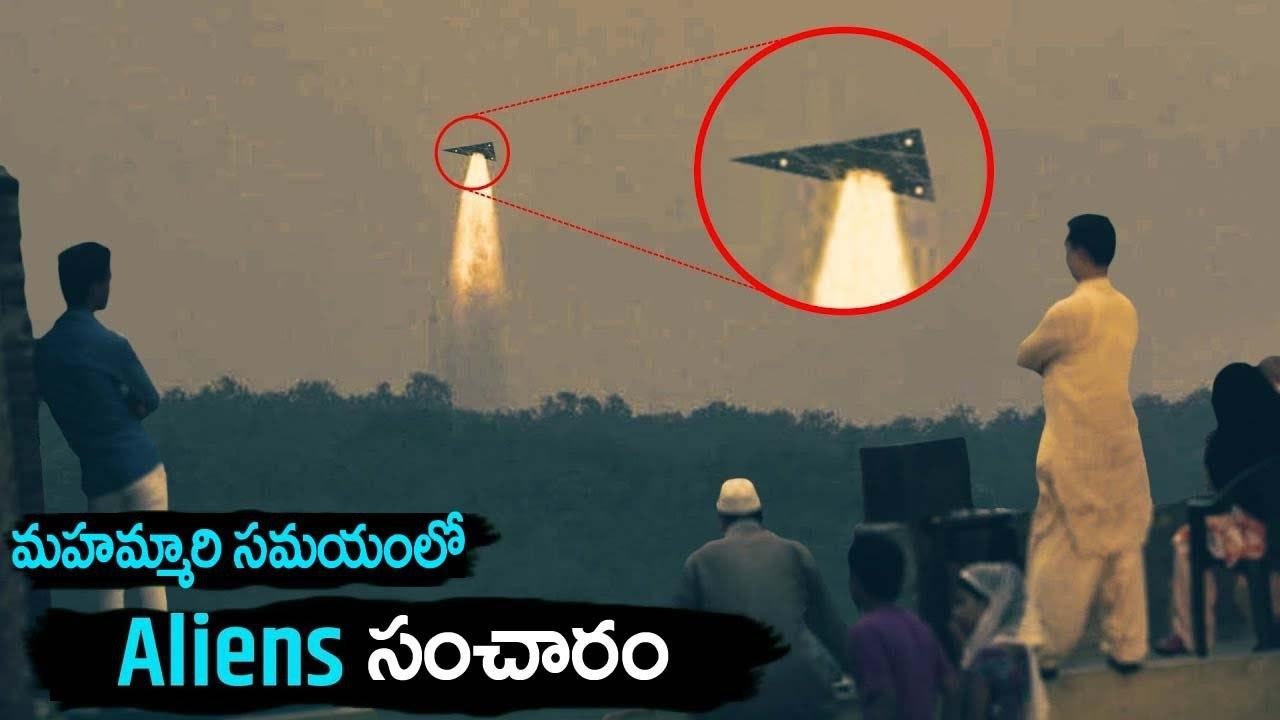
Reports of alien sightings in India encompass a wide array of aerial anomalies, ranging from unidentified lights over the Himalayas to classic disc-shaped objects spotted in rural agricultural belts. While these accounts are frequently debated in public forums, they remain classified largely as Unidentified Anomalous Phenomena (UAP) due to a lack of empirical physical evidence or verified extraterrestrial contact, placing them firmly within the realm of observational inquiry rather than confirmed biological or technological visitation.
Understanding the Landscape of Indian UAP Reports
In India, the discourse surrounding alien sightings is a unique intersection of folklore, military surveillance, and atmospheric science. The term "alien" is often used colloquially to describe any object that defies conventional explanation. However, in technical and investigative terms, researchers categorize these occurrences as UAP. Unlike regions where dedicated civilian organizations might have formalized disclosure programs, reporting in India is largely fragmented, often appearing in regional news media before being analyzed by local enthusiasts or atmospheric researchers.
The geographical diversity of the Indian subcontinent plays a significant role in the nature of these sightings. The northern borders, particularly the Ladakh region and the Himalayan mountain range, are frequent hotspots for reports of mysterious lights and structured objects. The difficulty of the terrain, combined with the presence of high-altitude military installations, often complicates the identification process. Observers in these regions frequently struggle to differentiate between advanced surveillance drones, weather balloons, military maneuvers, and phenomena that do not fit standard aeronautical profiles.
Geographic Hotspots and Environmental Factors
Certain areas in India have historically reported higher concentrations of aerial anomalies. These are not necessarily indicative of increased extraterrestrial interest but rather the result of distinct environmental and anthropogenic factors.
1. The Ladakh and Himalayan Corridor
The high altitude and thin atmosphere of the Himalayas create unique optical conditions. Reports from the India-China border regions, specifically the Kongka La pass area, have garnered significant attention in popular media. Many sightings here involve glowing orbs that appear to maneuver in ways inconsistent with known fixed-wing aircraft. From a technical perspective, atmospheric lensing and ice crystal reflections in the high mountains can produce visual distortions that appear to "hover" or "dart" to the human eye, especially under low-light conditions.
2. The Indo-Gangetic Plain
Sightings in the agricultural belts of Uttar Pradesh, Bihar, and West Bengal tend to differ in character. Witnesses often describe low-altitude objects or nocturnal lights accompanied by local folklore interpretations. These reports often coincide with meteorological events or the use of agricultural drones, which have become increasingly common in rural India for soil monitoring and pesticide application.
3. Coastal Regions and Southern India
Reports in coastal cities often involve lights over the water. These are frequently identified as reflections of distant maritime traffic, offshore oil rig signaling, or, in some instances, experimental naval exercises. The lack of standardized, publicly available, or synchronized radar data for these specific corridors makes it difficult to conduct forensic investigations into these claims.
The Role of Technology and Misidentification
To objectively evaluate an alleged alien sighting, one must first apply the "Occam’s Razor" approach to aerial phenomena. In the year 2026, technology is at a point where consumer-grade devices can produce effects that look highly anomalous to the untrained observer.
- Drones and Unmanned Aerial Vehicles (UAVs): The proliferation of civilian and commercial drones has changed the landscape of sightings. Modern drones, capable of high-speed flight, hover capability, and intense LED patterns, are frequently reported as "aliens" or "UFOs."
- Satellite Constellations: The rise of low-earth-orbit satellite networks creates long, rhythmic lines of light that move across the night sky. These are often mistaken for structured spacecraft by those unfamiliar with satellite deployment patterns.
- Meteorological and Optical Phenomena: Phenomena like ball lightning, lenticular clouds reflecting sunset light, and plasma discharges in high-altitude environments are scientifically documented causes of "anomalous" reports.
- Military Testing: Given India's commitment to self-reliance in aerospace and defense technology, domestic testing of experimental UAVs and missile defense prototypes often leads to sightings in restricted zones. These objects are intentionally obscured from the public, leading to speculation when they are caught on consumer cameras.
Investigation Methodology: How to Document a Sighting
If you witness a phenomenon that does not fit known categories, the value of your report depends entirely on the quality of documentation. Scientists and investigators look for specific data points to rule out conventional explanations.
- Temporal Data: Record the exact start and end time, as well as the duration of the event. Seconds matter in distinguishing a satellite transit from a deliberate flight path.
- Positional Data: Do not rely on "up there." Use a compass or a star-charting application to determine the cardinal direction and the angle of elevation (degrees from the horizon).
- Visual Characteristics: Note the shape, color, and brightness of the object. Is it blinking? Does it emit sound? Did it change shape?
- Reference Points: If the object is near a structure, a tree, or a hill, use that as a scale reference to estimate distance and size.
- Digital Capture: If recording, avoid using the digital zoom feature, as it introduces noise and artifacts that make analysis impossible. Keep the camera steady, preferably on a tripod or against a solid surface.
Comparison of Explanations for Common Sightings
| Observed Feature | Likely Conventional Cause | Key Investigative Marker |
|---|---|---|
| Rhythmic flashing lights | Civil or military aircraft | Regulated navigation light colors |
| High-speed silent movement | High-altitude drones or satellites | Linear, predictable trajectory |
| Hovering glowing orb | Ball lightning or swamp gas | Localized, short-lived, erratic shift |
| Structured metallic shape | Experimental prototype or UAV | Consistent with current aerospace R&D |
| Multi-colored shifting light | Atmospheric refraction | Observed only near the horizon |
The Legal and Scientific Stance in India
As of 2026, there is no official government department in India mandated to investigate extraterrestrial intelligence or "UFOs" as a matter of national security. While the Indian Space Research Organisation (ISRO) and the Defence Research and Development Organisation (DRDO) monitor the skies for potential threats and satellite debris, their mandate does not include the public documentation of unexplained sightings that do not pose a physical risk to national interests.
Public reports are generally handled by independent academic researchers and private astronomical societies. This lack of a central, transparent database means that many reports remain anecdotal. Furthermore, there is no legal requirement to report such sightings, nor is there a centralized platform to archive the data for cross-referencing against flight paths, meteorological data, or orbital tracking.
The Problem of Data Verification
The primary obstacle in the study of alien sightings in India is the lack of verifiable raw data. A photograph or a short video clip is rarely sufficient evidence. To turn a sighting into a study, one requires:
- Radar Correspondence: Matching the visual report with primary radar data from the nearest airport or air defense station.
- Sensor Cross-Verification: Confirming the sighting with infrared or thermal sensors to rule out optical illusions caused by heat haze.
- Triangulation: Multiple independent reports from different vantage points to calculate the object's altitude and speed.
Without these, most reports remain "unidentified." For the enthusiast, the goal should be to move from "believer" to "observer," collecting data that can withstand scrutiny rather than seeking confirmation of a pre-existing bias.
Frequently Asked Questions
Are there official government hotlines to report alien sightings? No. There are no government hotlines or official protocols in India for reporting unidentified aerial phenomena. If you believe you have seen an object that poses a threat to aviation or national security, you should contact local law enforcement or regional civil aviation authorities.
What should I do if I see an unidentified object in the sky? Stay calm and observe. Use your phone to record if possible, but prioritize getting clean, steady footage. Note the time, direction, and your exact location. Avoid jumping to conclusions; many sightings are eventually identified as conventional aircraft or natural phenomena.
Why are sightings more common in the Himalayas? Sightings are not necessarily more common in terms of frequency but are more frequently reported due to the sparse population, the clear night skies, and the intersection of high-altitude military activity. The rugged landscape also makes it easier for objects to disappear from view, fueling the mystery.
Has the Indian government ever confirmed an alien visit? No. No official agency in India, including ISRO or the Ministry of Defence, has ever released a report confirming the existence of extraterrestrial craft or visitation within Indian territory.
Can I use telescope equipment to record these objects? Yes, but tracking an object in the sky requires specialized mountings and significant practice. For most, a high-quality camera with a manual focus and a tripod is a more effective way to document an unexpected sighting than a telescope, which has a very narrow field of view.
Recommended Next Steps for Enthusiasts
If you are genuinely interested in the study of UAP in India, shift your focus from speculative narratives to the discipline of sky-watching. Join local amateur astronomical clubs that focus on meteor showers, satellite tracking, and atmospheric science. By learning to identify the "normal" inhabitants of the night sky—from the International Space Station to high-altitude commercial flight paths—you become far better equipped to recognize when you are looking at something truly anomalous.
When you observe something that defies explanation, prioritize the documentation process. Reach out to academic institutions or professional observatories if your data is robust and time-stamped. Science relies on repeatable, verifiable evidence; by contributing to the collective knowledge of our skies through clear, factual reporting, you participate in the honest inquiry of the unknown.