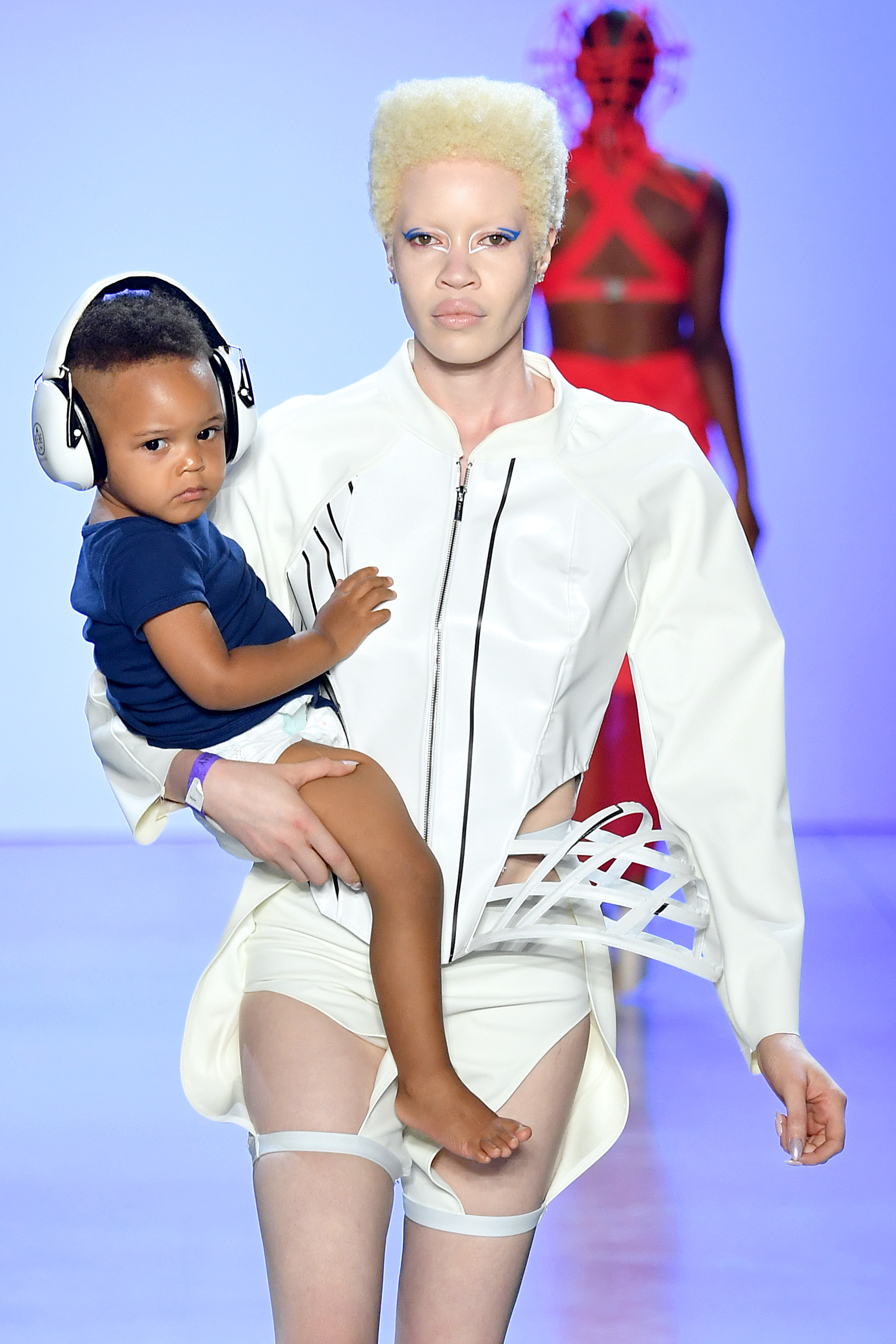
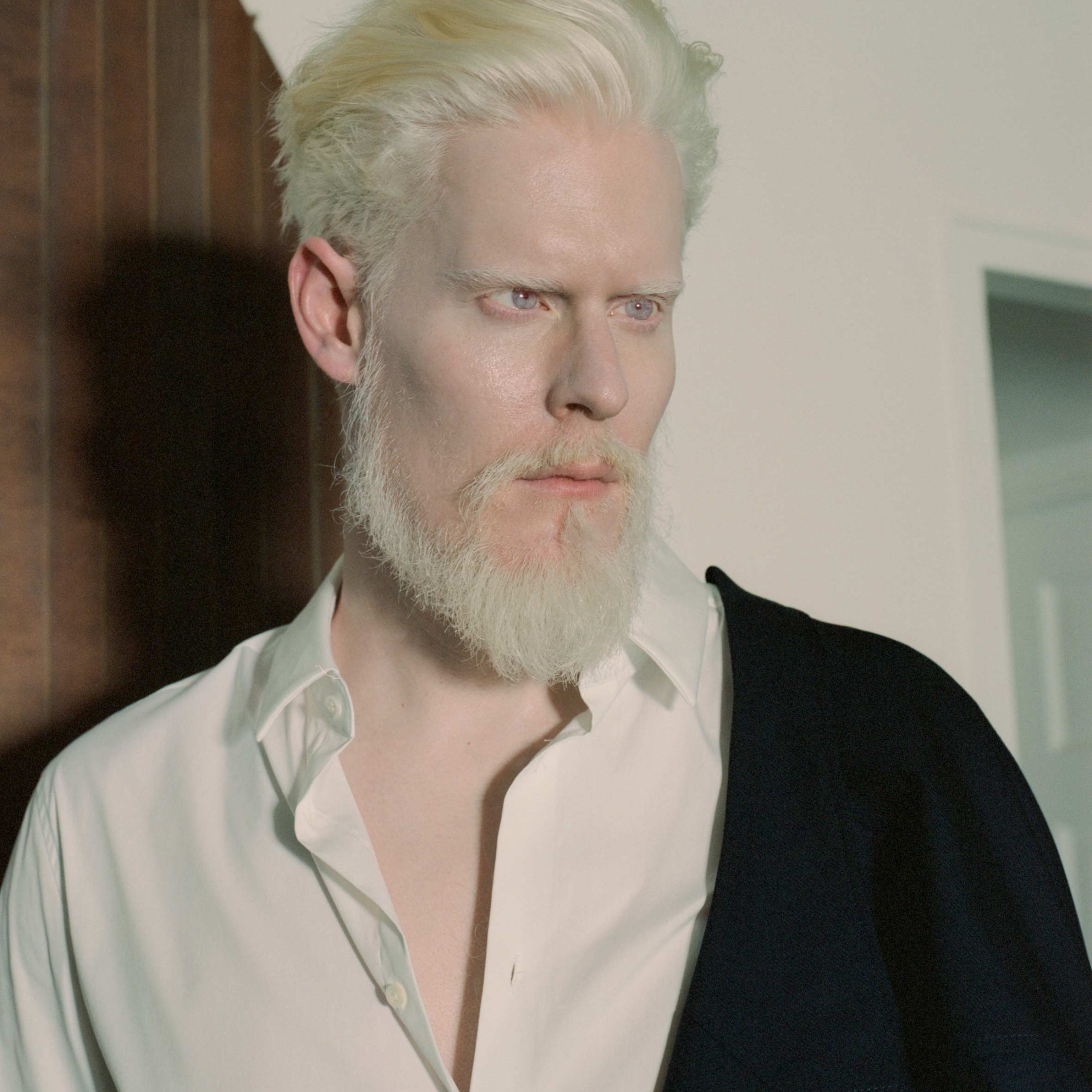
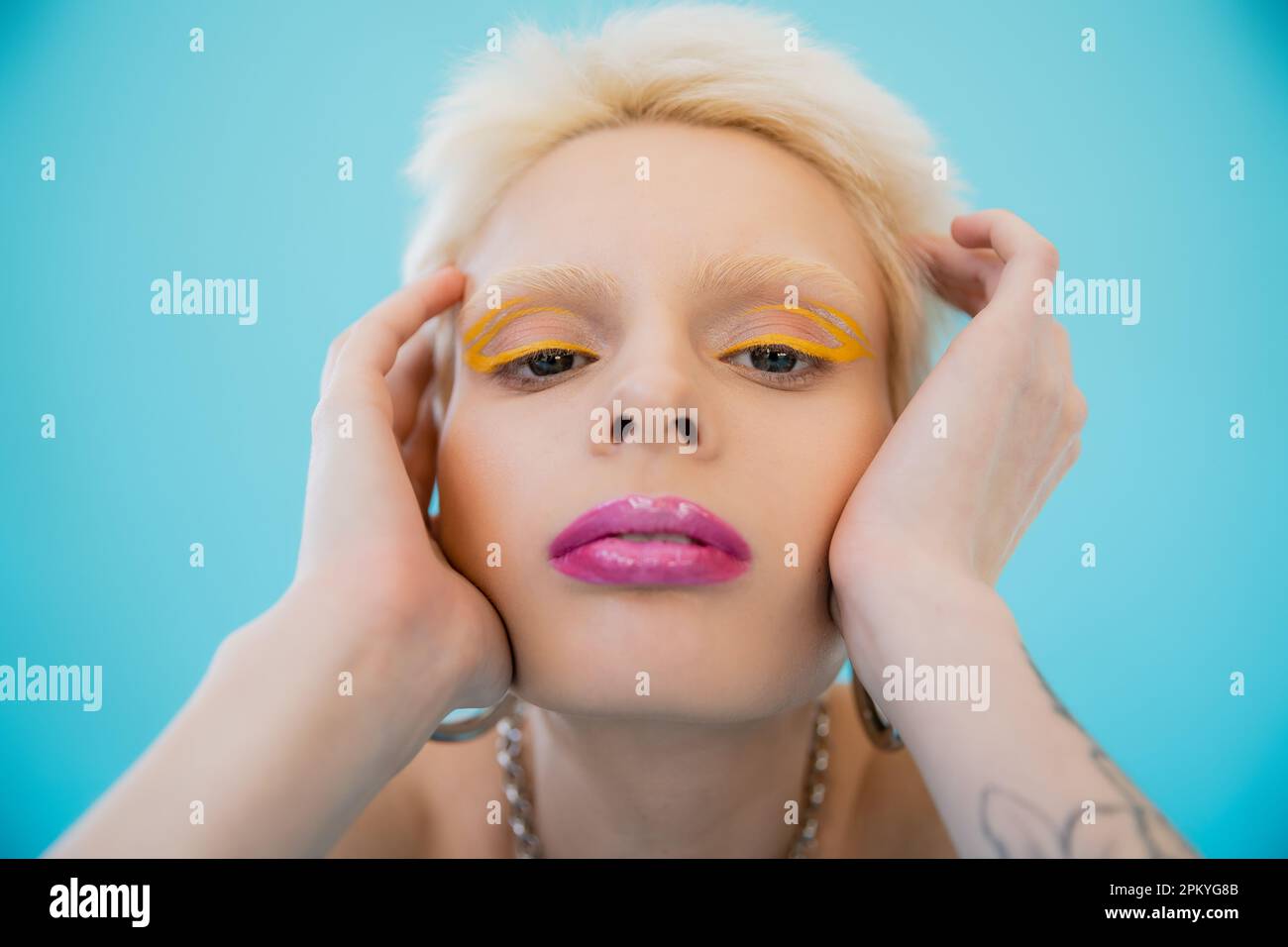
An albino supermodel is a high-fashion professional with albinism who has reached the pinnacle of the modeling industry through global campaigns, runway shows, and editorial features. These individuals, such as Shaun Ross, Diandra Forrest, and Thando Hopa, leverage their unique aesthetic to challenge traditional beauty standards and advocate for greater inclusivity and human rights within the fashion world.
Defining the Albino Supermodel: Beyond a Unique Aesthetic
In the context of the 2026 fashion industry, the term "albino supermodel" describes more than just a model with a specific genetic condition. It signifies a category of professionals who have successfully navigated an industry historically obsessed with narrow definitions of "perfection." Albinism, or oculocutaneous albinism (OCA), is a group of genetic disorders characterized by little or no production of the pigment melanin. This lack of pigment affects the color of the skin, hair, and eyes, and often results in significant vision impairment.
For decades, the fashion industry treated diversity as a niche or a seasonal trend. However, the rise of the albino supermodel marked a permanent shift toward "alternative beauty." These models do not merely fill a "diversity quota"; they command the same prestige, salaries, and creative influence as their peers. By 2026, the industry has moved past viewing albinism as a "spectacle" or "ethereal" novelty, instead recognizing these individuals as versatile professionals capable of representing luxury brands across the spectrum.
The path to supermodel status for individuals with albinism involves overcoming dual barriers: the physical challenges of the condition and the social stigmas associated with it. Unlike models who fit standard archetypes, albino models often had to create their own markets, proving that their look could be commercially viable for brands ranging from Givenchy to Target.
The Pioneers: Establishing a Global Presence
The history of models with albinism in high fashion is relatively short but intensely impactful. To understand the current landscape of 2026, one must look at the trailblazers who broke the initial barriers in the late 20th and early 21st centuries.
Connie Chiu: The First Visionary
Born in Hong Kong and raised in Sweden, Connie Chiu is widely recognized as the world's first fashion model with albinism. Her entry into the industry was not through a traditional agency scout but through her sister’s interest in fashion. In 1994, she began working with the legendary French designer Jean Paul Gaultier. Chiu’s presence on the runway was a radical departure from the "Supermodel Era" of the 90s dominated by Naomi Campbell and Cindy Crawford. Her work proved that albinism could be synonymous with high-art editorial aesthetics.
Shaun Ross: Redefining Masculinity
Shaun Ross, an American model, became the first professional male model with albinism. Discovered on YouTube and Myspace during the digital boom of the late 2000s, Ross faced intense bullying before his career took off. By the early 2010s, he had appeared in major publications like British GQ and Vogue Italia, and starred in music videos for icons like Katy Perry and Beyoncé. Ross was instrumental in moving the conversation from "why is he different?" to "how can he change the brand's identity?" His career demonstrated that an albino model could be a male sex symbol and a commercial powerhouse.
Diandra Forrest: Breaking Agency Barriers
Diandra Forrest was the first female model with albinism to be signed to a major mainstream modeling agency (Elite Model Management). Growing up in the Bronx, Forrest brought a specific intersectional perspective to the industry as an African American woman with albinism. Her success with brands like Vivienne Westwood and L’Oréal was pivotal because it addressed the specific nuances of race and genetics, showing that albinism presents differently across various ethnic backgrounds and that beauty is not monolithic.
Major Models with Albinism and Their Industry Contributions
| Model Name | Nationality | Breakthrough Year | Notable Career Highlights |
|---|---|---|---|
| Connie Chiu | Hong Kong/British | 1994 | First albino fashion model; worked with Jean Paul Gaultier. |
| Shaun Ross | American | 2008 | First male albino pro model; "In My Skin" movement founder. |
| Diandra Forrest | American | 2009 | First albino woman signed to a major agency (Elite). |
| Thando Hopa | South African | 2012 | First albino woman on a Vogue cover (Vogue Portugal, 2019). |
| Nastya Zhidkova | Russian | 2010 | "The Angel" of the East; specialized in high-concept ethereal photography. |
| Jewell Jeffrey | British | 2015 | Prominent DJ and model; specialized in luxury menswear and streetwear. |
Thando Hopa: The Intersection of Fashion and Activism
As we look at the status of representation in 2026, Thando Hopa remains one of the most influential figures in this niche. A South African prosecutor and model, Hopa used her platform to address the grave dangers faced by people with albinism in parts of Sub-Saharan Africa, where they are often targeted due to superstitions.
Hopa’s career is a testament to the "model-as-activist" archetype. When she appeared on the cover of Vogue Portugal in 2019, it was a watershed moment for the industry. She didn't just pose; she curated the narrative, ensuring the editorial reflected her identity as a black woman with albinism. In 2026, her influence continues through her work with the United Nations, where she advocates for the rights of persons with albinism, highlighting that their presence in fashion is a tool for safety and social integration, not just a career choice.
Technical and Professional Challenges in the Industry
Modeling with albinism is not merely about having a "unique look." It involves navigating significant physical and technical hurdles that standard models do not face. These challenges require specialized knowledge from photographers, stylists, and the models themselves.
Visual Sensitivity and Photophobia
Almost all individuals with albinism experience some degree of photophobia (light sensitivity) and nystagmus (involuntary eye movement). In a professional studio setting, high-intensity strobe lights and continuous "hot lights" can be physically painful and make it difficult for the model to keep their eyes open or focus on the camera.
- The Technical Solution: Senior photographers have adapted by using "soft boxes" and indirect lighting techniques. In 2026, many sets use LED panels that offer lower heat and customizable frequencies that are easier on the eyes while still providing the high-contrast look often desired for albino skin tones.
Skin Health and UV Protection
Melanin acts as a natural defense against ultraviolet (UV) radiation. Without it, the skin is extremely susceptible to severe burns and skin cancer. For outdoor "resort" shoots or high-fashion campaigns filmed in tropical locations, the logistics are complex.
- The Professional Requirement: Agencies now mandate strict protocols for models with albinism, including high-SPF mineral sunscreens that do not interfere with makeup application, and "cooling tents" for outdoor sets.
The "White-Washing" of the Aesthetic
A common critique in the early 2010s was that the fashion industry used albino models to create an "alien" or "ghost-like" appearance, effectively stripping them of their humanity to create a surreal image.
- The 2026 Shift: Modern editorial standards now prioritize "humanizing" the model. This means using makeup that highlights the natural texture of the skin rather than covering it in heavy white powders to emphasize the albinism. There is a greater focus on showing the model in relatable, everyday contexts as well as high-fashion fantasies.
The Psychology of Representation: Tokenism vs. Inclusion
The transition from "discovery" to "supermodel" status involves moving past tokenism. Tokenism occurs when a brand hires a model with albinism solely to appear diverse without actually committing to inclusive practices.
In the 2026 landscape, the most successful albino supermodels are those who have secured long-term contracts as "brand ambassadors." This indicates that the brand values the individual’s personal brand and influence, not just their physical traits. True inclusion is measured by the model’s presence in "standard" campaigns—perfume ads, denim lines, and footwear—where their albinism is present but not the central "theme" of the shoot.
Career Path: How the Industry Scouts and Develops Albino Talent
Aspiring models with albinism in 2026 follow a more structured path than the pioneers of the 90s. While social media remains a powerful discovery tool, the professionalization of this niche has led to specific development pipelines.
- Specialized Agencies: While many are signed to global giants like IMG or Next, boutique agencies focusing on "unique beauty" have become crucial for development. These agencies understand the specific lighting and health requirements of their talent.
- Portfolio Diversification: A successful albino supermodel must prove they can move beyond the "ethereal" look. This involves building a portfolio that includes high-glam, streetwear, and commercial "smiling" shots.
- Educational Advocacy: Many models now enter the industry with a clear "mission statement." Brands in 2026 prefer talent who can speak articulately about their condition and their journey, as consumers increasingly demand authenticity from the faces of their favorite labels.
Current Industry Status: The 2026 Perspective
As of 2026, the global fashion market has integrated models with albinism into the mainstream fabric of the industry. We see this reflected in:
- Beauty Campaigns: Major cosmetic brands now formulate shades specifically to complement the undertones of skin without melanin, often using albino models as the face of these "extremity" shade ranges.
- Film and Media: The success of models in fashion has translated to the screen, where actors with albinism are being cast in roles that have nothing to do with their condition, further normalizing their presence in the public eye.
- Economic Impact: The "albino supermodel" is a recognized commercial asset. Data from 2025 and early 2026 shows that campaigns featuring diverse models, including those with albinism, see higher engagement rates among Gen Z and Gen Alpha consumers who prioritize social representation.
Frequently Asked Questions
Do albino models have to use special makeup?
Yes, but not in the way many think. The goal is often to find products that provide sun protection without a "white cast" and foundations that match the very fair, often pink or peach undertones of their skin. Many models with albinism prefer mineral-based products that are less irritating to sensitive skin.
Who is the most famous albino supermodel currently?
While fame is subjective, Shaun Ross and Thando Hopa remain the most globally recognized figures due to their longevity in the industry and their cross-over success in music videos, law, and activism.
Is albinism only found in certain races in the modeling world?
No. Albinism occurs in every ethnic group and race worldwide. In the modeling industry, there has been a significant and necessary focus on models of African, Asian, and Latino descent with albinism to dispel the myth that it only occurs in certain populations and to showcase the diverse ways the condition presents.
Can albino models see well enough to walk the runway?
Walking a runway can be challenging due to nystagmus and the glare of stage lights. Most supermodels with albinism practice extensively to "count steps" or use peripheral landmarks on the runway to navigate. Many also use specialized contact lenses or simply rely on their immense professional experience to maintain a steady gaze and gait.
Are there "plus-size" or "petite" albino models?
Absolutely. The "albino supermodel" category has expanded to include intersectional diversity. By 2026, there are several prominent models who are both plus-size and have albinism, further breaking the mold of what a "typical" model looks like.
Professional Recommendations for the Industry
To continue the progress made by 2026, the fashion industry should prioritize the following actions:
- Infrastructure Accessibility: Design studios and runway sets with adjustable lighting intensities to accommodate models with photophobia.
- Inclusive Casting: Continue to cast albino models for roles that do not "theme" their albinism, allowing them to exist as fashion icons in their own right.
- Health Advocacy: Support organizations like NOAH (National Organization for Albinism and Hypopigmentation) to ensure that the "glamour" of the supermodel does not overshadow the medical and social realities of the condition.
The rise of the albino supermodel is not just a success story for the individuals involved; it is a victory for the concept of universal beauty. It proves that the "flaws" once identified by society can, through talent and perseverance, become the very features that define a generation’s aesthetic.