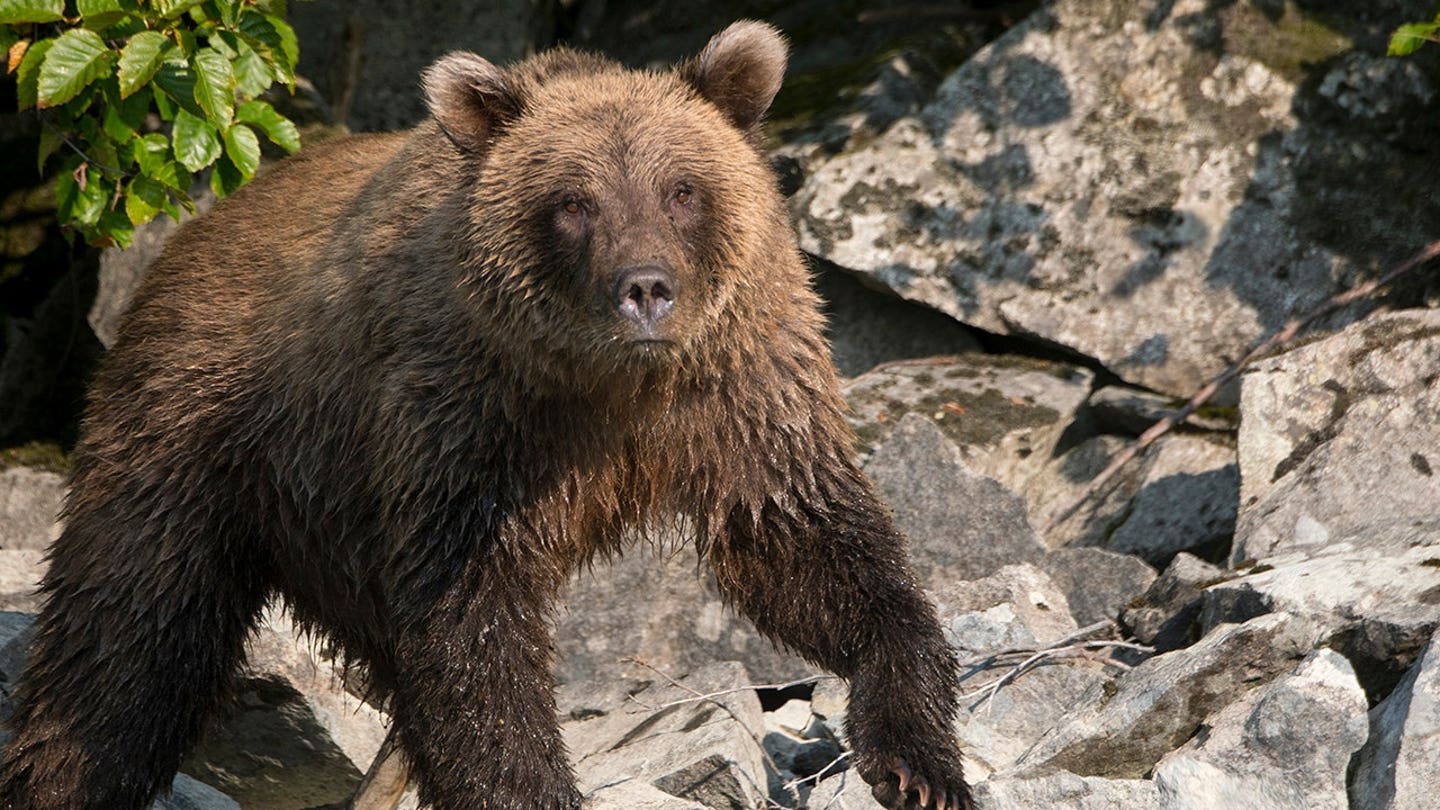
While Alaska is home to a robust population of brown bears—often referred to as grizzlies—attacks on humans are statistically rare occurrences. Most interactions are brief, non-aggressive encounters where the bear eventually retreats. However, because brown bears are large, powerful predators, understanding their behavior, the triggers for defensive versus predatory aggression, and the most effective mitigation strategies is essential for anyone venturing into the Alaskan backcountry.
The Behavioral Dynamics of Brown Bears
To understand the nature of Alaska brown bear attacks, one must first distinguish between the two primary types of aggressive encounters: defensive and predatory. The vast majority of bear-human conflicts in Alaska are defensive in nature. Brown bears, like most wildlife, are generally wary of humans and prefer to avoid contact.
Defensive aggression occurs when a bear feels threatened. This typically happens when a human surprises a bear at close range, encroaches upon a mother protecting her cubs, or approaches a bear while it is feeding on a high-value food source, such as a carcass. In these scenarios, the bear’s goal is to neutralize the threat. If you encounter a bear in this state, it may vocalize, puff its cheeks, stomp its feet, or perform a bluff charge. A bluff charge is a rapid, short run toward the target followed by a sudden stop, intended to intimidate the human into retreating.
Predatory aggression, while significantly less common, is fundamentally different. In this case, the bear views the human as potential prey. Predatory attacks are often characterized by the bear silently stalking or trailing an individual. Unlike a defensive encounter, where the bear wants you to leave, a predatory bear is actively seeking contact. Recognizing these behavioral differences is the cornerstone of backcountry safety.
Environmental Factors and Habitat Awareness
Your risk profile changes depending on where you are in Alaska and what the bears are doing at the time of your visit. Understanding the seasonal movements and food requirements of brown bears can help you avoid areas of high bear density during critical periods.
In early summer, brown bears often congregate along salmon streams to feed on spawning runs. During this time, bears are focused on caloric intake and may be less attentive to their surroundings, increasing the likelihood of surprise encounters. In the fall, bears move toward areas with abundant berry crops or denning sites. Travelers should remain hyper-vigilant when moving through dense brush, as these areas limit visibility and mask the noise of an approaching human.
Visibility is your greatest asset. When hiking in "bear country"—which encompasses most of the Alaskan wilderness—you should prioritize open terrain whenever possible. When forced to navigate through tall willows, alder thickets, or deep forests, the risk of a surprise encounter increases dramatically. In these environments, making noise is not merely a courtesy; it is a vital safety protocol.
Practical Protocols for Encounter Mitigation
Prevention remains the most effective tool against bear attacks. The following steps should be standard procedure for anyone recreating in Alaska:
- Travel in Groups: Bears are significantly less likely to approach a group of three or more people. The combined noise and scent of a group provide a clear deterrent that a solitary hiker cannot replicate.
- Make Consistent Noise: Avoid moving silently. Calling out, talking, or singing—especially when moving near rushing water, around blind corners, or through thick vegetation—alerts bears to your presence, allowing them to move away before an encounter occurs.
- Manage Attractants: Brown bears have a highly developed sense of smell. Food, trash, fuel, and toiletries should be stored in bear-resistant containers or hung at least 10 feet off the ground and 4 feet from a tree trunk. Never store food or scented items inside your sleeping tent.
- Carry Bear Spray: Bear spray (a high-concentration capsaicin aerosol) is the most effective, portable, and non-lethal deterrent currently available. It is specifically designed to create a cloud of irritation that disrupts a bear’s ability to breathe and see, forcing a retreat.
Bear Spray vs. Firearms: Understanding Your Options
There is often debate regarding whether one should carry a firearm or bear spray. Data from the National Park Service and the Alaska Department of Fish and Game suggests that bear spray is highly effective in stopping attacks. Bear spray is easier to deploy accurately under stress, creates a wider field of protection, and carries a lower risk of injury to the user.
Firearms are a secondary option, but they present significant challenges. An individual must be highly proficient with a firearm under high-stress conditions to effectively stop a charging bear. Furthermore, wounding a bear without stopping it can increase its aggression. In Alaska, many professionals who work in the backcountry choose to carry bear spray as their primary defense, reserving firearms only for situations where legal and environmental conditions demand them. If you choose to carry a firearm, ensure it is of a sufficient caliber to penetrate a bear’s skull or thick muscle mass, and practice until deployment is intuitive.
Comparison of Deterrent Methods
| Feature | Bear Spray | Large-Caliber Firearm |
|---|---|---|
| Effective Range | 15–30 feet (variable) | Up to 50+ yards |
| Ease of Use | High (easy to aim) | Low (requires training) |
| Safety to User | High (non-lethal) | Moderate (risk of recoil/misses) |
| Legal Restrictions | Generally permitted | Varies by park/refuge |
| Deployment Time | Immediate (safety clip) | Slower (unholstering/safety) |
Responding to an Active Encounter
If you do encounter a bear, your reaction must be immediate and appropriate based on the bear's behavior.
- If the bear has not seen you: Quietly retreat the way you came. Do not run, as this may trigger a predatory chase response.
- If the bear sees you: Talk to the bear in a calm, firm, monotone voice. Slowly wave your arms to appear larger. Do not make eye contact, as this can be perceived as a challenge. Back away slowly.
- If the bear charges: Stand your ground. If it is a bluff charge, the bear will likely veer off. If the bear makes contact, your response depends on the type of attack.
- Defensive Attack: If the bear attacks due to surprise or protection, go "dead weight." Lie face down with your hands clasped behind your neck and your elbows covering your face. Spread your legs to make it harder for the bear to flip you over. Remain still; the bear will likely stop once it perceives you are no longer a threat.
- Predatory Attack: If the bear is stalking you or attacks you in your tent at night, do not play dead. Fight back with everything you have. Use rocks, sticks, or your bare hands, targeting the bear's nose and eyes.
Frequently Asked Questions
1. Is it safe to run away if I see a brown bear? No. Never run from a bear. Running can trigger an instinctive predatory chase response, and even a slow human is significantly slower than a brown bear, which can reach speeds of up to 35 miles per hour. Always retreat slowly while keeping your eyes on the bear without engaging in direct, aggressive eye contact.
2. Does bear spray work in the wind? Bear spray is designed to be effective in various conditions, but extreme wind can impact the trajectory of the spray cloud. When using bear spray, try to position yourself so that the wind is at your back, pushing the spray toward the bear. Practice with an inert "practice" can to understand the canister’s range and wind sensitivity before you enter the backcountry.
3. Are some times of day better for hiking to avoid bears? Bears are crepuscular, meaning they are most active during dawn and dusk. While you can encounter a bear at any time, hiking during the middle of the day can slightly decrease your odds of crossing paths with a bear that is actively hunting or moving along trails. However, always prioritize your own visibility and noise-making regardless of the time of day.
4. What should I do if I see a cub? If you see a cub, immediately look for the mother. A cub is almost never truly alone. If you see a cub, you are likely in a high-risk situation. Back away slowly and quietly, giving the sow plenty of space. Never place yourself between a mother and her cubs, as this is the most common cause of defensive attacks.
5. How far away should I keep my campsite from a bear trail? Experts recommend camping at least 100 yards away from known game trails or areas where you see signs of fresh bear activity, such as scat, tracks, or overturned rocks. Keep your cooking area, food storage, and sleeping area separate to ensure that any potential interest from a bear is directed away from your sleeping quarters.
Conclusion and Next Steps
Preparation is the best defense against Alaska brown bear attacks. Before departing for your trip, check the local Alaska Department of Fish and Game advisories for the specific region you plan to visit, as they often issue alerts regarding current bear activity or recent sightings. Investing in high-quality bear spray, practicing your deployment procedure, and maintaining a high level of situational awareness will allow you to enjoy Alaska's wilderness while significantly reducing your risk. Remember that you are a visitor in their habitat; respecting their space is the primary rule of safe backcountry travel.