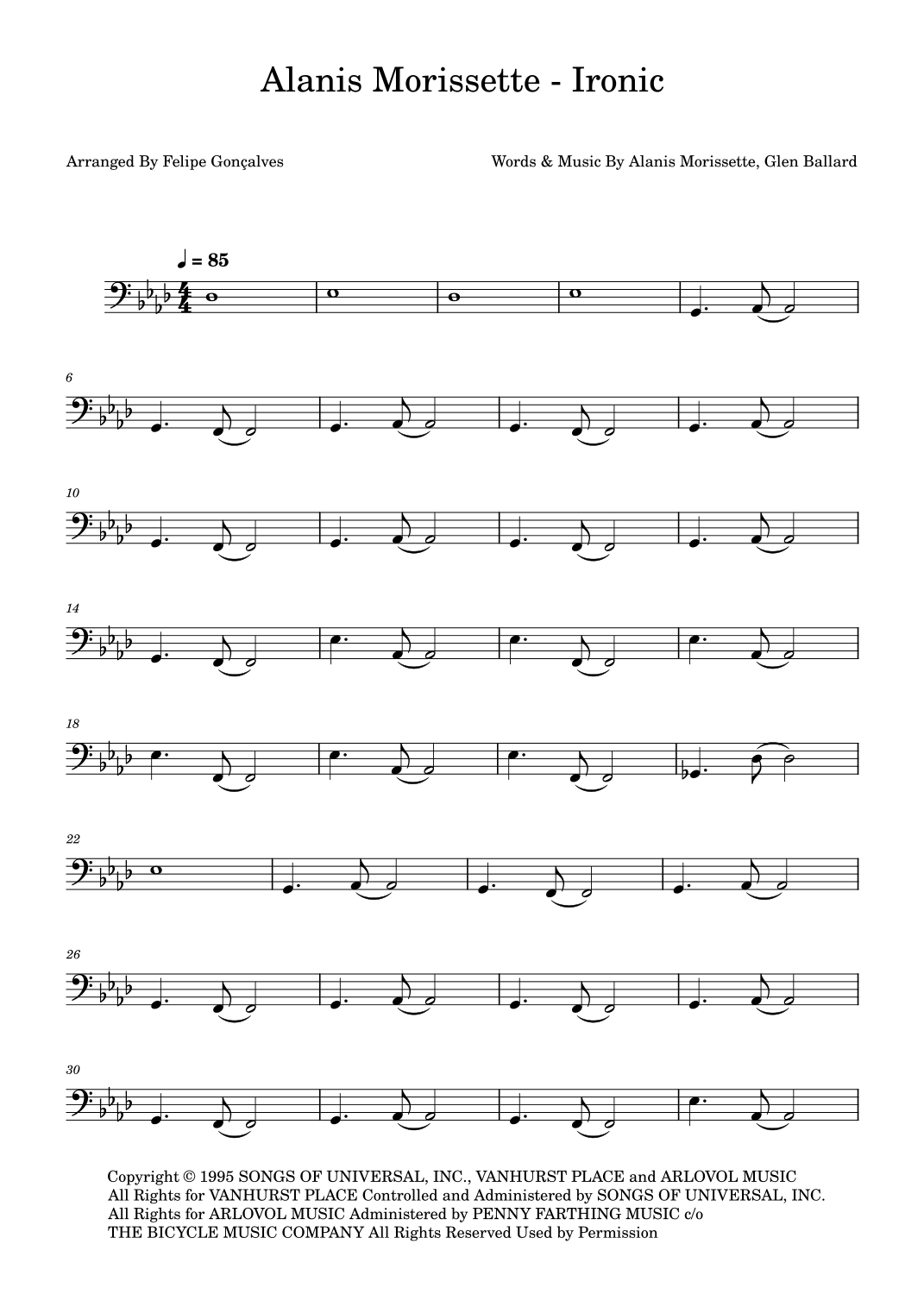
Alanis Morissette was 20 years old when she co-wrote "Ironic" in late 1994. The song was a collaboration with producer Glen Ballard during the recording sessions for her international debut album, Jagged Little Pill. Although she turned 21 just before the album’s June 1995 release, the lyrics and composition were completed during her twentieth year.
The Context of 1994: A Turning Point for Alanis Morissette
To understand the weight of a 20-year-old writing one of the most defining songs of a decade, one must look at the state of Alanis Morissette’s career in 1994. Before becoming the face of alternative rock angst, Morissette was a teenage pop star in Canada. Under the name "Alanis," she had released two dance-pop albums, Alanis (1991) and Now Is the Time (1992).
By the time she reached age 19, Morissette felt a profound disconnect between the polished pop persona she had been marketed as and the complex, often turbulent internal life she was actually experiencing. She made the pivotal decision to move from Ottawa to Toronto, and eventually to Los Angeles, seeking a more authentic creative voice.
In 1994, at age 20, she was a young woman in a state of transition. She was no longer a child star, but she hadn't yet found her footing in the global music industry. This "in-between" period provided the raw emotional material that would eventually form the backbone of Jagged Little Pill.
The Meeting with Glen Ballard
The creation of "Ironic" cannot be discussed without mentioning Glen Ballard. In early 1994, Morissette’s management set up meetings with several producers in Los Angeles. Many of these meetings were unsuccessful; producers often tried to push her back toward the dance-pop sound of her youth or failed to grasp her desire for raw, unfiltered lyrical expression.
When she met Glen Ballard at his studio, Aerowave, the chemistry was instantaneous. Ballard, who had worked with Michael Jackson and Wilson Phillips, recognized a unique lyrical density in Morissette. Despite the age gap—Ballard was in his early 40s while Morissette was just 20—they formed a partnership built on mutual respect and creative freedom.
The songwriting process for "Ironic" and the rest of the album was remarkably fast. They often wrote and recorded a song in a single day, capturing Morissette’s vocals in just one or two takes to preserve the "demo" feel and the emotional urgency of her 20-year-old perspective.
The Writing of "Ironic"
"Ironic" was one of the later additions to the Jagged Little Pill tracklist. Contrary to some myths that the song took months to perfect, the primary structure and lyrics were hammered out in a single session.
At 20, Morissette was focused on the concept of life’s unpredictability. The song was intended to be a series of vignettes illustrating the "cosmic jokes" that the universe seems to play. While Morissette provided the lyrical snapshots—the man afraid of flying, the "no-smoking" sign on your cigarette break—Ballard helped shape the melodic progression that allowed the song to transition from a subdued verse to an anthemic, soaring chorus.
The Linguistic "Irony" Controversy
One cannot discuss "Ironic" without addressing the decades-long debate regarding whether the scenarios described in the song are actually ironic. Linguists and English teachers have frequently pointed out that the majority of the examples (rain on a wedding day, a traffic jam when you're already late) are merely "unfortunate" or "coincidental" rather than ironic in the situational or dramatic sense.
However, viewing the song through the lens of a 20-year-old songwriter offers a different perspective. At 20, the nuances of literary irony are often less important than the feeling of life’s inherent unfairness. Morissette has since admitted with a sense of humor that the "ultimate irony" of the song is that it is titled "Ironic" while containing very little actual irony. This self-awareness has only added to the song’s legacy.
Technical and Commercial Impact of "Ironic"
When "Ironic" was released as the third single from Jagged Little Pill in early 1996, Morissette was 21, but the world was hearing the voice of the 20-year-old who had recorded it. The song’s impact was immediate and massive. It peaked at number four on the Billboard Hot 100 and received two Grammy nominations.
The music video, directed by Stéphane Sednaoui, became an MTV staple. It featured four different "versions" of Alanis in a 1978 Lincoln Continental, representing different facets of her personality. This visual representation cemented her image as a multi-dimensional artist who couldn't be pinned down to a single trope.
| Metric | Detail |
|---|---|
| Songwriter Age at Composition | 20 (Late 1994) |
| Primary Genre | Alternative Rock / Post-Grunge |
| Billboard Hot 100 Peak | #4 |
| Grammy Nominations | Record of the Year, Best Short Form Music Video |
| Album Sales (Jagged Little Pill) | 33+ Million Copies Worldwide |
| Key Instruments | Acoustic Guitar, Electric Guitar, Harmonica |
The Legacy of a 20-Year-Old’s Perspective
The fact that Alanis Morissette was 20 when she wrote "Ironic" is significant because it highlights the "age of discovery" that defined the mid-90s alternative scene. Morissette wasn't writing from the perspective of an established rock star; she was writing as a young adult trying to make sense of the world’s contradictions.
Her age at the time allowed for a specific kind of vulnerability. "Ironic" doesn't claim to have the answers; instead, it observes the chaos of existence with a mix of frustration and resignation. This resonated deeply with Gen X and early Millennials, who saw their own anxieties reflected in her lyrics.
Influence on Subsequent Artists
The success of "Ironic" and the Jagged Little Pill album paved the way for a generation of female singer-songwriters. Before Morissette, the industry often pressured women to be either "the pop princess" or "the ethereal folk singer." Morissette’s work at 20 proved that a female artist could be angry, funny, cynical, and commercially successful all at once. Artists ranging from Avril Lavigne to Olivia Rodrigo have cited Morissette’s early work as a blueprint for their own songwriting.
Key Facts About the Recording Sessions
To provide a deeper look at the environment in which "Ironic" was created, we can examine the specific conditions of the 1994 sessions at Aerowave Studios:
- The "One-Take" Philosophy: Glen Ballard intentionally kept many of Morissette’s original vocal takes from the demo sessions. He believed that at 20, her voice had a specific "crackle" and honesty that would be lost if they tried to over-polish it in a high-end studio later.
- Minimalist Production: While the chorus of "Ironic" feels massive, the verses are relatively sparse. This was a deliberate choice to let the narrative—the stories of the characters in the song—take center stage.
- Lyrical Evolution: Some lyrics were adjusted on the fly. Morissette has mentioned in interviews that the process was very "stream of consciousness," which explains the quirky, conversational nature of the verses.
- The Harmonica: The use of the harmonica (more prominent in other tracks but part of the overall sessions) was a nod to her folk influences, blending the 70s singer-songwriter tradition with 90s grit.
Frequently Asked Questions
Did Alanis Morissette really not know what irony was when she wrote the song?
While the lyrics have been picked apart by grammarians for decades, Morissette has explained that she wasn't writing a dictionary definition. At 20, her focus was on the "malapropism of life"—the way things often go the opposite of how we plan. In later years, she has embraced the critique, even performing a "corrected" version of the song with James Corden in 2015.
How much of the song was written by Glen Ballard?
The song is a 50/50 collaboration. While Morissette was the primary lyricist and provided the initial emotional spark, Ballard was essential in structuring the song and providing the musical beds. He played many of the instruments on the track, including the guitars and keyboards, helping to translate Morissette’s 20-year-old energy into a radio-ready format.
Was "Ironic" the first song written for Jagged Little Pill?
No, it was not the first. Songs like "The Perfect" and "Hand in My Pocket" were among the earlier tracks that helped define the sound of the album. "Ironic" came slightly later in the process, once the creative trust between Morissette and Ballard was fully established.
How old is Alanis Morissette now?
As of 2026, Alanis Morissette is 51 years old. She continues to tour and perform "Ironic" as a staple of her setlist, often letting the audience sing the verses back to her. The song remains a bridge between her current self and the 20-year-old woman who wrote it three decades ago.
Is the man in the song "afraid to fly" based on a real person?
Morissette has stated that the characters in "Ironic" are archetypes rather than specific individuals. They represent the collective anxieties she observed or felt during her early 20s. The "man who was afraid to fly" is a classic trope of someone who finally conquers their fear only to be met with a worst-case scenario—the ultimate representation of the "cruel joke" theme.
Final Recommendation: Re-Evaluating the Work
For those looking to understand the genius of "Ironic," it is recommended to listen to the track within the context of the full Jagged Little Pill album. When heard alongside songs like "You Oughta Know" and "Wake Up," the 20-year-old Morissette’s vision becomes clear: she was documenting the transition from the safety of childhood to the chaotic, often unfair reality of adulthood.
If you are a songwriter or student of music, study the "Ironic" sessions as a masterclass in authentic collaboration. The lesson of Alanis Morissette at 20 is that you do not need to be a seasoned veteran to have a perspective that changes the world; you simply need the courage to be honest about your own experiences, even if—especially if—they don't fit perfectly into a dictionary definition.