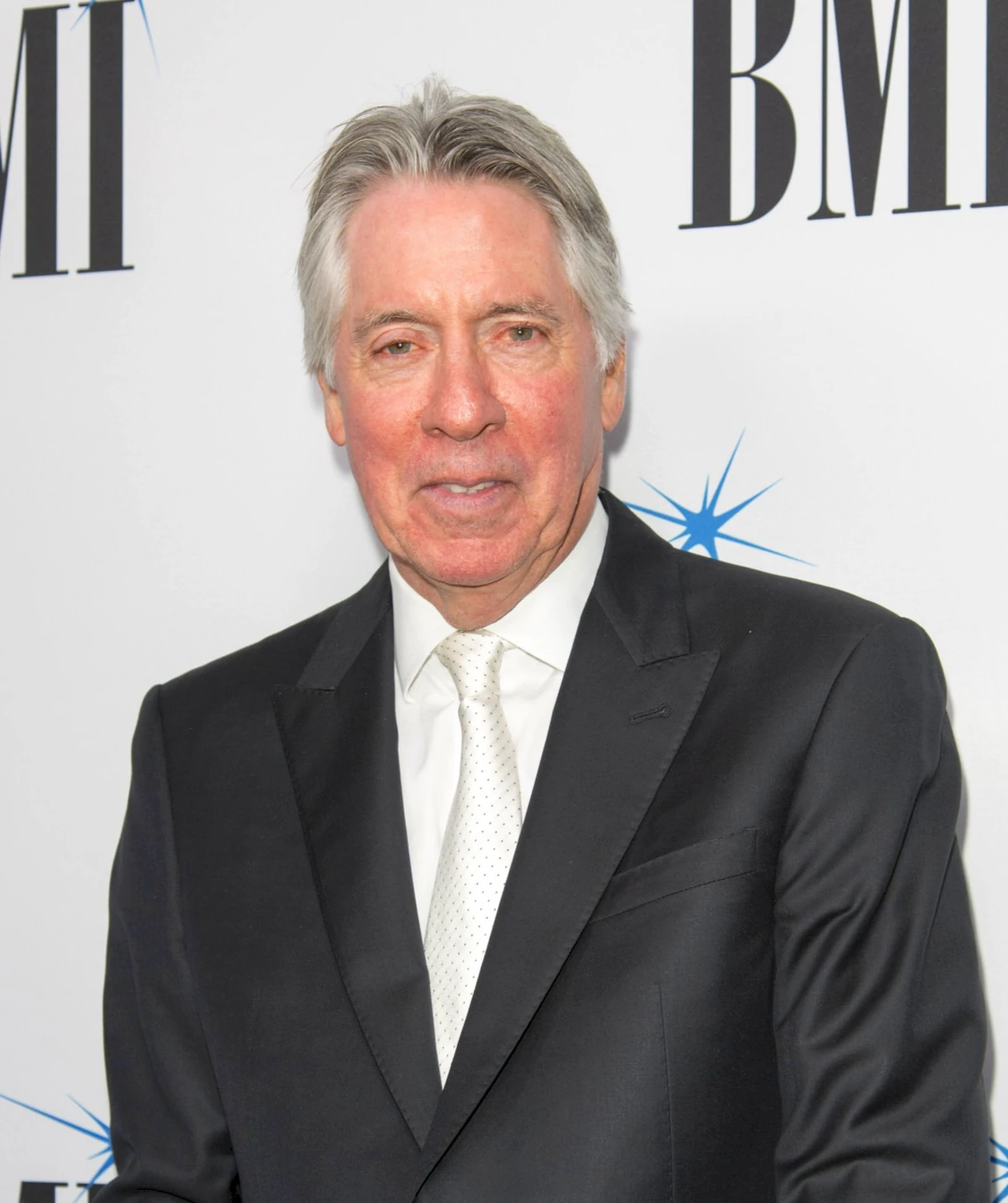
As of 2026, Alan Silvestri’s estimated net worth stands between $45 million and $55 million. This valuation is rooted in over four decades of elite-level film scoring fees, substantial backend royalties from global franchises like the Marvel Cinematic Universe, and diversified business interests, most notably his successful California winery.
The financial standing of a film composer is often misunderstood by the public, as it differs significantly from the upfront salaries of actors or directors. To understand Alan Silvestri’s net worth in context, one must look beyond a single number and examine the mechanics of the film music industry, the long-tail value of iconic intellectual property (IP), and the strategic diversification of his personal assets. Silvestri is not merely a musician for hire; he is a cornerstone of the Hollywood establishment whose work continues to generate revenue long after the initial recording sessions have concluded.
The Economics of A-List Film Scoring
In the hierarchy of Hollywood compensation, Alan Silvestri occupies the "A-list" tier, a position reserved for a small group of composers who can command significant seven-figure fees per project. For a composer of Silvestri’s stature, a single major studio film score can command an upfront creative fee ranging from $500,000 to over $2 million. However, the true complexity of these earnings lies in the structure of the contract.
Creative Fees vs. Package Deals
In the film industry, composers generally work under two types of financial arrangements. The first is a straight "creative fee," where the studio pays the composer for their services and separately covers all production costs, including the orchestra, studio rental, and engineers. The second is a "package deal," where the composer is given a lump sum and must pay for all production expenses out of that amount, keeping whatever remains as profit.
Given Silvestri’s history with high-budget blockbusters, he often operates under a high-level creative fee structure. When scoring films like Avengers: Endgame or Ready Player One, the production budgets for the music alone can exceed $5 million. While the composer’s personal take-home is only a fraction of that, the prestige associated with managing such massive musical undertakings solidifies their market value for future negotiations.
The Power of Long-Term Collaborations
A significant driver of Silvestri’s financial stability is his enduring partnership with director Robert Zemeckis. This relationship, which began with 1984’s Romancing the Stone, has spanned over 20 films, including the Back to the Future trilogy, Forrest Gump, and Cast Away. From a financial perspective, these consistent collaborations provide a predictable revenue stream and a shared "brand" that increases the licensing value of the music. When a director insists on a specific composer, it gives the composer significant leverage in contract negotiations, often leading to better terms regarding royalty participation and soundtrack ownership.
The Marvel Effect: A Catalyst for Modern Wealth
While Silvestri’s career was already legendary by the early 2000s, his entry into the Marvel Cinematic Universe (MCU) elevated his net worth to new heights. Scoring Captain America: The First Avenger, The Avengers, Avengers: Infinity War, and Avengers: Endgame placed him at the center of the highest-grossing film franchise in history.
The financial impact of the MCU on a composer’s net worth is three-fold:
- Premium Upfront Fees: The sheer scale of these productions allows for top-tier compensation.
- Global Performance Royalties: As these films are broadcast on television and streamed globally in 2026, the performance royalties generated are astronomical.
- Cultural Ubiquity: The "Avengers Theme" has become a piece of modern Americana. Every time that theme is used in a trailer, a theme park attraction, or a commercial, Silvestri earns synchronization fees.
The success of Avengers: Endgame, which surpassed $2.7 billion at the box office, likely included "box office bonuses" or "escalators" in Silvestri’s contract—incentives that are rare for composers but achievable for those at the very top of the industry.
Residual Income and the Royalty Stream
To understand how a composer maintains a high net worth through 2026, one must look at the "long tail" of their income. Unlike many professions where income stops when the work ends, a composer’s work is an asset that yields dividends for decades through Performance Rights Organizations (PROs) like BMI or ASCAP.
Performance Royalties
Every time a film Silvestri scored is played on a television network, in a theater, or via a streaming service (SVOD), a performance royalty is triggered. Given the evergreen nature of his catalog—films like The Polar Express are played every Christmas, and Forrest Gump remains a cable television staple—the annual residual income from his back catalog likely reaches into the millions of dollars.
Soundtrack Sales and Streaming
While physical CD sales have dwindled, the transition to digital streaming has created a perpetual, albeit smaller, revenue stream. Silvestri’s scores have billions of cumulative streams on platforms like Spotify and Apple Music. For a composer who owns a portion of their publishing or has a favorable royalty split on soundtrack sales, this provides a steady monthly cash flow that bolsters their overall net worth.
Diversification: Silvestri Vineyards
A unique aspect of Alan Silvestri’s financial portfolio is his venture into the wine industry. In the late 1980s, Alan and his wife, Sandra, purchased property in Carmel Valley, California. This evolved into Silvestri Vineyards, a boutique winery specializing in Chardonnay, Pinot Noir, and Syrah.
From a net worth perspective, the vineyard represents a significant "hard asset."
- Real Estate Value: Property in Carmel Valley is among the most expensive and desirable in the United States.
- Operational Revenue: The winery is a functioning business with a tasting room and a loyal subscription base, providing income independent of the film industry.
- Brand Synergy: The "Silvestri" name carries prestige, allowing the winery to market to a high-end demographic that appreciates both fine art and fine wine.
This diversification is a classic wealth-preservation strategy, moving earnings from the volatile entertainment industry into tangible real estate and agriculture.
Comparing Net Worth Across the Industry
To provide context for Silvestri’s $45M–$55M net worth, it is helpful to compare him with his contemporaries in 2026. While he is incredibly wealthy by any standard, the film scoring world has a wide range of financial outcomes.
| Composer | Estimated Net Worth (2026 Context) | Primary Revenue Drivers |
|---|---|---|
| John Williams | $300M+ | Star Wars, Spielberg films, extensive concert works. |
| Hans Zimmer | $200M+ | High-volume studio (Remote Control Productions), touring. |
| Danny Elfman | $50M - $75M | Tim Burton films, The Simpsons theme, Oingo Boingo. |
| Alan Silvestri | $45M - $55M | Marvel MCU, Zemeckis films, Silvestri Vineyards. |
| Alexandre Desplat | $20M - $30M | High-frequency scoring, European and US markets. |
The disparity between Silvestri and someone like Hans Zimmer often comes down to business models. Zimmer operates a massive production house with dozens of composers under his wing, essentially functioning as a music corporation. Silvestri, by contrast, operates as a more traditional "auteur," focusing on high-quality, high-impact projects which, while extremely lucrative, don't follow the high-volume corporate model.
Challenges and Considerations in Net Worth Estimation
When evaluating celebrity net worth, several factors can lead to variance in public estimates. For Alan Silvestri, these include:
- Taxes and Fees: An A-list composer pays roughly 10% to their agent, 5% to their manager, and sometimes 5% to a lawyer. After state and federal taxes, a $2 million fee may result in $1 million in actual take-home pay.
- Production Costs: If a composer works under a package deal and overspends on a 100-piece orchestra or expensive synth programming, their personal profit decreases.
- Private Investments: Wealth at this level is often managed by family offices and invested in private equity, stocks, or additional real estate, which are not public record.
- Philanthropy: Silvestri is a significant supporter of the Juvenile Diabetes Research Foundation (JDRF), a cause personal to his family. Large-scale charitable giving can impact total net worth but adds to a legacy of influence.
The Future of the Silvestri Estate
As we look through the lens of 2026, Silvestri’s net worth is poised for continued stability. Even if he were to retire today, the intellectual property he has helped create—specifically his contributions to the MCU and the Zemeckis library—will continue to generate wealth for his estate for decades. The "termination rights" in copyright law also provide opportunities for creators to reclaim rights to their works after a certain period, which can lead to massive "buy-out" offers from studios looking to maintain total control of their franchises.
Furthermore, the rise of "film concerts," where orchestras play a film score live while the movie screens, has opened a new revenue stream for composers. Silvestri’s Back to the Future and Avengers live-to-picture concerts are global hits, generating licensing fees and performance royalties that were not part of the financial landscape thirty years ago.
Frequently Asked Questions
What is Alan Silvestri's most profitable work?
While Forrest Gump and Back to the Future are massive royalty earners, his work on Avengers: Infinity War and Avengers: Endgame likely represent his largest single-project payouts due to the scale of the films and the global performance royalties they continue to generate.
Does Alan Silvestri own the rights to his music?
In most studio "work-for-hire" contracts, the film studio (e.g., Disney or Universal) owns the master recording and the publishing rights. However, as the composer, Silvestri retains "writer's share" of the performance royalties, which is a guaranteed stream of income collected by PROs every time the music is used publicly.
How much does Silvestri Vineyards contribute to his net worth?
While the exact revenue of the winery is private, the land value of his Carmel Valley estate and the established brand of Silvestri Vineyards represent several million dollars in assets. It serves as both a profitable business and a high-value real estate investment.
Has Alan Silvestri won any awards that boosted his earning power?
Yes. Silvestri has been nominated for two Academy Awards and has won several Grammys and Emmys. In Hollywood, major awards function as a "seal of approval" that allows agents to negotiate higher upfront fees and more favorable backend terms in future contracts.
How does his net worth compare to an A-list actor?
An A-list actor might earn $20 million for a single film, which is significantly more than a composer's fee. However, composers often have longer careers and more consistent residual income through performance royalties, which can lead to a more stable accumulation of wealth over several decades.
Expert Recommendation for Aspiring Media Professionals
For those looking to understand the financial trajectory of a career like Alan Silvestri's, the key takeaway is the value of intellectual property and long-term partnerships. Silvestri’s wealth is not just the result of his talent, but of his association with massive, recurring franchises and high-grossing directors.
If you are a creator in 2026, focus on building "tentpole" relationships. One successful collaboration with a major director can lead to a lifetime of work and a perpetual stream of royalties. Additionally, diversifying your income into tangible assets—as Silvestri did with his vineyards—is the most effective way to ensure long-term financial security in the fluctuating landscape of the entertainment industry.